English हिन्दी
Connect with us

Top Stories

Arvind Kejriwal takes jibe on Vivek Agnihotri’s The Kashmir Files, asks to upload film on YouTube for free premier; tweeple call him a hypocrite

Speaking in the assembly, Kejriwal refused to declare The Kashmir Files tax-free in Delhi and mocked the decision of the Bharatiya Janata Party that tax-exempted the film in several states.

Published

on

Arvind Kejriwal takes jibe on Vivek Agnihotri's The Kashmir Files, asks to upload film on YouTube for free premier; tweeple call him a hypocrite

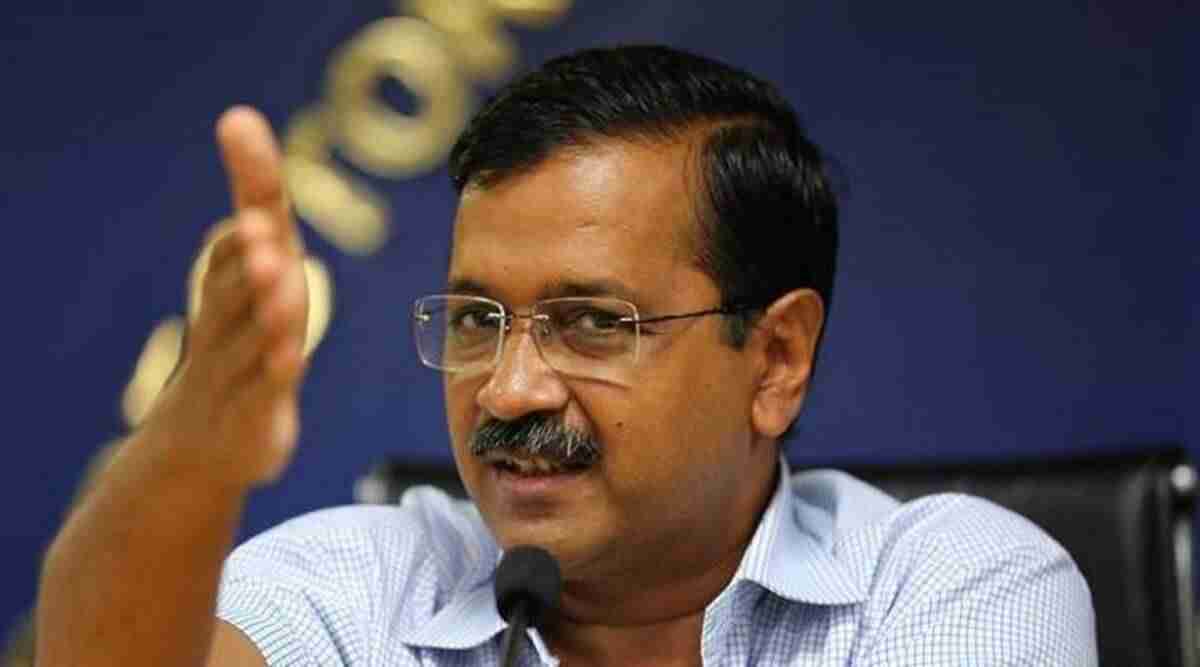
Aam Aadmi Party Chief and Delhi chief minister Arvind Kejriwal on Thursday took a jibe on Vivek Agnihotri’s The Kashmir Files.

Speaking in the assembly, Kejriwal refused to declare The Kashmir Files tax-free in Delhi and mocked the decision of the Bharatiya Janata Party that tax-exempted the film in several states. The Delhi CM said that the party should ask Vivek Agnihotri to upload the film on YouTube. The video left other ministers in the assembly in splits.

Watch the video here:

Soon after the video went viral, tweeple slammed him over his statement and called him a hypocrite. One user wrote that pack of jackals are laughing and making fun of a sensitive issue. Another user wrote that he has done a lot of mistakes in his life but the biggest regret he has in his life that will haunt him forever is he donated his pocket money to AAP.

Yet another user argued that why did Kejriwal make Ranveer Singh’s film 83 tax-free.

It should be noted that Arvind Kejriwal has made films like 83, Saandh Ki Aankh, Nil Batte Sannatta tax-free in the national captial.

Have a look at Twitter reactions here:

Vivek Agnihotri’s helmed The Kashmir Files hit headlines ever since its release on March 11. Starring Anupam Kher, Mithun Chakraborty, Pallavi Joshi, and Darshan Kumar, the film is based on the exodus of Kashmiri Pandits in the 1990s from the valley. The Kashmir Files has been made tax-free in several states including Haryana, Madhya Pradesh, Gujarat, and Bihar.

When a film is declared tax-free, the entertainment tax is waived and film tickets are sold cheaper.

Meanwhile, The Kashmir Files continues to rule at the box-office. The film received rave reviews from the audience. Prime Minister Narendra Modi and Union Home Minister Amit Shah also applauded the makers of the film and urged everyone to watch it.

India News

Asish Banerjee found dead in Rampurhat, Mamata Banerjee aide’s death shocks TMC

Former West Bengal deputy speaker and five-time Rampurhat MLA Asish Banerjee was found dead at a Trinamool Congress office in Birbhum.

Published

on

Mamata Banerjee

Former West Bengal Assembly deputy speaker and Trinamool Congress leader Asish Banerjee was found dead at a party office next to his residence in Rampurhat, Birbhum district, on Sunday morning.

Police said his body was found hanging and was sent for postmortem. A large crowd gathered outside the Trinamool Congress office after news of his death spread.

Who was Asish Banerjee?

Asish Banerjee had served as the deputy speaker of the West Bengal Assembly when Trinamool Congress chief Mamata Banerjee was the state’s chief minister. He was also a five-time MLA from Rampurhat.

He had served as Bengal’s education and agriculture minister after Mamata Banerjee’s Trinamool Congress first came to power in the state.

Banerjee contested the West Bengal Assembly election earlier this year but lost the Rampurhat seat to BJP’s Dhruba Saha.

Asish Banerjee’s recent party role

Banerjee stepped down as chairman of the Trinamool Congress’s Birbhum district core committee in June. At the time, he said he would continue as a general member of the party.

He lived in the Hattalapara neighbourhood of Rampurhat, with the party office where his body was found located next to his house.

BJP gains in Birbhum

The BJP won six of the 11 Assembly constituencies in Birbhum in the latest state election. This marked a significant change from 2021, when the Trinamool Congress had won 10 seats in the district while the BJP had secured one.

Police have sent Asish Banerjee’s body for postmortem as the circumstances surrounding his death are being investigated.

Continue Reading

India News

Kharge, Rahul Gandhi skip Independence Day event for 2nd straight year

Congress chief Mallikarjun Kharge and Rahul Gandhi skipped the 80th Independence Day celebrations at the Red Fort for the second consecutive year.

Published

on

Rahul Kharge

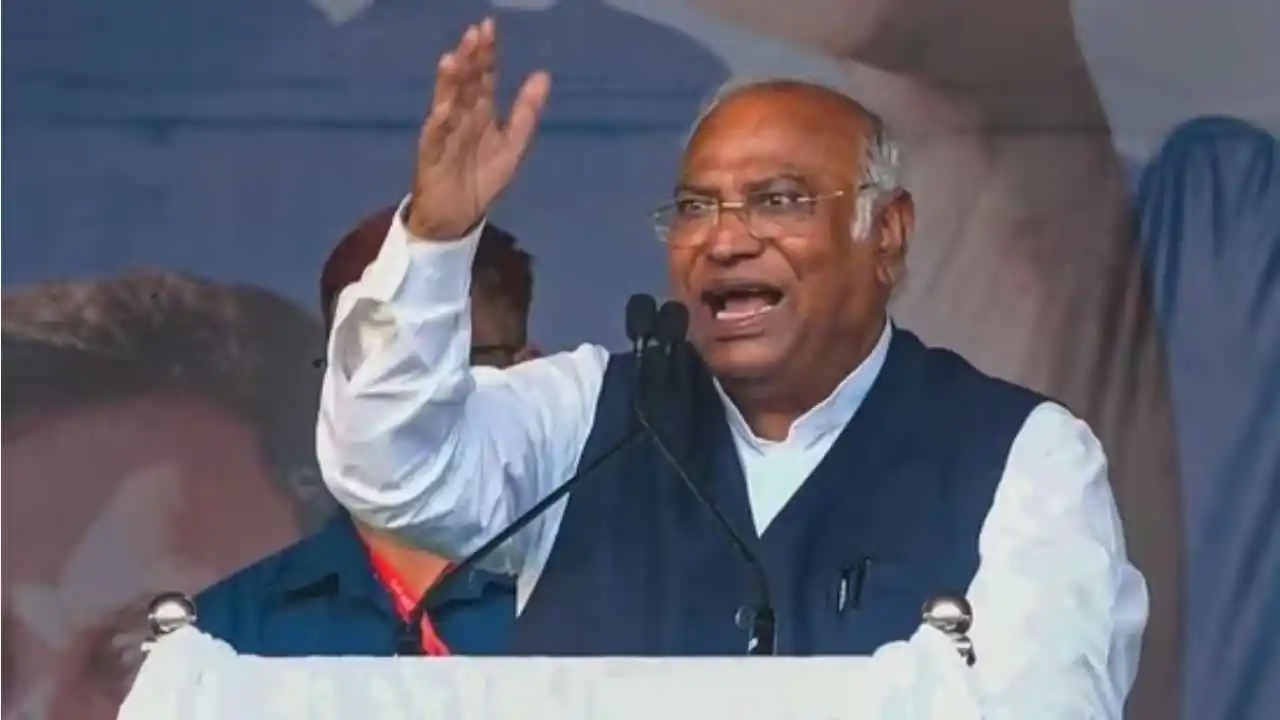
Congress president Mallikarjun Kharge and Leader of Opposition in the Lok Sabha Rahul Gandhi skipped the 80th Independence Day celebrations at Delhi’s Red Fort for the second consecutive year.

Prime Minister Narendra Modi led the Independence Day celebrations at the historic venue on Saturday.

The absence of the two senior Congress leaders comes amid strained relations between the ruling party and the Opposition, which further deteriorated during the Monsoon Session of Parliament that concluded on Thursday.

2024 seating controversy

Rahul Gandhi had attended the Independence Day celebrations in 2024 but his seating arrangement triggered a controversy. The Congress leader, who holds the status of a Cabinet minister as Leader of the Opposition in the Lok Sabha, was seated in the second-last row during the ceremony at the Red Fort.

The Opposition had criticised the seating arrangement, calling it an insult to the people. The Defence Ministry, which organised the event, said the arrangement had been modified to accommodate Olympians at the venue.

According to protocol, the Leader of the Opposition is seated in the front row during ceremonial events.

Opposition-ruling party tensions

Relations between the government and the Opposition remained tense during the Monsoon Session, which ended on Thursday.

The session saw repeated clashes between the two sides, with both the Opposition and the ruling party blaming each other for the low productivity of Parliament.

The session began on July 20, with students marching towards Parliament on the first day. Twelve bills were passed during the session, while detailed discussion took place on only one legislation, concerning paper leaks.

The Congress, along with the Trinamool Congress and Samajwadi Party, also boycotted the customary tea party hosted by Lok Sabha Speaker Om Birla after the House was adjourned sine die.

Continue Reading

India News

PM Modi’s Saptadhara Vision: 7 streams driving India’s next growth phase

PM Modi outlined “Shakti Ki Saptadhara”, identifying seven streams including manufacturing, farming, technology, defence, green energy and soft power.

Published

on

PM modi speech

Prime Minister Narendra Modi, in his Independence Day address from the Red Fort on Saturday, outlined “Shakti Ki Saptadhara”, describing seven key streams that he said can drive India’s next phase of growth and strengthen its journey towards self-reliance and development.

The seven streams identified by the Prime Minister are manufacturing, farming, technology, Gatishakti, Raksha Shakti, green and blue economy, and soft power.

Calling on the country to focus on these areas, PM Modi said the seven streams represent India’s strength and can help the country become more self-reliant.

Manufacturing as the engine of growth

PM Modi called manufacturing the first stream of Saptadhara and stressed the need to significantly strengthen the sector.

He said India needs to produce both components and complete products and should emerge as a key destination in global supply chains.

The Prime Minister highlighted cost, quality and scale as important factors for Indian manufacturers to compete globally. He also stressed the importance of attractive packaging and precision in manufacturing.

Farming and food processing

Agriculture and food processing were identified as the second stream.

PM Modi said global markets are increasingly accessible to Indian farmers and called for greater efforts to take agricultural products from farms to international markets.

He highlighted traditional foods, millets, spices, fruits and vegetables, saying these products should be developed into global brands.

Technology and innovation

Technology and innovation form the third stream of Saptadhara, according to PM Modi.

He highlighted areas such as data centres, robotics and emerging technologies, saying India should aim to become a hub for these sectors.

Referring to the country’s experience with UPI and Digital Public Infrastructure, PM Modi said India has already demonstrated its technological capabilities and must now take the next leap in next-generation communication technology.

He also spoke about the goal of Made-in-India 6G reaching across the country.

Gatishakti and faster connectivity

The fourth stream is Gatishakti, with the Prime Minister stressing the importance of speed and connectivity for India’s growth.

PM Modi called for greater emphasis on roads and expressways to support businesses and said the country needs seamless, high-speed connectivity.

He also highlighted high-speed rail connectivity between cities and port-led development as areas requiring greater focus.

Raksha Shakti and self-reliant defence

Defence is the fifth stream of Saptadhara.

PM Modi called for greater self-reliance in defence manufacturing and highlighted the need to develop advanced technologies in the sector.

He particularly stressed the importance of drone and counter-drone technology, saying India needs to invest in these areas.

The Prime Minister also said India should move beyond being a market for defence equipment and work towards becoming a global supplier by developing next-generation defence technologies.

Green and blue economy

Green energy forms the sixth stream of Saptadhara.

PM Modi called for greater innovation in green energy and said India should aim for global leadership in green hydrogen, renewable energy and energy storage while continuing to contribute solutions to global challenges.

He also highlighted opportunities in the Blue Economy, particularly in fisheries, coastal tourism and ocean technology, saying these areas can create new pathways for India’s growth.

Soft power

Soft power is the seventh stream identified by PM Modi.

He cited Yoga, handicrafts, films, animation, gaming, digital content and the creative sector as examples of India’s soft power.

The Prime Minister also highlighted India’s potential to attract global tourists and called for greater focus on the country’s tourism opportunities, including its national parks and other attractions.

With “Shakti Ki Saptadhara”, PM Modi outlined a broad growth framework covering manufacturing and agriculture, emerging technology, connectivity, defence, sustainable energy, the blue economy and India’s cultural and creative influence.

Continue Reading

Trending

© Copyright 2022 APNLIVE.com