
Top Stories
PM Modi joins 8 MPs for surprise lunch in Parliament Canteen, video goes viral
PM Modi told them he wants to take them out for a punishment.

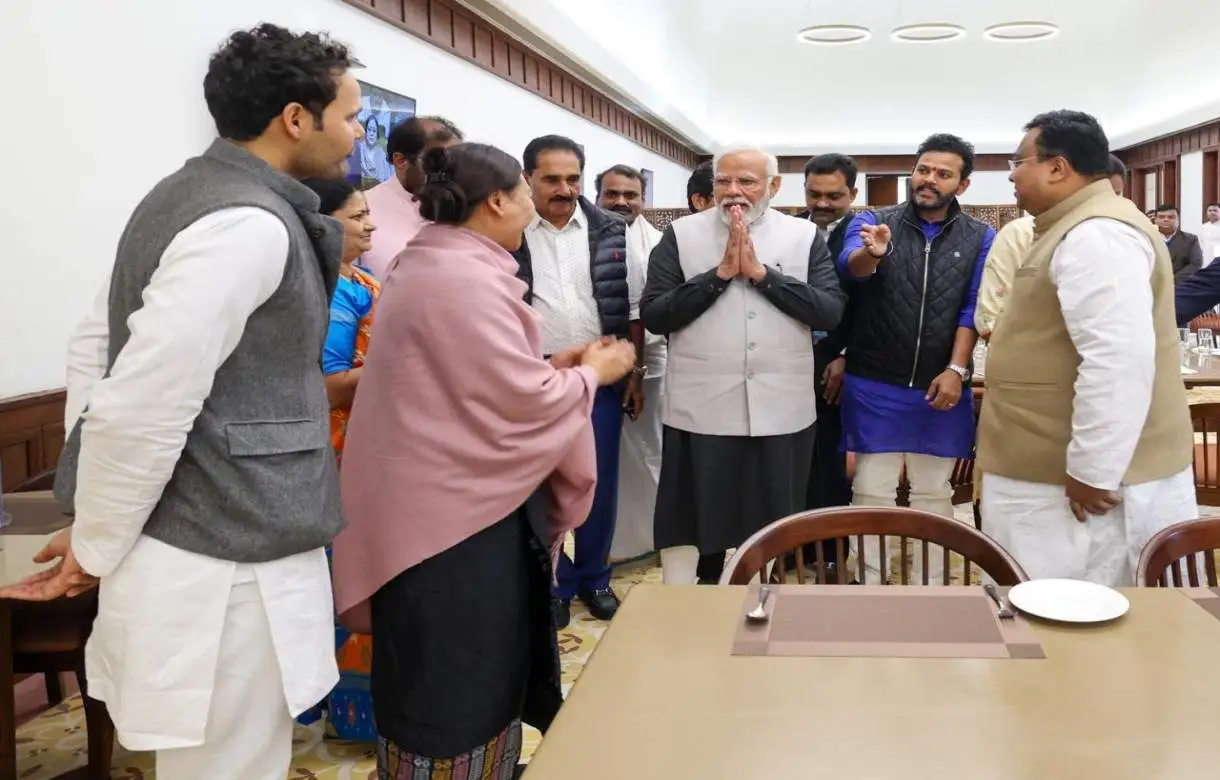
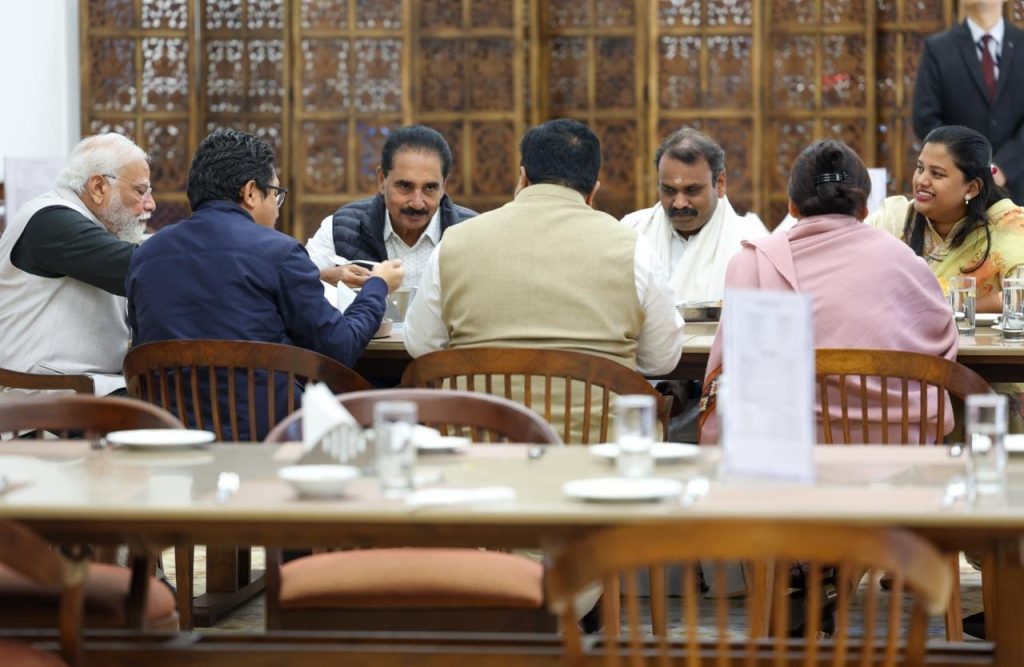
Prime Minister Narendra Modi on Friday joined eight MPs for a surprise lunch in Parliament Canteen. The video has gone viral on the social media platforms.
Taking MPs for a surprise lunch, PM Modi told them he wants to take them out for a punishment. Eight MPs cutting across party lines were told that PM Modi wants to meet them in the Parliament.
Union Minister L Murugan, senior Lok Sabha MP NK Prema Chandran, BJD Rajya Sabha MP Sasmit Batra, TDP MP Ram Mohan Naidu, BSP MP Ritesh Pandey, BJP’s Ladakh MP Jamyang Tsering Namgyal and BJP’s Nagaland S Phangnon Konyak were amongst the MPs.
After having lunch with PM Modi, Murugan said that it was a very special day for all the eight MPs as they had an opportunity to have lunch with PM Modi in the Parliament canteen. Further sharing his experience, he said not just BJP, there were MPs from other parties as well.
PM Modi spoke about his daily routine, he added. The MPs learned from the Prime minister and got inspired, Murugan said. He also said that PM Modi shared his daily routine saying he only sleeps for 3 and half hours and after 6 pm, he doesn’t have any meals.
During a series of serious questions, an MP asked about the Prime Minister’s unannounced visit to Nawaz Sharif’s daughter’s wedding in Pakistan in 2015.
The Prime Minister recalled the events leading up to his surprise visit. He informed that he was in Parliament until 2 PM on that day, after which he left for a scheduled visit to Afghanistan. While returning from Afghanistan, he decided to stop over in Pakistan, but the SPG declined the idea. However, he still called up Sharif and asked if the Pakistan premier was ready to receive him. Once the security arrangements were cleared on both sides, the PM landed in Pakistan.
According to reports, some Members of Parliament (MPs) were curious about Prime Minister Modi’s perspective on the Covid-19 crisis management. During the meeting, PM Modi reportedly shared his experience of handling the situation after the devastating earthquake in Bhuj, Gujarat in 2001. He also mentioned that he was able to utilise that experience to provide assistance to the Nepal government after the April 2015 earthquake that struck the Himalayan nation.







India News
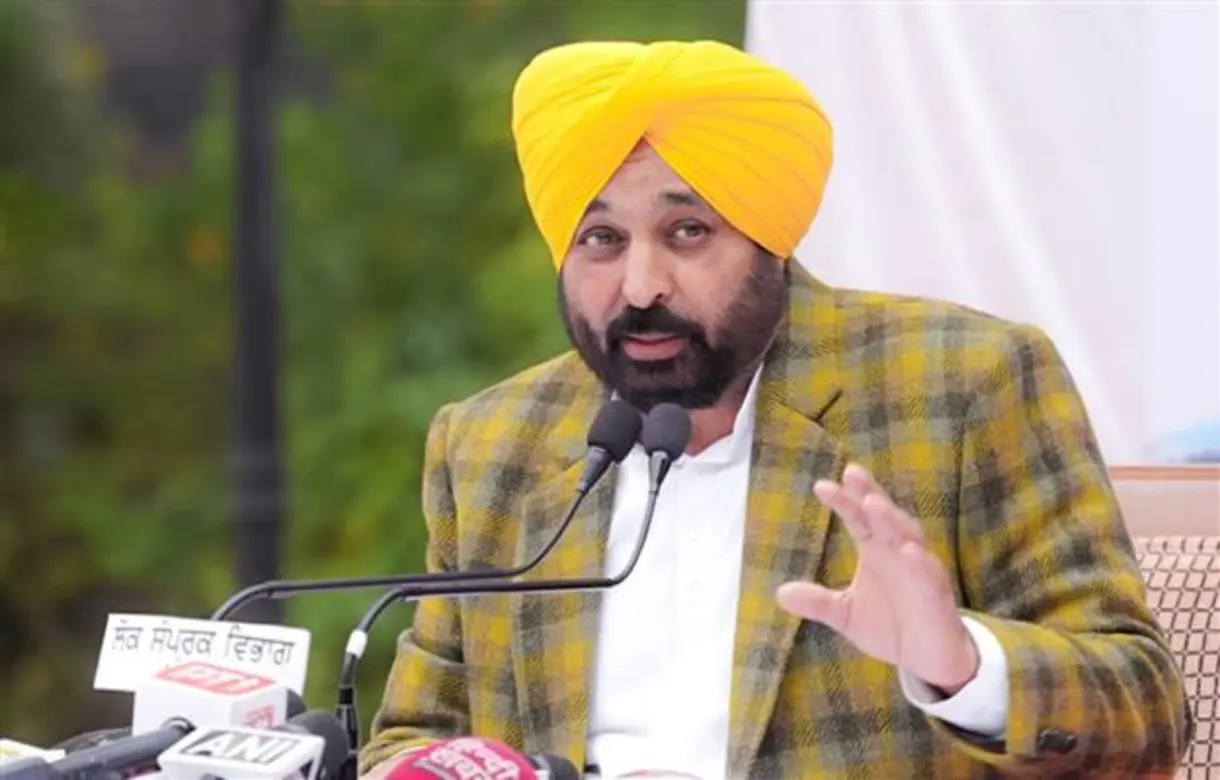
Punjab strike hits public services as 3 lakh employees and roadways workers protest
Punjab is facing disruption to government work and public transport as over three lakh government employees participate in a mass leave protest and roadways workers continue their strike over pending demands.

India News
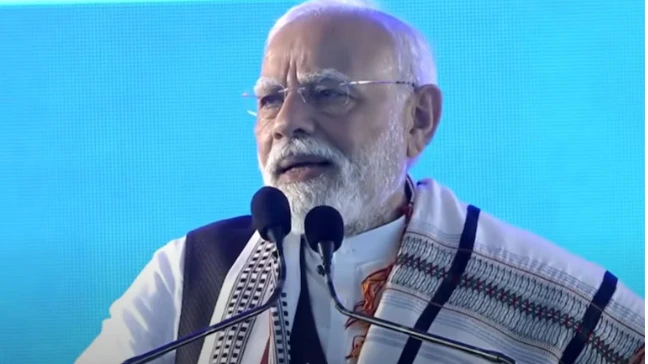
PM Modi attacks Rahul Gandhi with failed product jibe
Prime Minister Narendra Modi targeted Rahul Gandhi at the World Summit with a “failed product” jibe, renewing his criticism of the Congress leader.
India News
Yogi Government cites Rs.15,233 crore seizures in UP gangster crackdown
Uttar Pradesh has reported asset seizures worth Rs.15,233 crore under the Gangsters Act since 2017, while housing projects on reclaimed land have provided homes to 148 families, according to reports on the state’s anti-mafia measures.

Magnitude 7 earthquake strikes Tibet after floods

Yogi Government cites Rs.15,233 crore seizures in UP gangster crackdown

PM Modi attacks Rahul Gandhi with failed product jibe

Amit Shah says congress won’t return to power for 30 years

Punjab strike hits public services as 3 lakh employees and roadways workers protest

Two election commissioners complained against senior poll officer, RTI reveals
Punjab strike hits public services as 3 lakh employees and roadways workers protest
Amit Shah says congress won’t return to power for 30 years
Magnitude 7 earthquake strikes Tibet after floods
PM Modi attacks Rahul Gandhi with failed product jibe

Afghan Men Try To Hang With The Jet Engine Of The Aircraft in Kabul- Afghanistan News – Kabul News
Trending Top 10 News: 10000 Crore Fine on Flipkart, Apple to Launch Unique Feature, Hdfc Bank Job Ad

Trending Top 10 News: Nokia 6310, Apple sales, Bachpan ka Pyar Video Kid, Dainik Bhaskar IT Raid

Trending Top 10 News: Canada bans Indian flights, Rain in Delhi NCR, AIMIM Twitter hacked, Raj Kundra case

Trending Top 10 News: Shein India, Apple New Service, Pocket Oxygen, Oppo Launched New Phone
-
 Latest world news20 hours ago
Magnitude 7 earthquake strikes Tibet after floods
-
 India News23 hours ago
Yogi Government cites Rs.15,233 crore seizures in UP gangster crackdown
-
 India News20 hours ago
PM Modi attacks Rahul Gandhi with failed product jibe
-
 India News19 hours ago
Amit Shah says congress won’t return to power for 30 years
-
 India News8 hours ago
Punjab strike hits public services as 3 lakh employees and roadways workers protest
-
 India News8 hours ago
Two election commissioners complained against senior poll officer, RTI reveals
