
Latest world news
Afghan President Condemns Suicide Bombing On a Shia Mosque


Afghan President Ashraf Ghani has strongly condemned Friday’s suicide bombings at a Shia mosque in Gardez, in Paktia province killing at least 30 civilians and injuring dozens of others calling the criminal attack “an act against Islam.”
According to Kabul based TOLO News, President Ghani said in a statement issued on Saturday, “Such criminal acts of terrorists among our people cannot create religious divisions, because Afghanistan is exemplary in Islamic unity and religious affiliation in the Islamic countries, and this will remain unchanged forever.”
The reports said that the suicide bombers entered Sahib-ul-Zaman Mosque in Khwaja Hassan area in Gardez’s at around 1:20pm local and first opened fire on worshippers before detonating their suicide vests. Sahib-ul-Zaman is one of the titles of the Shia 12th Imam who is considered to be living but remains hidden.
Read More: India condemn terror attack on Sikhs in Afghanistan
Meanwhile, country’s Interior Ministry’s deputy spokesman Nusrat Rahimi said that 20 of those wounded are in critical condition and that the death toll may rise.
As there were civilian houses near the mosque, women and children were among the scores of civilian casualties, according to UN sources.

Meanwhile former President Hamid Karzai has also denounced the deadly terrorist attack saying, “Unfortunately, I have been informed that outsiders as part of their machination against the people of Afghanistan have perpetrated yet another inhumane crime and martyred and harmed dozens of our countrymen during Friday’s congregational prayers,” he said.
United Nation Assistance Mission in Afghanistan (UNAMA) has also condemned the attack by issuing a statement.
Read More: Afghanistan:18 civilians, 3 policemen killed in terror attacks
Tadamichi Yamamoto, the UN secretary general’s special representative for Afghanistan said, “This attack targeting civilians has no possible justification. Those who are responsible for enabling this attack must be brought to justice and held to account.”

Yamamoto’s statement further said: “The attack on Friday is the latest in a pattern of attacks against mosques, particularly Shia religious sites. These brutal and senseless attacks against people at prayer are atrocities. Such attacks directed against congregations and places of worship are serious violations of international law that may amount to war crimes.”
Read More: India joins UN in condemning terror attacks in Afghanistan
Paktia Police Chief Brigadier General Raz Mohammad Mandozai told TOLOnews that the attack happened inside the mosque during Friday prayers. Eyewitnesses said the attackers used hand grenades against worshippers inside the mosque. The Taliban has denied any involvement in the attack.
Read More: Spy chiefs of Russia, China, Iran and Pakistan to counter terror in Afghanistan










Latest world news
Magnitude 7 earthquake strikes Tibet after floods
A magnitude 7 earthquake struck northern Tibet on Thursday, October 22. The tremor came weeks after deadly flash floods and landslides hit the mountainous region near the Nepal-China border. Initial reports did not confirm casualties or damage from the earthquake.


Latest world news
Macron rejects Trump’s immigration claims over France riots
French President Emmanuel Macron criticised Donald Trump and other foreign leaders over their comments on France’s recent unrest. Macron rejected claims that the country was being overrun by migrants and Islamists, calling such assertions false.

Latest world news
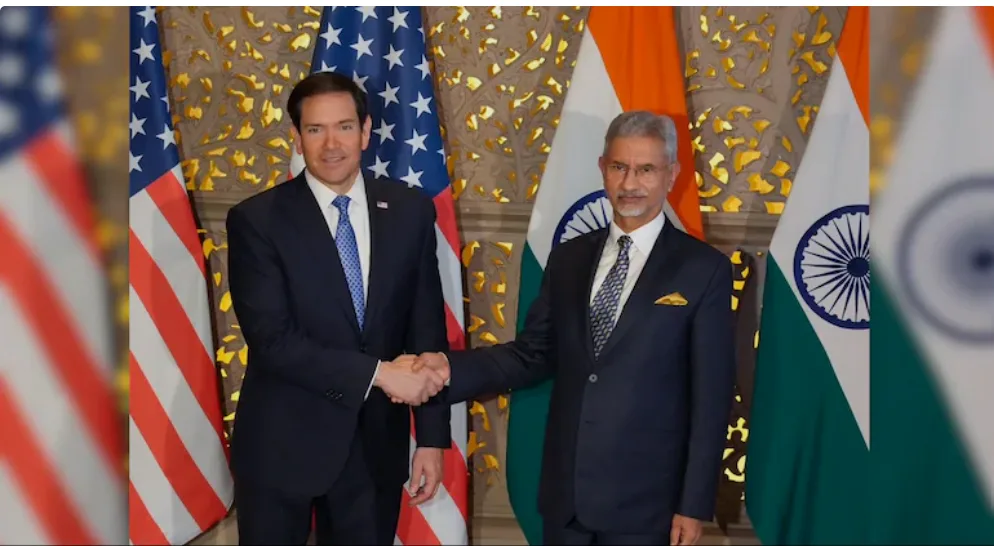
Marco Rubio says India and US share extraordinary alignment on key issues
US Secretary of State Marco Rubio said India and the United States share an extraordinary alignment on core issues, even though disagreements between the two countries may arise.

Magnitude 7 earthquake strikes Tibet after floods

PM Modi attacks Rahul Gandhi with failed product jibe

Amit Shah says congress won’t return to power for 30 years

Punjab strike hits public services as 3 lakh employees and roadways workers protest

Two election commissioners complained against senior poll officer, RTI reveals

PM Modi to inaugurate Rs 169-crore RBI data centre in Odisha on October 25

Om Prakash Mathur sworn in as Keralam Governor
Two election commissioners complained against senior poll officer, RTI reveals
Punjab strike hits public services as 3 lakh employees and roadways workers protest
Amit Shah says congress won’t return to power for 30 years

Afghan Men Try To Hang With The Jet Engine Of The Aircraft in Kabul- Afghanistan News – Kabul News
Trending Top 10 News: 10000 Crore Fine on Flipkart, Apple to Launch Unique Feature, Hdfc Bank Job Ad

Trending Top 10 News: Nokia 6310, Apple sales, Bachpan ka Pyar Video Kid, Dainik Bhaskar IT Raid

Trending Top 10 News: Canada bans Indian flights, Rain in Delhi NCR, AIMIM Twitter hacked, Raj Kundra case

Trending Top 10 News: Shein India, Apple New Service, Pocket Oxygen, Oppo Launched New Phone
-
 Latest world news23 hours ago
Magnitude 7 earthquake strikes Tibet after floods
-
 India News24 hours ago
PM Modi attacks Rahul Gandhi with failed product jibe
-
 India News23 hours ago
Amit Shah says congress won’t return to power for 30 years
-
 India News12 hours ago
Punjab strike hits public services as 3 lakh employees and roadways workers protest
-
 India News11 hours ago
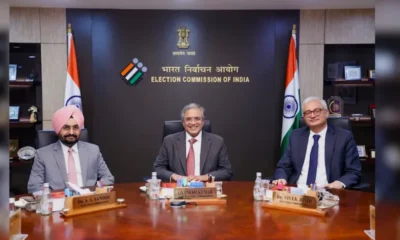
Two election commissioners complained against senior poll officer, RTI reveals
-
 India News38 mins ago
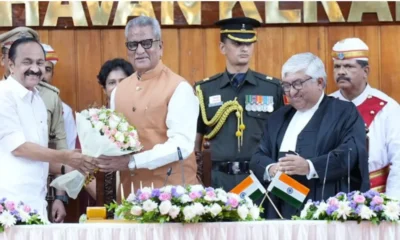
Om Prakash Mathur sworn in as Keralam Governor
-
 India News12 mins ago
PM Modi to inaugurate Rs 169-crore RBI data centre in Odisha on October 25
