English हिन्दी
Connect with us

Latest world news

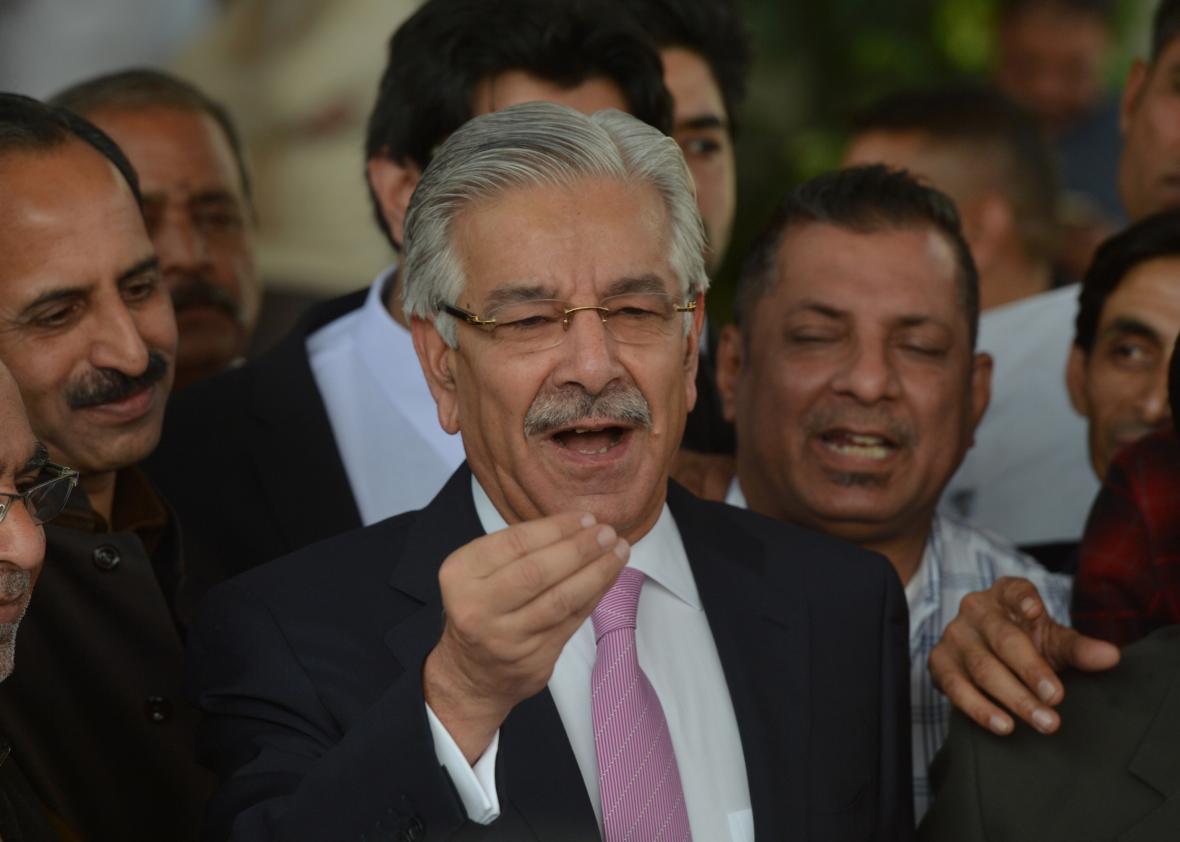
Pak foreign minister Asif sings familiar tune: Blames India for all troubles and hails Pakistan’s peace initiatives

Published

on

[vc_row][vc_column][vc_column_text]In his maiden media interaction after being sworn-in as the first Pak foreign affairs minister since 2013, Khwaja Muhammad Asif predictably blames India for deteriorating relations with Pakistan, alleged India and US are trying to sabotage Indus Waters Treaty

Much on expected lines, Khawaja Muhammad Asif, who joined Pakistan Prime Minister Shahid Khaqan Abbasi’s newly-formed cabinet, on Friday, as the country’s first Foreign Affairs minister since 2013, blamed India for not giving “positive response” to his country’s self-claimed efforts for durable peace in the subcontinent.

Asif, who was on a visit to his hometown of Sialkot in the country’s Punjab province over the weekend, claimed that while Pakistan wanted to have good relations with its neighbours, especially India and Afghanistan, both countries were not giving any positive response to its initiatives.

According to reports in the Pakistani media, Asif accused India and the US of being “involved in an international conspiracy to sabotage the Indus Waters Treaty (IWT)” while claiming that his country “had never been taken into confidence by the international community on all the clauses of the treaty”. The foreign affairs minister, however, failed to provide any ‘evidence’ of how India and the US were attempting the alleged sabotage.

Asif’s comments on the IWT come in the backdrop of the World Bank, and not the US, making it clear last week that as per the clauses of the treaty, India is permitted to construct hydroelectric power facilities on the Jhelum and Chenab rivers. Pakistan opposes the Indian construction of the Kishanganga and Ratle hydroelectric power plants on these rivers.

The minister claimed that Pakistan had effectively taken up the issue of “stoppage of water by India into Pakistani rivers” with the World Bank which had been playing its role as a guarantor in the Indus Water Treaty and that his country wanted “an amicable solution to the problem and was making all-out sincere international efforts to resolve” the continuing crisis.

A report by Pakistan’s leading media outfit, Dawn, quoted Asif as saying: “The issue of construction of the controversial Kishanganga dam had almost been resolved by Pakistan and India about one-and-a-half years ago, but progress on it was halted due to suspension of further talks by India thrice afterwards”.

Toeing a familiar line of the Pakistani establishment over India’s role in Afghanistan, Asif alleged that India was “supporting the conspiracies being hatched by Afghanistan against Pakistan in a bid to destabilise this country economically and politically.” Asif added: “It’s high time for both India and Afghanistan to come forward as good neighbours and give positive response to Pakistan’s peace initiatives and end the blame game”.

In what could be called as a classic case of the pot calling the kettle black, Asif alleged that “India was continuously violating the ceasefire accord by shelling the civilian population along the Line of Control” while asserting that the “defence of Pakistan was in strong hands as its armed forces were capable of defending every inch of the motherland”.[/vc_column_text][/vc_column][/vc_row]

Latest world news

Trump says Iran agrees to never have nuclear weapons, rejects $300 billion fund claim

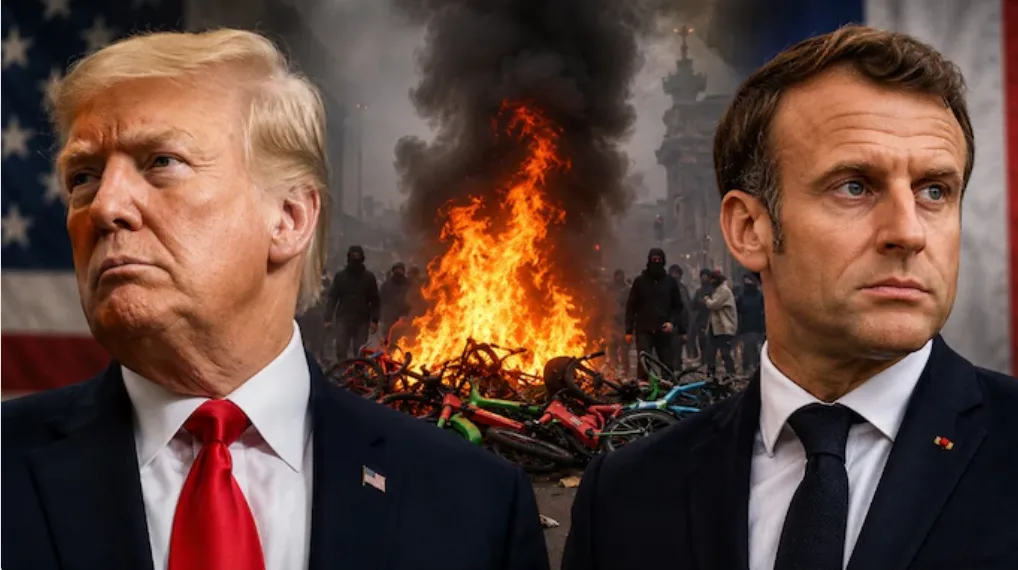
Donald Trump said Iran has agreed to never possess nuclear weapons under a proposed framework, while dismissing reports that the US would provide Tehran with a $300 billion reconstruction fund.

Published

on

Donald Trump statement

US President Donald Trump has said that Iran has agreed to a commitment that it will never develop or possess nuclear weapons, describing it as a central element of a proposed understanding between Washington and Tehran.

Speaking about the ongoing diplomatic efforts, Trump also rejected reports suggesting that the United States planned to provide Iran with a reconstruction or investment package worth $300 billion. He described such claims as false and said no such arrangement had been agreed.

The remarks come as discussions continue over a broader framework aimed at easing tensions between the two countries. According to Trump, the understanding would ensure that Iran remains without nuclear weapons while opening the door for future engagement if the terms are respected.

Questions remain over final agreement details

Despite Trump’s comments, several aspects of the proposed arrangement remain unclear because the full text of the agreement has not yet been made public.

Reports indicate that negotiations have involved discussions on sanctions relief, access to frozen assets and potential economic measures linked to Iran’s compliance with future commitments. However, the exact scope of these provisions has not been officially confirmed.

Another key issue is how compliance would be monitored. Details regarding inspections, verification mechanisms and the handling of Iran’s existing nuclear materials have yet to be fully explained.

Further negotiations expected

Officials have suggested that discussions on technical nuclear matters could continue even after the signing of an initial memorandum of understanding. Such talks would likely focus on implementation and verification measures.

The proposed framework is being closely watched internationally, as any agreement between the United States and Iran could have significant implications for regional stability and global non-proliferation efforts.

For now, Trump has maintained that the core objective remains clear: ensuring that Iran never acquires a nuclear weapon while denying reports that Washington has committed to a multibillion-dollar reconstruction fund.

Continue Reading

LATEST SPORTS NEWS

USA start FIFA World Cup 2026 with dominant 4-1 victory over Paraguay

The USA opened their FIFA World Cup 2026 journey with a dominant 4-1 victory against Paraguay, earning three valuable points in Group D.

Published

on

The United States kicked off their FIFA World Cup 2026 campaign in impressive fashion, securing a commanding 4-1 victory over Paraguay in their Group D opener at SoFi Stadium in Los Angeles.

Playing in front of a passionate home crowd, the hosts delivered an attacking display to collect all three points and make an early statement in the tournament. The match also marked a significant occasion as the USA hosted part of the World Cup opening festivities before turning attention to the action on the pitch.

The Americans took control early and maintained pressure on Paraguay throughout the contest. Their attacking movement and clinical finishing helped them establish a comfortable lead, while Paraguay struggled to contain the hosts’ pace and creativity in the final third.

USA seize control after fast start

The United States settled quickly and found success going forward, creating several opportunities through quick passing and aggressive pressing. Their attacking approach paid off as they built momentum and gradually stretched Paraguay’s defence.

Paraguay attempted to respond and managed to get on the scoresheet, but the South American side found it difficult to match the intensity shown by the hosts. The USA continued to create chances and added further goals to put the result beyond doubt.

With the victory, the United States moved to the top section of Group D and gained an important boost in confidence ahead of their upcoming fixtures in the tournament.

Strong opening result for hosts

A winning start is particularly important in a World Cup campaign, and the USA achieved exactly that with a comprehensive performance. The result gives the hosts valuable momentum as they prepare for the next stage of group play.

For Paraguay, the defeat means they will need a strong response in their remaining group matches to keep their hopes of progressing to the knockout rounds alive.

The FIFA World Cup 2026 is being jointly hosted by the United States, Canada and Mexico, with the tournament featuring an expanded format and more participating teams than previous editions.

Continue Reading

Latest world news

Jaishankar raises deaths of three Indian sailors with Marco Rubio, lodges strong protest

External Affairs Minister S Jaishankar conveyed India’s strong protest to US Secretary of State Marco Rubio over an attack that killed three Indian sailors, stressing that lethal action against commercial shipping is unjustified.

Published

on

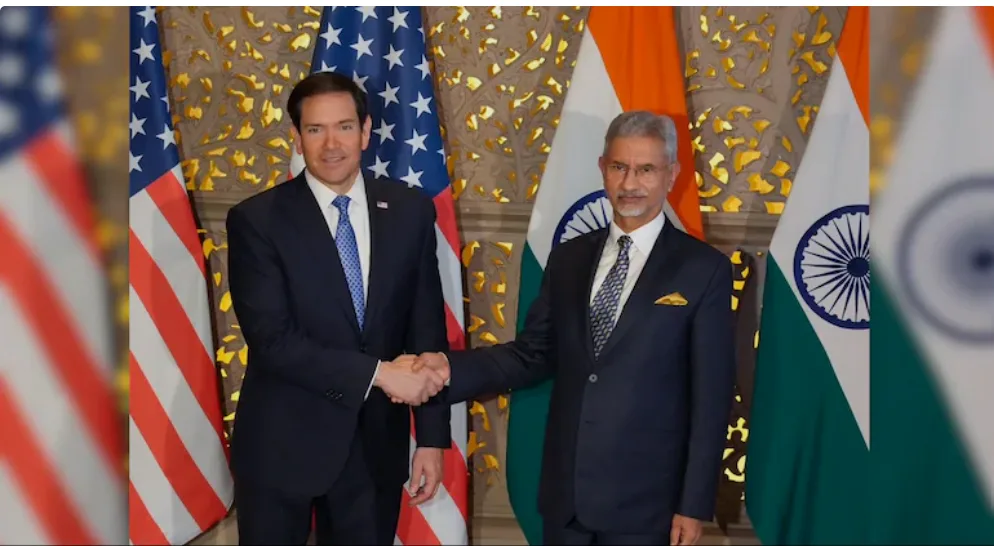
External Affairs Minister S. Jaishankar on Saturday spoke with Marco Rubio and conveyed India’s strong protest over recent attacks on commercial vessels in the Gulf that resulted in the deaths of three Indian sailors.

According to reports, Jaishankar told Rubio that the use of lethal force against commercial shipping was not justified and underlined India’s serious concerns regarding the safety of civilian seafarers operating in the region. The conversation came days after three Indian mariners were killed in an attack on the Palau-flagged tanker Settebello near the Oman coast.

The incident has triggered diplomatic engagement between New Delhi and Washington. India had earlier summoned a senior US diplomat to register its concerns and seek accountability following the attack. The Ministry of External Affairs has emphasized that actions endangering civilian shipping undermine maritime safety and stability in a strategically important region.

India reiterates concern over maritime safety

India has stressed the importance of protecting civilian seafarers and ensuring the security of international maritime commerce. Officials have expressed concern over multiple incidents involving Indian crew members in West Asian waters in recent days.

The deaths of the three sailors have also sparked calls within India for stronger diplomatic efforts to safeguard Indian nationals working aboard commercial vessels in conflict-affected maritime zones.

Background of the incident

The attack involved the tanker Settebello, which was operating near Oman when it was struck during ongoing tensions linked to the conflict involving Iran and maritime operations in the Gulf region. Initial reports indicated that Indian crew members were among those affected, and later confirmations established that three Indian sailors had died in the incident.

India has maintained that civilian shipping should not become a target and has continued diplomatic outreach to ensure the safety and welfare of Indian seafarers working across global shipping routes.

Continue Reading

Trending

© Copyright 2022 APNLIVE.com