
Latest world news
Saudi Prince ask US to rethink on Iran-N deal


MBS ask US to act before “bullet reach to your head”
Continuing its pressure on US on Iran nuclear deal, Saudi Arabia’s Crown Prince Mohammed Bin Salman, also known as MBS in western capitals, has reiterated the need for the US to “rethink its nuclear deal with Iran” and warned that “the agreement would delay but not prevent Tehran from acquiring nuclear weapons”.
Al-Arabiya, quoted New York Times reporting on Tuesday that powerful Crown Prince said, “Delaying it and watching them getting that bomb that means you are waiting for the bullet to reach your head… so you have to move from today”.
Read More: Donald Trump Facing Isolation on Iran Nuclear Compliance
While commenting on recent Houthi missile attack on Saudi soil, MBS said that it was nothing more than a “last-ditch effort”. Saudi Arabia alleges Iran for supplying missiles to the Houthi Ansarullah movement of Yemen facing Riyadh-led coalition campaign since 2015.
Read More: Iran rejects Saudi Arabia allegation of supplying missiles to Houthis
Meanwhile, Saudi Crown Prince met with UN Secretary General Antonio Guterres on Tuesday evening and discussed several Arab issues including situation in Yemen and Syrian crisis.
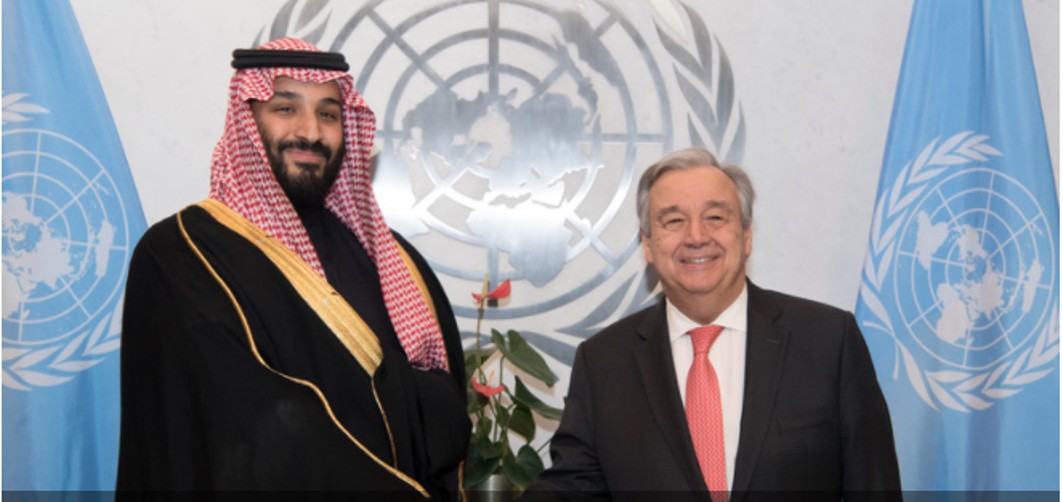 In a contradictory move to Saudi blockade of Yemen, MBS presented previously pledged donation to UN Secretary General for humanitarian efforts in Yemen. Al-Arabia reports that Saudi Arabia and UAE have given $ 930 million to UN humanitarian efforts. Guterres thanked Saudi Crown Prince for the contribution to alleviating what the UN calls the “world’s worst humanitarian crisis” with 22 million people needing aid.
More than 14,000 people have been killed since the beginning of the Saudi-led coalition military campaign against Yemen in March 2015. Much of the country’s infrastructure, including hospitals, schools and factories, has been reduced to rubble.
Read More: Saudi Arabia claims intercepting Yemen’s Houthi missiles
According to a recent report released by Yemen’s Ministry of Human Rights, the ongoing Saudi-led campaign has killed and injured over 600,000 civilians, including more than a quarter of a million children.
More than 247,000 children have lost their lives due to severe malnutrition, and 17,608 civilians have died because of inability to travel abroad to seek medical treatment.
Read More: EU: US to lose trust if Washington withdraws from Iran N-deal
Jogn Ging, the UN director of aid operations told Security Council on February 27, “After three years of conflict, conditions in Yemen are catastrophic”.







Latest world news
Magnitude 7 earthquake strikes Tibet after floods
A magnitude 7 earthquake struck northern Tibet on Thursday, October 22. The tremor came weeks after deadly flash floods and landslides hit the mountainous region near the Nepal-China border. Initial reports did not confirm casualties or damage from the earthquake.


Latest world news
Macron rejects Trump’s immigration claims over France riots
French President Emmanuel Macron criticised Donald Trump and other foreign leaders over their comments on France’s recent unrest. Macron rejected claims that the country was being overrun by migrants and Islamists, calling such assertions false.

Latest world news
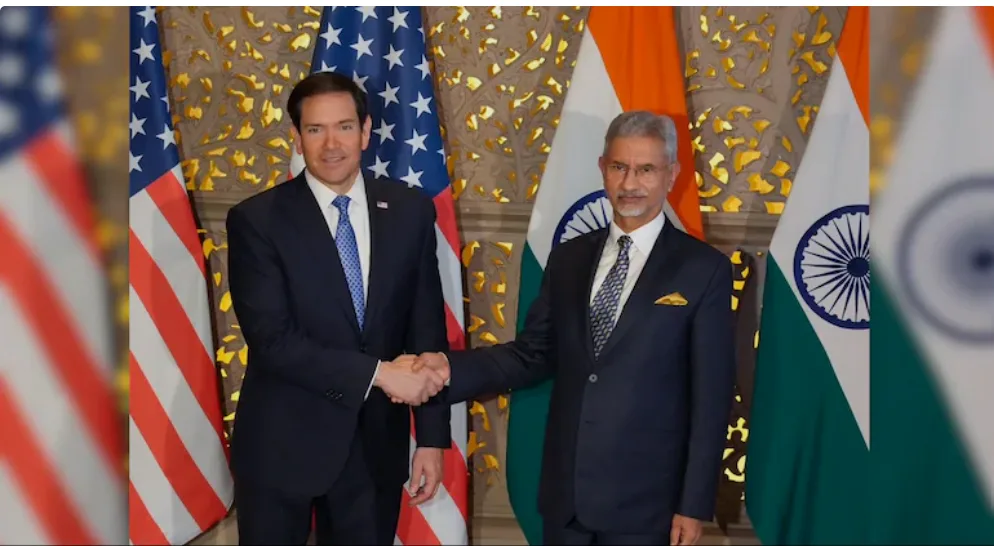
Marco Rubio says India and US share extraordinary alignment on key issues
US Secretary of State Marco Rubio said India and the United States share an extraordinary alignment on core issues, even though disagreements between the two countries may arise.

Punjab strike hits public services as 3 lakh employees and roadways workers protest

Two election commissioners complained against senior poll officer, RTI reveals

Om Prakash Mathur sworn in as Keralam Governor

PM Modi to inaugurate Rs 169-crore RBI data centre in Odisha on October 25

Delhi High Court rejects Neha Bora’s plea against peace bond notice

MEA responds after ITBP chief flags ongoing face-offs with China in Arunachal
Delhi High Court rejects Neha Bora’s plea against peace bond notice
PM Modi to inaugurate Rs 169-crore RBI data centre in Odisha on October 25
Om Prakash Mathur sworn in as Keralam Governor
Two election commissioners complained against senior poll officer, RTI reveals

Afghan Men Try To Hang With The Jet Engine Of The Aircraft in Kabul- Afghanistan News – Kabul News
Trending Top 10 News: 10000 Crore Fine on Flipkart, Apple to Launch Unique Feature, Hdfc Bank Job Ad

Trending Top 10 News: Nokia 6310, Apple sales, Bachpan ka Pyar Video Kid, Dainik Bhaskar IT Raid

Trending Top 10 News: Canada bans Indian flights, Rain in Delhi NCR, AIMIM Twitter hacked, Raj Kundra case

Trending Top 10 News: Shein India, Apple New Service, Pocket Oxygen, Oppo Launched New Phone
-
 India News14 hours ago
Punjab strike hits public services as 3 lakh employees and roadways workers protest
-
 India News14 hours ago
Two election commissioners complained against senior poll officer, RTI reveals
-
 India News3 hours ago
Om Prakash Mathur sworn in as Keralam Governor
-
 India News3 hours ago
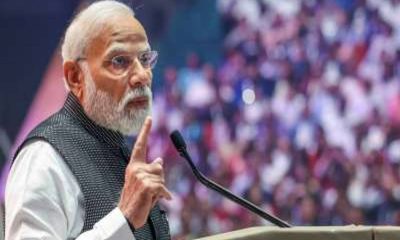
PM Modi to inaugurate Rs 169-crore RBI data centre in Odisha on October 25
-
 India News2 hours ago
Delhi High Court rejects Neha Bora’s plea against peace bond notice
-
 India News1 hour ago
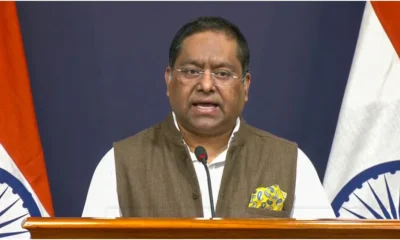
MEA responds after ITBP chief flags ongoing face-offs with China in Arunachal
