
Latest world news
Sri Lanka denies report on RAW plot to assassinate President Sirisena


The office of Sri Lankan President has, on Wednesday, denied the reports in certain media outlets that Sirisena claimed that Indian spy agency Research and Analysis Wing (RAW) was “trying to kill him” by Prime Minister Narendra Modi “may not be aware of the plan”.
Sri Lankan President Maithripala Sirisena on Tuesday reportedly mentioned during a cabinet meeting in Colombo that RAW was plotting his assassination. Source present in the said meeting broke the news to some Indian journalists.
The allegations against the alleged Indian plot came days ahead of Sri Lankan Prime Minister Ranil Wickermensinghe’s scheduled meeting with Prime Minister Narendra Modi in New Delhi. Observers believe this could be aimed to damage ties between the two neighboring countries.
Read More: Buddhist-Muslim clashes continue in Sri Lanka
Earlier report said that during the cabinet meeting, President Sirisena accused the government of showing “indifference” to an alleged assassination plan against him.

Namal Kumara of an anti-corruption outfit had recently claimed of an assassination plan against Sirisena and Gotabaya Rajpaksa, the former defense secretary which led to arrest of M. Thomas, an Indian national from Kerala.
During the cabinet meeting President Sirisena reiterated his suspicion that Thomas must “be a RAW agent” sent to kill him. He reportedly said, “The Indian PM may not be aware. That is often the case. Trump may not be aware of CIA’s similar moves”.
Read More: Sri Lanka cabinet reshuffle: Arjuna Ranatunga gets petroleum ministry
This is not the first time that a Sri Lankan leader has alleged Indian’s involvement their internal affairs. Former President Mahindra Rajapaksa had alleged was RAW for his defeat in 2015 elections.







Latest world news
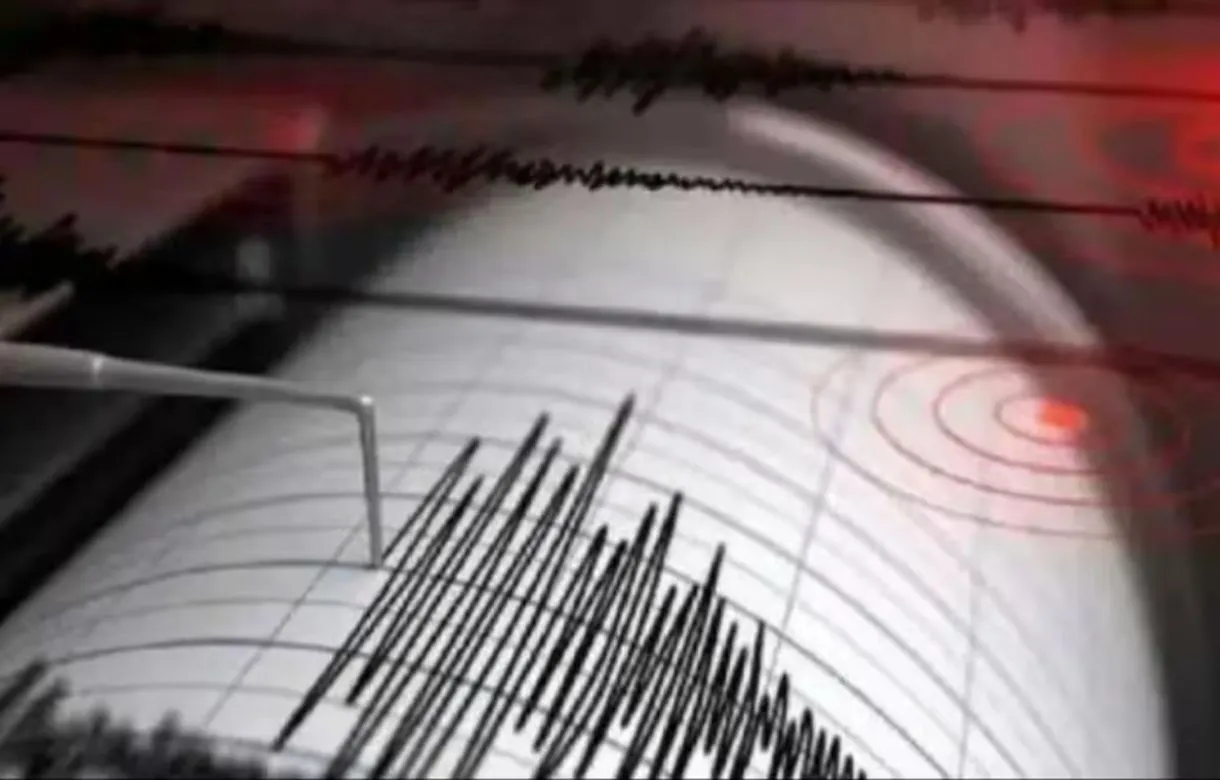
Magnitude 7 earthquake strikes Russia’s Kamchatka Peninsula
A magnitude 7 earthquake struck Russia’s Kamchatka Peninsula region on Friday. The initial report placed the earthquake at a depth of 140 kilometres.

Latest world news
S Jaishankar says India is a natural option for Russia amid Europe tensions
External Affairs Minister S Jaishankar said India remained a natural option for Russia as Moscow increasingly turned towards Asia amid strained relations with Europe. He highlighted the continuity of India-Russia ties and their significance for the balance of power in Asia.

Latest world news
Putin praises PM Modi, says he has very good ideas on Ukraine war
Russian President Vladimir Putin has praised Prime Minister Narendra Modi for repeatedly raising the need to end the Ukraine war, describing his ideas for a settlement as “very good”.

Election Commission orders voter roll revision in 17 states, UTs

Delhi Police offers 11-person limit for CJP’s Connaught Place protest

Actor Imran Khan asked to leave India after CJP protest

Magnitude 7 earthquake strikes Russia’s Kamchatka Peninsula

Mallikarjun Kharge’s ‘Your Friends’ jab at Rahul Gandhi over congress exits

Abhijeet Dipke detained ahead of CJP’s national flag march in Delhi
Magnitude 7 earthquake strikes Russia’s Kamchatka Peninsula

Delhi deploys 25,000 personnel, installs CCTV cameras ahead of CJP march
Mallikarjun Kharge’s ‘Your Friends’ jab at Rahul Gandhi over congress exits
Delhi Police offers 11-person limit for CJP’s Connaught Place protest

Afghan Men Try To Hang With The Jet Engine Of The Aircraft in Kabul- Afghanistan News – Kabul News
Trending Top 10 News: 10000 Crore Fine on Flipkart, Apple to Launch Unique Feature, Hdfc Bank Job Ad

Trending Top 10 News: Nokia 6310, Apple sales, Bachpan ka Pyar Video Kid, Dainik Bhaskar IT Raid

Trending Top 10 News: Canada bans Indian flights, Rain in Delhi NCR, AIMIM Twitter hacked, Raj Kundra case

Trending Top 10 News: Shein India, Apple New Service, Pocket Oxygen, Oppo Launched New Phone
-
 India News23 hours ago
Election Commission orders voter roll revision in 17 states, UTs
-
 India News21 hours ago
Delhi Police offers 11-person limit for CJP’s Connaught Place protest
-
 India News23 hours ago
Actor Imran Khan asked to leave India after CJP protest
-
 Latest world news9 hours ago
Magnitude 7 earthquake strikes Russia’s Kamchatka Peninsula
-
 India News10 hours ago
Mallikarjun Kharge’s ‘Your Friends’ jab at Rahul Gandhi over congress exits
-
 India News10 hours ago
Delhi deploys 25,000 personnel, installs CCTV cameras ahead of CJP march
-
 India News22 mins ago
Abhijeet Dipke detained ahead of CJP’s national flag march in Delhi
