
Latest world news
Syria: Douma cleared of armed group, Damascus controls Eastern Ghouta


Russia declares complete Syrian control over the enclave
Amidst fear of triggering war between US and Russia over situation in Syria, Bashar al-Assad army has taken full control over the city of Douma which was held by the Jaish al-Islam armed group leading to having entire Eastern Ghouta under the control of government forces.
According to Russian official news agency TASS, Yuri Yevtushenko, the chief of the Russian centre for reconciliation of the warring parties in Syria said on Thursday that Bashar al-Assad forces have succeeded in taking full control over Eastern Ghouta after Jaish al-Islam armed group was bussed out of Douma.
“Today saw a landmark event in Syria’s history. A state flag hoisted on the Douma building heralded control over this settlement and, hence, over entire Eastern Ghouta,” he said.
According to Yevtushenko, Russian military police units will be deployed in Douma following its liberation from militants to maintain law and order during its transition under control of Syria’s legitimate government.
 Under the recent deal between Jaish al-Islam and Russian army, Syrian forces were to be kept away while evacuating the armed groups and the civilians. The militants were sent to the areas under anti-government forces control. Civilian hostages were released by the group.
Read More: US-Russia tension escalates at UN, warplanes in Syria skies
Earlier on Wednesday Yevtushenko said that about 4,000 militants and members of their families had left the city during the past day, surrendering more than 400 pieces of weaponry, including large-caliber machineguns, grenade launchers, sniper and assault rifles.
The report said that since late February, more than 41,000 people have left Douma, and more than 165,000 from all Eastern Ghouta areas. As many as 250 hostages kept by militants have been released as well.
Earlier on Wednesday morning US President Donald Trump told Russia to prepare for “nice and new and smart” missile attacks in Syria after an alleged gas attack on the last rebel stronghold in the country.
Russia vows to shoot down any and all missiles fired at Syria. Get ready Russia, because they will be coming, nice and new and “smart!” You shouldn’t be partners with a Gas Killing Animal who kills his people and enjoys it!
— Donald J. Trump (@realDonaldTrump) April 11, 2018
Meanwhile, London based The Telegraph has reported on Wednesday that strikes against the government of Syrian President Bashar al-Assad “could begin as early as Thursday night.”
British Prime Minister Theresa May has not yet reached a final decision to join forces with US and France against Syria. However, she has ordered British submarines to move within missile range to Syria to be ready for possible strikes.
This was considered to be in response to Russian ambassador to Lebanon Alexander Zasypkin’s statement who said in an interview on Tuesday with Hezbolah owned al-Manar TV that “If there is a US missile attack, we- in line with both Putin and Russia’s chief of staff remarks will shoot down US rockets and even the source that launched the missiles”.
 In the related latest development, US President Donald Trump and his Turkish counterpart Recep Tayyip Erdogan held a phone call late on Wednesday and discussed the latest development in Syria.
According to Turkish Presidential sources the two leaders “exchanged views on the latest developments in Syria”. White House brief readout also said that the two leaders agreed “to stay in close contact about the subject”.
Read More: Russia MP warns of tit-for-tat steps if US strike Syria
Earlier on Wednesday, Turkish Premier Binali Yidrim told Russia and US to “end their street fighting” over Syria, saying it was time to put aside rivalry the “risked harming civilians”.










Latest world news
Top US counterterrorism official resigns over Iran war, cites conscience
Joseph Kent steps down as US counterterrorism chief, questioning the justification for the Iran war and citing moral concerns.


Latest world news
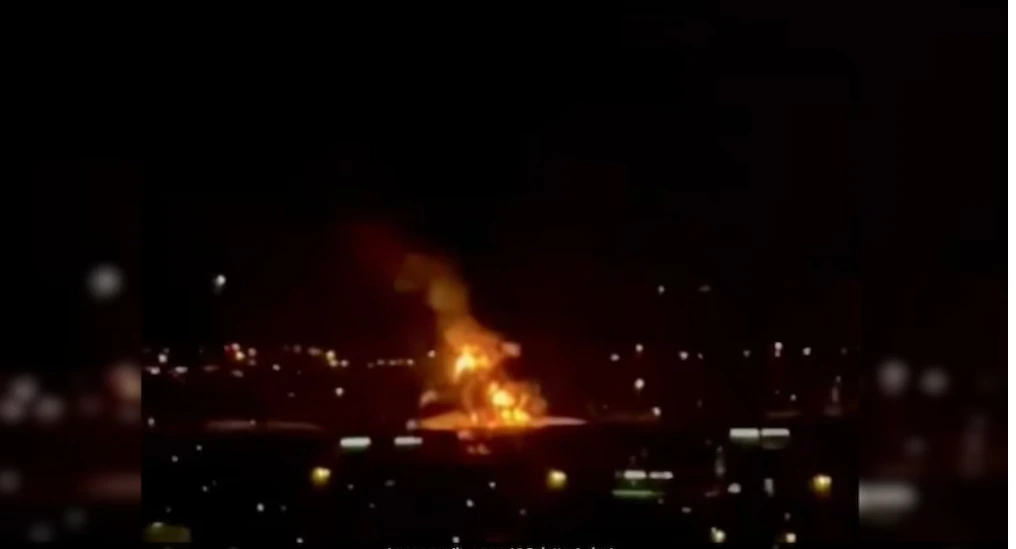
Fire near Dubai International Airport after drone incident, flights temporarily suspended
Flights at Dubai International Airport were temporarily suspended after a drone-related incident caused a fuel tank fire near the facility. Authorities confirmed the blaze was contained and no injuries were reported.
Latest world news
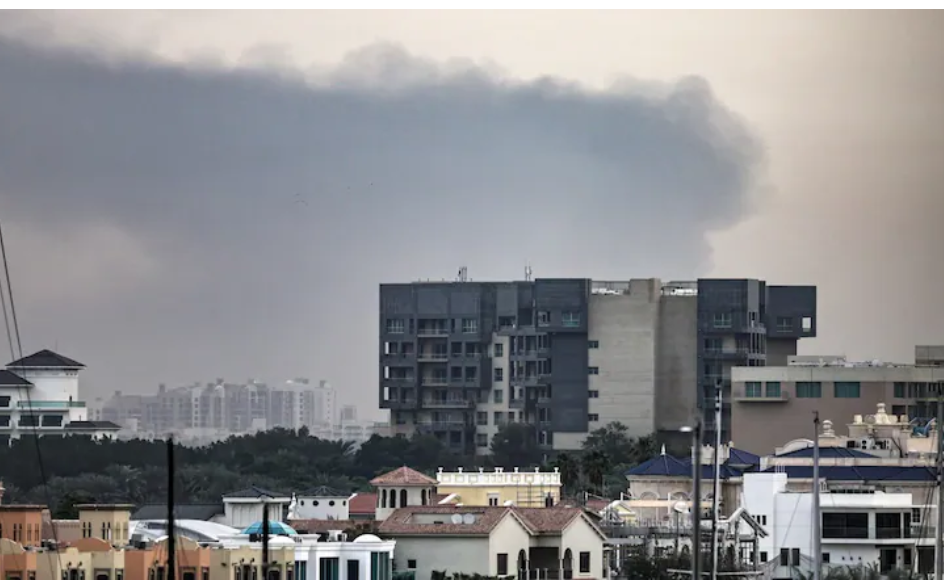
Dubai hit again within 24 hours as debris strikes building, drone targets US embassy in Baghdad
A building in Dubai’s financial hub was struck by debris from an intercepted attack while a drone targeted the US embassy in Baghdad, officials said.

Om Birla likely to move motion to revoke suspension of 8 opposition MPs today

Pakistan airstrike allegations on Kabul hospital leave hundreds dead, claims Taliban

Mamata Banerjee writes to poll chief over officers’ reshuffle, calls move arbitrary

Maharashtra passes freedom of religion bill with jail term up to 10 years
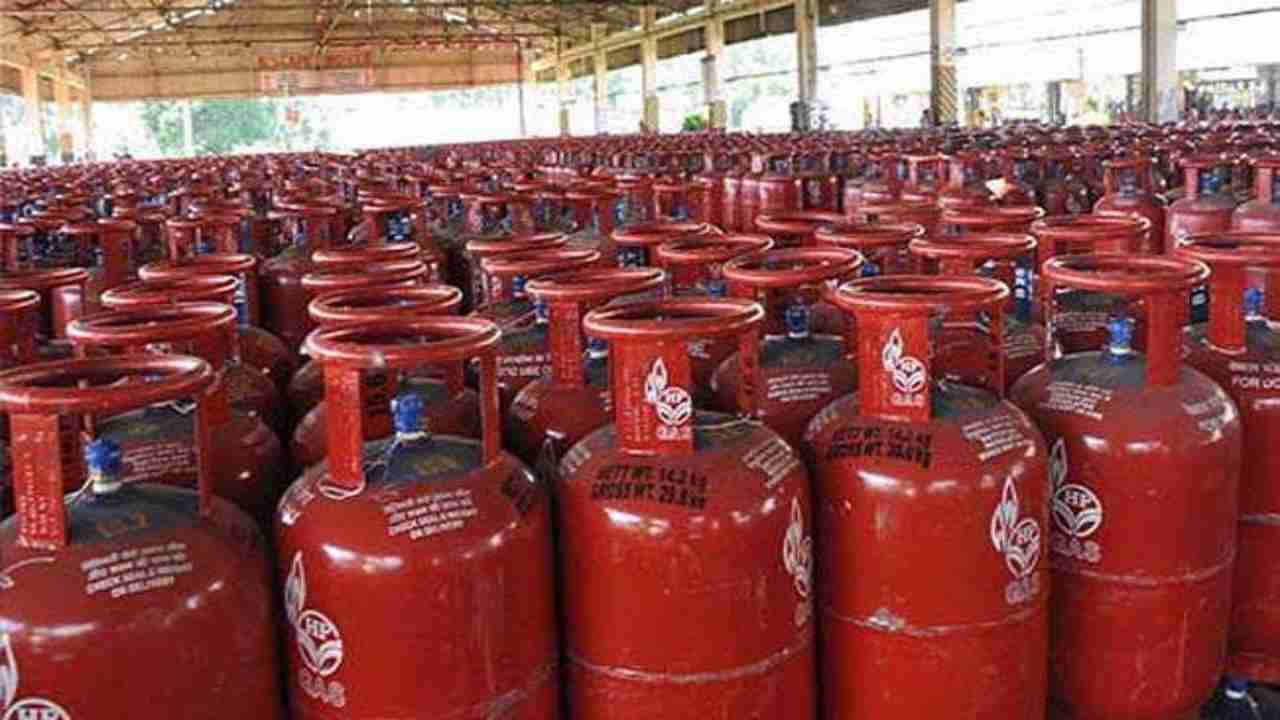
Centre assures action on LPG supply disruption, court closes distributors’ plea

Top US counterterrorism official resigns over Iran war, cites conscience

Mamata Banerjee warns BJP, EC over Bengal polls, says they will be accountable
Centre assures action on LPG supply disruption, court closes distributors’ plea
Om Birla likely to move motion to revoke suspension of 8 opposition MPs today
Maharashtra passes freedom of religion bill with jail term up to 10 years

Afghan Men Try To Hang With The Jet Engine Of The Aircraft in Kabul- Afghanistan News – Kabul News
Trending Top 10 News: 10000 Crore Fine on Flipkart, Apple to Launch Unique Feature, Hdfc Bank Job Ad

Trending Top 10 News: Nokia 6310, Apple sales, Bachpan ka Pyar Video Kid, Dainik Bhaskar IT Raid

Trending Top 10 News: Canada bans Indian flights, Rain in Delhi NCR, AIMIM Twitter hacked, Raj Kundra case

Trending Top 10 News: Shein India, Apple New Service, Pocket Oxygen, Oppo Launched New Phone
-
 India News16 hours ago
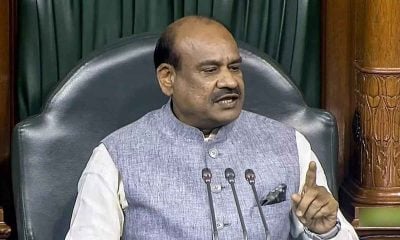
Om Birla likely to move motion to revoke suspension of 8 opposition MPs today
-
 India News17 hours ago
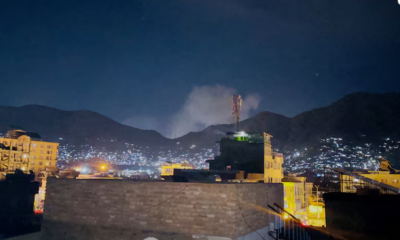
Pakistan airstrike allegations on Kabul hospital leave hundreds dead, claims Taliban
-
 India News17 hours ago
Mamata Banerjee writes to poll chief over officers’ reshuffle, calls move arbitrary
-
 India News17 hours ago
Maharashtra passes freedom of religion bill with jail term up to 10 years
-
India News8 hours ago
Centre assures action on LPG supply disruption, court closes distributors’ plea
-
 India News6 hours ago
Mamata Banerjee warns BJP, EC over Bengal polls, says they will be accountable
-
 Latest world news6 hours ago
Top US counterterrorism official resigns over Iran war, cites conscience
