English हिन्दी
Connect with us

Latest world news

Twitter logo changes to Doge meme, users pour in amusing takes

The frantic and unexpected decision taken by the Twitter CEO had left the internet in splits as many rushed in to add their amusing takes on the new Twitter logo while some of them were surprised it is even real.


Published

on

Twitter logo

The Twitter world was taken by surprise as the official Twitter logo of the blue Twitter bird was replaced with the ‘doge’ meme on Monday night. As some questioned if it was really happening, Twitter CEO Elon Musk came forward and established that the Doge meme will be the new Twitter logo by sharing a screenshot.

Musk shared a screenshot of a Twitter thread where a user had asked him to buy Twitter and replace the bird logo with the ‘doge’ meme. The Twitter CEO in his tweet suggested that he delivered as promised.

See Tweet here:

The frantic and unexpected decision taken by the Twitter CEO had left the internet in splits as many rushed in to add their amusing takes on the new Twitter logo while some of them were surprised it is even real. One user, after witnessing the new Twitter logo, wrote and asked other users if anyone also noticed that they changed the Twitter logo to a doge or am I the first one.
Read Also: Navjot Singh Sidhu security reduced, hits out at CM Bhagwant Mann over law and order situation in Punjab

One user, shocked to see the new Twitter logo, wrote if there is a dog as a Twitter logo or if they are on drugs, implying that seeing a dog as the Twitter logo is the most unexpected thing ever and such a drastic change can make one feel if they are hallucinating.

One user wrote that they still can’t get into their account, however, what is amusing is that they can see a funny epic doge instead of the Twitter logo.

One user wrote and slammed the new change as the user said and asked why is the Twitter logo now a Doge meme. The user further wrote that the meme has been dead for almost a decade now.

https://twitter.com/nswipeeeeee/status/1642943182861221889?s=20

One user also wrote shared a meme that the popularity of dogs will drastically change after the Twitter logo has been changed.

West Bengal CM Mamata Banerjee blames BJP for communal violence, says central forces stayed in five-star hotels to instigate riots

NCERT removes chapters on Mughal Empire from Class 12 History syllabus, check the list of chapters removed

Latest world news

Trump reportedly rebukes Netanyahu over Lebanon strikes amid ceasefire concerns

Published

on

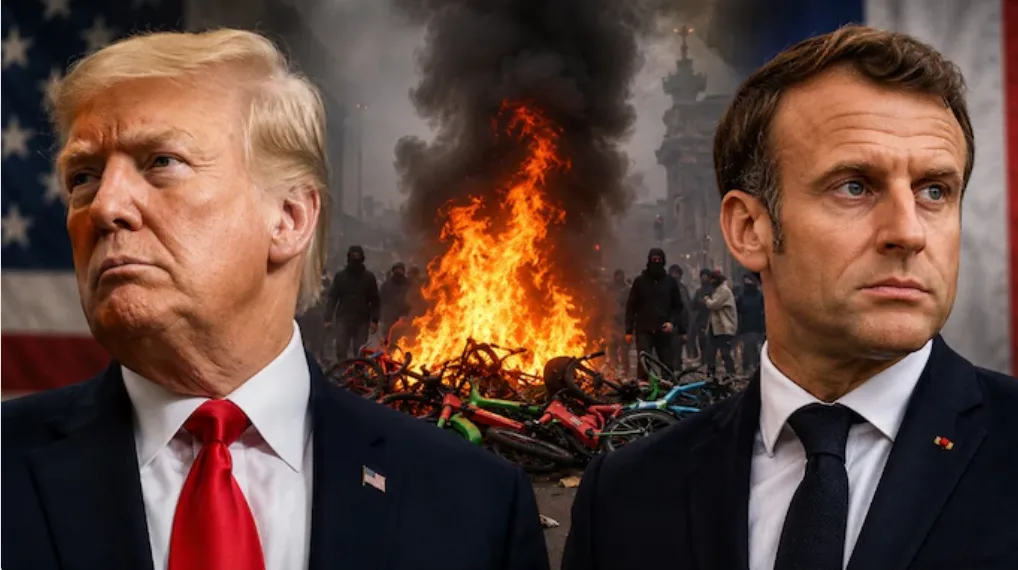
US President Donald Trump reportedly delivered a sharp rebuke to Israeli Prime Minister Benjamin Netanyahu during a phone call over Israel’s military actions in Lebanon, as concerns grow that renewed hostilities could jeopardise fragile diplomatic efforts in the region.

According to multiple reports, Trump expressed frustration over Israeli strikes linked to ongoing tensions with Hezbollah in Lebanon. The reported exchange came at a sensitive time, with Washington attempting to prevent further escalation while also pursuing broader diplomatic discussions involving Iran.

Reports point to unusually tense exchange

Sources cited in international reports said Trump used unusually strong language during the conversation, warning that continued military actions risked damaging efforts to stabilise the situation. One report claimed Trump told Netanyahu that his actions were hurting Israel’s international standing and complicating diplomatic initiatives.

The reported disagreement followed Israeli operations against Hezbollah-linked targets in Lebanon. While Israeli officials argued that the actions were a response to security threats and ceasefire violations, the US administration has been pushing for restraint to avoid a wider regional conflict.

Lebanon fighting threatens broader diplomatic efforts

The latest tensions come amid efforts to maintain a ceasefire framework between Israel and Hezbollah. US officials have been involved in discussions aimed at reducing hostilities and preventing attacks on major Lebanese population centres, including Beirut.

Reports indicate that Trump personally intervened to discourage further escalation and support negotiations intended to preserve regional stability. Hezbollah has reportedly signalled a willingness to consider a broader ceasefire arrangement if reciprocal commitments are made.

Differing public messages after the call

Despite reports of a heated conversation, Trump later suggested publicly that discussions had been constructive and that progress had been made toward reducing tensions. Netanyahu, however, maintained that Israel would continue to respond to security threats and would not alter its overall approach toward Hezbollah if attacks persisted.

The developments highlight growing challenges facing diplomatic efforts in the Middle East, where the conflicts involving Israel, Lebanon and Iran remain closely interconnected. Analysts say any major escalation in Lebanon could further complicate ongoing negotiations and increase instability across the region.

Continue Reading

Latest world news

India, Myanmar reaffirm commitment to stronger security, trade and connectivity ties

India and Myanmar have agreed to deepen ties in security, trade and connectivity, with leaders discussing infrastructure projects, border stability and economic cooperation during talks in New Delhi.

Published

on

India Myanmar

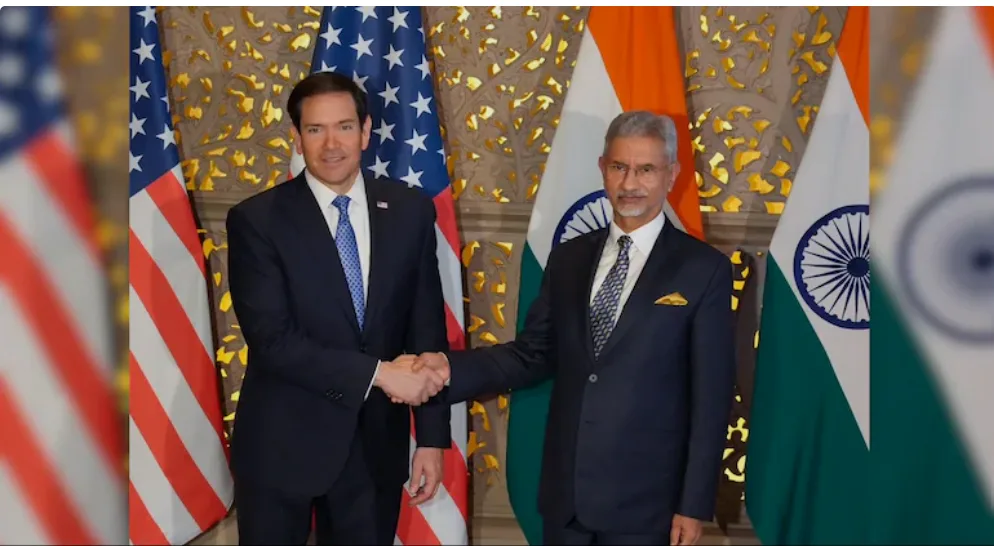
India and Myanmar have agreed to deepen cooperation in the areas of security, trade and connectivity following high-level discussions in New Delhi during Myanmar President Min Aung Hlaing’s official visit to India.

The discussions marked an important step in strengthening ties between the neighbouring countries, which share a 1,643-kilometre border and maintain close strategic, economic and cultural links. Both sides reiterated their commitment to accelerating key connectivity projects, expanding bilateral trade and enhancing cooperation on security-related issues.

The talks were held during President Min Aung Hlaing’s five-day visit to India, his first overseas trip since assuming office earlier this year. The visit included meetings with senior Indian leaders, including Prime Minister Narendra Modi and External Affairs Minister S. Jaishankar.

Focus on connectivity and economic cooperation

India and Myanmar agreed to push forward major connectivity initiatives aimed at improving regional integration and facilitating trade. The two countries emphasized the importance of infrastructure projects that can strengthen links between India’s Northeast and Southeast Asia while boosting economic opportunities on both sides of the border.

Officials also discussed ways to expand bilateral trade and encourage greater economic engagement. Both governments expressed support for increasing cooperation across multiple sectors, including development and infrastructure.

Security and border management remain key priorities

Security cooperation featured prominently in the discussions, with both countries acknowledging the importance of maintaining peace and stability along their shared border. Border management, defence cooperation and measures aimed at ensuring regional stability were among the major topics addressed during the visit.

India has consistently viewed Myanmar as an important partner under its Act East policy, while developments in Myanmar have direct implications for security and connectivity in India’s northeastern region.

Strategic significance of the visit

Analysts view the visit as significant for both countries amid evolving regional dynamics. For India, stronger engagement with Myanmar supports connectivity goals, border security and economic interests. For Myanmar, the visit provides an opportunity to broaden diplomatic and economic engagement with a key neighbour.

The leaders also reaffirmed their commitment to maintaining close cooperation and promoting stability, development and prosperity in the region through continued dialogue and collaboration.

Continue Reading

Latest world news

US strikes Iranian drone control and radar sites following drone shootdown

Washington launched targeted military strikes on radar and drone command centers in Iran’s Goruk and Qeshm Island following the downing of an American surveillance drone over international waters.

Published

on

Donald Trump statement

The US military announced it executed targeted “self-defense strikes” against Iranian radar and drone command facilities over the weekend, responding directly to aggressive actions by Tehran.

According to an official statement released on social media platform X by the US Central Command (CENTCOM), the targeted military operations focused on critical infrastructure located in Goruk and Qeshm Island inside Iran.

Response to MQ-1 drone downing

The American military intervention came after Iranian forces shot down a US MQ-1 drone, which Washington maintains was operating over international waters. Media reports indicate that the US deployment of fighter aircraft successfully eliminated Iranian air defenses, a ground control station, and two one-way attack drones involved in the hostile activity. CENTCOM confirmed that no American military personnel sustained injuries during the operation.

The weekend strikes mark another escalation in a series of direct confrontations between the two nations. Just last week, both sides engaged in retaliatory actions after an official from Washington disclosed that the US military hit an active Iranian drone operation operating near the strategic Strait of Hormuz. In retaliation, Tehran targeted an American military airbase.

Broader regional tensions and transit controls

The recent security friction comes amid complex developments in the region. Concurrently, Iranian state media reported that the maritime division of its forces coordinated the passage of 28 commercial vessels, including oil tankers and container ships, through the Strait of Hormuz over a 24-hour window. Iranian authorities claimed that recent instability in the Persian Gulf stems entirely from external military aggression.

The military flare-up also coincides with ongoing and highly fragile diplomatic negotiations over a ceasefire extension and discussions regarding Iran’s nuclear infrastructure, with negotiators trading warnings regarding bilateral trust and strategic rights.

Continue Reading

Trending

© Copyright 2022 APNLIVE.com