
India News
Covid-19: Is India staring at a vaccine shortage? Rahul Gandhi asks why debate need vs want
Some states are running out of Covid vaccines as Maharashtra and Andhra Pradesh government on Wednesday sent an SOS alert to the Centre over Covid-19 scarcity.

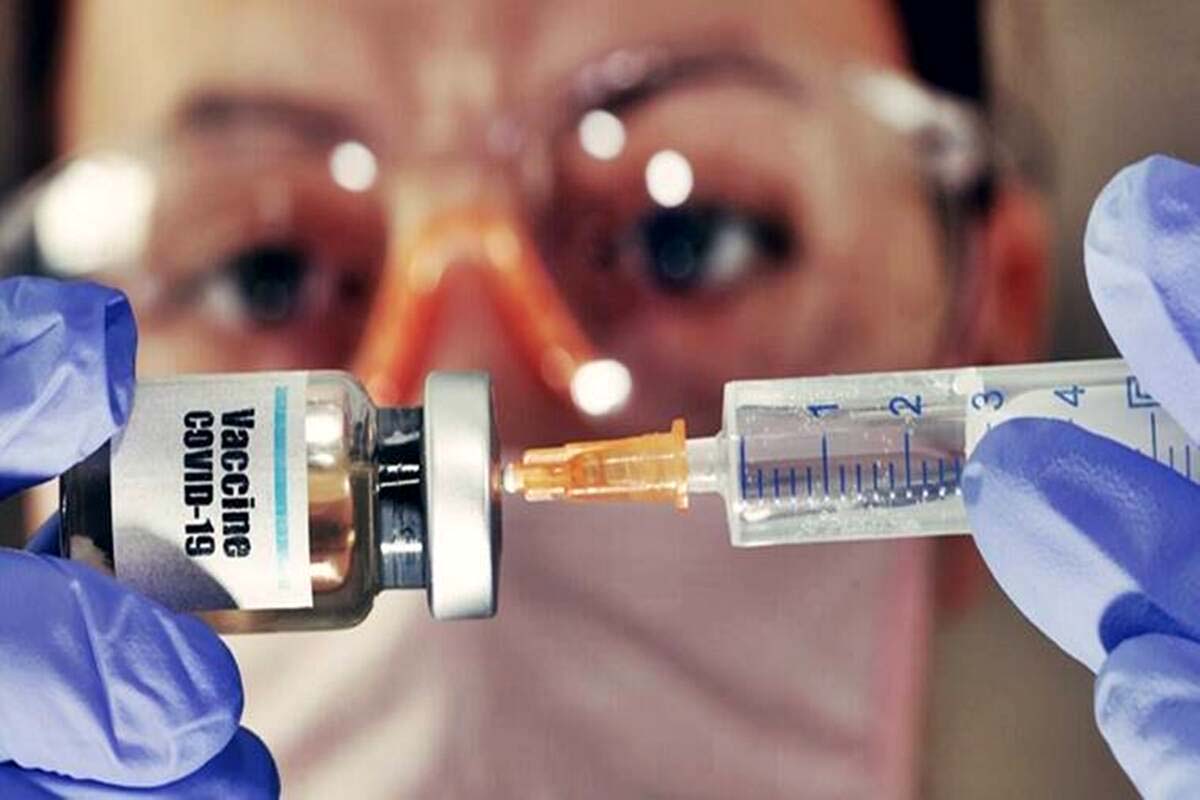
India began inoculating lakhs of its citizens above the age of 45 from April 1 to contain the surge in coronavirus infections that are touching daily records since early October 2020’s cases. The Covid-19 vaccination drive in India started on January 16 with Prime Minister Narendra Modi launching the world’s biggest rollout.
The government called it the beginning of the end of the coronavirus that has claimed over 1 lakh lives, affected businesses, drained the economy, led to the biggest migrant crisis and unprecedented suffering since early last year.
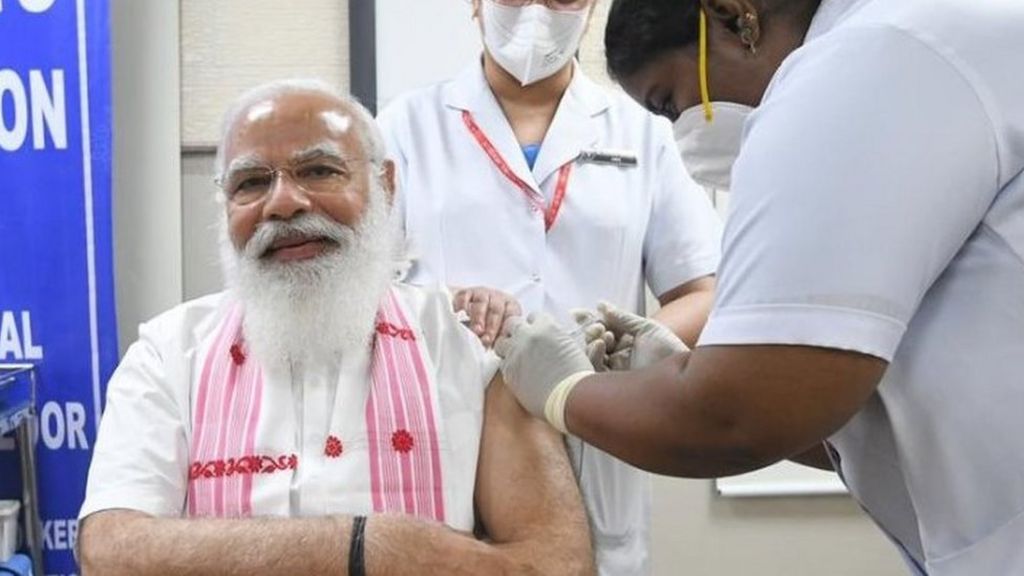
Where does India stand in vaccinations?
As per the Health Ministry, India stands at the second position in administering the Covid-19 vaccine after the US but given the size of its population and surge in Covid-19 infections, India is behind the desired target. India puts out over 26.5 lakh shots a day of Covid-19 vaccines compared to the US’s figure of over 30.5 lakh.
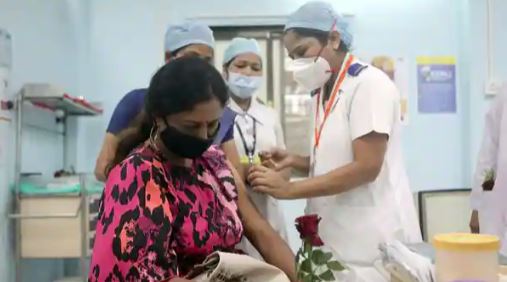
But since India crossed a 1 lakh mark in daily Covid-19 cases on April 4, more than 45.25 lakh people were inoculated on April 15, recording the highest single-day Covid-19 vaccination figure, the CoWin database said.
How many people have been vaccinated?
India has administered over 8.48 crore doses of Covid-19 vaccines since the Centre launched the vaccination drive. During this period, 1.02 crore people got both doses of the Covid-19 vaccines, which is not even one percent of the estimated 137 crore population of India. The share of Covid-19 vaccination would go up to around three percent if one-dose beneficiaries are taken into account.
Is India running out of vaccines?
Some states are running out of Covid vaccines as Maharashtra and Andhra Pradesh government on Wednesday sent an SOS alert to the Centre over Covid-19 scarcity.
Maharashtra Health Minister Rajesh Tope said the state has 14 lakh vaccine doses which won’t last beyond three days. After that, vaccination may come to a standstill. He said that Maharashtra needs a stock of 40 lakh vaccine doses per week.
Similarly, a top health official in Andhra Pradesh has said that currently, the state has only 3.7 lakh doses available while its consumption per day is 1.3 lakh doses.
With rumours of a vaccine shortage looming, Union Health Minister Harsh Vardhan clarified that there is no shortage of Covid-19 vaccines in India in the early evening of Wednesday.
Union Health Secretary Rajesh Bhushan had on Tuesday said vaccinations will not be available to a wider group anytime soon amid an alarming spike in coronavirus infections across the country. He has said that the government is prioritizing some groups over others as in this phase of vaccination, vaccines will be in limited supply.
Reacting to the Health Secretary’s limited vaccination statement, Congress leader Rahul Gandhi tweeted that every Indian deserves the chance to a safe life and that it’s ridiculous to debate needs and wants. The Congress and other opposition parties have been critical of the decision to send medicines abroad before vaccinating the people of India.
Why is India running out of vaccine stock?
While India’s own states are suffering from the scarcity of Covid-19 vaccines, the country on March 27 delivered 2,00,000 doses of COVID-19 vaccines for the United Nations Peacekeeping Force (UNPKF) worldwide.
The cargo of AstraZeneca Covishield vaccines produced by the Serum Institute of India (SII) in Pune was sent to UNPKF despite the government’s decision to reduce exports in view of the need for vaccines domestically as the country is witnessing a huge surge in coronavirus infections.
The vaccine was sent to honor a commitment made by External Affairs Minister S. Jaishankar at a UN Security Council meeting in February.
Read Also: Night curfew imposed in Punjab till April 30, political gathering banned amid Covid-19 spike
Data put out by the Ministry of External Affairs website boasts that India has supplied 645.02 lakh doses of made-in-India Covid vaccines to 84 countries as of Wednesday. Countries like UK, Canada, Bangladesh, Myanmar, Nepal, Bhutan, Srilanka, Morocco, Brazil, South Africa, Saudi Arabia, Afghanistan, Nigeria, and many more have received made-in-India Covid vaccines as of now.
With 103 lakh doses of Covid-19 vaccine, India’s neighbour Bangladesh got the highest number of vaccines.







India News
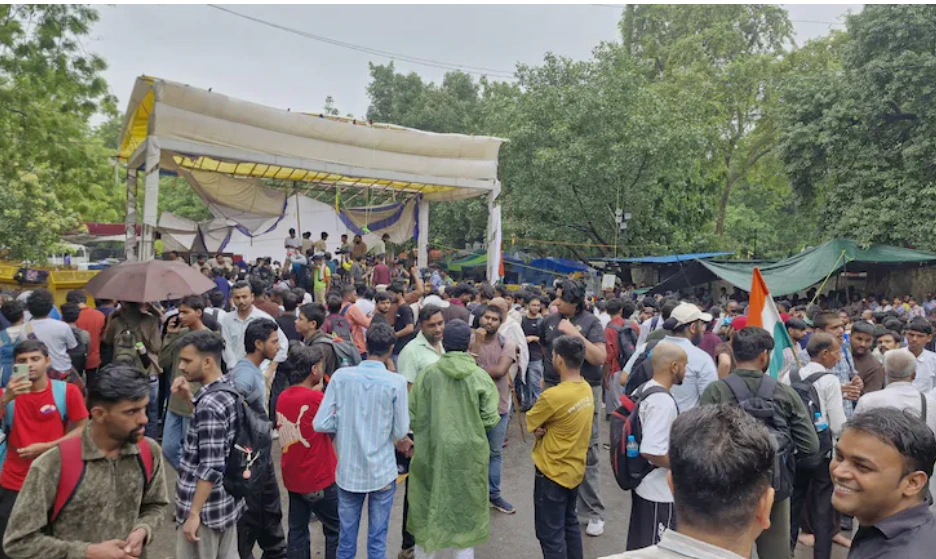
Delhi Police offers 11-person limit for CJP’s Connaught Place protest
Delhi Police has offered to facilitate a group of 11 people at Central Park in Connaught Place for the Cockroach Janata Party’s October 16 protest, while warning that violations of prohibitory orders could invite legal action.

India News
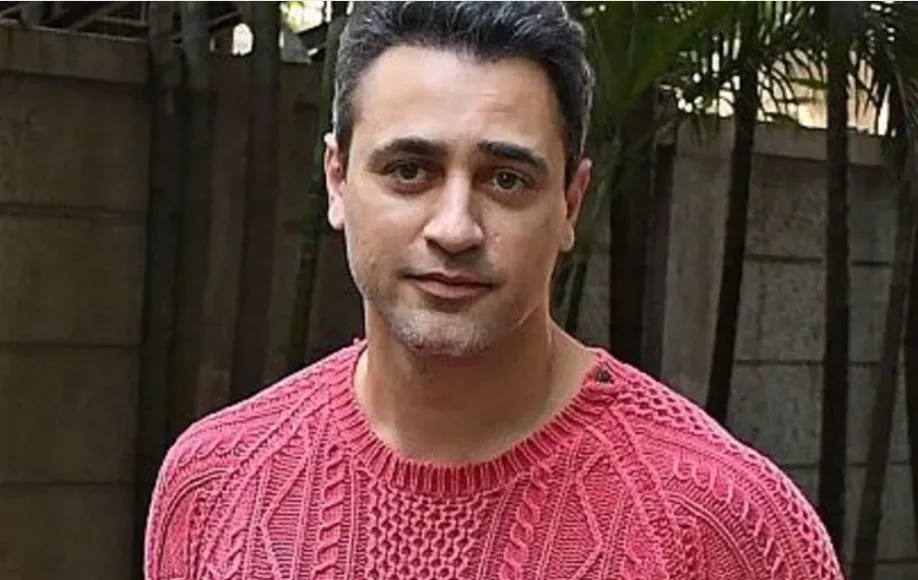
Actor Imran Khan asked to leave India after CJP protest
Actor Imran Khan has been asked to leave India by October 28, days after participating in a protest called by the Cockroach Janta Party (CJP) in Mumbai.
India News
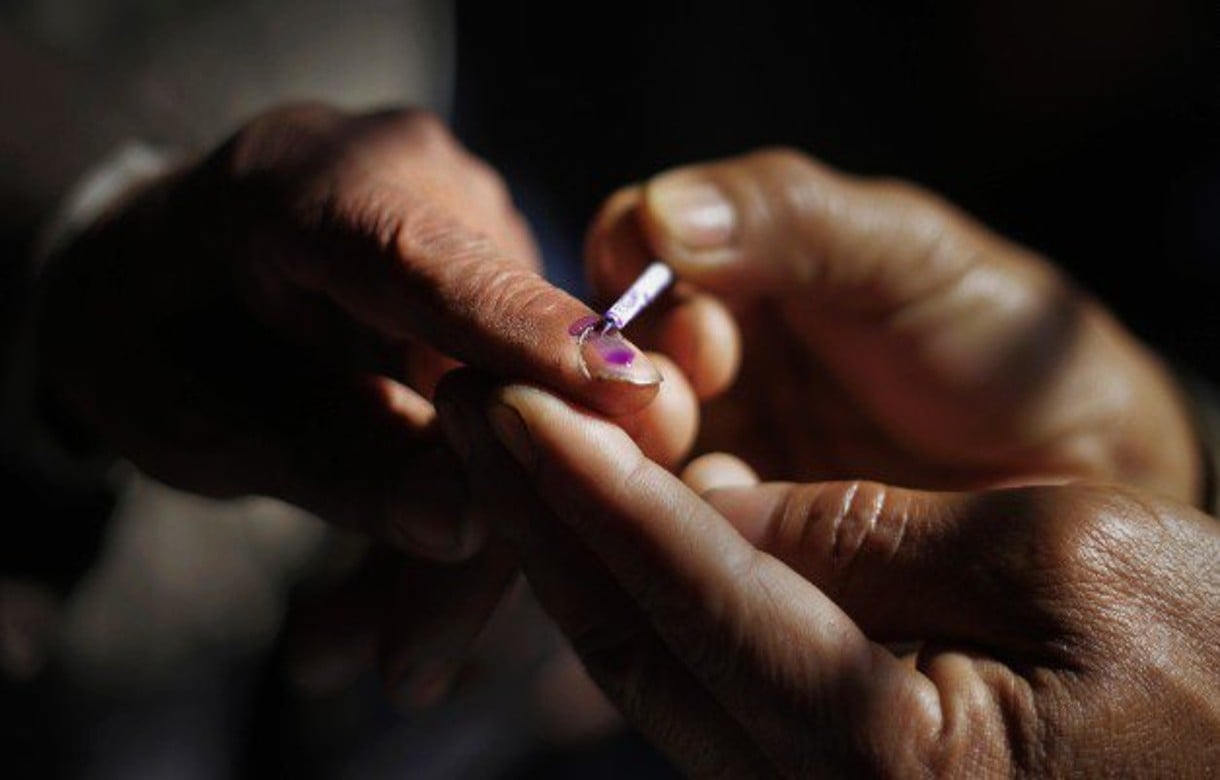
Election Commission orders voter roll revision in 17 states, UTs
The Election Commission has ordered a Special Summary Revision of electoral rolls in 17 states and Union Territories. Draft rolls are scheduled for November 12, with final rolls due on January 4, 2027.

Dhruv Rathee gets fresh summons in 2018 BJP IT cell video case

Nobody can browbeat judiciary, Chief Justice warns over Rahul Gandhi’s march

India-US trade deal first phase finalised, drafting underway

Election Commission orders voter roll revision in 17 states, UTs

Actor Imran Khan asked to leave India after CJP protest

Delhi Police offers 11-person limit for CJP’s Connaught Place protest
Actor Imran Khan asked to leave India after CJP protest
Election Commission orders voter roll revision in 17 states, UTs
India-US trade deal first phase finalised, drafting underway
Nobody can browbeat judiciary, Chief Justice warns over Rahul Gandhi’s march

Afghan Men Try To Hang With The Jet Engine Of The Aircraft in Kabul- Afghanistan News – Kabul News
Trending Top 10 News: 10000 Crore Fine on Flipkart, Apple to Launch Unique Feature, Hdfc Bank Job Ad

Trending Top 10 News: Nokia 6310, Apple sales, Bachpan ka Pyar Video Kid, Dainik Bhaskar IT Raid

Trending Top 10 News: Canada bans Indian flights, Rain in Delhi NCR, AIMIM Twitter hacked, Raj Kundra case

Trending Top 10 News: Shein India, Apple New Service, Pocket Oxygen, Oppo Launched New Phone
-
 India News23 hours ago
Dhruv Rathee gets fresh summons in 2018 BJP IT cell video case
-
 India News20 hours ago
Nobody can browbeat judiciary, Chief Justice warns over Rahul Gandhi’s march
-
 India News15 hours ago
India-US trade deal first phase finalised, drafting underway
-
 India News13 hours ago
Election Commission orders voter roll revision in 17 states, UTs
-
 India News13 hours ago
Actor Imran Khan asked to leave India after CJP protest
-
 India News11 hours ago
Delhi Police offers 11-person limit for CJP’s Connaught Place protest
