
India News
Unfrozen Turbulence

[vc_row][vc_column][vc_column_text]Only someone who has travelled in Kashmir can understand the enormity of the disaster unfolding in the Valley
By Dilip Bobb
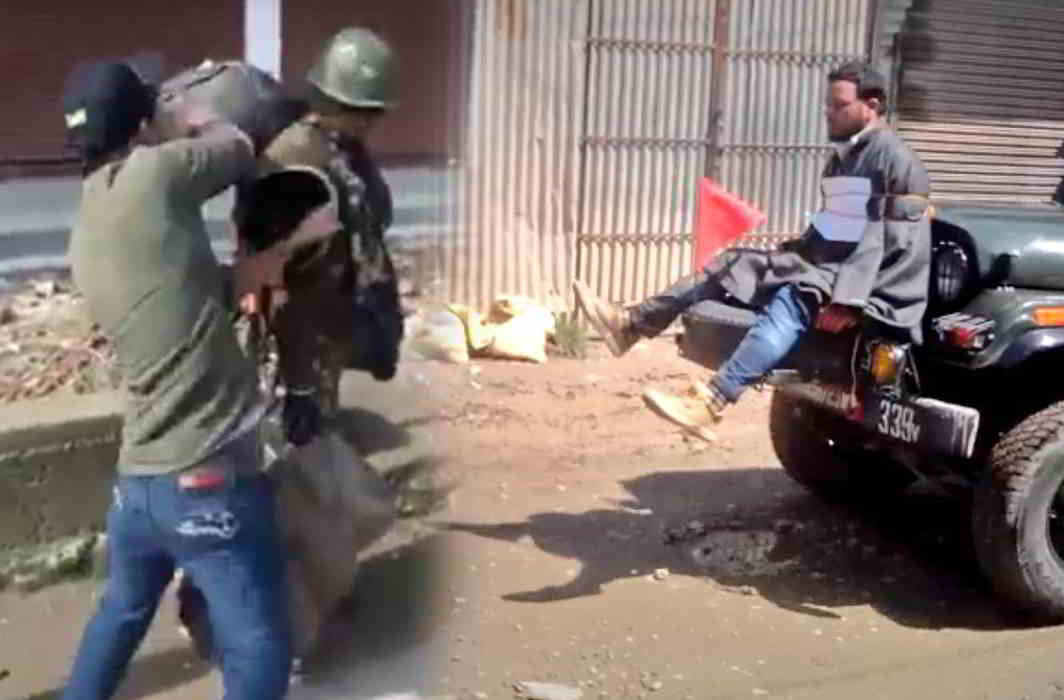
Two videos that have gone viral are mirror images of tragedy unfolding in Kashmir. One shows CRPF jawans being abused and slapped by teenagers in Srinagar while returning from poll duty. The other shows a Kashmiri man tied to the hood of an army jeep as ‘protection’. The armymen were also returning from election duty and had to run a gauntlet of stone-pelters, the ubiquitous face of today’s Kashmir. Both images are shocking but illustrate the combustible new mood in the Valley. It represents the most serious security challenge for the Modi government, and has been since the death of Burhan Wani, the Hizbul Mujahideen commander, on July 8, last year. Security experts say that the peak of militancy in the Valley was in 1991. Judging by the hundreds of civilians who have died or been maimed protecting terrorists, there is a new peak being reached right now. Never in recent memory has the situation in the Valley looked so grim and the anger among local Kashmiris been so openly hostile and anti-Indian. Anti-Indian may be an oxymoron considering Kashmir is part of India but the reality here is so different from anywhere else that it raises no eyebrows.
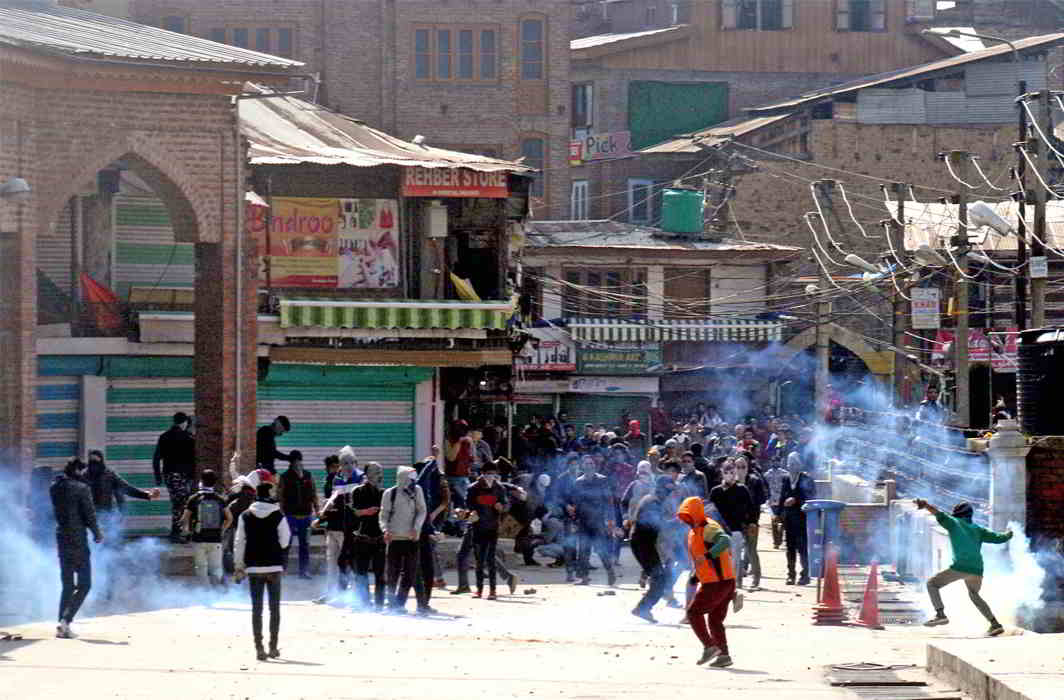
A crowd stone-pelts security personnel in Kashmir, UNI
Even some northeastern states like Nagaland and Manipur, where insurgency is a problem, never feel alien and threatening to a visitor, as Kashmir does. Whenever I have been in Kashmir on holiday or as a journalist, there is no missing the undercurrents, the unwritten signals that serve as a reminder that you are an outsider from ‘India’. Depending on whom you meet or are in conversation with, the tone and tenor of the word ‘India’ can range from casual contempt to barely concealed hostility. I was there last year in May, when Burhan Wani was well on his way to becoming a cult figure. I was en route to Gulmarg from Srinagar and had asked the driver of the private taxi to stop at Tangmarg so I could stretch my legs and grab a coffee. He had a companion with him in the front seat and when I climbed back into the SUV, they were engrossed in watching a video on the mobile phone. It showed a young man wearing army fatigues, armed with an AK 47 and speaking into the camera. It was obvious who it was; the man most wanted by the security forces. They were so engrossed in listening to what Burhan was saying on the video, that it took them a while to notice I was back. They hastily switched off the video but the air had decidedly turned frostier, and it had nothing to do with the fact that we were a few kilometres short of the snow-covered slopes of Gulmarg.
There must be some biblical irony in the fact that the catalyst for the start of militancy in Kashmir in 1987 and the latest outbreak of violence in which eight protestors died and hundreds of policemen were injured, features Farooq Abdullah as a common denominator. It is universally accepted that the trigger, literally, for the rise of militancy in the Valley was the rigged election of 1987 which consolidated Farooq’s reign as chief minister. Now, 30 years later, the same Farooq Abdullah is contesting the Srinagar Lok Sabha bypoll which registered a two percent voter turnout during the repolling exercise. It has come full circle in Kashmir. The start of militancy in 1987 stemmed from the sense of betrayal the locals felt at a fraud election which legitimised Farooq’s reign, backed by Rajiv Gandhi’s Congress. It was seen an ‘unholy alliance’. The reasons behind the current upsurge in violence in the Valley has much to do with the alliance currently in power, Mehbooba Mufti’s PDP and the BJP, also derided by locals as an unholy alliance.
Whether Srinagar or Baramulla, everyone I met, from hotel staff to shopkeepers, porters and tourist-related operators, were polite and formal but never failed to convey the not-so-subtle statement that you were from another country. That sentiment accompanies you like an unfriendly shadow on your journey through the Valley. On earlier visits, this was extant as well, but this time, I could sense a difference in mood and hostility. Before June 2016, you could not imagine teenagers being so brazen and defiant so as take on armed members of the security forces in the middle of Srinagar, knowing reinforcements are a wireless call away. There is clearly a different and more dangerous flammable mix that defines Kashmir today. Most people, who visit this exceptionally beautiful part of the country, have had the good fortune of meeting locals who treat you with genuine warmth and a degree of hospitality which is exceptional. Sadly, such people are rarer to find. Currently, it has descended into a Palestine-like intifada spearheaded by teenagers with no ideology or geo-political vision, just a bleak future thanks to lack of jobs and inspiration from videos of Pakistan-backed militants like Burhan Wani, and now his clones. The image of the reckless revolutionary (shades of Che Guevara) fighting for the sake of an imaginary homeland is a powerful one, and it is fuelling the uprising in Kashmir to new and incendiary levels.
At various points in the Kashmir narrative, security experts and journalists have spoken or written of new peaks of militancy, throughout the 90s for instance. This time, it is for real. This time, it cannot be blamed on Pakistan, like every government has done so far. Pakistan is a player in the Kashmir tragedy, always has been and always will be, but the anger and hostility I witnessed—and it has only grown since—is much more visceral. The fact of civilians openly protecting terrorists during military operations, risking their own lives, is a new and dangerous escalation in the battle against militancy. It’s a battle that the Modi government is losing, and losing badly, largely through neglect and inaction. Atal Behari Vajpayee’s clarion call of Insaniyat (humanism), Kashmiryat (tradition of Hindu-Muslim amity) and Jamhooriat (democracy) has been abandoned in favour of a macho, Rambo-style response. It is a strategy that can only lead to greater alienation. The battle in the Valley is not about terrorism or Pakistan. It is about large and growing sections of the civilian population in Kashmir who are being forced to choose sides. It’s a battle that the Indian government is in danger of losing by default.[/vc_column_text][/vc_column][/vc_row]









India News
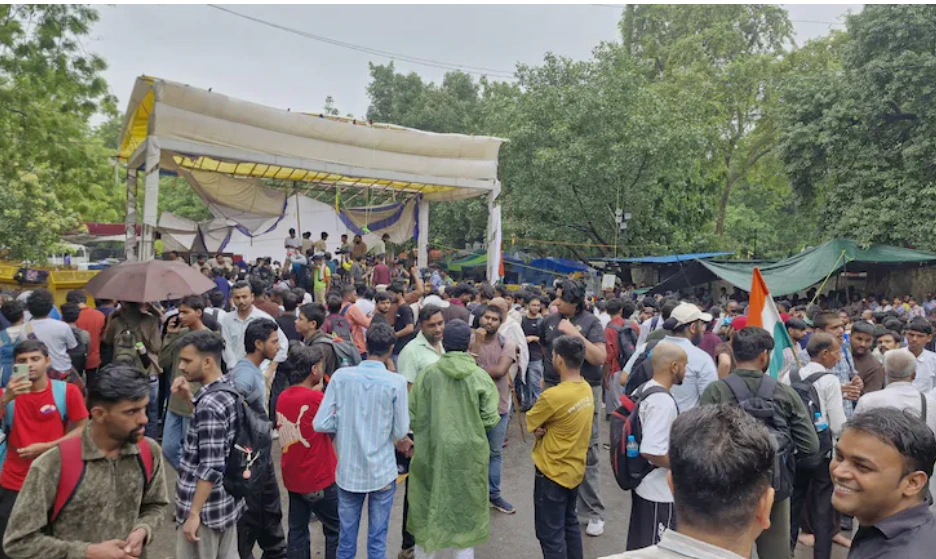
Delhi Police offers 11-person limit for CJP’s Connaught Place protest
Delhi Police has offered to facilitate a group of 11 people at Central Park in Connaught Place for the Cockroach Janata Party’s October 16 protest, while warning that violations of prohibitory orders could invite legal action.

India News
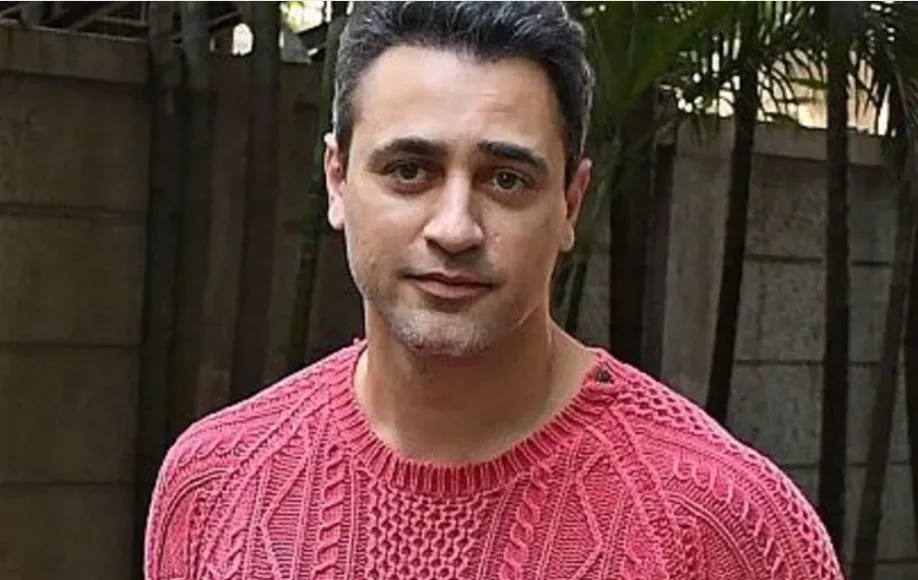
Actor Imran Khan asked to leave India after CJP protest
Actor Imran Khan has been asked to leave India by October 28, days after participating in a protest called by the Cockroach Janta Party (CJP) in Mumbai.
India News
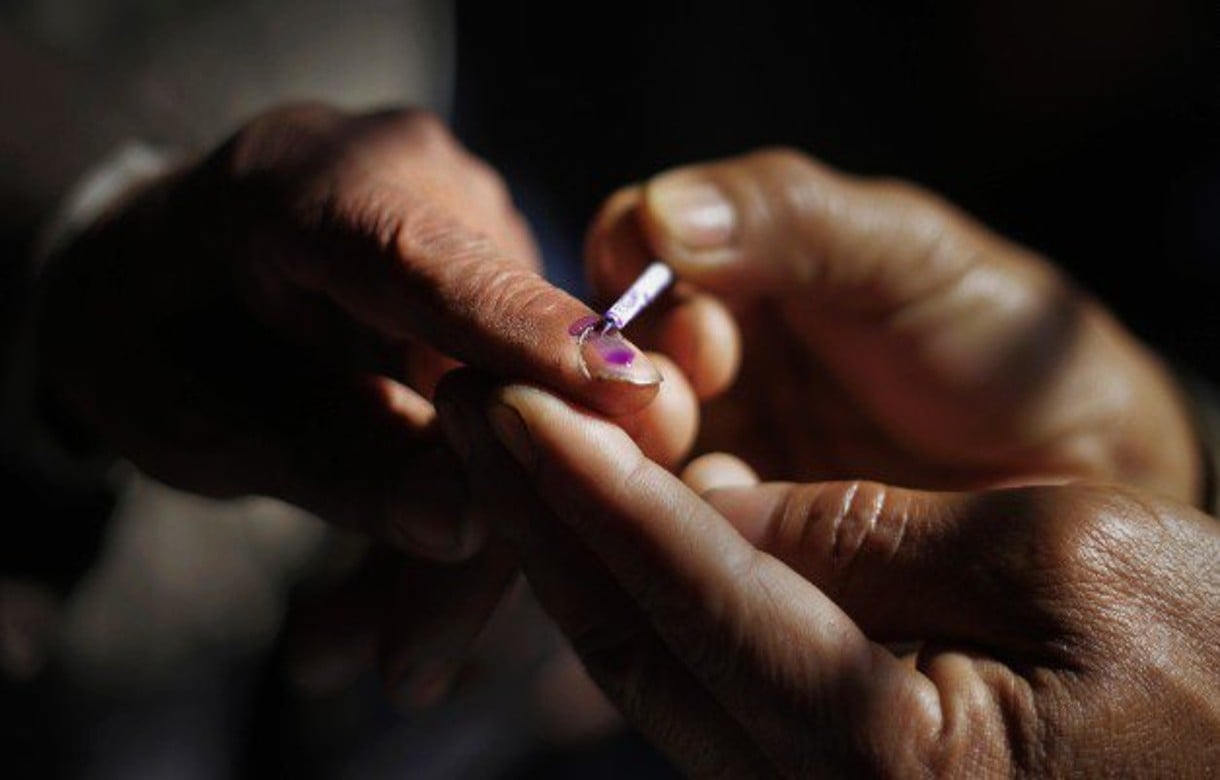
Election Commission orders voter roll revision in 17 states, UTs
The Election Commission has ordered a Special Summary Revision of electoral rolls in 17 states and Union Territories. Draft rolls are scheduled for November 12, with final rolls due on January 4, 2027.

Dhruv Rathee gets fresh summons in 2018 BJP IT cell video case

Nobody can browbeat judiciary, Chief Justice warns over Rahul Gandhi’s march

India-US trade deal first phase finalised, drafting underway

Election Commission orders voter roll revision in 17 states, UTs

Actor Imran Khan asked to leave India after CJP protest

Delhi Police offers 11-person limit for CJP’s Connaught Place protest
Actor Imran Khan asked to leave India after CJP protest
Election Commission orders voter roll revision in 17 states, UTs
India-US trade deal first phase finalised, drafting underway
Nobody can browbeat judiciary, Chief Justice warns over Rahul Gandhi’s march

Afghan Men Try To Hang With The Jet Engine Of The Aircraft in Kabul- Afghanistan News – Kabul News
Trending Top 10 News: 10000 Crore Fine on Flipkart, Apple to Launch Unique Feature, Hdfc Bank Job Ad

Trending Top 10 News: Nokia 6310, Apple sales, Bachpan ka Pyar Video Kid, Dainik Bhaskar IT Raid

Trending Top 10 News: Canada bans Indian flights, Rain in Delhi NCR, AIMIM Twitter hacked, Raj Kundra case

Trending Top 10 News: Shein India, Apple New Service, Pocket Oxygen, Oppo Launched New Phone
-
 India News16 hours ago
Dhruv Rathee gets fresh summons in 2018 BJP IT cell video case
-
 India News13 hours ago
Nobody can browbeat judiciary, Chief Justice warns over Rahul Gandhi’s march
-
 India News8 hours ago
India-US trade deal first phase finalised, drafting underway
-
 India News6 hours ago
Election Commission orders voter roll revision in 17 states, UTs
-
 India News5 hours ago
Actor Imran Khan asked to leave India after CJP protest
-
 India News4 hours ago
Delhi Police offers 11-person limit for CJP’s Connaught Place protest
