
Latest world news
9/11 attacks: 20 years later, look at 10 defining images
The coordinated suicide attacks were carried out by 19 Al-Qaeda terrorists who had hijacked four passenger planes and crashed them into the targets in US. The biggest terror attack in history triggered major U.S. initiatives to combat terrorism and defined the presidency of George Bush.

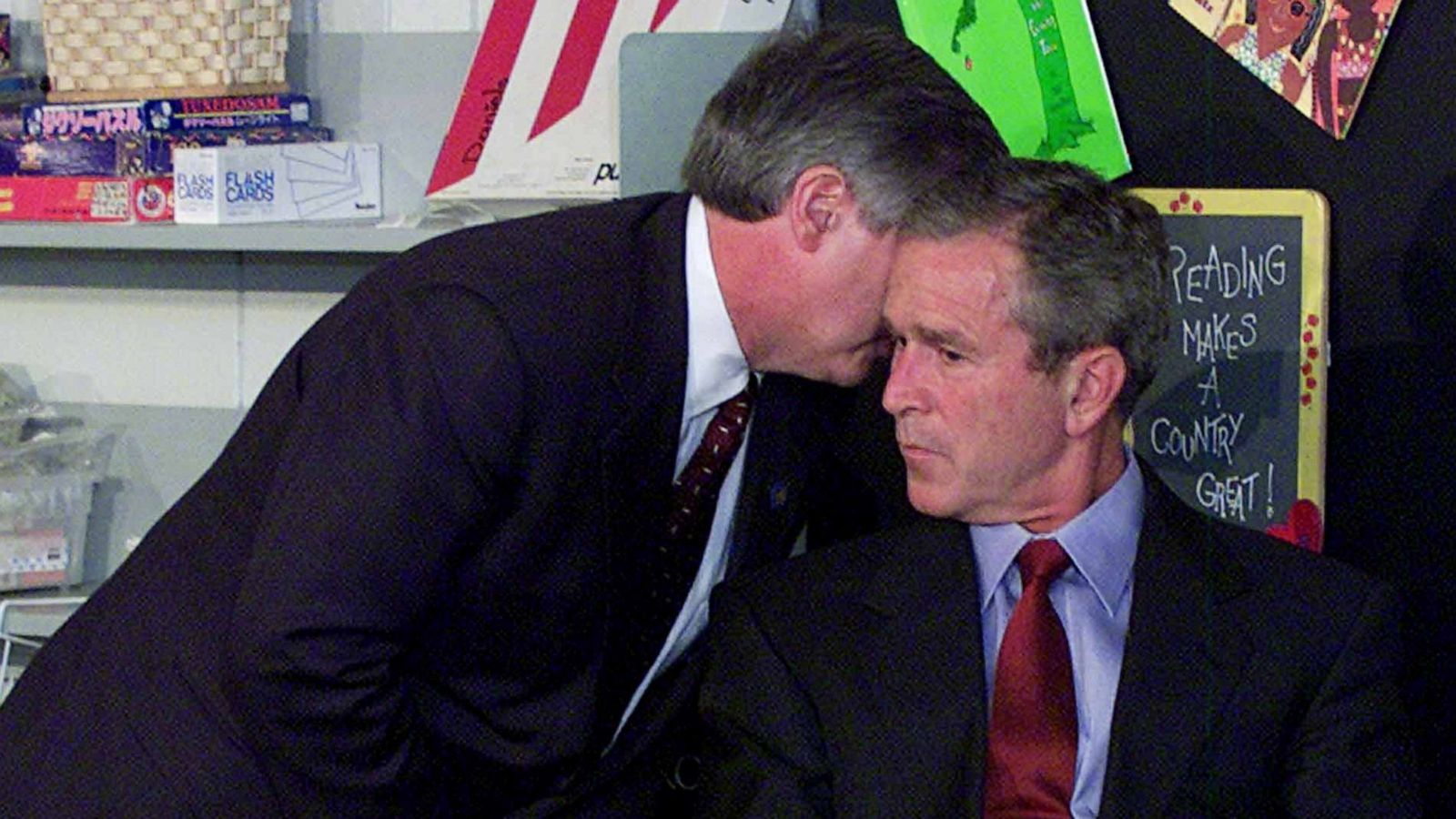
Its been 20 years since the horrific attacks on the World Trade Center and the Pentagon in the United States. The coordinated suicide attacks were carried out by 19 Al-Qaeda terrorists who had hijacked four passenger planes and crashed them into the targets in the US. The biggest terror attack in history triggered major U.S. initiatives to combat terrorism and defined the presidency of George Bush. Almost 3,000 people were killed during the 9/11 terrorist attacks.
Here are images that define the horror of the 9/11 attacks
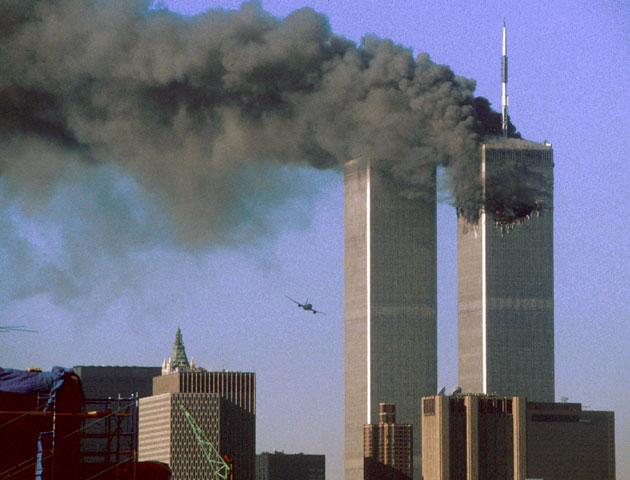
The second tower of the World Trade Center bursts into flames after being hit by a hijacked airplane in New York on September 11, 2001.
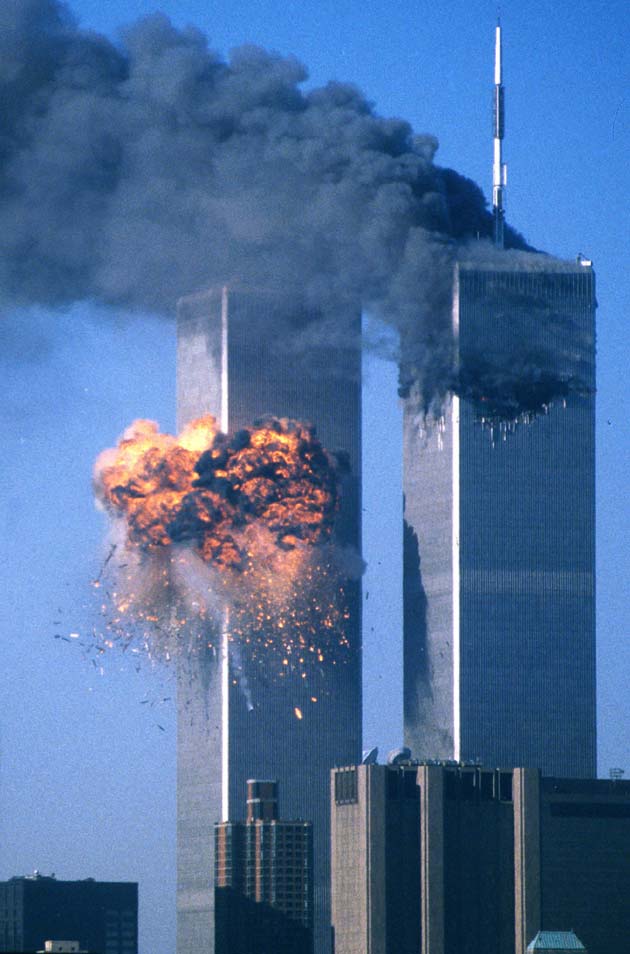
Smoke covering New York following the attack on the Twin Towers. Nearly 3,000 people were killed and countless more injured in the terror attack, which forever transformed the United States.
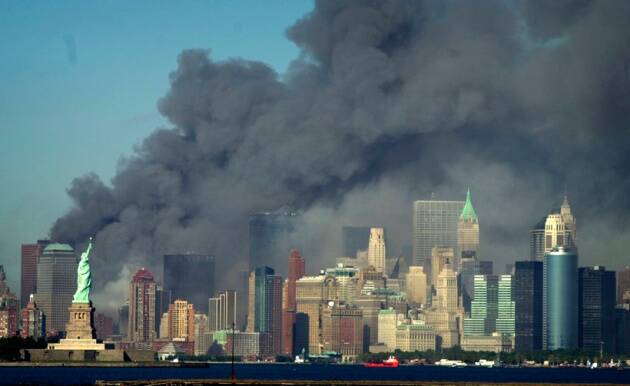
A person falls to his death from the World Trade Center after two planes hit the Twin Towers on September 11, 2001, in New York City.
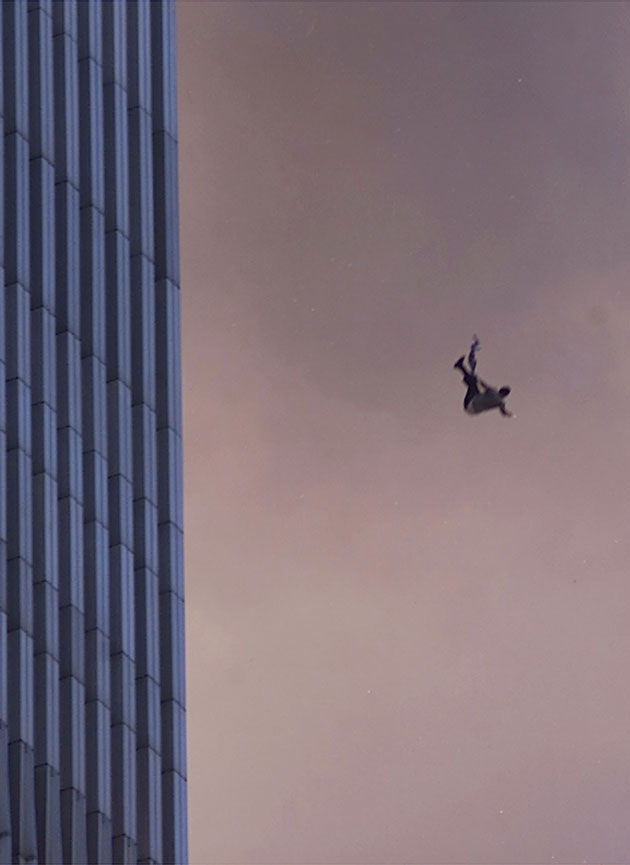
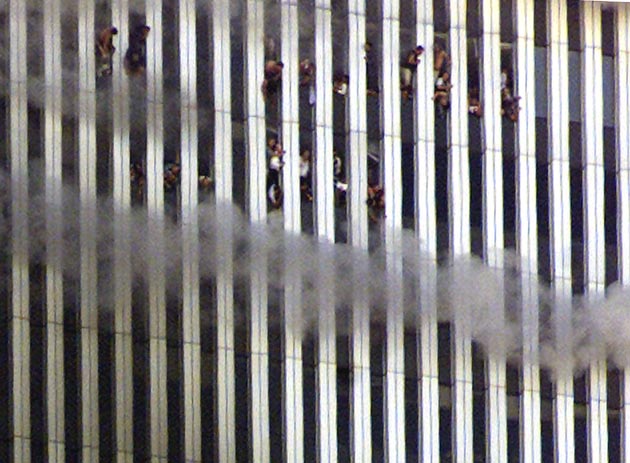
People look out of the burning North Tower of the World Trade Center in New York City on September 11, 2001. Shortly after this photo was taken this tower fell. Both towers were hit by planes crashing into the buildings.
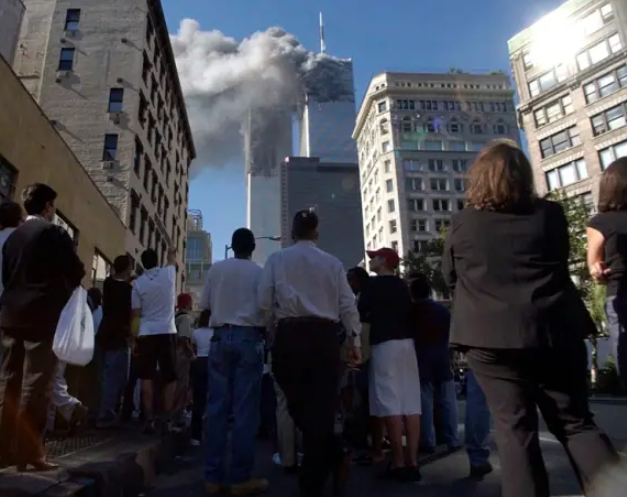
Pedestrians in lower Manhattan watch smoke billow from New York’s World Trade Center on Tuesday, Sept. 11, 2001.
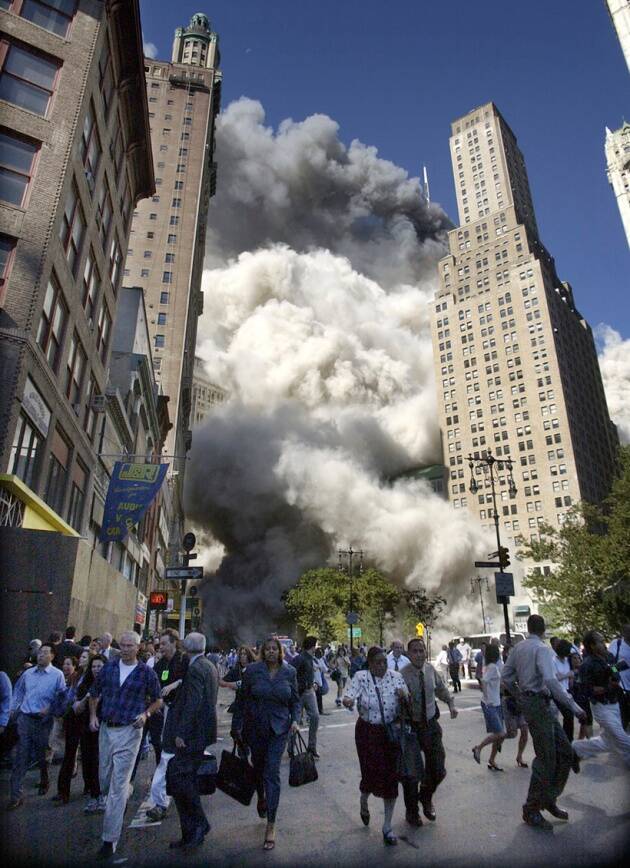
People flee the falling South Tower of the World Trade Center on Tuesday, September 11, 2001.
Hijacked United Airlines Flight 175 flies toward the World Trade Center twin towers shortly before slamming into the south tower (L) as the north tower burns following an earlier attack by a hijacked airliner in New York City on September 11, 2001.
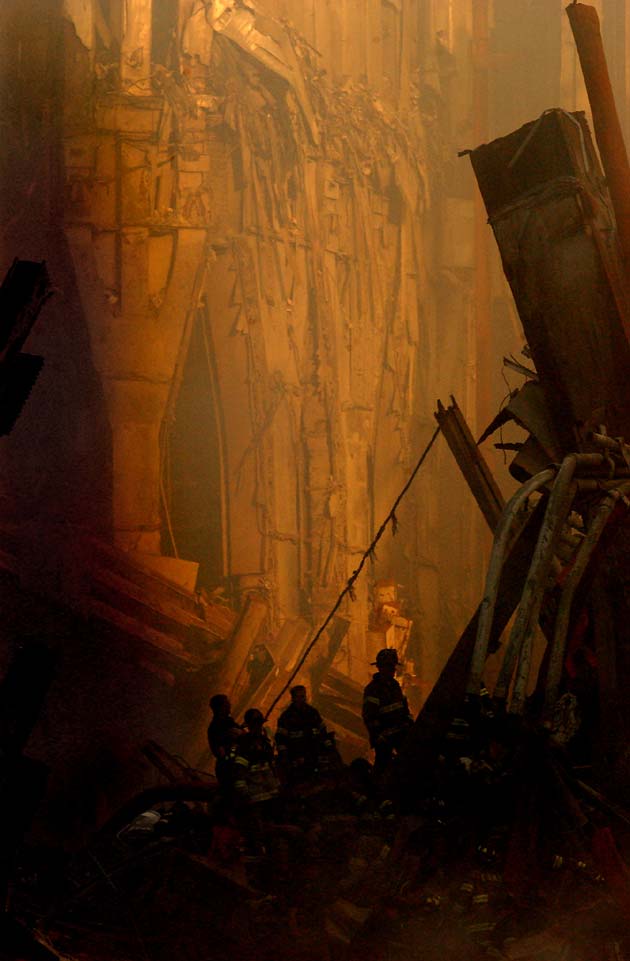
Rescue workers conduct search and rescue attempts, descending deep into the rubble of the World Trade Center in New York on Friday, September 14, 2001.
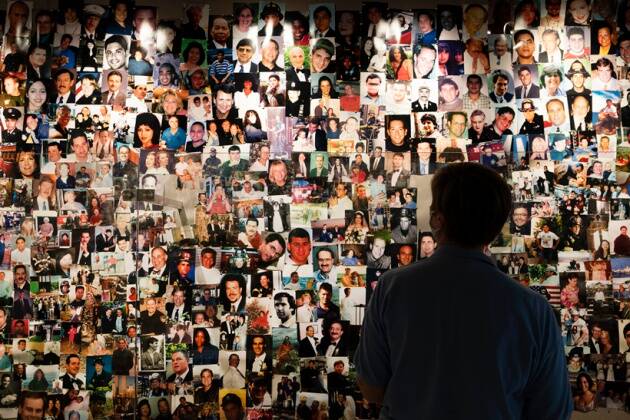
A survivor of the 9/11 attacks on the World Trade Center, looks at photos of those who perished, in a display at the 9/11 Tribute Museum, Friday, Aug. 6, 2021, in New York.
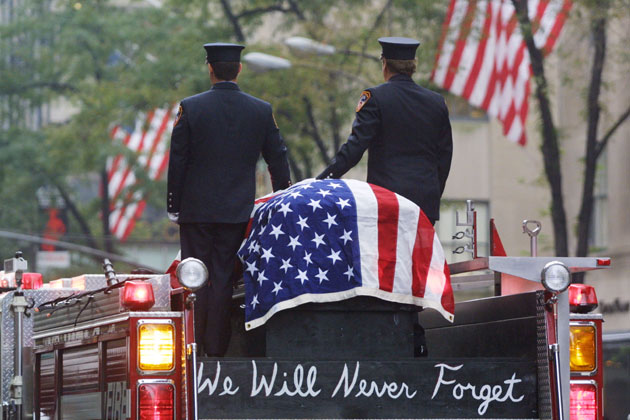
Firefighters stand atop a fire engine with the flag-draped casket of fellow fireman Lieutenant Dennis Mojica on September 21, 2001, during a funeral service at St Patrick’s Cathedral in New York City. Mojica, who was with Rescue Company 1, is one of nearly 300 firefighters who lost their lives in the World Trade Center disaster.
In other Indian news, Rashid Khan has stepped down as the captain of the Afghanistan Cricket Team ahead of the T20 World Cup.





Latest world news
Magnitude 7 earthquake strikes Russia’s Kamchatka Peninsula
A magnitude 7 earthquake struck Russia’s Kamchatka Peninsula region on Friday. The initial report placed the earthquake at a depth of 140 kilometres.


Latest world news
S Jaishankar says India is a natural option for Russia amid Europe tensions
External Affairs Minister S Jaishankar said India remained a natural option for Russia as Moscow increasingly turned towards Asia amid strained relations with Europe. He highlighted the continuity of India-Russia ties and their significance for the balance of power in Asia.

Latest world news
Putin praises PM Modi, says he has very good ideas on Ukraine war
Russian President Vladimir Putin has praised Prime Minister Narendra Modi for repeatedly raising the need to end the Ukraine war, describing his ideas for a settlement as “very good”.


India-US trade deal first phase finalised, drafting underway

Election Commission orders voter roll revision in 17 states, UTs

Delhi Police offers 11-person limit for CJP’s Connaught Place protest

Actor Imran Khan asked to leave India after CJP protest

Mallikarjun Kharge’s ‘Your Friends’ jab at Rahul Gandhi over congress exits

Magnitude 7 earthquake strikes Russia’s Kamchatka Peninsula

Delhi deploys 25,000 personnel, installs CCTV cameras ahead of CJP march
Mallikarjun Kharge’s ‘Your Friends’ jab at Rahul Gandhi over congress exits
Delhi Police offers 11-person limit for CJP’s Connaught Place protest
Actor Imran Khan asked to leave India after CJP protest

Afghan Men Try To Hang With The Jet Engine Of The Aircraft in Kabul- Afghanistan News – Kabul News
Trending Top 10 News: 10000 Crore Fine on Flipkart, Apple to Launch Unique Feature, Hdfc Bank Job Ad

Trending Top 10 News: Nokia 6310, Apple sales, Bachpan ka Pyar Video Kid, Dainik Bhaskar IT Raid

Trending Top 10 News: Canada bans Indian flights, Rain in Delhi NCR, AIMIM Twitter hacked, Raj Kundra case

Trending Top 10 News: Shein India, Apple New Service, Pocket Oxygen, Oppo Launched New Phone
-
 India News24 hours ago
India-US trade deal first phase finalised, drafting underway
-
 India News21 hours ago
Election Commission orders voter roll revision in 17 states, UTs
-
 India News20 hours ago
Delhi Police offers 11-person limit for CJP’s Connaught Place protest
-
 India News21 hours ago
Actor Imran Khan asked to leave India after CJP protest
-
 India News8 hours ago
Mallikarjun Kharge’s ‘Your Friends’ jab at Rahul Gandhi over congress exits
-
 India News8 hours ago
Delhi deploys 25,000 personnel, installs CCTV cameras ahead of CJP march
-
 Latest world news8 hours ago
Magnitude 7 earthquake strikes Russia’s Kamchatka Peninsula
