English हिन्दी
Connect with us

Latest world news

Putin praises PM Modi, says he has very good ideas on Ukraine war

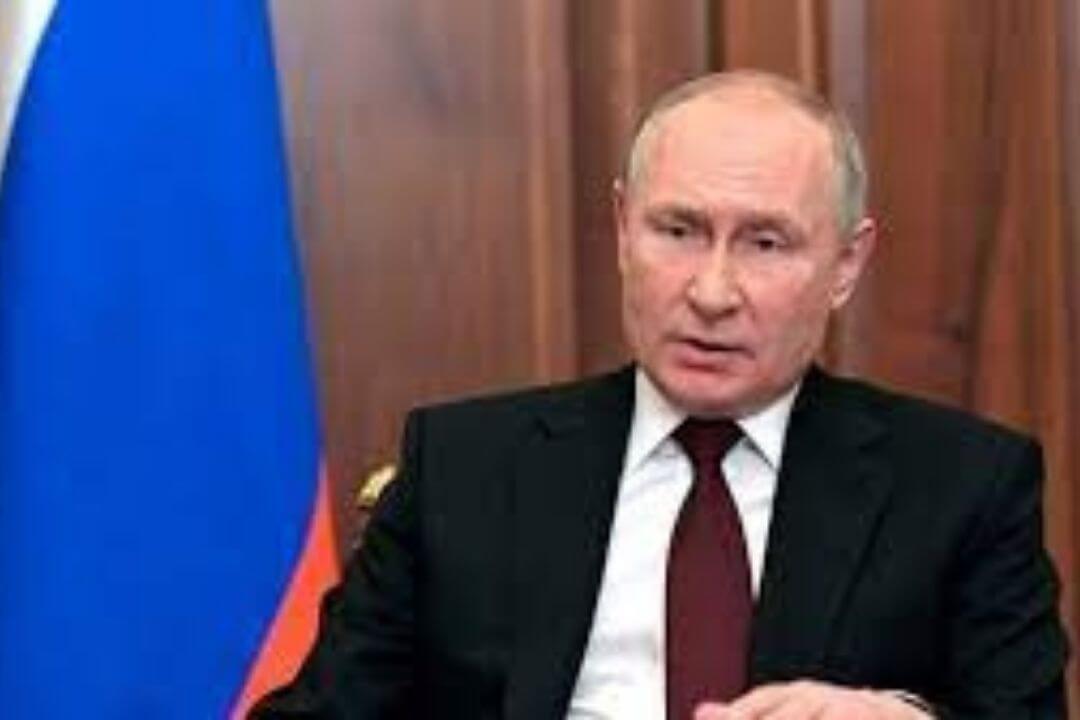
Russian President Vladimir Putin has praised Prime Minister Narendra Modi for repeatedly raising the need to end the Ukraine war, describing his ideas for a settlement as “very good”.

Published

on

Vladimir Putin

Russian President Vladimir Putin has praised Prime Minister Narendra Modi for his continued efforts to promote an end to the Russia-Ukraine war, saying the Indian leader has “very good ideas” aimed at finding a mutually acceptable solution.

Putin made the remarks while addressing the Valdai Forum of international Russia experts, where he spoke about Modi’s repeated efforts to raise the issue of ending the conflict.

What Putin said about PM Modi

Putin said Modi has continued to raise the question of ending the conflict despite the close and friendly relationship between India and Russia.

According to Putin, the Prime Minister has shown a strong interest in finding a solution and has ideas that could help identify mutually acceptable ways to resolve the conflict.

Putin also described India’s position as neutral while highlighting Modi’s interest in bringing the conflict to an end through peaceful means.

The Russian president expressed gratitude to Modi for his ideas and his desire to see the conflict end as soon as possible.

Modi’s position on the Ukraine war

PM Modi has repeatedly called for dialogue and diplomacy to resolve conflicts, including during his meetings with Putin.

During their September 11 meeting in New Delhi, Modi reiterated that dialogue and diplomacy are the way forward for resolving conflicts.

Modi had also told Putin during their meeting on the sidelines of the Shanghai Cooperation Organisation summit in Bishkek that the situation needed to move from “endless war” towards an end to the war.

India has consistently maintained that conflicts should be addressed through dialogue and peaceful means, with Modi previously describing the present period as not being an era of war.

The Russia-Ukraine conflict began in February 2022 and has continued despite repeated diplomatic efforts to seek a resolution.

Latest world news

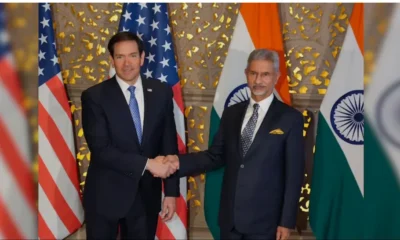
Marco Rubio says India and US share extraordinary alignment on key issues

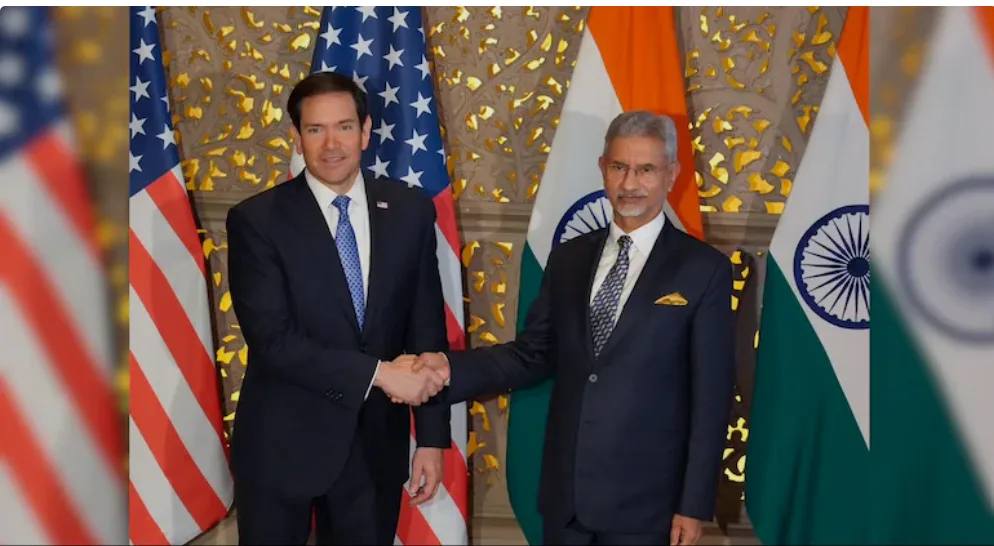
US Secretary of State Marco Rubio said India and the United States share an extraordinary alignment on core issues, even though disagreements between the two countries may arise.
Published

on

US Secretary of State Marco Rubio has described the relationship between India and the United States as one marked by an “extraordinary alignment” on important national interests, while acknowledging that the two countries may disagree on certain matters.

Speaking at a ‘Freedom 250’ reception in Mumbai on Tuesday during his visit to India, Rubio said the partnership between the two countries could play a significant role in shaping the 21st century. He emphasised the importance of cooperation between the two nations on issues that affect their respective national interests.

Rubio highlights shared priorities in the Indo-Pacific

Rubio identified the need for a free and open Indo-Pacific as a key area of common ground between New Delhi and Washington. He said both countries had an interest in ensuring that no nation claimed dominance over international shipping routes.

He acknowledged that disagreements between countries were inevitable but said the alignment between India and the US on core issues remained significant, particularly given the size and influence of both nations.

Rubio also described India as a powerful, influential and advanced country, calling it a strong geopolitical partner for the United States.

India-US relationship could shape the 21st century

Rubio said the partnership between the two countries could help shape the course of the coming decades. He pointed to shared values, including individual dignity, democratic principles and the rule of law, as common ground between the two nations.

He also noted that decisions being taken today on geopolitics, economics, trade and commerce would have consequences for future generations.

The US Secretary of State said he believed the relationship between India and the United States could positively influence what the 21st century looks like.

Trade ties remain an important part of the relationship

Rubio’s remarks come amid ongoing discussions between India and the United States over trade and other bilateral issues.

Earlier on Tuesday, he said the two countries were very close to signing a bilateral trade agreement, with a small number of outstanding points still to be resolved.

Trade relations have faced challenges over tariffs, India’s purchases of Russian oil and US immigration policies. Despite these differences, Rubio’s comments underscored Washington’s emphasis on the broader strategic partnership with New Delhi.

Continue Reading

Latest world news

Trump waives Russia-related sanctions, tariffs in relief for India

Donald Trump has waived several Russia-related sanctions, restrictions and duties under a new US law, potentially easing tariff pressure on India and China, two major buyers of Russian energy.
Published

on

Vladimir Putin and Donald Trump

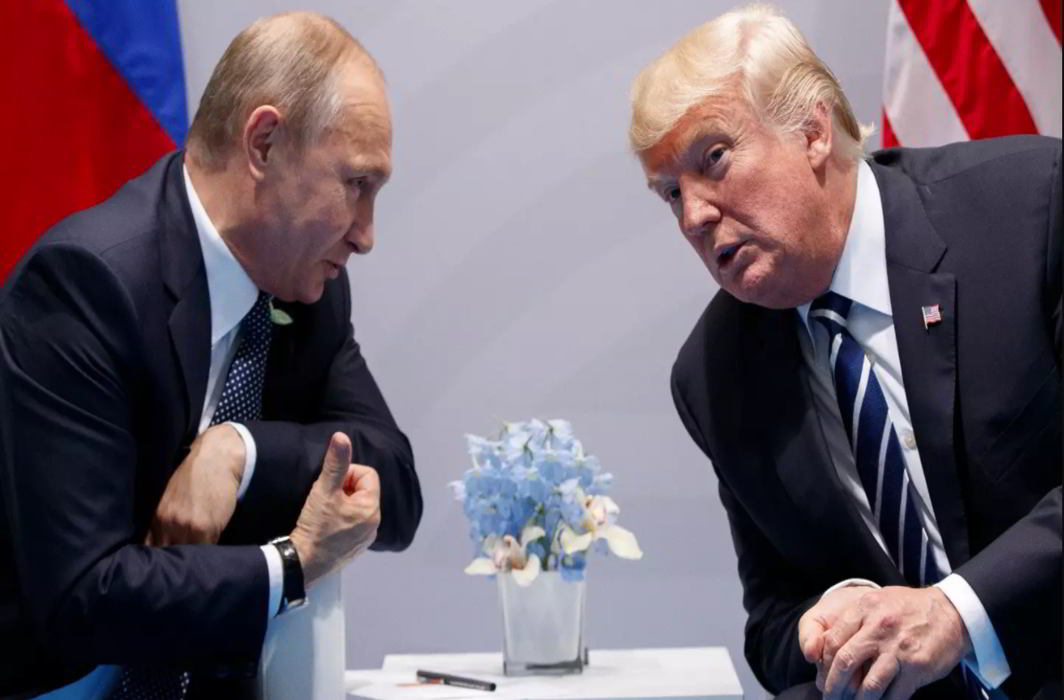
US President Donald Trump has waived many Russia-related sanctions, restrictions and duties, offering relief to India and China amid the threat of additional tariffs over their purchases of Russian oil and gas.

The waiver came one day before the measures were due to take effect under a bill signed into law by Trump last month. The legislation sought to increase pressure on Russia by enabling additional tariffs on countries buying its oil and gas.

Trump issued an executive order waiving many Russia-related measures, easing the immediate threat of additional tariffs for major buyers of Russian oil and gas, including India and China.

What Trump’s waiver means for India and China

India and China have been among the largest buyers of Russian energy, putting them at risk under the new US legislation.

The law authorised the US president to impose tariffs of up to 100% on goods from major importers of Russian oil and gas. Such penalties were intended to pressure countries to reduce their purchases of Russian energy and limit Moscow’s revenue during the Ukraine war.

The waiver eases the immediate threat posed by those provisions. However, it should not be interpreted as a permanent removal of every possible Russia-related sanction or tariff. The scope of the decision is defined by the measures covered under the executive order.

What is the Lindsey Graham Act?

The Lindsey O. Graham Sanctioning Russia and Iran Act of 2026 was enacted to expand Washington’s ability to penalise Russia and countries supporting its energy trade.

The legislation allows the US president to impose tariffs of up to 100% on goods imported from countries covered by its provisions on Russian oil and gas purchases.  It also provides for sanctions targeting Russian officials, financial institutions and energy interests, alongside measures against entities involved in helping Russia evade existing restrictions.

The legislation is named after the late US Senator Lindsey Graham, who was a prominent advocate of stronger economic pressure on Russia over its invasion of Ukraine.

Importantly, the law gave Trump discretion over the use of its tariff provisions rather than automatically imposing the maximum tariff on every country buying Russian energy. It also included a mechanism allowing the president to waive measures when he certifies that doing so serves US national interests.

Why the decision matters amid the Ukraine war

The US legislation was intended to increase pressure on Russia by targeting both its energy revenues and countries that continued to purchase its oil and gas.

For India, the potential tariffs had added another point of friction in its trade relationship with Washington. New Delhi has maintained that its energy purchasing decisions are guided by national interests and energy security.

China, another major importer of Russian energy, had also faced the prospect of additional trade penalties under the law.

Trump’s decision to waive several measures reduces the immediate tariff threat for affected countries. However, the move does not itself resolve the wider dispute over Russian energy purchases or the continuing war in Ukraine. The administration’s future decisions will determine how the relevant provisions are applied.

Continue Reading

Latest world news

Magnitude 7 earthquake strikes Russia’s Kamchatka Peninsula

A magnitude 7 earthquake struck Russia’s Kamchatka Peninsula region on Friday. The initial report placed the earthquake at a depth of 140 kilometres.
Published

on

earthquake-tremors

A magnitude 7 earthquake struck Russia’s Kamchatka Peninsula region on Friday, October 16, according to the European-Mediterranean Seismological Centre (EMSC).

The initial report placed the earthquake at a depth of 140 kilometres (approximately 87 miles). Details about the impact of the earthquake, including any damage or casualties, were not immediately available in the initial report.

Earthquake strikes seismically active Kamchatka region

Russia’s Kamchatka Peninsula is a seismically active region where earthquakes occur because of tectonic activity.

The latest earthquake was reported by the EMSC, which provided the initial magnitude and depth estimates. Further information about the situation on the ground was not available in the initial report.

What is known so far

  • Location: Kamchatka Peninsula region, Russia
  • Magnitude: 7.0
  • Date: Friday, October 16, 2026
  • Reported depth: 140 kilometres
  • Casualties and damage: Not provided in the initial report

Continue Reading

Trending

© Copyright 2022 APNLIVE.com

Left Menu Icon