
India News
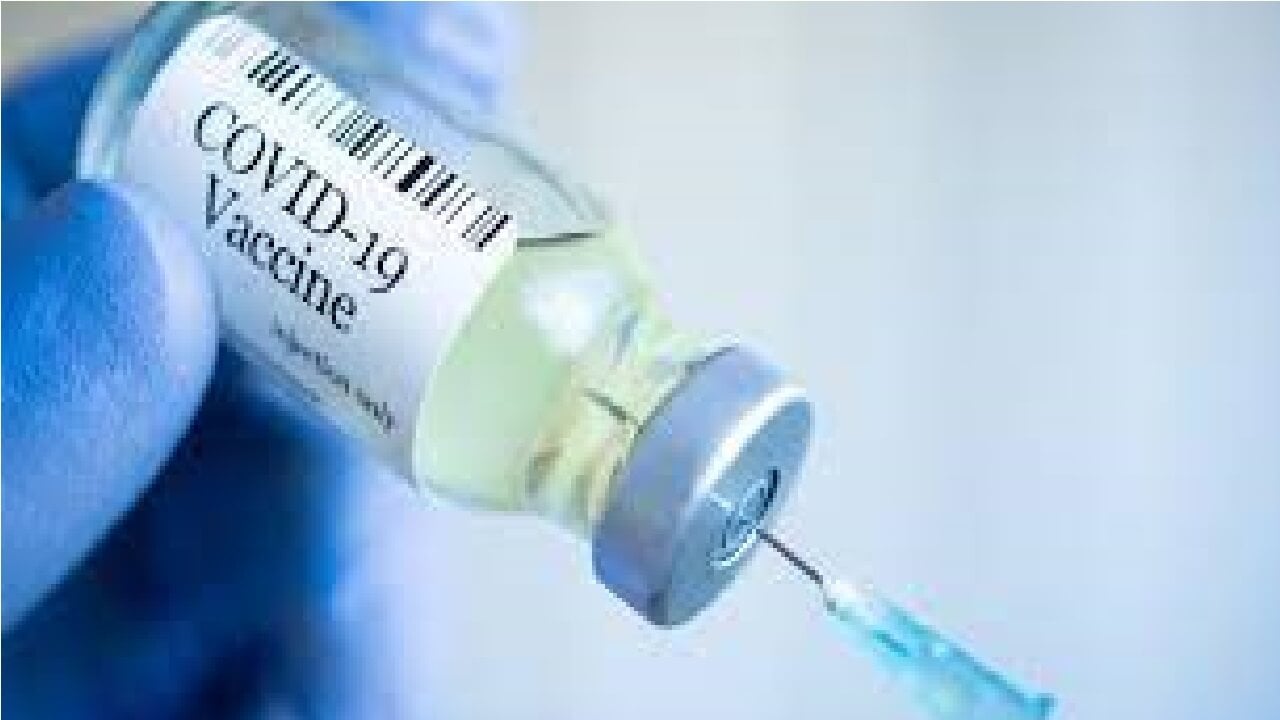
UK, US add Covaxin for international travellers! Check out the list of countries that have approved Covaxin
Covaxin has been given thumbs up in various countries but direct travel to some countries is not functional because the Indian government has extended the restriction of scheduled international passenger flights until November 30, 2021.

By: Kritika Bobal
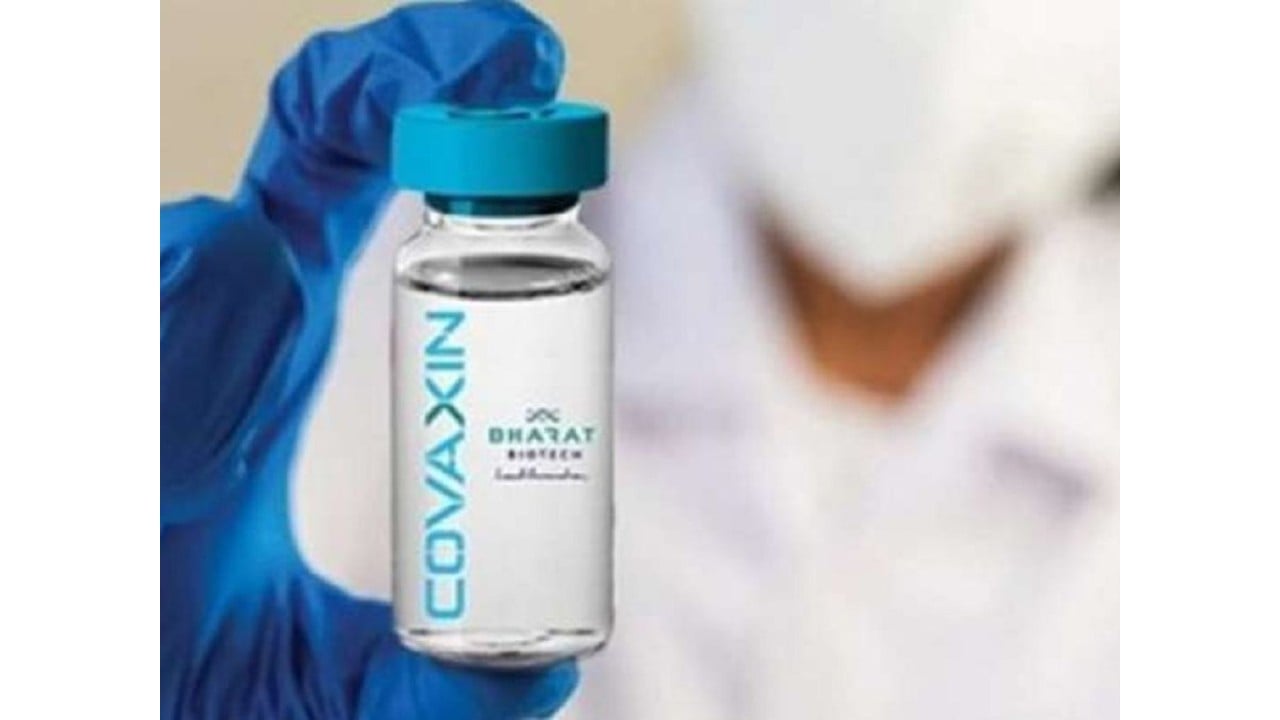
India’s homegrown Bharat Biotech Covaxin, one of two major Covid vaccines used in India is now approved by US and UK. Covaxin would be added to its list of authorized vaccines for international travellers beginning November 22. Following the approved date, Covaxin will be added to the UK government’s list of authorised COVID-19 vaccines for international travellers.
This comes after the World Health Organization (WHO) granted Covaxin emergency use approval last week. This means that people vaccinated with Covaxin will not have to be in quarantine after reaching the UK. Apart from the UK, the US, that relaxed Covid-19 travel restrictions after 21 months, will also approve Covaxin.
Now Covaxin has been given thumbs up in various countries but direct travel to some countries is not functional. The reason behind that is due to the Covid-19 pandemic, the Indian government has extended the restriction of scheduled international passenger flights until November 30, 2021. The direct flight will only be available to those countries that have air-bubble pacts with India.
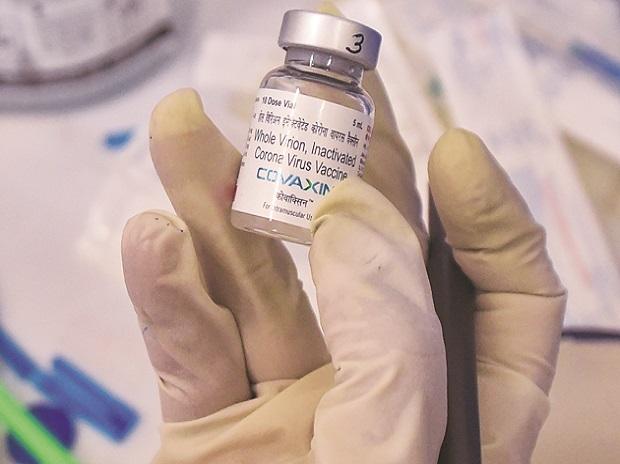
Here is the list of countries that have approved Covaxin:
Oman
Indian Embassy in Oman has stated that Indians who have received both the doses of Covid vaccine at least 14 days before the estimated arrival date will now be permitted to travel to Oman and will get an exemption from self-isolating upon arrival.
Switzerland
Bharat Biotech’s Covaxin has been authorised by Switzerland as a safe vaccine for travel from India.
Nepal
The criteria for Covaxin recipients travelling to Nepal are the same as they are for recipients travelling to the Philippines. Indian people must show a Covid-19 vaccination certificate, and the final dose of the vaccine must have been administered at least 14 days before entry.
Sri Lanka
India’s both vaccines- Covishield and Covaxin are approved by Sri Lanka whereas unvaccinated travellers will only be allowed to enter after completing a 14-day quarantine course.
Australia
Though Australia has approved Covaxin but it doesn’t have an air bubble pact with India that allows direct flights. Travelling to Australia is only possible via indirect flights that have layovers in Dubai, Abu Dhabi and Tokyo airports. However, these countries haven’t approved Covaxin yet.
Apart from these countries, Iran, Estonia, Zimbabwe, Guyana, Paraguay, the Philippines, Mexico, Mauritius and Greece have also approved Covaxin.

India News
Supreme Court questions EC over missing records in Sringeri election dispute
The Supreme Court questioned the Election Commission over missing video footage of the 2023 counting in Karnataka’s Sringeri constituency. The case involves a revised result following a recount of postal ballots.

India News
Rahul Gandhi joins India Gate protest by Ankita Bhandari’s parents
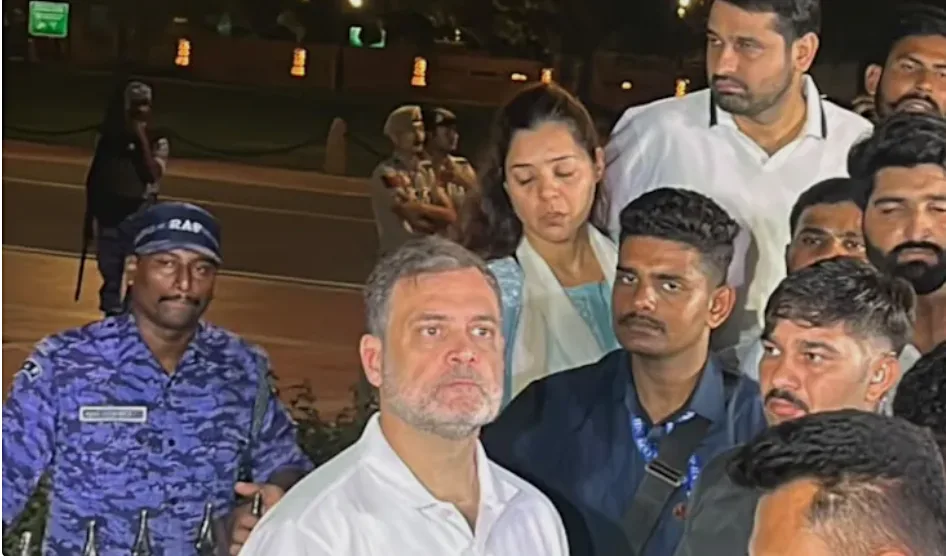
Rahul Gandhi joined the protest by Ankita Bhandari’s parents at India Gate in New Delhi on October 14. The demonstration has brought renewed attention to the 2022 murder case and the family’s concerns following Dushyant Gautam’s appointment as Sikkim Governor.
India News
Meerut murder: Muskaan Rastogi and Sahil Shukla get death sentence
A Meerut court has sentenced Muskaan Rastogi and Sahil Shukla to death in the blue drum murder case involving the killing of merchant navy officer Saurabh Rajput in March 2025.

CJP leaders Saurav Das, Ashutosh Ranka, Ajinkya Shinde sent to 5-day judicial custody

PM Modi speaks to Mark Carney as India and Canada push to strengthen ties

S Jaishankar says India is a natural option for Russia amid Europe tensions

Meerut murder: Muskaan Rastogi and Sahil Shukla get death sentence

Rahul Gandhi joins India Gate protest by Ankita Bhandari’s parents

Supreme Court questions EC over missing records in Sringeri election dispute
Rahul Gandhi joins India Gate protest by Ankita Bhandari’s parents
Meerut murder: Muskaan Rastogi and Sahil Shukla get death sentence
PM Modi speaks to Mark Carney as India and Canada push to strengthen ties
S Jaishankar says India is a natural option for Russia amid Europe tensions

Afghan Men Try To Hang With The Jet Engine Of The Aircraft in Kabul- Afghanistan News – Kabul News
Trending Top 10 News: 10000 Crore Fine on Flipkart, Apple to Launch Unique Feature, Hdfc Bank Job Ad

Trending Top 10 News: Nokia 6310, Apple sales, Bachpan ka Pyar Video Kid, Dainik Bhaskar IT Raid

Trending Top 10 News: Canada bans Indian flights, Rain in Delhi NCR, AIMIM Twitter hacked, Raj Kundra case

Trending Top 10 News: Shein India, Apple New Service, Pocket Oxygen, Oppo Launched New Phone
-
 India News21 hours ago
CJP leaders Saurav Das, Ashutosh Ranka, Ajinkya Shinde sent to 5-day judicial custody
-
 India News20 hours ago
PM Modi speaks to Mark Carney as India and Canada push to strengthen ties
-
 Latest world news21 hours ago
S Jaishankar says India is a natural option for Russia amid Europe tensions
-
 India News10 hours ago
Meerut murder: Muskaan Rastogi and Sahil Shukla get death sentence
-
 India News9 hours ago
Rahul Gandhi joins India Gate protest by Ankita Bhandari’s parents
-
 India News9 hours ago
Supreme Court questions EC over missing records in Sringeri election dispute
