
India News
13 years of 26/11: From Hemant Karkare to Ashok Kamte, remembering heroes of Mumbai terror attack
The 26/11 terror attack has left a deep scar not only on Mumbaikars but on every citizen of India. 166 people were killed and over 300 people were injured in the attack that continued for 3 days.

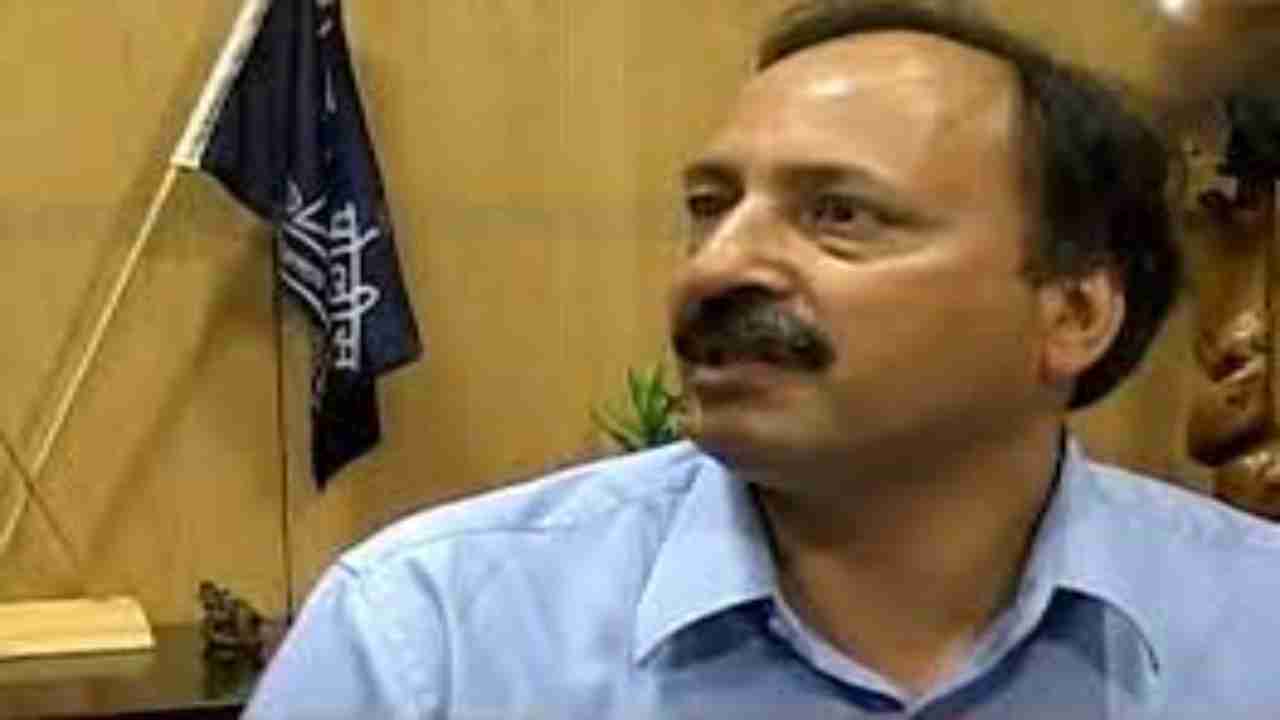
The 26/11 terror attack has left a deep scar not only on Mumbaikars but on every citizen of India. September 26, 2008, is the horrifying day when ten Lashkar-e-Taiba terrorists from the sea targeted 8 important south Mumbai locations including Taj Hotel and Tower, Chhatrapati Shivaji Terminus, Mumbai railway station, Oberoi-Trident Hotel, Nariman House Complex, Cama Hospital, and Leopold Cafe.
As per reports, 166 people were killed and over 300 people were injured in the attack that continued for 3 days. Every year, the day reminds us of the extreme horror and grief that every India must have gone through. The 3 long days of terror came to an end due to the Bravehearts who valiantly fought the terrorists and lost their lives in the process.
13 years of 26/11
As we mark 13 years of 26/11, let’s remember the heroes of the Mumbai terror attacks
Hemant Karkare
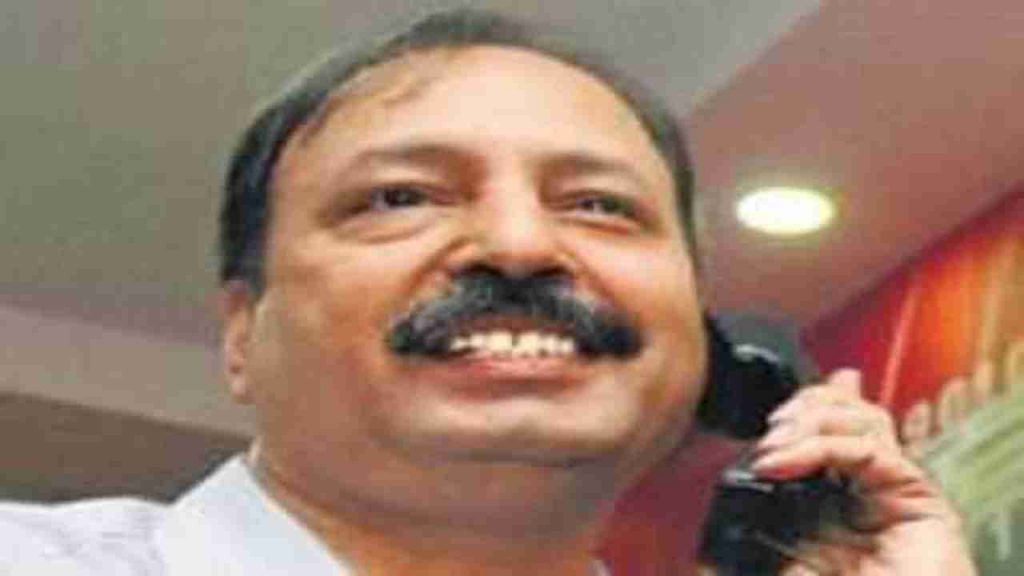
Hemant Karkare was the chief of the Mumbai Anti-Terrorist Squad who was the first one to fire shots at Kasab. Along with other officers Vijay Salaskar and Ashok Kamte, Hemant spotted the 2 terrorists who were hiding behind a red car. He saw one of the terrorists, Kasab and fired a shot. However, in exchange for bullets, Hemant Karkare got martyred.
Tukaram Omble
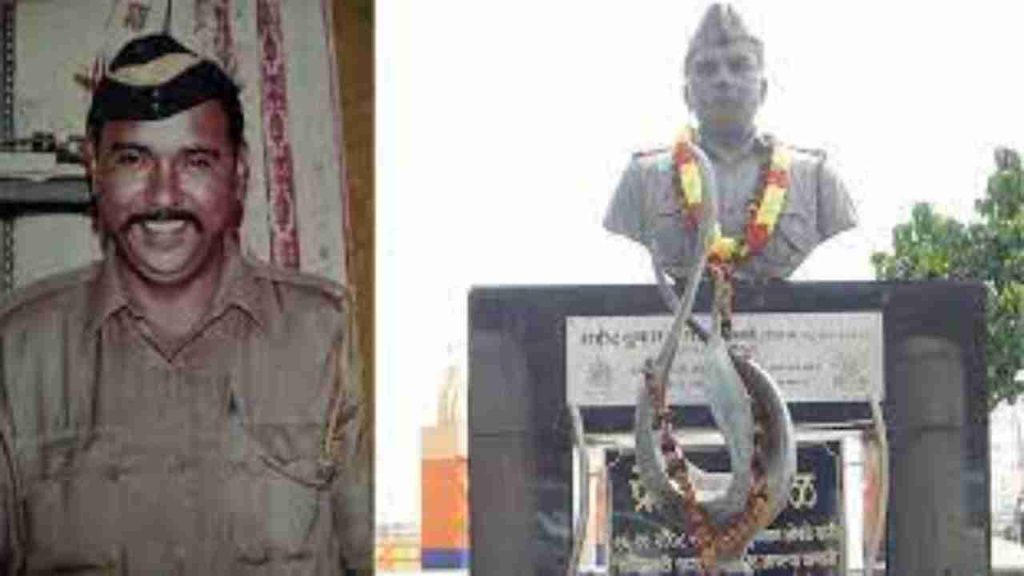
Sub-Inspector Tukaram Omble showed immense courage on the horrifying night and took dozens of bullets at point-blank range fired by Ajmal Kasan. He was a former army officer and his bravery defeated Kasab. Tukaram Omble was honoured with the Ashoka Chakra posthumously.
Sandeep Unnikrishnan
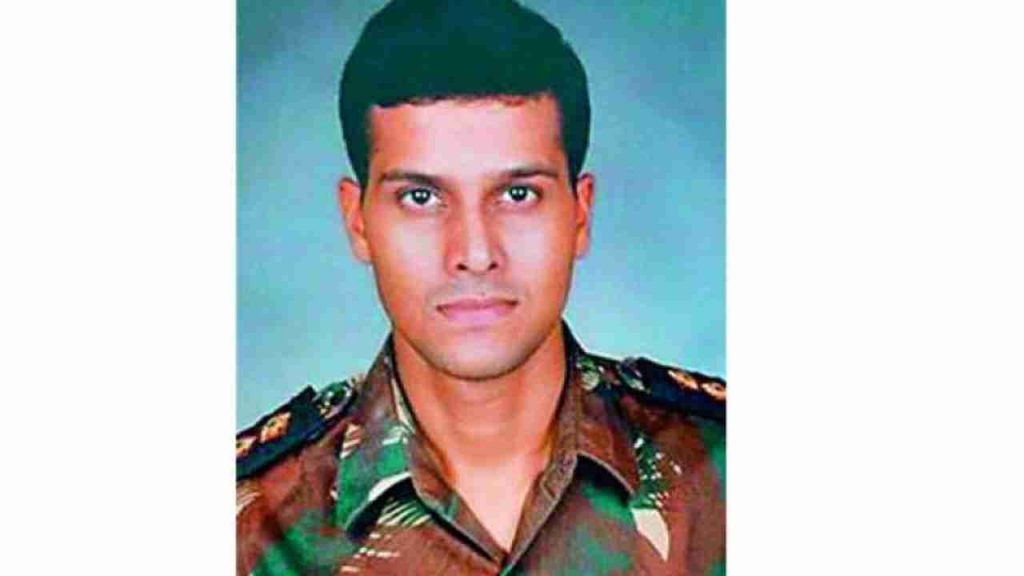
Major Sandeep Unnikrishnan was a member of the elite Special Forces. He lost his life while saving his fellow NSG commandos of 51 Special Action Groups and guests at the Taj Hotel. He was killed by a terrorist who was armed with grenades and an AK-47. Major Sandeep was honoured with the Ashoka Chakra posthumously.
Vijay Salaskar
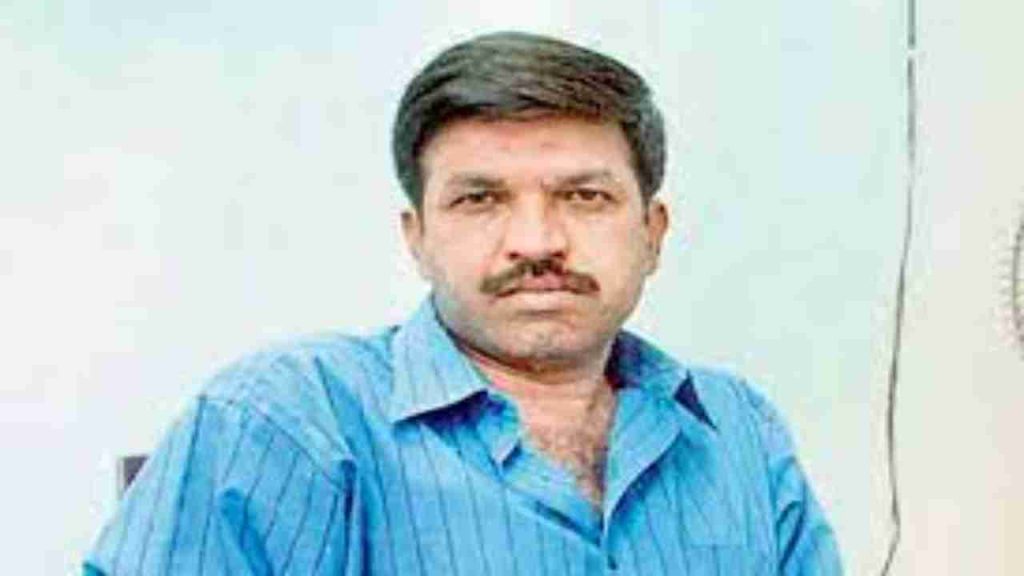
Vijay Salaskar was an encounter specialist. Along with Hemant Karkare, Ashok Kamte, and other constables headed towards Cama hospital in a jeep. The crew was spotted by Ajmal Kasab from behind a tree and several bullets were fired at the policemen. The encounter specialist succumbed to his injuries.
Ashok Kamte
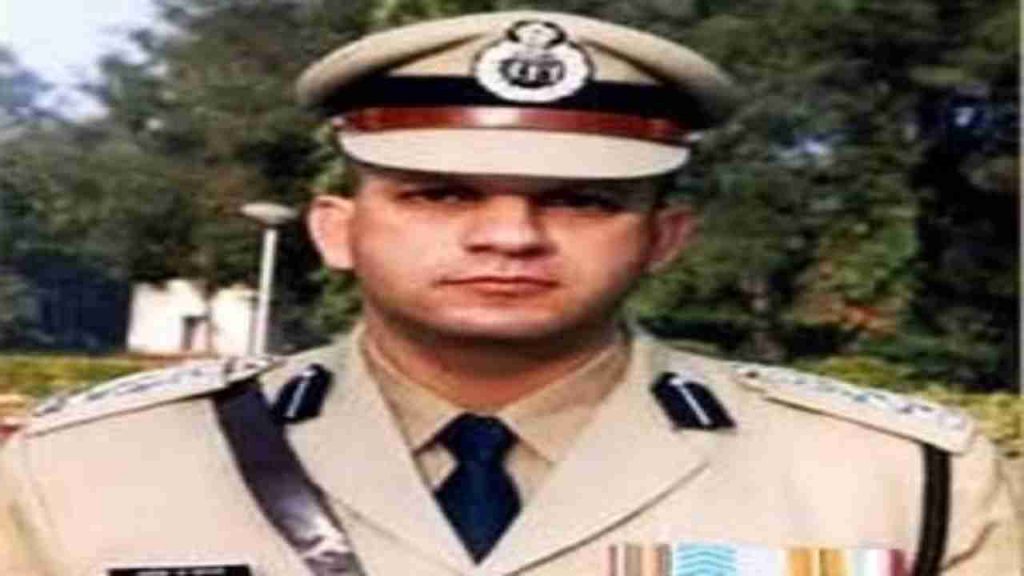
Ashok Kamte was the Additional Commissioner of the Mumbai Police. He was martyred in action by terrorists in a narrow lane between St Xavier’s College and the Rang Bhavan opposite Corporation Bank ATM. He was too awarded with the Ashok Chakra posthumously.






India News
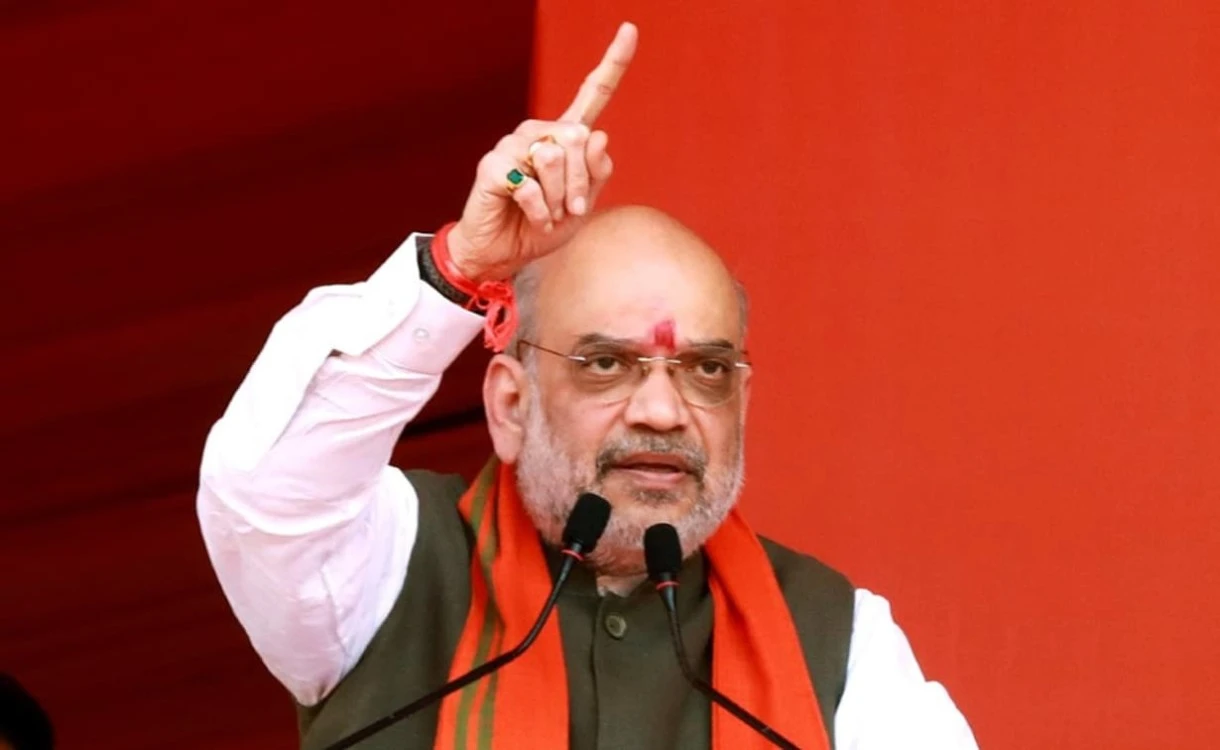
Centre sends 3 letters to Punjab government after anti-drug activist’s killing
The Centre has sought reports from the Punjab government on three incidents linked to allegations surrounding drug-related activities, including the killing of anti-drug activist Parvinder Singh Jhota.

India News
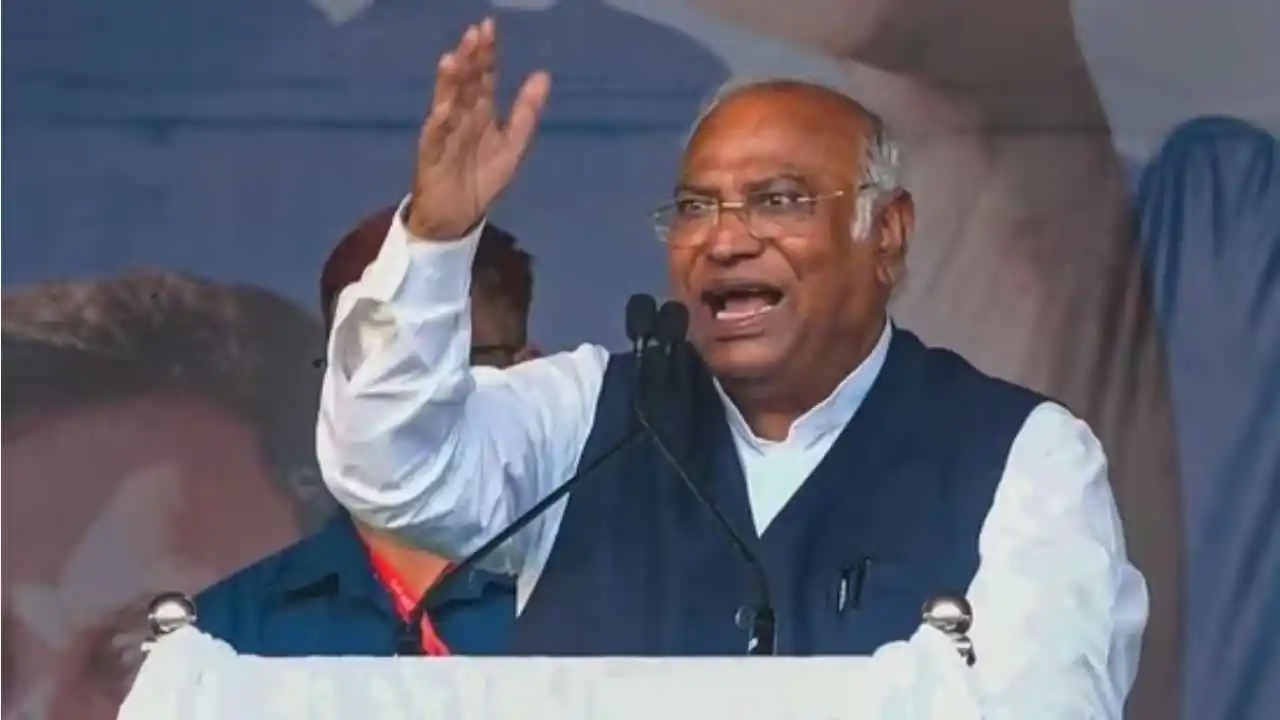
Mallikarjun Kharge seeks all-party meeting with PM Modi on delimitation
Congress president Mallikarjun Kharge has written to Prime Minister Narendra Modi for the fourth time, seeking an all-party meeting on delimitation. He also flagged the 64-day delay in proroguing Parliament’s Monsoon Session.
India News
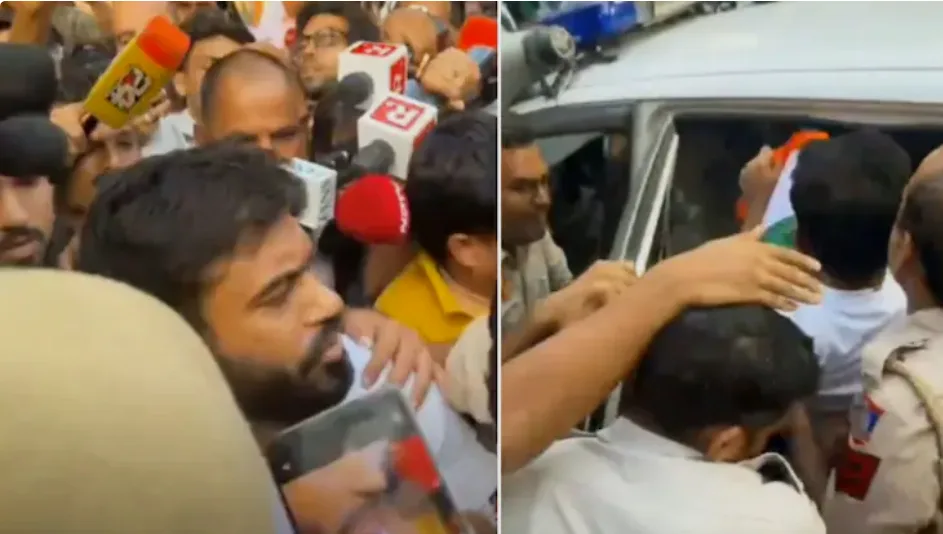
Abhijeet Dipke detained ahead of CJP’s national flag march in Delhi
Cockroach Janta Party founder Abhijeet Dipke was detained by Delhi Police on October 16, 2026, shortly before a planned national flag march. The proposed rally followed the judicial custody of two CJP members who had waved the Tricolour at Jantar Mantar.

Mallikarjun Kharge’s ‘Your Friends’ jab at Rahul Gandhi over congress exits

Magnitude 7 earthquake strikes Russia’s Kamchatka Peninsula

Delhi deploys 25,000 personnel, installs CCTV cameras ahead of CJP march

Abhijeet Dipke detained ahead of CJP’s national flag march in Delhi

Mallikarjun Kharge seeks all-party meeting with PM Modi on delimitation

Centre sends 3 letters to Punjab government after anti-drug activist’s killing
Mallikarjun Kharge seeks all-party meeting with PM Modi on delimitation
Abhijeet Dipke detained ahead of CJP’s national flag march in Delhi
Magnitude 7 earthquake strikes Russia’s Kamchatka Peninsula
Delhi deploys 25,000 personnel, installs CCTV cameras ahead of CJP march

Afghan Men Try To Hang With The Jet Engine Of The Aircraft in Kabul- Afghanistan News – Kabul News
Trending Top 10 News: 10000 Crore Fine on Flipkart, Apple to Launch Unique Feature, Hdfc Bank Job Ad

Trending Top 10 News: Nokia 6310, Apple sales, Bachpan ka Pyar Video Kid, Dainik Bhaskar IT Raid

Trending Top 10 News: Canada bans Indian flights, Rain in Delhi NCR, AIMIM Twitter hacked, Raj Kundra case

Trending Top 10 News: Shein India, Apple New Service, Pocket Oxygen, Oppo Launched New Phone
-
 India News13 hours ago
Mallikarjun Kharge’s ‘Your Friends’ jab at Rahul Gandhi over congress exits
-
 Latest world news12 hours ago
Magnitude 7 earthquake strikes Russia’s Kamchatka Peninsula
-
 India News12 hours ago
Delhi deploys 25,000 personnel, installs CCTV cameras ahead of CJP march
-
 India News3 hours ago
Abhijeet Dipke detained ahead of CJP’s national flag march in Delhi
-
 India News2 hours ago
Mallikarjun Kharge seeks all-party meeting with PM Modi on delimitation
-
 India News1 hour ago
Centre sends 3 letters to Punjab government after anti-drug activist’s killing
