English हिन्दी
Connect with us

Latest world news

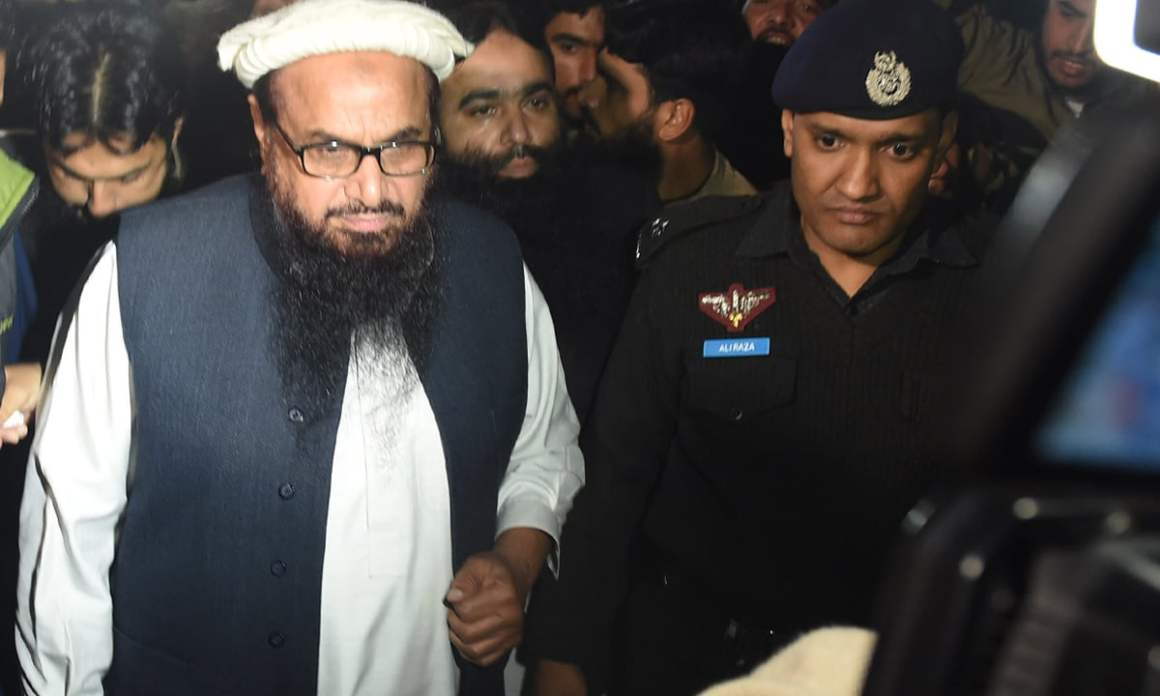
Pak seeks extension of Jamaat-ud-Dawah chief Hafiz Saeed’s detention

Published

on

Hafiz Saeed

[vc_row][vc_column][vc_column_text]Move by Pakistan’s Punjab government comes days after it withdrew an application that sought to prolong Saeed’s house arrest

Pakistan’s Punjab government, on Tuesday, sought the extension of detention of Mumbai attack mastermind Hafiz Saeed under public safety law, two days after withdrawing its application to prolong his house arrest under the anti-terrorism law. Saeed, chief of the Jamat-ud-Dawah terrorist organisation, has been under house arrest since January.

The JuD chief was presented before a three-member provincial judicial review board amid high security on Tuesday. The Punjab Judicial Review Board, comprising Justices Yawar Ali, Abdul Sami and Alia Neelam heard arguments of a law officer of the Punjab home department for the extension of detention of Saeed and his four close aides – Abdullah Ubaid, Malik Zafar Iqbal, Abdul Rehman Abid and Qazi Kashif Hussain.

Their detention period is scheduled to expire on October 24. Under Pakistan’s law, the government can detain a person for up to three months under different charges but is allowed to extend the detention after this period lapses only following an approval from the judicial review board.

According to a report by news agency PTI, the Lahore police had made strict security arrangements around the Lahore High Court building where Saeed and others were presented before the board.

The board, after hearing the law officer, issued notices to Advocate General of Punjab and foreign and interior secretaries of the federal government to appear before it on October 19 and lay out the government’s reasons for demanding an extension of Saeed’s house arrest.

On last Saturday, the Punjab home department had withdrawn its request from the federal board to seek the extension of house arrest of Saeed and his aides under “anti-terrorism acts”.

Explaining why it withdrew its application seeking the extension, the Punjab government said since it has extended the detention of Saeed and four others forOctober 24 under the Maintenance of Public Order Ordinance 1960, it does not require to have their house arrest extended under the anti-terrorism law.

On January 31, Saeed and four others were detained by the Punjab government for 90 days under preventative detention in accordance with provisions of the country’s Anti-Terrorism Act of 1997. However, the last two extensions were made under provisions of the ‘public safety law’.

The Jamaat-ud-Dawah (JuD) has already been declared as a foreign terrorist organisation by the United States in June 2014. The JuD chief carries a reward of USD 10 million announced by the US for his role in terror activities.

(With inputs from PTI)[/vc_column_text][/vc_column][/vc_row]

Latest world news

Magnitude 7 earthquake strikes Russia’s Kamchatka Peninsula

A magnitude 7 earthquake struck Russia’s Kamchatka Peninsula region on Friday. The initial report placed the earthquake at a depth of 140 kilometres.

Published

on

earthquake-tremors

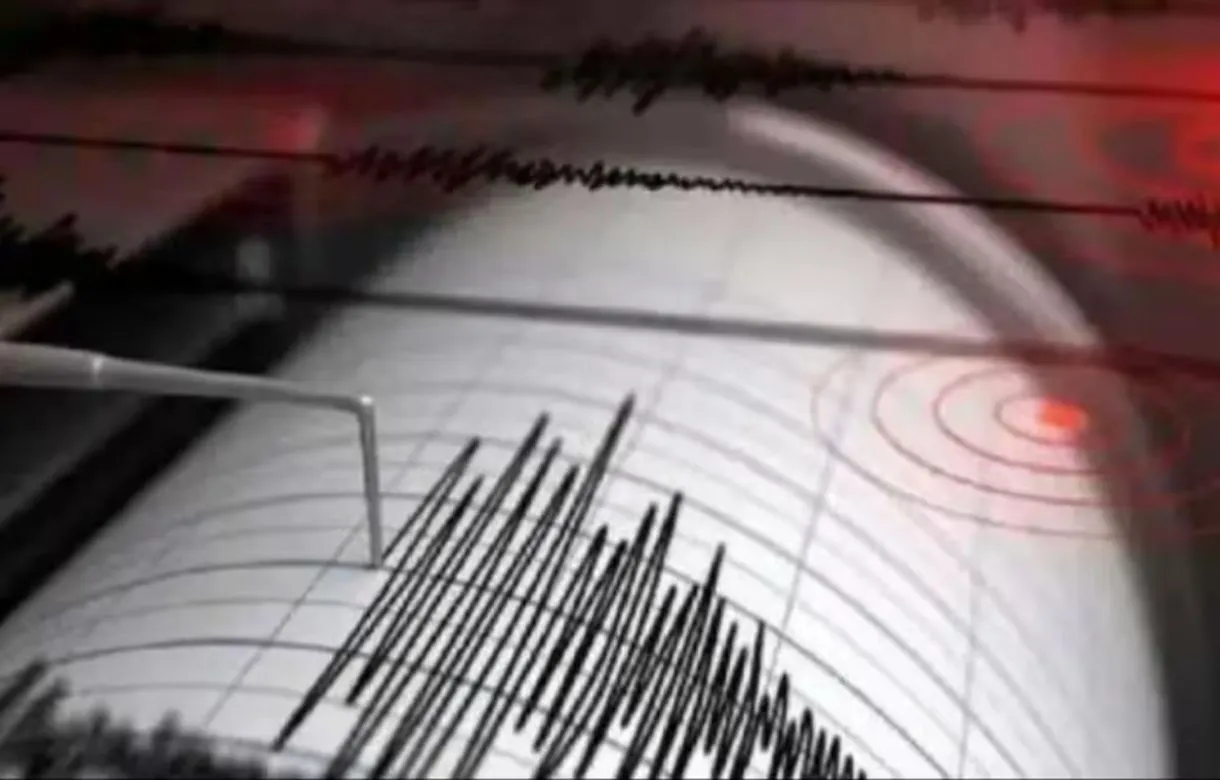
A magnitude 7 earthquake struck Russia’s Kamchatka Peninsula region on Friday, October 16, according to the European-Mediterranean Seismological Centre (EMSC).

The initial report placed the earthquake at a depth of 140 kilometres (approximately 87 miles). Details about the impact of the earthquake, including any damage or casualties, were not immediately available in the initial report.

Earthquake strikes seismically active Kamchatka region

Russia’s Kamchatka Peninsula is a seismically active region where earthquakes occur because of tectonic activity.

The latest earthquake was reported by the EMSC, which provided the initial magnitude and depth estimates. Further information about the situation on the ground was not available in the initial report.

What is known so far

  • Location: Kamchatka Peninsula region, Russia
  • Magnitude: 7.0
  • Date: Friday, October 16, 2026
  • Reported depth: 140 kilometres
  • Casualties and damage: Not provided in the initial report

Continue Reading

Latest world news

S Jaishankar says India is a natural option for Russia amid Europe tensions

External Affairs Minister S Jaishankar said India remained a natural option for Russia as Moscow increasingly turned towards Asia amid strained relations with Europe. He highlighted the continuity of India-Russia ties and their significance for the balance of power in Asia.

Published

on

External Affairs Minister S Jaishankar has described India as a natural option for Russia as Moscow increasingly looks towards Asia amid deteriorating relations with Europe. He said India’s longstanding relationship with Russia had remained steady despite significant changes in the international strategic landscape.

Jaishankar made the remarks during a conversation with John Micklethwait, editor-in-chief of the Bloomberg New Economy Forum. He discussed how the Russia-Ukraine war had affected Moscow’s relationship with Europe and contributed to Russia’s growing focus on Asia.

Jaishankar highlights Russia’s shift towards Asia

Jaishankar said Russia’s relationship with Europe had become deeply strained following the Ukraine war. He noted that Russia had historically viewed itself as a European country and placed considerable importance on its relations with Europe and the United States.

However, the conflict had pushed Moscow to look increasingly towards Asia,with much of that shift directed towards China.

The minister said it was in India’s interest, as well as the wider world’s interest, for Russia to maintain multiple relationships in Asia rather than having its options concentrated in one direction.

Against this backdrop, he described India as a natural partner for Russia, pointing to the longstanding nature of the relationship between the two countries.

India-Russia ties remain steady despite global changes

Jaishankar said India and Russia had maintained a consistent relationship over several decades. He emphasised that New Delhi continued to engage with Moscow even as the global order and Russia’s strategic calculations evolved.

According to the minister, India was reassuring Russia that the relationship built over nearly eight decades remained steady despite the changes in Moscow’s relations with Europe and the wider West.

He stressed that India was not passing a value judgment on those changes but was continuing its bilateral engagement with Russia.

Jaishankar said the relationship had benefited both countries and contributed to the balance of power and the broader status quo in Asia. 

Why the relationship matters for Asia

Jaishankar’s remarks highlighted India’s position in Russia’s changing regional outlook. As Moscow increasingly turns towards Asia, India continues to maintain its longstanding ties with Russia while navigating a changing international environment.

The minister’s comments underscored the importance he placed on preserving India-Russia ties and ensuring that Russia maintained multiple relationships in Asia. 

His assessment came against the backdrop of strained Russia-Europe relations following the war in Ukraine, which has reshaped Moscow’s engagement with Western countries and increased its focus on Asian partners.

Continue Reading

Latest world news

Putin praises PM Modi, says he has very good ideas on Ukraine war

Russian President Vladimir Putin has praised Prime Minister Narendra Modi for repeatedly raising the need to end the Ukraine war, describing his ideas for a settlement as “very good”.

Published

on

Vladimir Putin

Russian President Vladimir Putin has praised Prime Minister Narendra Modi for his continued efforts to promote an end to the Russia-Ukraine war, saying the Indian leader has “very good ideas” aimed at finding a mutually acceptable solution.

Putin made the remarks while addressing the Valdai Forum of international Russia experts, where he spoke about Modi’s repeated efforts to raise the issue of ending the conflict.

What Putin said about PM Modi

Putin said Modi has continued to raise the question of ending the conflict despite the close and friendly relationship between India and Russia.

According to Putin, the Prime Minister has shown a strong interest in finding a solution and has ideas that could help identify mutually acceptable ways to resolve the conflict.

Putin also described India’s position as neutral while highlighting Modi’s interest in bringing the conflict to an end through peaceful means.

The Russian president expressed gratitude to Modi for his ideas and his desire to see the conflict end as soon as possible.

Modi’s position on the Ukraine war

PM Modi has repeatedly called for dialogue and diplomacy to resolve conflicts, including during his meetings with Putin.

During their September 11 meeting in New Delhi, Modi reiterated that dialogue and diplomacy are the way forward for resolving conflicts.

Modi had also told Putin during their meeting on the sidelines of the Shanghai Cooperation Organisation summit in Bishkek that the situation needed to move from “endless war” towards an end to the war.

India has consistently maintained that conflicts should be addressed through dialogue and peaceful means, with Modi previously describing the present period as not being an era of war.

The Russia-Ukraine conflict began in February 2022 and has continued despite repeated diplomatic efforts to seek a resolution.

Continue Reading

Trending

© Copyright 2022 APNLIVE.com