
Top Stories
Indore man’s joke on bomb blast at airport lands him in a soup
During the long questioning with the airport security staff, the man had missed his international flight. After a few hours, the man accepted his mistake and apologized for his immature behavior.


A funny yet weird incident has been reported from Madhya Pradesh where a man landed in a soup after his joke has been taken seriously. A couple with their kid in the early hours on Saturday was about to fly abroad but they have been to take their flight at Devi Ahilyabai International Airport in Indore for joking about the bomb.
The interruption comes after when a man who was going through the security was being asked what was in his bag. In a reply, he jokingly said he was having the bomb in his bag. His reply created a chaotic scene at the airport. The security personnel held him at the checkpoint and called other senior officials and airport police at that moment.
Read Also: Delhi: Woman catches thief for snatching phone in Badarpur, caught on camera | WATCH

Later, he was taken to a private cabin for interrogation. The police questioned him and asked him to show all his belongings including his wife’s luggage. But nothing was found suspicious in their luggage.
During the long questioning with the airport security staff, the man had missed his international flight. After a few hours, the man accepted his mistake and apologized for his immature behavior.
Meanwhile, Central Industrial Security Force (CISF) did not hand over the matter to the higher authority for his immature behavior. The security force asked the couple to make an apology in writing and allowed them to leave the probe cabin.
This is not the first time such an incident made headlines. Recently, a man from Uttar Pradesh has been held of making joke about his own kidnapping. He called the cops and said that he was being abducted from his house by a group of people. Later, when the truth came in, the police imposed a heavy fine on him for spreading fake rumors.
Physics Wallah: Video of students watching obscene video during coaching goes viral, Twitter reacts
Viral: Cat fighting like Kung Fu Panda stuns the internet | WATCH











Latest world news
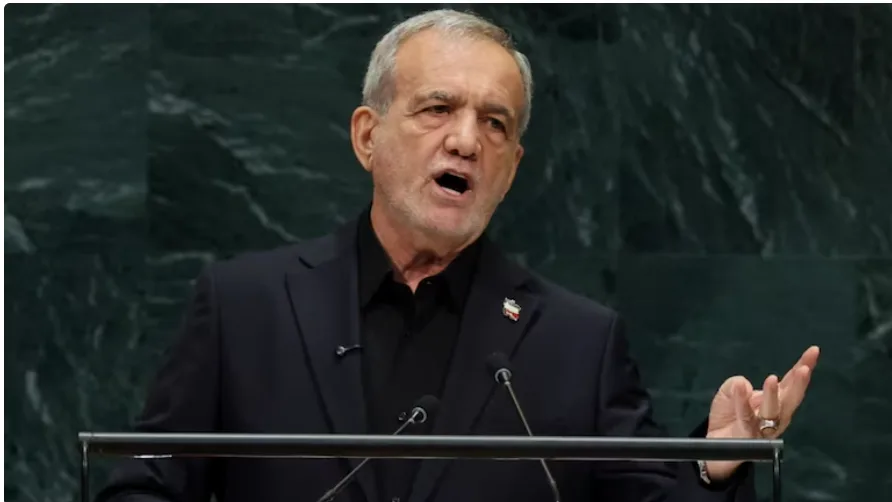
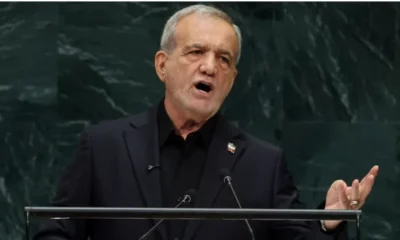
Iranian President Pezeshkian at UN says Iranians have been victims of US terrorism
Iranian President Masoud Pezeshkian said at the UN General Assembly that Iranians had been victims of US terrorism and insisted that Iran had acted in self-defence.

India News
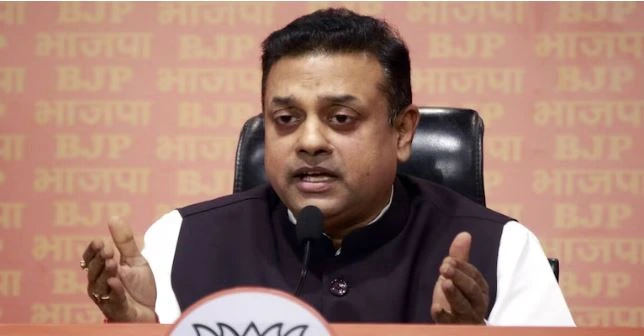
BJP hits back at opposition over EC row, says disagreement is democracy
The BJP has defended reported differences among Election Commissioners, saying internal deliberations are part of a healthy democratic process.
Latest world news
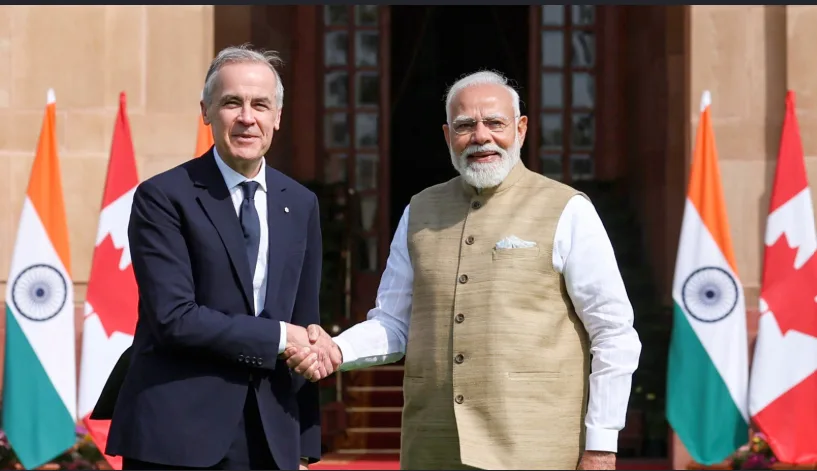
PM Modi’s Canada visit could help wrap trade talks, says Canada PM Mark Carney
Canadian PM Mark Carney said he is looking forward to hosting PM Narendra Modi, with both countries aiming to conclude their ongoing trade negotiations.

PM Modi’s Canada visit could help wrap trade talks, says Canada PM Mark Carney

IIT Bombay Professor Suryanarayana Doolla sent on leave amid student suicide row

BJP hits back at opposition over EC row, says disagreement is democracy

Iranian President Pezeshkian at UN says Iranians have been victims of US terrorism
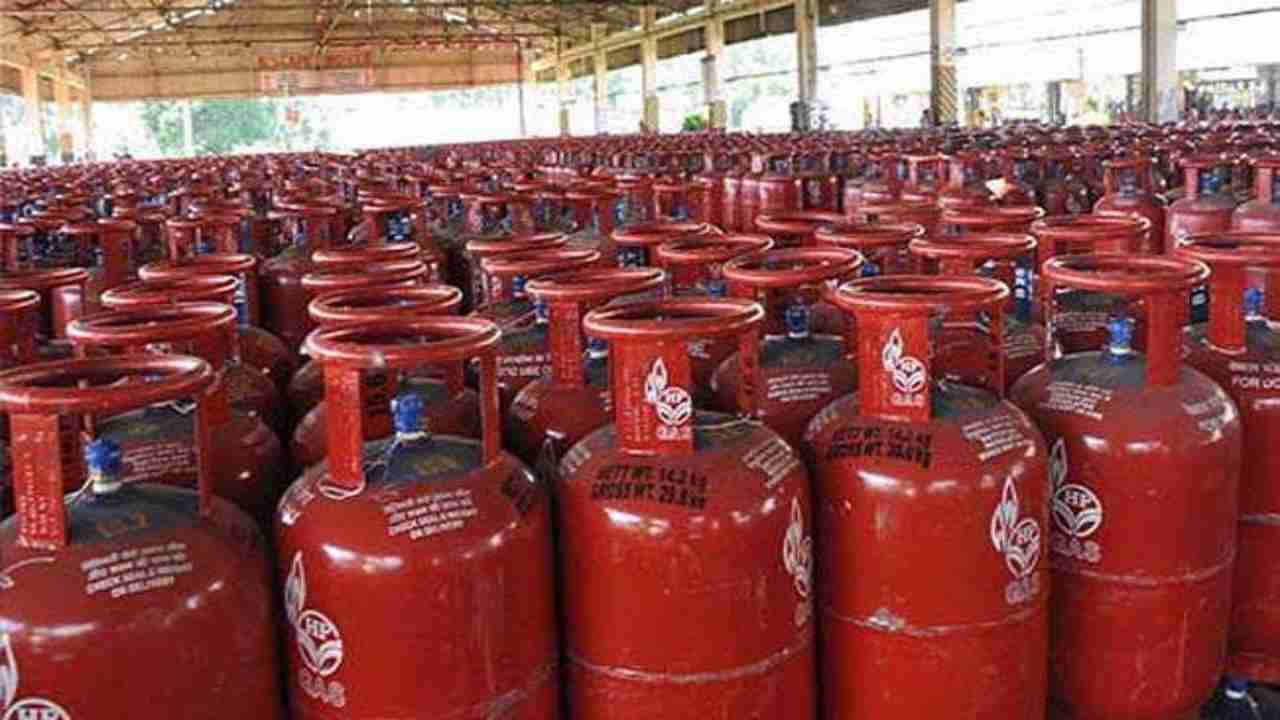
LPG Aadhaar authentication mandatory for subsidy from October 1

Asian Games 2026 Day 4: Mirabai Chanu silver leads India’s medal haul
LPG Aadhaar authentication mandatory for subsidy from October 1
Iranian President Pezeshkian at UN says Iranians have been victims of US terrorism
BJP hits back at opposition over EC row, says disagreement is democracy
PM Modi’s Canada visit could help wrap trade talks, says Canada PM Mark Carney

Afghan Men Try To Hang With The Jet Engine Of The Aircraft in Kabul- Afghanistan News – Kabul News
Trending Top 10 News: 10000 Crore Fine on Flipkart, Apple to Launch Unique Feature, Hdfc Bank Job Ad

Trending Top 10 News: Nokia 6310, Apple sales, Bachpan ka Pyar Video Kid, Dainik Bhaskar IT Raid

Trending Top 10 News: Canada bans Indian flights, Rain in Delhi NCR, AIMIM Twitter hacked, Raj Kundra case

Trending Top 10 News: Shein India, Apple New Service, Pocket Oxygen, Oppo Launched New Phone
-
 Latest world news21 hours ago
PM Modi’s Canada visit could help wrap trade talks, says Canada PM Mark Carney
-
 India News22 hours ago
IIT Bombay Professor Suryanarayana Doolla sent on leave amid student suicide row
-
 India News11 hours ago
BJP hits back at opposition over EC row, says disagreement is democracy
-
 Latest world news11 hours ago
Iranian President Pezeshkian at UN says Iranians have been victims of US terrorism
-
India News11 hours ago
LPG Aadhaar authentication mandatory for subsidy from October 1
-
LATEST SPORTS NEWS10 hours ago
Asian Games 2026 Day 4: Mirabai Chanu silver leads India’s medal haul
