
Latest world news
Russia warns US to consider Moscow-Ankara-Tehran efforts on Syria


Moscow allege Washington for need based anti-terrorism policy
Divide between US and Russia over developments in Syria was getting more vertical after Saturday’s UN resolution for 30-day ceasefire all over the country. In a rare move, Russian embassy in Washington has warned US administration that it should take into account the “tireless efforts” made by Russia, Turkey and Iran to reconcile the Syrians.
According to TASS official news agency, the statement issued by Russian embassy was in response to remarks by the State Department Spokesperson Heather Nauert about “the failure of the Astana process” in connection with the situation in Eastern Ghouta.
The Russian embassy statement said, “UN Security Council Resolution 2401 passed on February 24 points to efforts made by Russia, Turkey and Iran as the guarantor nations of the Astana process to reduce violence on the way towards a comprehensive ceasefire throughout Syria. We confirm that we, together with our Turkish and Iranian partners, continue the painstaking work in this direction and are getting ready for the next Astana-format meeting in March”.
The Russian statement further said, “The US supported the passing of Resolution. In light of that, we took note of remarks by Spokesperson Heather Nauert about the ‘failure of the Astana process’ in connection with the situation in Eastern Ghouta made at a State Department press briefing on February 22, which contravene the US stance at the UN”.
It further said, “Such biased statements cannot fail to raise eyebrows. It has never occurred to anyone to talk about ‘the failure of Geneva,’ despite the fact that, unfortunately, no significant milestones in the Syrian political settlement have been achieved there ever since it was launched.”
In a more direct criticism of Washington policy on terrorism, the Russian embassy further said, “We hope that the United States was not guided by the need to stop counterterrorism operations against the Islamic State, Jabhat al-Nusra, Ahrar al-Sham, the Army of Islam and Faylaq al-Rahman groups (outlawed in Russia ) operating in the suburbs of Damascus”.
The statement continues saying, “However, there are some doubts on that score. Sources ‘on the ground’ cited by Americans more and more often indicate that the information on the situation in Syria received by them comes from the White Helmets NGO, which is mixed in with terrorists and which is financed by Western proponents of the concept of forcible change of unwanted regimes.”
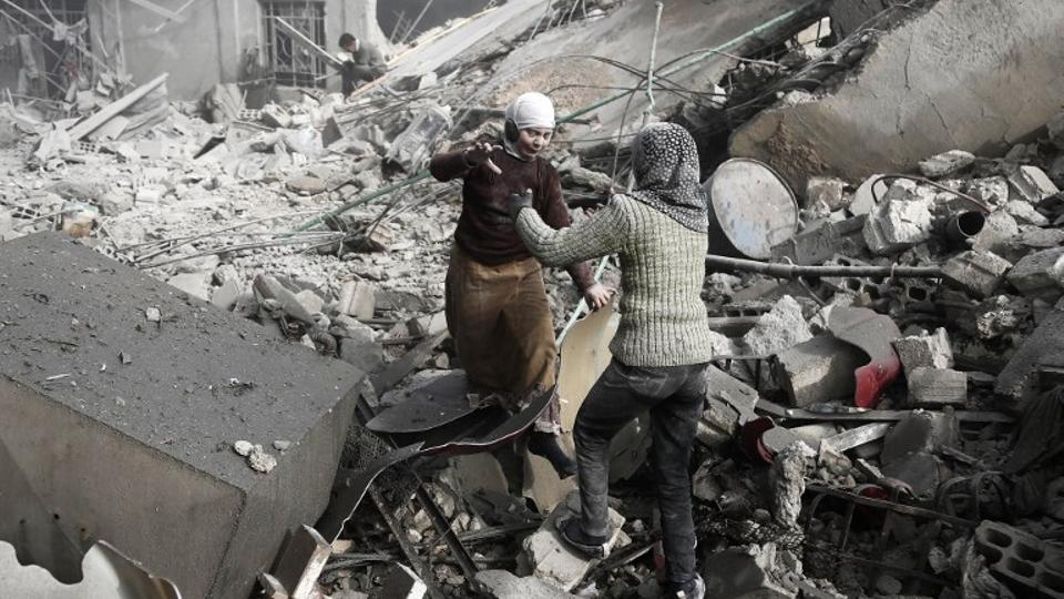
Moreover, Russian Reconciliation Centre for Syria, a Latakia based joint Turkish-Russian enterprise in agreement with US-led coalition, has warned that militants in Eastern Ghouta were preparing to launch a chemical attack which would later be blamed on Syrian government.
The centre in its report released on Sunday said, “The data at our disposal indicates the leaders of militant units are preparing a provocation that will involve the utilization of chemical weapons in order to accuse the government forces of deploying chemical weapons against peaceful civilians.” The centre has also called on all sides engaged in the conflict to halt all combat actions and armed provocations.
Meanwhile, Reuters reports from Beirut that Iran said pro-Damascus forces would press ahead with attacks on an insurgent enclave near Syrian capital as ground fighting raged on there in defiance of the UN resolution demanding a 30-day ceasefire across the country.
Similarly, Turkey has also said that its military operations in another theatre of war in northern Syria would not be affected by the UNSC vote demanding ceasefire to allow for aid access and medical evacuations from the besieged area.
Reuters further quoted anti-government rebels that they clashed with pro-government forces near Damascus on Sunday as the rescuers and residents confirmed that warplanes struck some towns in the Eastern Ghouta area.
However, London based Syrian Observatory for Human Rights (SOHR) said that air-strikes and artillery killed nine people and injured 31 others. Bombing was reportedly less intense than previous week.
Meanwhile, Aljazeera, which has lost its credibility among Syrians due to alleged bias reporting, says that Syrian forces have launched a ground and air-offensive in Eastern Ghouta, hours after UNSC vote for a 30-day ceasefire.
It further said that President Bashar al-Assad forces began fighting opposition groups from multiple fronts in the rebel-held enclave near Damascus on Sunday morning. The Syrian warplanes continued shelling for the eighth consecutive day.
In February last year, Western countries, especially US administration, were stepping up campaign against Syria’s suspected use of chemical welfare. Washington had accused Damascus regime of developing “new kind of weapons” tom deliver deadly toxins. They alleged Damascus for using sarin gas causing 80 deaths in March 2016. Damascus denied the allegations.






Latest world news
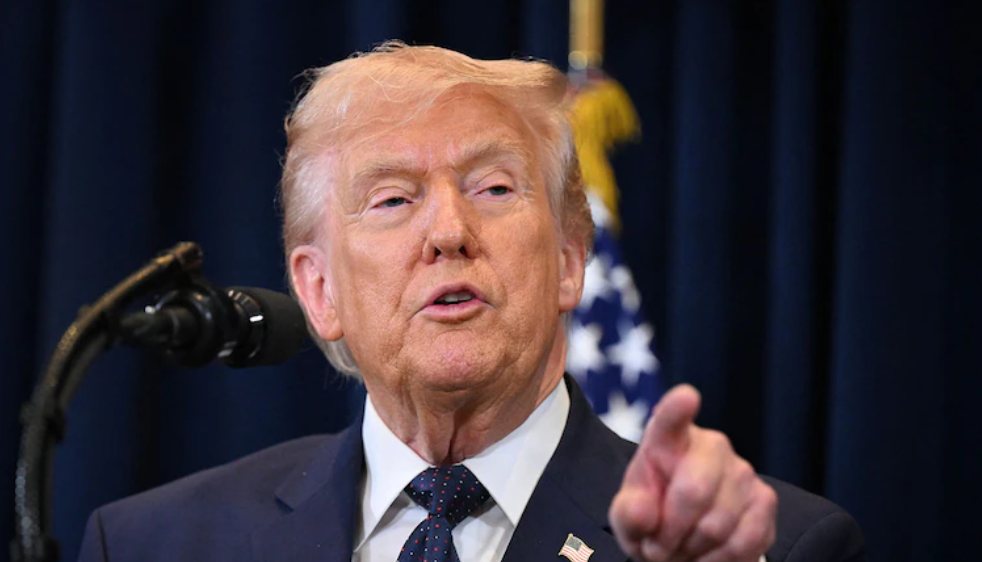
Trump rejects Iran’s 7-day peace plan, says deal can come after US polls
US President Donald Trump rejected Iran’s seven-day proposal to end hostilities and indicated that a deal could come after the US midterm elections in November.

Latest world news
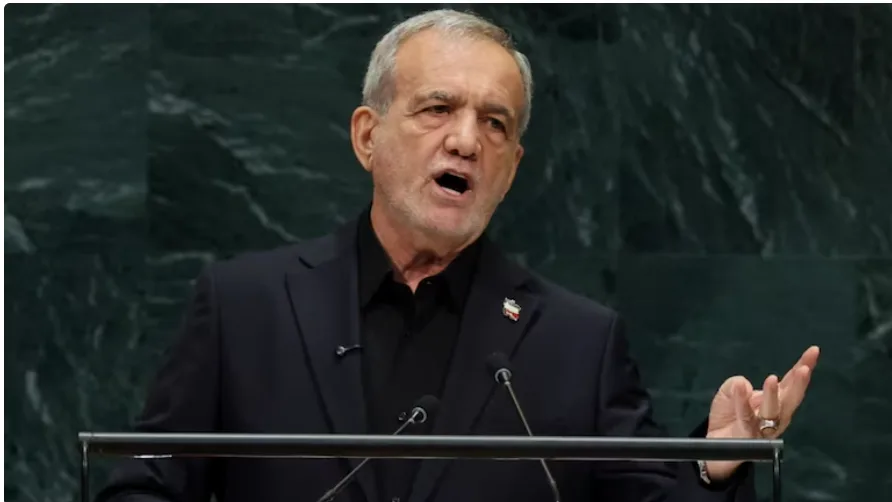
Iranian President Pezeshkian at UN says Iranians have been victims of US terrorism
Iranian President Masoud Pezeshkian said at the UN General Assembly that Iranians had been victims of US terrorism and insisted that Iran had acted in self-defence.
Latest world news
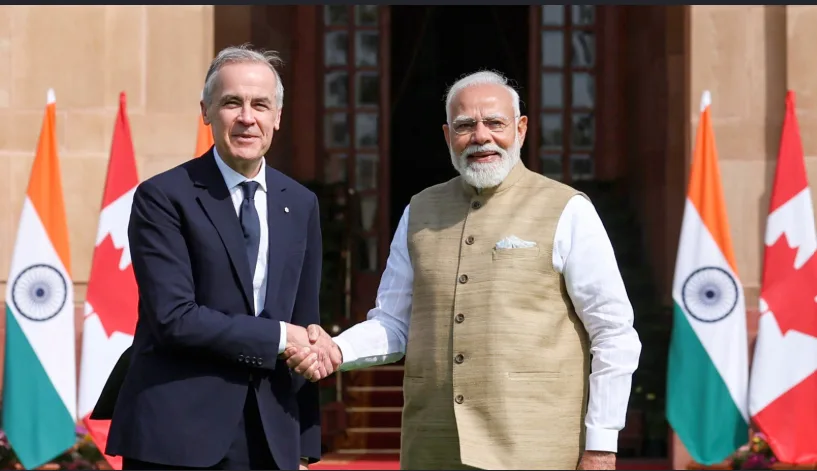
PM Modi’s Canada visit could help wrap trade talks, says Canada PM Mark Carney
Canadian PM Mark Carney said he is looking forward to hosting PM Narendra Modi, with both countries aiming to conclude their ongoing trade negotiations.

Congress protests against Gyanesh Kumar, demands Election chief’s resignation

Women wrestlers challenge Brij Bhushan’s acquittal in sexual harassment case

Veeramani POCSO case: Vijay questions Stalin over earlier probe

India hits back at Shehbaz Sharif at UN, says terror will have consequences

Trump rejects Iran’s 7-day peace plan, says deal can come after US polls
Trump rejects Iran’s 7-day peace plan, says deal can come after US polls
India hits back at Shehbaz Sharif at UN, says terror will have consequences
Veeramani POCSO case: Vijay questions Stalin over earlier probe
Women wrestlers challenge Brij Bhushan’s acquittal in sexual harassment case
Congress protests against Gyanesh Kumar, demands Election chief’s resignation

Afghan Men Try To Hang With The Jet Engine Of The Aircraft in Kabul- Afghanistan News – Kabul News
Trending Top 10 News: 10000 Crore Fine on Flipkart, Apple to Launch Unique Feature, Hdfc Bank Job Ad

Trending Top 10 News: Nokia 6310, Apple sales, Bachpan ka Pyar Video Kid, Dainik Bhaskar IT Raid

Trending Top 10 News: Canada bans Indian flights, Rain in Delhi NCR, AIMIM Twitter hacked, Raj Kundra case

Trending Top 10 News: Shein India, Apple New Service, Pocket Oxygen, Oppo Launched New Phone
-
 India News19 hours ago
Congress protests against Gyanesh Kumar, demands Election chief’s resignation
-
 India News18 hours ago
Women wrestlers challenge Brij Bhushan’s acquittal in sexual harassment case
-
 India News17 hours ago
Veeramani POCSO case: Vijay questions Stalin over earlier probe
-
 India News4 hours ago
India hits back at Shehbaz Sharif at UN, says terror will have consequences
-
 Latest world news4 hours ago
Trump rejects Iran’s 7-day peace plan, says deal can come after US polls
