English हिन्दी
Connect with us

Top Stories

WATCH: Teachers get into fisticuffs in front of students at UP’s government school

The clash between the three female teachers continued for about 45 minutes.

Published

on

WATCH: Teachers get into fisticuffs in front of students at UP’s government school

The school is considered to be a place of imparting knowledge, but it was turned into a battle arena as a brawl broke out between women teachers at a government school in the Hamirpur district of Uttar Pradesh.

The video showing women teachers fighting and hurling abuse at each other has gone viral.

The clash between the three female teachers continued for about 45 minutes. The students are also seen trying to drive them away, but the teachers continue to thrash each other.

Taking cognizance of the viral video, the BSA has suspended all three of them. This case pertains to the Girls’ Pre-Secondary School in Kurara town of Hamirpur district.

https://twitter.com/apnnewsindia/status/1577150714148978688

Preeti Nigam is posted as headmistress of the school, while Nahid Hashmi is an assistant teacher and Pushpalata Pandey is the Paricharika (female helper).

According to the reports, on October 2, the function of Gandhi Jayanti was being celebrated in the school. The students were giving dance and musical performances in the presence of Assistant Teacher Nahid Hashmi.

After a while, Headmistress Preeti reaches there and asks the children to come outside as the National Flag was needed to be hoisted on time. On this, Nahid Hashmi started shouting at Preeti and forbade the children from going out.

An argument breaks between the two and soon both of them got into a scuffle. Out of fear, some students ran outside the classroom. At the same time, some tried to separate them.

The national flag was also seen lying on the ground. The video of this assault is doing rounds on social media.

On this, Basic Shiksha Adhikari (BSA) Kalpana Jaiswal has taken strict action against both the teachers and has suspended them. The matter is being investigated.

India News

LK Advani, 98, hospitalised in Delhi with chest infection

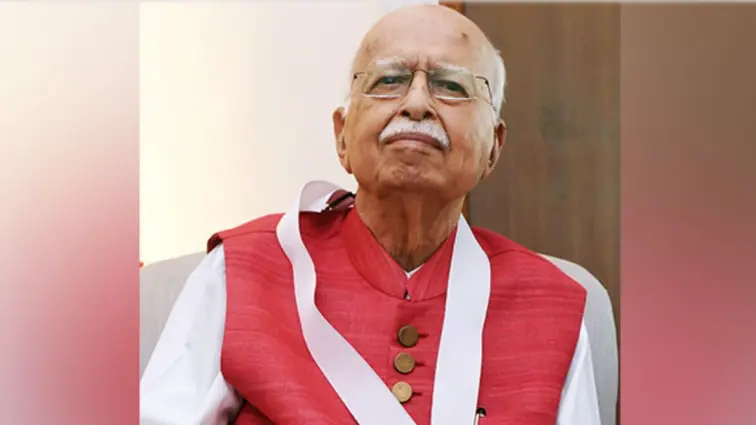
Veteran BJP leader LK Advani, 98, has been admitted to Delhi’s Indraprastha Apollo Hospital with a chest infection. Hospital officials said his condition was stable.

Published

on

Veteran Bharatiya Janata Party (BJP) leader and former Deputy Prime Minister Lal Krishna Advani has been admitted to Indraprastha Apollo Hospital in Delhi with a chest infection. Hospital officials have said that his condition is stable.

The 98-year-old leader was brought to the hospital at around 7.30 pm on Friday, October 16, and admitted to its pulmonary department. He is receiving treatment and remains under observation by a team of doctors, with medical tests underway.

LK Advani’s recent hospitalisation

Advani was previously admitted to Apollo Hospital in May 2026 because of age-related health complications. He remained under medical care for a few days before being discharged, according to the report.

In December 2024, the veteran BJP leader was admitted to the intensive care unit (ICU) at Indraprastha Apollo Hospital for medical management and investigations. He received treatment under the supervision of a neurologist, and the hospital had described his condition as stable at the time.

On December 17, 2024, the hospital reported gradual improvement and indicated that he was likely to be moved out of the ICU within the next one to two days.

Advani’s political career

Advani has been a prominent figure in the BJP’s rise in Indian politics. He served as the party’s president on multiple occasions and played a significant role in expanding its organisational presence.

His 1990 Ram Rath Yatra became a major event in the country’s political history. He later served as Union Home Minister and was India’s Deputy Prime Minister from 2002 to 2004 in the government led by Atal Bihari Vajpayee.

In recognition of his contribution to public life, Advani was awarded the Bharat Ratna, India’s highest civilian honour, in 2024. He had previously received the Padma Vibhushan in 2015.

Continue Reading

Latest world news

Trump waives Russia-related sanctions, tariffs in relief for India

Donald Trump has waived several Russia-related sanctions, restrictions and duties under a new US law, potentially easing tariff pressure on India and China, two major buyers of Russian energy.

Published

on

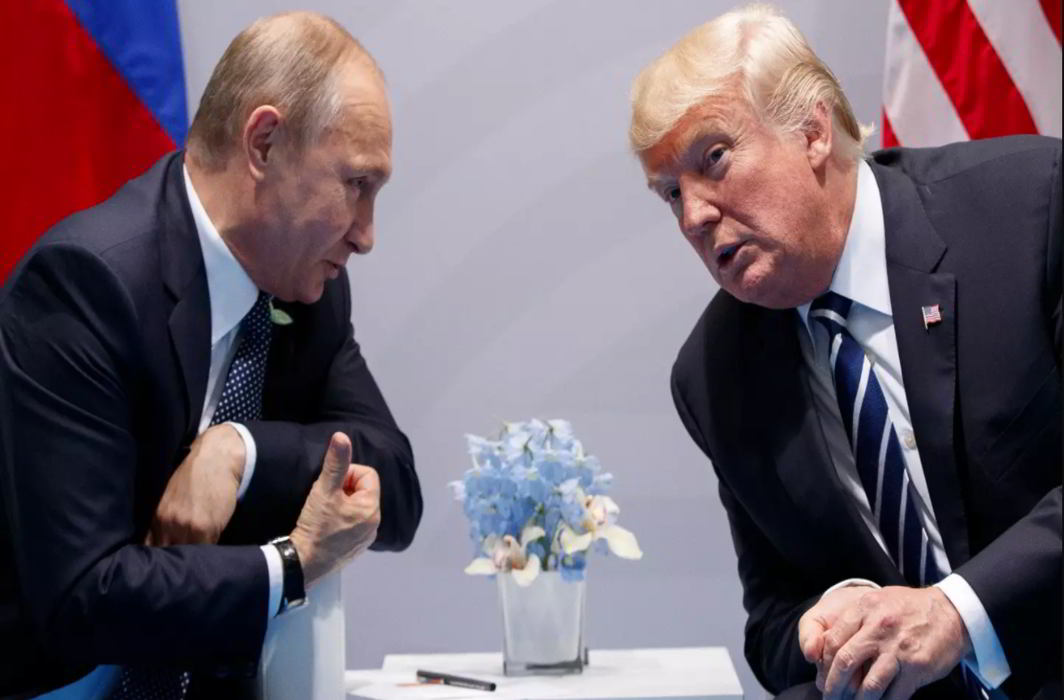
Vladimir Putin and Donald Trump

US President Donald Trump has waived many Russia-related sanctions, restrictions and duties, offering relief to India and China amid the threat of additional tariffs over their purchases of Russian oil and gas.

The waiver came one day before the measures were due to take effect under a bill signed into law by Trump last month. The legislation sought to increase pressure on Russia by enabling additional tariffs on countries buying its oil and gas.

Trump issued an executive order waiving many Russia-related measures, easing the immediate threat of additional tariffs for major buyers of Russian oil and gas, including India and China.

What Trump’s waiver means for India and China

India and China have been among the largest buyers of Russian energy, putting them at risk under the new US legislation.

The law authorised the US president to impose tariffs of up to 100% on goods from major importers of Russian oil and gas. Such penalties were intended to pressure countries to reduce their purchases of Russian energy and limit Moscow’s revenue during the Ukraine war.

The waiver eases the immediate threat posed by those provisions. However, it should not be interpreted as a permanent removal of every possible Russia-related sanction or tariff. The scope of the decision is defined by the measures covered under the executive order.

What is the Lindsey Graham Act?

The Lindsey O. Graham Sanctioning Russia and Iran Act of 2026 was enacted to expand Washington’s ability to penalise Russia and countries supporting its energy trade.

The legislation allows the US president to impose tariffs of up to 100% on goods imported from countries covered by its provisions on Russian oil and gas purchases.  It also provides for sanctions targeting Russian officials, financial institutions and energy interests, alongside measures against entities involved in helping Russia evade existing restrictions.

The legislation is named after the late US Senator Lindsey Graham, who was a prominent advocate of stronger economic pressure on Russia over its invasion of Ukraine.

Importantly, the law gave Trump discretion over the use of its tariff provisions rather than automatically imposing the maximum tariff on every country buying Russian energy. It also included a mechanism allowing the president to waive measures when he certifies that doing so serves US national interests.

Why the decision matters amid the Ukraine war

The US legislation was intended to increase pressure on Russia by targeting both its energy revenues and countries that continued to purchase its oil and gas.

For India, the potential tariffs had added another point of friction in its trade relationship with Washington. New Delhi has maintained that its energy purchasing decisions are guided by national interests and energy security.

China, another major importer of Russian energy, had also faced the prospect of additional trade penalties under the law.

Trump’s decision to waive several measures reduces the immediate tariff threat for affected countries. However, the move does not itself resolve the wider dispute over Russian energy purchases or the continuing war in Ukraine. The administration’s future decisions will determine how the relevant provisions are applied.

Continue Reading

India News

Mallikarjun Kharge seeks all-party meeting with PM Modi on delimitation

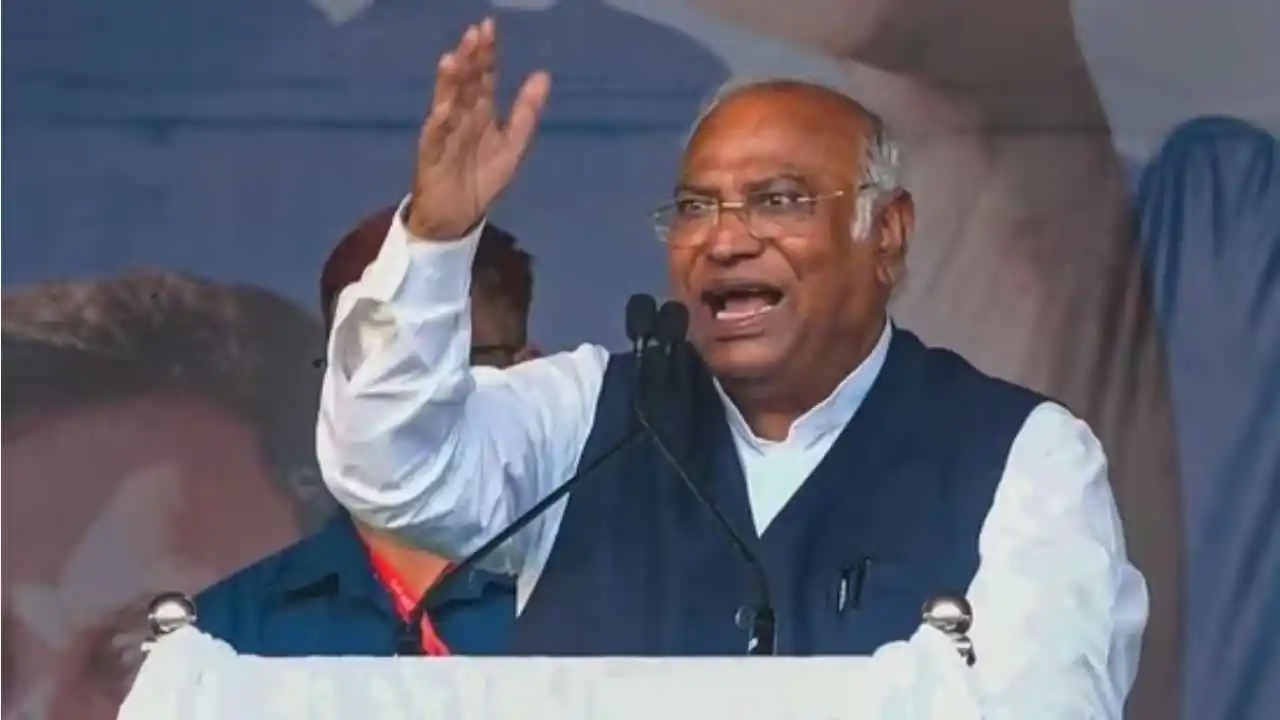
Congress president Mallikarjun Kharge has written to Prime Minister Narendra Modi for the fourth time, seeking an all-party meeting on delimitation. He also flagged the 64-day delay in proroguing Parliament’s Monsoon Session.
Published

on

Congress president Mallikarjun Kharge has renewed his demand for an all-party meeting with Prime Minister Narendra Modi to discuss the government’s proposed delimitation exercise, arguing that political parties must have adequate time to examine the proposals before they are finalised for consideration in Parliament.

In a letter to the prime minister on Friday, October 16, Kharge also raised concerns over what he described as an unprecedented delay in formally proroguing Parliament’s Monsoon Session. He said 64 days had passed since the session was adjourned sine die on August 13, while both Houses were yet to be prorogued.

Kharge seeks wider consultations on delimitation

Kharge said he had first written to Modi on April 11, requesting an all-party meeting before the government introduced a constitutional amendment bill concerning delimitation.

According to the Congress president, the government did not convene the requested meeting before making the bills public late on April 14 and calling a special session of Parliament on April 16.

The constitutional amendment bill on delimitation subsequently failed to secure the required two-thirds majority in the Lok Sabha on April 17.

Kharge said he had again written to the prime minister on July 16 and August 27, reiterating his demand for consultations. In his latest letter, he made the request for the fourth time, asking the government to discuss its revised proposals with political parties before finalising them for parliamentary consideration.

The Congress chief stressed that political parties should receive sufficient time to discuss the proposals among themselves and with other stakeholders.

He also cautioned the government against attempting to push through another far-reaching constitutional amendment without adequate deliberation.

Congress raises concern over Parliament session

Apart from delimitation, Kharge highlighted the delay in proroguing the Monsoon Session, which was adjourned sine die on August 13.

He described the 64-day gap as unprecedented and linked the issue to concerns about possible government plans to bring fresh delimitation proposals before Parliament.

Prorogation formally ends a parliamentary session. Kharge’s letter raised the issue while urging the government to ensure wider political consultation before proceeding with any new legislative proposals.

Jairam Ramesh shares Kharge’s letter

Congress general secretary for communications Jairam Ramesh also drew attention to the letter by sharing it on X.

Ramesh said Kharge had written to Modi about the delay in proroguing the Monsoon Session and the possibility of further government moves on delimitation.

The Congress’s latest demand centres on securing time for political parties to examine the government’s proposals before they are finalised for consideration in Parliament.

Continue Reading

Trending

© Copyright 2022 APNLIVE.com