
Latest world news
40 killed in US-Bangla plane crash at Kathmandu airport


Forty people have died in an air-crash involving US-Bangla airlines plane at Tribhuvan International Airport (TIA) in Kathmandu, the Nepalese capital on Monday afternoon.
Kathmandu Post reports that Nepal Police Director General Manoj Neupane said that there were 71 people including four crew members on board the 78-seater Bombardier Dash 8 Q400 aircraft.
The ill-feted plane took off from Dhaka, Bangladesh and crashed at 2:18 pm local time while landing. Kamrul Islam, the head of public relations of the US-Bangla airline also confirmed the figures.
Neupane said 31 bodies were pulled out from the crashed plane and nine others were declared dead at different hospitals. Now twenty-two people are receiving treatment.
According to TIA spokesperson Prem Nath Thakur, the aircraft with call sign S2-AGU caught fire after it careened off the runway during landing and crashed onto a foot-ball ground near TIA.
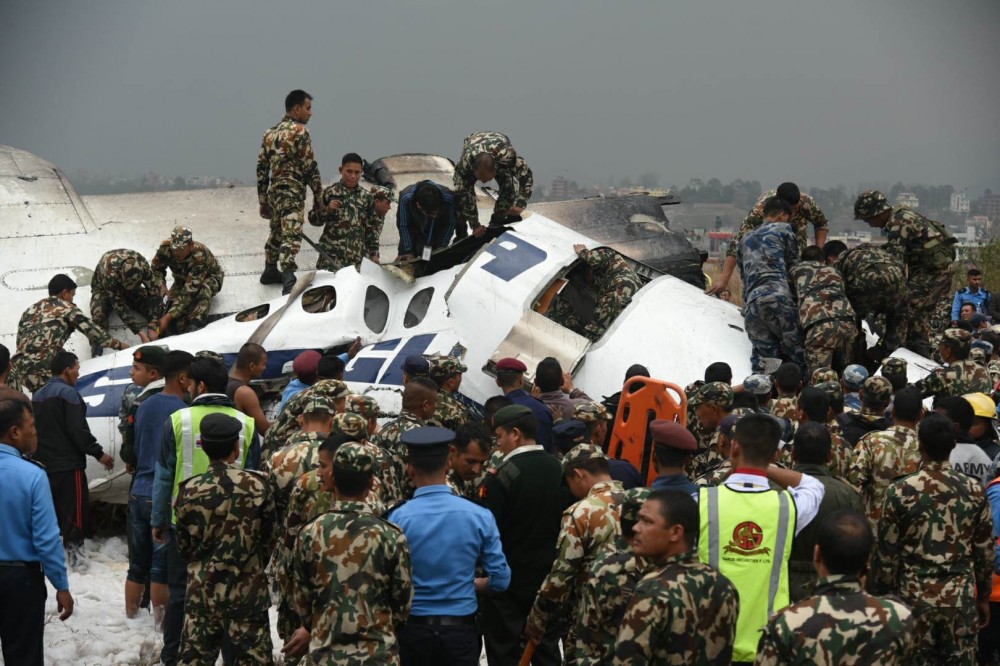 In an earlier statement Suresh Acharya, Joint Secretary in the Ministry of Tourism said that 25 injured passengers were rescued and sent to different hospitals for treatment. TIA said there were 37 males, 27 females and two children onboard the aircraft. There were 33 Nepali passengers.
Meanwhile, Sanjiv Gautam, the Director General of Civil Aviation Authority of Nepal (CAAN) said that the plane was out of control when it attempted to land on the runway.
“The aircraft was permitted to land from the Southern side of the runway over Koteshwor but it landed from the Northern side,” said Gautam suspecting the aircraft might have sustained some technical glitches. “We are yet to ascertain the reason behind the unusual landing,” he added.
Rescue team of TIA and Nepal Army personnel rushed the accident site following the crash. All flights in and out of TIA were cancelled following the mishap.
US-Bangla Airlines is a privately owned Bangladeshi airline headquartered in Dhaka and based at Shahjalal International Airport. It commenced its operation in 2014 and owns seven passenger planes offering connections to 15 destinations with “Fly-Fast-Fly Safe” slogan.








Latest world news
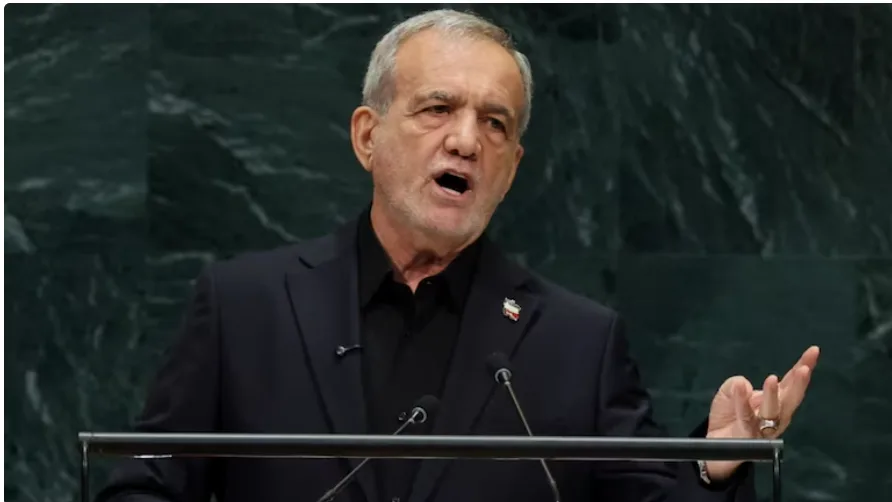
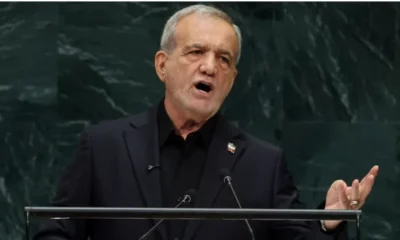
Iranian President Pezeshkian at UN says Iranians have been victims of US terrorism
Iranian President Masoud Pezeshkian said at the UN General Assembly that Iranians had been victims of US terrorism and insisted that Iran had acted in self-defence.

Latest world news
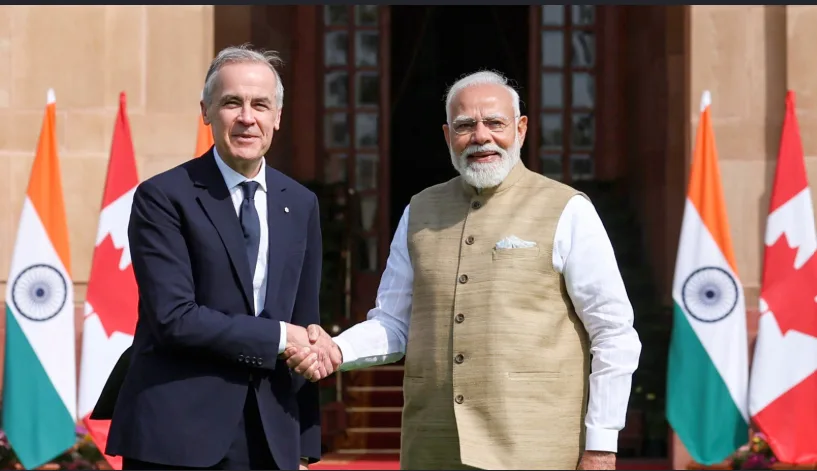
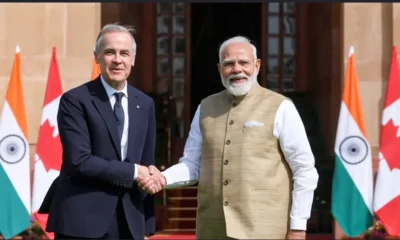
PM Modi’s Canada visit could help wrap trade talks, says Canada PM Mark Carney
Canadian PM Mark Carney said he is looking forward to hosting PM Narendra Modi, with both countries aiming to conclude their ongoing trade negotiations.
Latest world news
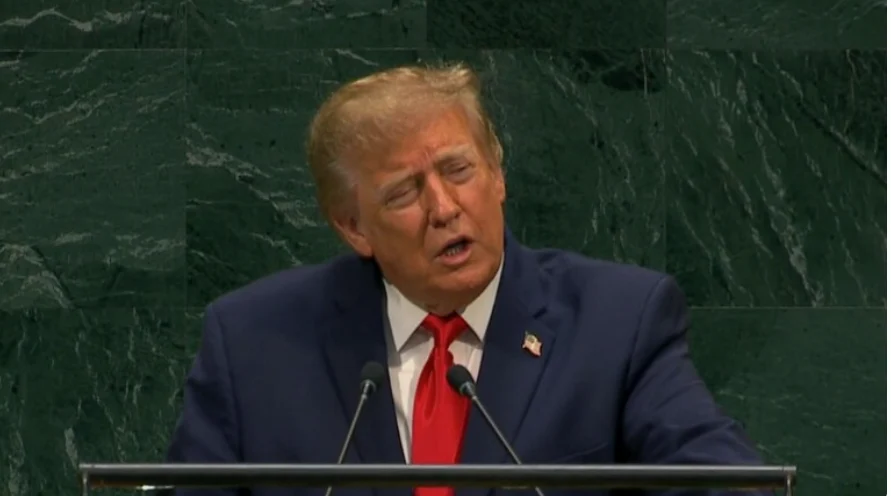
Trump issues fresh Iran warning at UN General Assembly, signals deal after midterms
US President Donald Trump issued a fresh warning to Iran during his UN General Assembly address, saying he faces a choice between a deal and further escalation.

PM Modi’s Canada visit could help wrap trade talks, says Canada PM Mark Carney

IIT Bombay Professor Suryanarayana Doolla sent on leave amid student suicide row

Iranian President Pezeshkian at UN says Iranians have been victims of US terrorism

BJP hits back at opposition over EC row, says disagreement is democracy
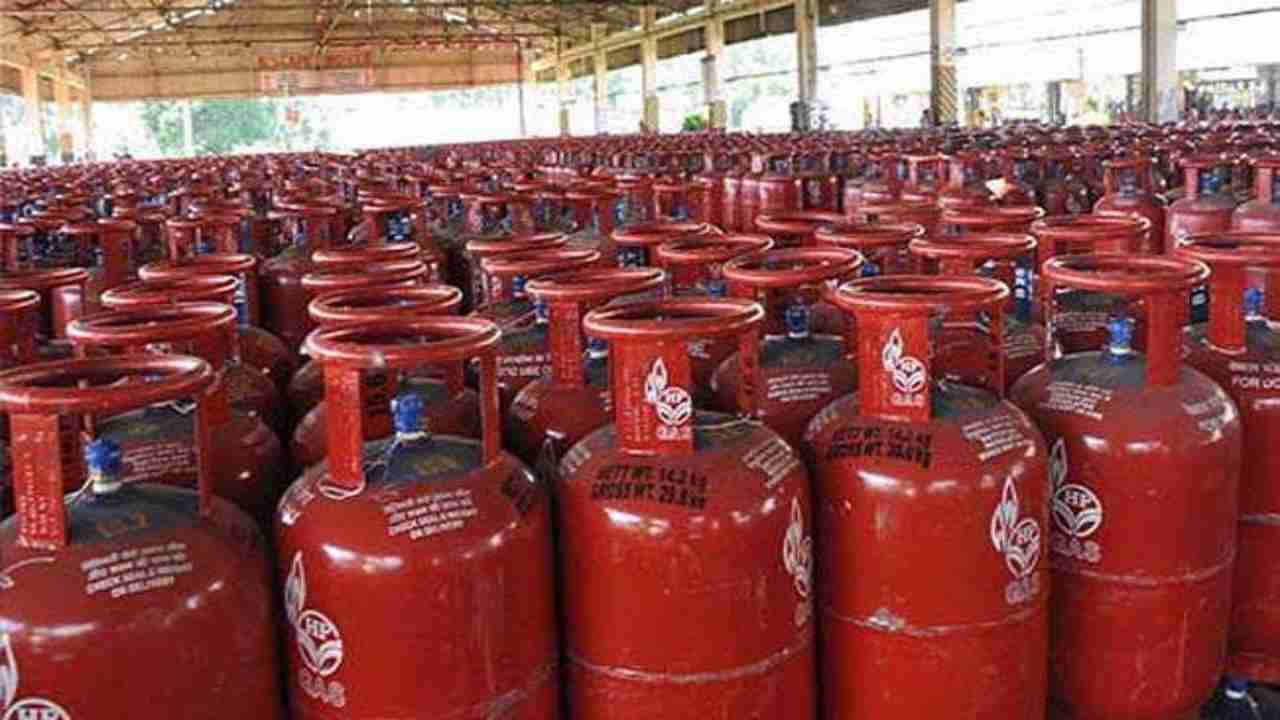
LPG Aadhaar authentication mandatory for subsidy from October 1

Asian Games 2026 Day 4: Mirabai Chanu silver leads India’s medal haul
LPG Aadhaar authentication mandatory for subsidy from October 1
Iranian President Pezeshkian at UN says Iranians have been victims of US terrorism
BJP hits back at opposition over EC row, says disagreement is democracy
PM Modi’s Canada visit could help wrap trade talks, says Canada PM Mark Carney

Afghan Men Try To Hang With The Jet Engine Of The Aircraft in Kabul- Afghanistan News – Kabul News
Trending Top 10 News: 10000 Crore Fine on Flipkart, Apple to Launch Unique Feature, Hdfc Bank Job Ad

Trending Top 10 News: Nokia 6310, Apple sales, Bachpan ka Pyar Video Kid, Dainik Bhaskar IT Raid

Trending Top 10 News: Canada bans Indian flights, Rain in Delhi NCR, AIMIM Twitter hacked, Raj Kundra case

Trending Top 10 News: Shein India, Apple New Service, Pocket Oxygen, Oppo Launched New Phone
-
 Latest world news23 hours ago
PM Modi’s Canada visit could help wrap trade talks, says Canada PM Mark Carney
-
 India News24 hours ago
IIT Bombay Professor Suryanarayana Doolla sent on leave amid student suicide row
-
 Latest world news13 hours ago
Iranian President Pezeshkian at UN says Iranians have been victims of US terrorism
-
 India News14 hours ago
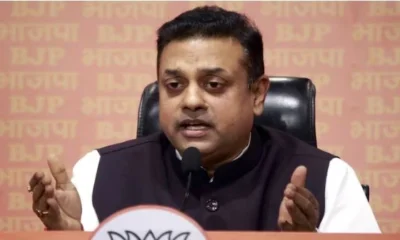
BJP hits back at opposition over EC row, says disagreement is democracy
-
India News13 hours ago
LPG Aadhaar authentication mandatory for subsidy from October 1
-
LATEST SPORTS NEWS12 hours ago
Asian Games 2026 Day 4: Mirabai Chanu silver leads India’s medal haul
