English हिन्दी
Connect with us

Top Stories

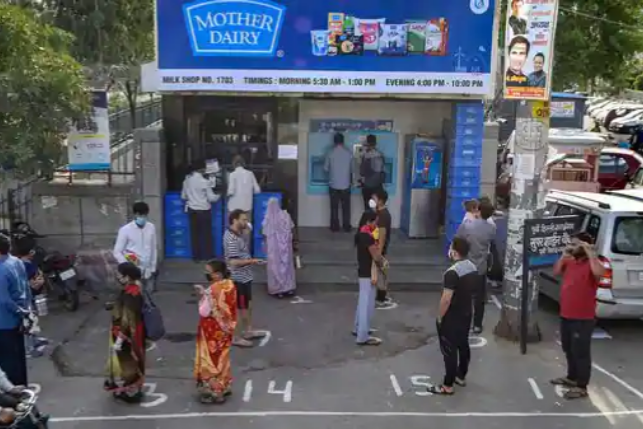
After Amul, Mother Dairy hikes milk prices by Rs 2 per litre, third hike this year

Mother Dairy full-cream milk will now be available at Rs 63 per litre up from Rs 61 per litre, while cow milk will be available at Rs 55 per litre against Rs 53 per litre now.

Published

on

Mother Dairy hikes milk prices by Rs 2 per litre in Delhi-NCR

After Amul, another dairy brand Mother Dairy hiked the prices of full cream milk and cow milk by Rs 2 per litre across Delhi-NCR. The Mother Dairy spokesperson said the reason behind the rise in prices is due to the rising input costs. The new rate card will be effective from October 16, 2022.

The Mother Dairy spokesperson gave a statement in which he said that the decision was taken because of the constant surge in the price of raw materials over the past two months. The dairy industry has been experiencing a consistent surge in raw milk prices, which has increased by about Rs. 3/kg in the last two months alone, owing to multifold increases in varied input costs. Increased fodder prices and low rainfall in some northern states have aggravated the situation, he added.

Mother Dairy full-cream milk will now be available at Rs 63 per litre up from Rs 61 per litre, while cow milk will be available at Rs 55 per litre against Rs 53 per litre now.

This happened after Amul hiked the prices of full-cream milk and buffalo milk by Rs 2 per litre in all states except Gujarat.

This is the third round of price hikes by Mother Dairy and Amul this year. In March, Mother Dairy increased milk prices by Rs 2 per litre in the Delhi-NCR (National Capital Region). The company had, in mid-August, also increased milk prices in the Delhi-NCR by Rs 2 per litre.

Amul’s full cream milk, which was sold at Rs 61 per litre, has now been hiked to Rs 63 per litre. Earlier in March, Amul increased prices of Amul’s Gold, Shakti, and Taaza milk brands by Rs 2 per litre and also hiked prices in August.

Latest world news

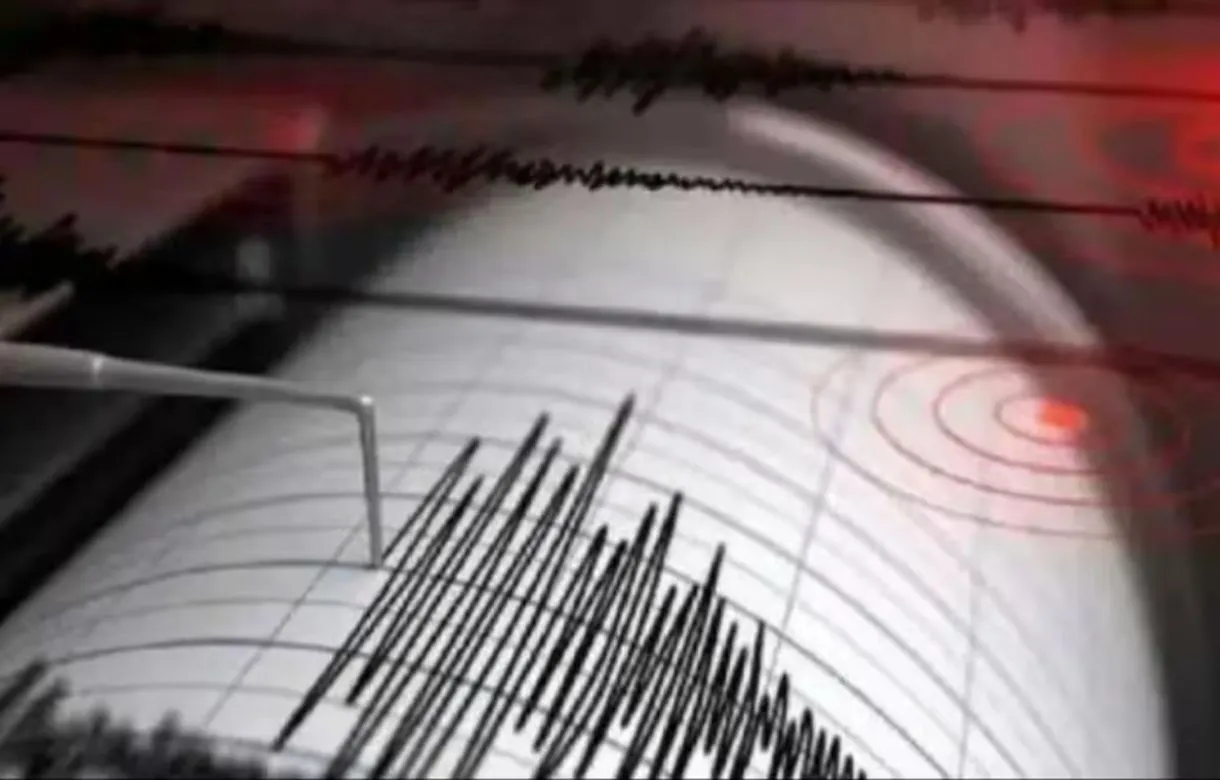
Magnitude 7 earthquake strikes Russia’s Kamchatka Peninsula

A magnitude 7 earthquake struck Russia’s Kamchatka Peninsula region on Friday. The initial report placed the earthquake at a depth of 140 kilometres.

Published

on

earthquake-tremors

A magnitude 7 earthquake struck Russia’s Kamchatka Peninsula region on Friday, October 16, according to the European-Mediterranean Seismological Centre (EMSC).

The initial report placed the earthquake at a depth of 140 kilometres (approximately 87 miles). Details about the impact of the earthquake, including any damage or casualties, were not immediately available in the initial report.

Earthquake strikes seismically active Kamchatka region

Russia’s Kamchatka Peninsula is a seismically active region where earthquakes occur because of tectonic activity.

The latest earthquake was reported by the EMSC, which provided the initial magnitude and depth estimates. Further information about the situation on the ground was not available in the initial report.

What is known so far

  • Location: Kamchatka Peninsula region, Russia
  • Magnitude: 7.0
  • Date: Friday, October 16, 2026
  • Reported depth: 140 kilometres
  • Casualties and damage: Not provided in the initial report

Continue Reading

India News

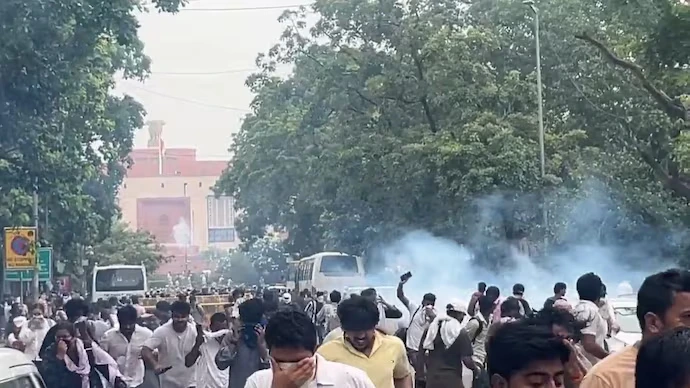
Delhi deploys 25,000 personnel, installs CCTV cameras ahead of CJP march

More than 25,000 police and paramilitary personnel have been deployed in Delhi ahead of the CJP’s planned protest march at Connaught Place. Authorities have also imposed restrictions and stepped up CCTV surveillance.
Published

on

Delhi has stepped up security ahead of a planned protest march by the Cockroach Janta Party (CJP), with more than 25,000 police and paramilitary personnel deployed and additional surveillance measures introduced in parts of the national capital.

The planned “Lehra Do Tiranga” march is scheduled to take place at Central Park in Connaught Place on Friday, October 16. Authorities have also imposed prohibitory orders in Connaught Place and surrounding areas as part of the security arrangements.

Security tightened across Connaught Place

The security arrangements include the deployment of police and paramilitary personnel, along with the installation of additional CCTV cameras at Central Park and Rajiv Chowk Metro Station.

Prohibitory orders have been imposed under Section 163 of the Bharatiya Nagarik Suraksha Sanhita (BNSS) in Connaught Place and nearby areas. Central Park is also scheduled to remain closed for two days, with authorities advising the public to avoid the area during the arrangements.

A high-level meeting chaired by Delhi Police Commissioner Anurag Kumar, attended by senior police officers, was held on Thursday to review preparations ahead of the planned demonstration.

Why CJP is planning the march

The CJP has called the march to protest the arrest of its leaders Saurav Das and Ashutosh Ranka and to demand the resignation of Chief Election Commissioner Gyanesh Kumar over alleged irregularities in voter rolls.

The party’s protest is centred on its allegations concerning the electoral roll revision process. These are the protesters’ claims and should not be treated as independently established findings.

With Jantar Mantar no longer designated as a protest site, Central Park in Connaught Place has emerged as the proposed location for the fresh demonstration. The protest has also received support from the Aam Aadmi Party and the All India Students’ Association, according to the report.

Traders raise concerns over business disruptions

The heightened security measures have also prompted concerns among traders in the area.

Traders at Palika Bazaar have expressed concern about disruptions during the festive season, pointing to losses associated with previous protests. The concerns reflect the potential impact of repeated demonstrations and security restrictions on commercial activity in central Delhi.

Delhi Police has said it will facilitate peaceful demonstrators selectively while maintaining public order and protecting property.

Continue Reading

India News

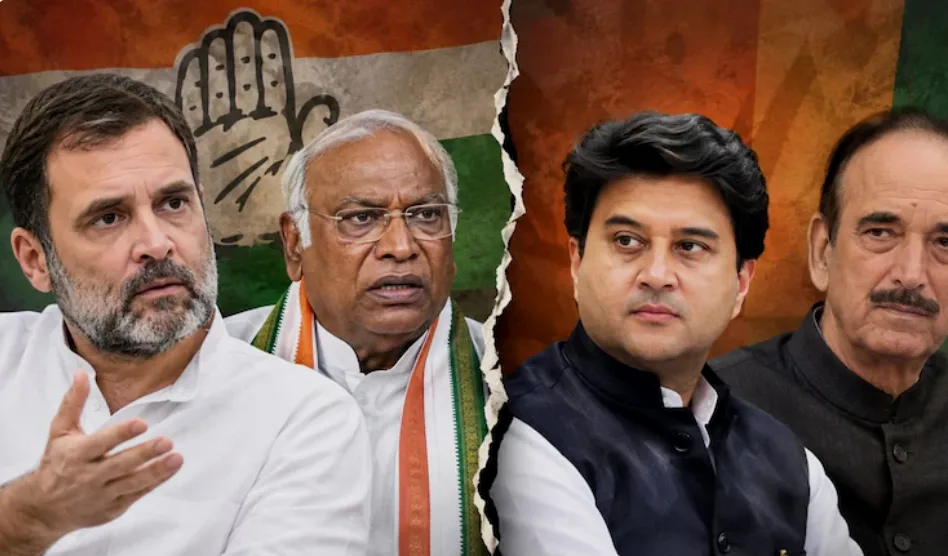
Mallikarjun Kharge’s ‘Your Friends’ jab at Rahul Gandhi over congress exits

Congress president Mallikarjun Kharge took a dig at Rahul Gandhi after the Leader of the Opposition reportedly described former party leaders Jyotiraditya Scindia and Ghulam Nabi Azad as among those who had left the Congress.
Published

on

Congress president Mallikarjun Kharge made a pointed remark about former Congress leaders after Rahul Gandhi reportedly described some of those who left the party as people who had been driven by personal interests or fear. The exchange took place during an informal interaction involving young Congress workers, according to a report published on October 15.

Rahul Gandhi, the Leader of the Opposition in the Lok Sabha, reportedly referred to former Congress leaders Jyotiraditya Scindia and Ghulam Nabi Azad while discussing people who had left the party. Kharge responded with a quip that drew attention to Rahul Gandhi’s earlier association with the leaders.

What Rahul Gandhi said about leaders who left Congress

During the interaction, Rahul Gandhi reportedly said that the Congress was now left with committed workers, describing those who remained in the party as ‘babbar sher’ or lions. He alleged that people who were greedy or afraid had left, citing Scindia and Azad as examples.

His reported remarks referred to people who, he suggested, had left because of the attraction of positions and security or fear of investigative agencies such as the Enforcement Directorate (ED) and the Central Bureau of Investigation (CBI).

These were Rahul Gandhi’s political characterisations of the leaders who left the Congress, rather than independently established explanations for their departures.

Kharge’s response to Rahul Gandhi

Reacting to Rahul Gandhi’s account, Kharge remarked, “They were all your friends.”

The comment referred to the association Rahul Gandhi had previously shared with some of the leaders who later left the Congress. Rahul Gandhi responded by saying that his sister, Priyanka Gandhi Vadra, was present and knew that Scindia was not his friend.

He subsequently reflected on the difficulty of identifying friends and opponents in politics, saying that people who appear to be friends may not necessarily be so, and the reverse may also be true.

Why Jyotiraditya Scindia and Ghulam Nabi Azad were mentioned

Jyotiraditya Scindia left the Congress in 2020 and joined the Bharatiya Janata Party (BJP). His departure was followed by a political crisis in Madhya Pradesh that resulted in the fall of the Congress government led by Kamal Nath.

Ghulam Nabi Azad, a veteran Congress leader, resigned from the party in August 2022. In his resignation letter, he criticised Rahul Gandhi’s leadership and the functioning of the party’s internal decision-making process.

Both leaders subsequently became prominent examples in political discussions about senior figures leaving the Congress, although their reasons and circumstances differed.

Rahul Gandhi’s message to young Congress workers

The interaction also focused on protests and political mobilisation. Rahul Gandhi reportedly told young Congress workers that demonstrations and struggles were part of their political training and encouraged them to explore new and creative ways of protesting.

He also suggested holding protests at Jantar Mantar, according to the report.

Congress president Kharge and Priyanka Gandhi Vadra were present during the interaction. Rahul Gandhi also claimed that the government led by Prime Minister Narendra Modi was dependent on the next eight to 10 months, though the report did not establish this as an independently verified assessment.

The exchange between Kharge and Rahul Gandhi offered a glimpse into the Congress leadership’s informal discussions, while bringing the departures of Scindia and Azad back into the political conversation.

Continue Reading

Trending

© Copyright 2022 APNLIVE.com