
India News
People Versus Established Order: Contradiction Sharpens In New York And Elsewhere


~By Saeed Naqvi
Does the stunning victory of a 28 year old Latino bartender in New York this week over a 10 term Democratic lawmaker bear any resemblance to AAP’s victory under a political novice, Arvind Kejriwal in February 2015. He thrashed Narendra Modi’s resurgent BJP and a Congress Chief Minister entering her fourth term? Ofcourse, there are a thousand differences in detail but these are dwarfed by a basic similarity – popular resentment with establishments everywhere. It is a wave sweeping all electoral democracies across the globe. I have just seen the toppling of the Italian ruling class in Rome. Wherever they can, establishments are fighting back tooth and nail. Kejriwal’s endless travails are part of this counterpunch.
The winner in New York, Alexandria Ocasio-Cortez was, in her last job, mixing cocktails in a Manhattan bar, sometimes on 18 hour shifts to help avoid foreclosure of her mother’s property. But more meaningful for her career was her stint as Bernie Sanders’ campaigner during the 2016 elections. Little wonder she stands on a similar, leftist platform, demanding universal health care, ending tuition fees at public colleges and abolishing the Immigration and Customs Enforcement.
Still recovering from the shock defeat happens to be Joe Cowley for whom the Democratic Party had built many castles in the air. The same party had dug its heels in so firmly for Hillary Clinton as the Presidential candidate that every argument pointing to Bernie Sanders’ chances of victory over Trump were discarded.

I was in Washington for the campaign, surrounded by Clinton enthusiasts who would not answer a straightforward question:
“Popular disgust with the Washington establishment was unmistakable. Given this reality, by what logic do you see Clinton as a winner: she is the very epitome of the Washington establishment.”
Alexandria’s victory places her in line as the youngest woman in Congress after the November elections. This could well be the thin end of the wedge, gradually opening up spaces for younger and more radical candidates.
Considering that Trumpism too is consolidating itself on white working and middle class grievances, the divisions in American society may become more shrill. Once they rise to a crescendo, the clashing of Cymbals will be deafening even though the talk of a civil war is rank exaggeration.
A considerable segment of the Democratic Party, which refrained from radicalism during the 2016 campaign, appears to have sensed the ground realities, almost anticipating the New York result. Democrats like Cory Booker, Kamala Harris and Elizabeth Warren signed onto Bernie Sanders bill for universal Health Care, something they had avoided two years ago when Sanders first introduced the Bill. The platform is picking up.
The New York outcome has clearly set the cat among the pigeons in establishment circles and not just in the US. Another resounding punch will be administered on the establishment’s chin when Andrez Manuel Lopez Obrador nicknamed AMLO, almost as far Left as the late Chavez in Venezuela, triumphs in the Mexican elections on Sunday. The sharp anti US edge to this result can safely be attributed to Trump’s open disdain for the southern neighbour.
A Bloomberg banner headline reads: “Listen, Trump: Firebrand Lopez Obrador Set to Win Landslide in Mexico.”
There is, however, a welcoming warmth to this turn in world affairs in progressive circles in Europe, not the least of it in the higher echelons of Britain’s Labour Party.
Last week I attended a meeting in support of Democracy and Human Rights in Mexico organized in the House of Commons by Laura Alvarez Corbyn, the Labour leader’s Mexican wife. Jeremy Corbyn sat through the meeting, signalling his support for progressive causes.
Is the Democratic Party in the US learning lessons from real life? Until the New York result there was no evidence of any change of heart in the party’s higher reaches. In fact, a year ago, a Fox News poll establishing Bernie Sanders’ exceptional popularity was largely ignored. The poll showed Sanders a +28 rating above all US politicians on both ends of the political spectrum. Trust The Guardian, London, being the only newspaper to pick up the issue. The paper’s Trevor Timm wrote:
“One would think with numbers like that, Democratic politicians would be falling all over themselves to be associated with Sanders, especially considering the party as a whole is more unpopular than the Republicans and even Donald Trump right now. Yet instead of embracing his message, the Establishment wing of the party continues to resist him at almost every turn, and they seem insistent that they don’t have to change their ways to gain back the support of huge swathes of the country.”
On current showing, the British Establishment demonstrates greater suppleness. A few months ago The Economist welcomed Corbyn, a socialist in the Michael Foot mould, as Britain’s next Prime Minister. That the Economist, a pillar of the Western establishment should acquiesce in Corbyn’s impending Premiership, could not have been honeyed music to Blairites in the Labour party, like Lord Peter Mandelson who is committed to “undermining Corbyn”. This kind of cussedness is counterproductive and this becomes clear when a Labour back bencher retorts:
“Jeremy Corbyn as Prime Minister implementing policies that actually benefit the people terrifies the Establishment. It is no surprise that Mandelson has found space in his busy schedule on an Oligarch’s Yacht to attempt to undermine Jeremy.”









India News
Indore voter deletions: 1.36 lakh names, but digital records not maintained
Replies to an RTI concerning 1,36,552 voter deletions in Indore in 2022 said several constituency offices had not maintained the requested digital records.

India News
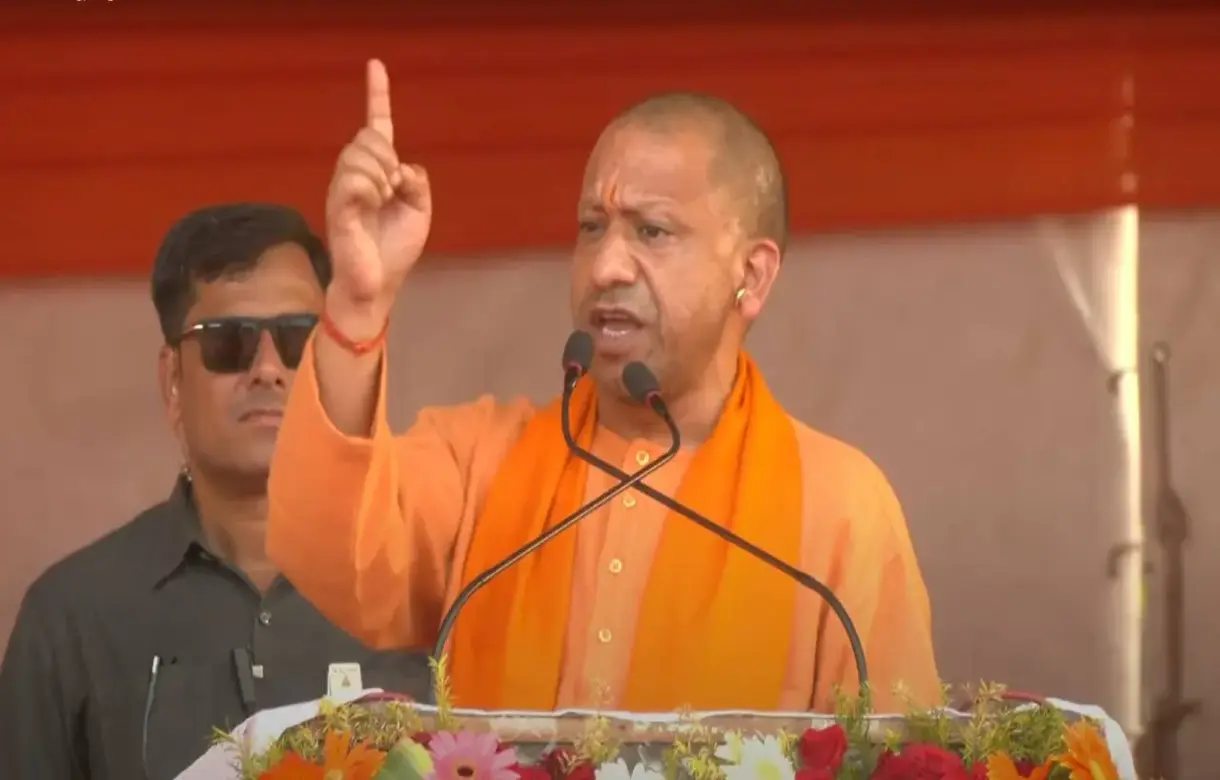
Yogi Adityanath transfers over Rs. 148 crore to 4.60 lakh students
Uttar Pradesh Chief Minister Yogi Adityanath transferred over Rs. 148 crore to the bank accounts of more than 4.60 lakh students under the state’s scholarship and fee reimbursement programme.
India News
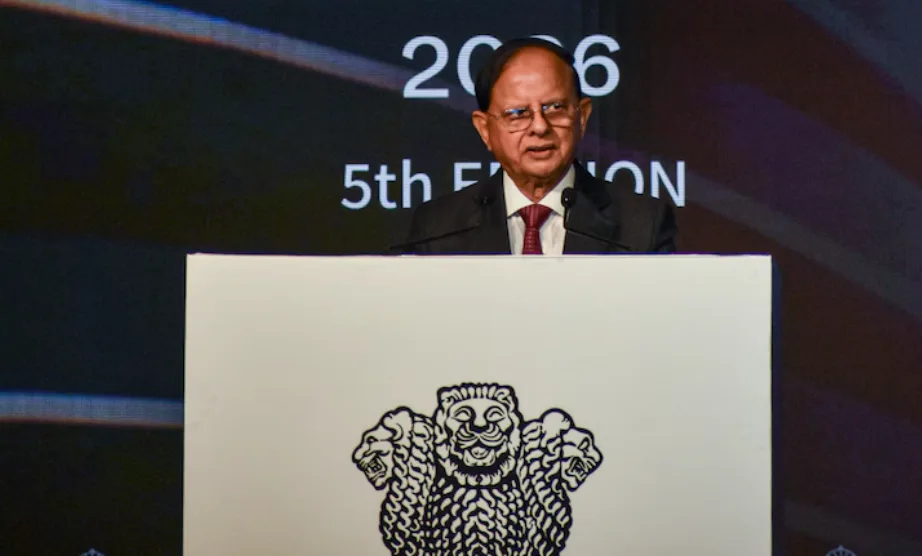
Tariffs, export controls increasingly used for strategic purposes, says PM’s Principal Secretary
PM’s Principal Secretary P K Mishra said tariffs, export controls and other restrictions are increasingly being used for strategic purposes amid growing global economic uncertainty.

MK Stalin attacks Vijay government over hindi signboard in Tamil Nadu

New UP Congress chief Aradhana Mishra backs stronger alliance with SP

CJP announces October 10 Delhi protest against Gyanesh Kumar

India beat Pakistan by 19 runs to win Asian Games cricket gold

Tariffs, export controls increasingly used for strategic purposes, says PM’s Principal Secretary

Indore voter deletions: 1.36 lakh names, but digital records not maintained

Yogi Adityanath transfers over Rs. 148 crore to 4.60 lakh students
Tariffs, export controls increasingly used for strategic purposes, says PM’s Principal Secretary
India beat Pakistan by 19 runs to win Asian Games cricket gold
New UP Congress chief Aradhana Mishra backs stronger alliance with SP

Afghan Men Try To Hang With The Jet Engine Of The Aircraft in Kabul- Afghanistan News – Kabul News
Trending Top 10 News: 10000 Crore Fine on Flipkart, Apple to Launch Unique Feature, Hdfc Bank Job Ad

Trending Top 10 News: Nokia 6310, Apple sales, Bachpan ka Pyar Video Kid, Dainik Bhaskar IT Raid

Trending Top 10 News: Canada bans Indian flights, Rain in Delhi NCR, AIMIM Twitter hacked, Raj Kundra case

Trending Top 10 News: Shein India, Apple New Service, Pocket Oxygen, Oppo Launched New Phone
-
 India News24 hours ago
MK Stalin attacks Vijay government over hindi signboard in Tamil Nadu
-
 India News11 hours ago
New UP Congress chief Aradhana Mishra backs stronger alliance with SP
-
 India News11 hours ago
CJP announces October 10 Delhi protest against Gyanesh Kumar
-
 Cricket news5 hours ago
India beat Pakistan by 19 runs to win Asian Games cricket gold
-
 India News4 hours ago
Tariffs, export controls increasingly used for strategic purposes, says PM’s Principal Secretary
-
 India News3 hours ago
Yogi Adityanath transfers over Rs. 148 crore to 4.60 lakh students
-
India News3 hours ago
Indore voter deletions: 1.36 lakh names, but digital records not maintained
