
India News
India Increases Iranian Oil Imports In June By 48 Percent


Despite US pressure New Delhi and Tehran preparing to continue trading
Despite US pressure to reduce Iranian oil imports to zero by November this year, Indian refiners have imported 48 percent more oil from that country in June than a year ago, Minister for Petroleum and Natural Gas Dharmendra Pradhan has said in Lok Sabha on Monday.
Pradhan told the law makers that India’s refiners bought around 664,000 barrels per day (bpd) of Iranian oil in June this year, 48 percent more than the volume they purchased in the same month last year.
“Indian refiners imported 1.9 million tons (447,000 bpd) of crude oil from Iran in June 2017 and placed orders for 2.82 million tons in June 2018”, the minister said in a statement.
Read More: Indian Oil PSUs raise import from Iran
According to Pradhan, India loaded about 715,600 bpd oil from Iran in April-June 2018 period, a rise of about 45 percent from the previous quarter. However, India’s private refiners are reportedly working to source oil from Saudi Arabia, Russia, Iraq and US and others to offset cuts in Iranian oil under US sanctions.
 According to Tehran based Press TV, new US sanctions on oil and transactions with the Central Bank of Iran are about to come into effect on November 4. The US has warned third countries against buying Iranian crude amid a rise in Washington’s attempts to choke Iran’s oil revenue.
Last month India has allowed Iran’s Bank Pasargad to open a branch in Mumbai. The Finance Ministry conveyed to RBI that it has no objection in allowing the Tehran based bank to open its branch in India.
Read More: Germany asks India to continue buying oil from Iran
In May this year, Minister of External Affairs Sushma Swaraj made it clear that India does not recognize country-specific sanctions. She was quoted saying, “Our foreign policy is not made under pressure from other countries. We recognize UN sanctions and not country-specific sanctions”.
Indian embassy in Tehran has also issued a statement saying, “Iran has always been a reliable energy partner for India and others, seeking a balanced oil market and regional prices of oil which ensure the interest of both countries as consumer and supplier.”
Tehran has offered to insure oil cargoes to India after some insurers stopped providing the service in the face of the impeding sanctions, Press TV reports.
In February this year, Iranian President Hassan Rouhani while visiting New Delhi promised to increase crude oil imports from Iran from 205,000 bpd in 2017-18 to 396,000 bpd in 2018-19.
Read More: India under US pressure to cut oil imports from Iran, Govt says exploring all options
Meanwhile, the Indian Oil Ministry has revealed that India and China have discussed the possibility of forming an “oil buyers’ club” that can negotiate better terms with sellers.
 Dhirendra Pradhan, while speaking in the parliament said, “Meetings have been held between India and China, both at ministerial and company levels. During these meetings both sides expressed interest to cooperate and collaborate to deal with high crude oil and gas prices, including through increased communication between companies to work towards control and reduce spikes in prices.”
In May this year, US President Donald Trump had withdrawn US from multilateral Iran-nuclear deal signed by P5+1 and Tehran, which came into effect in January in 2016. US has announced to re-impose sanctions in two stages in August and November this year.









India News
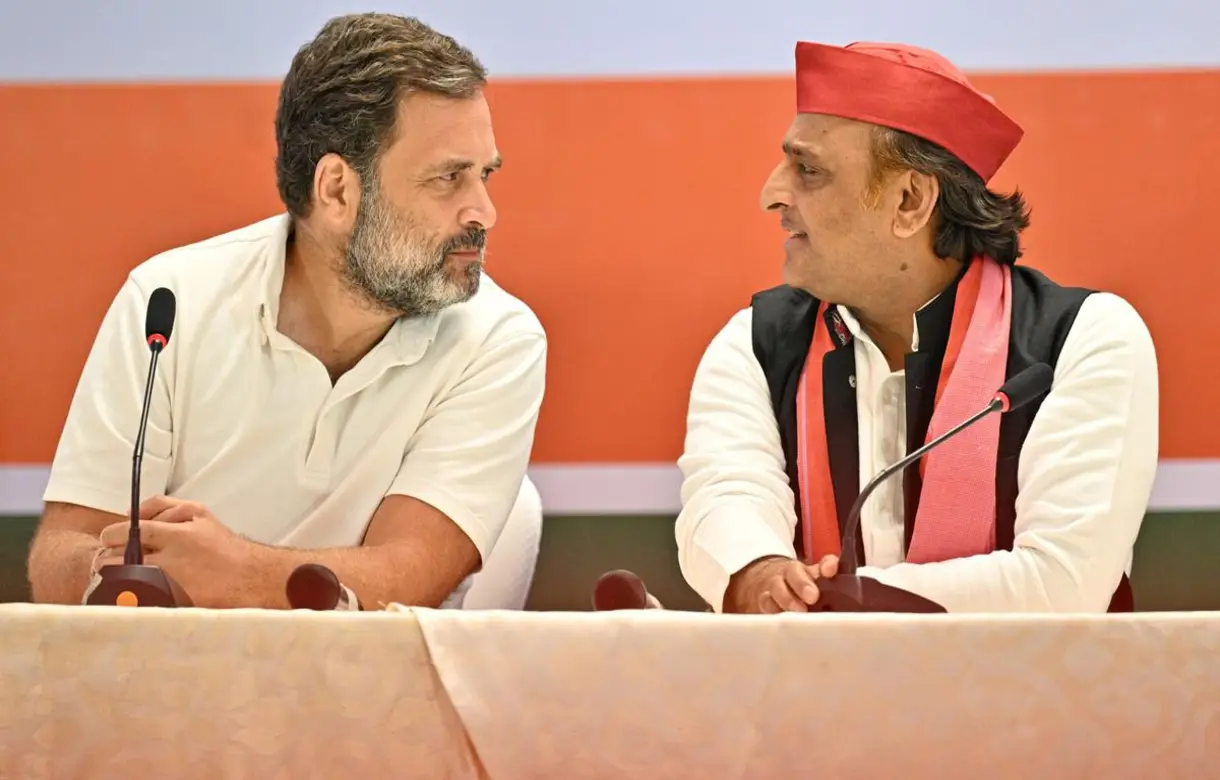
Congress seeks 175-200 seats in UP, Samajwadi Party stresses on winnability
Congress has initiated seat-sharing talks with the Samajwadi Party for the 2027 UP Assembly elections, seeking to contest 175–200 seats. The SP has emphasised winnability as the key criterion for allocating constituencies.

India News
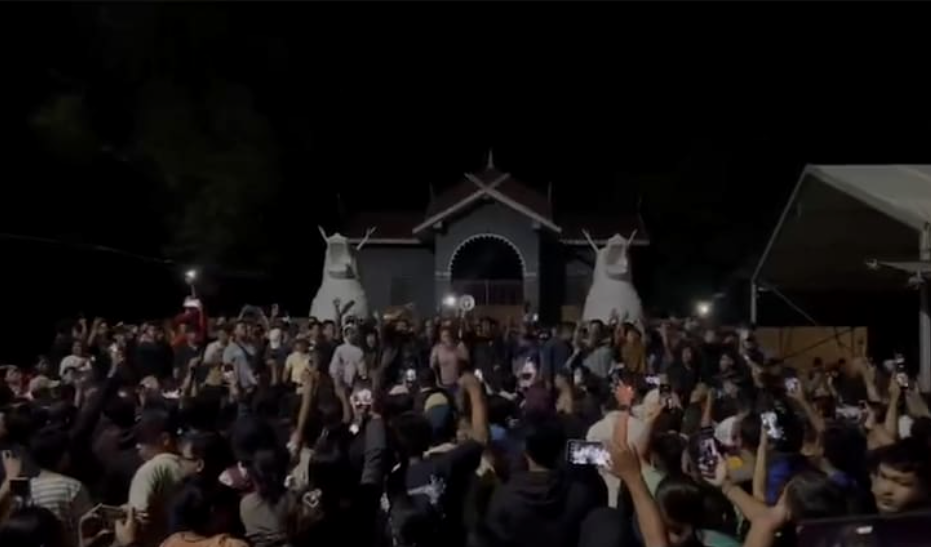
Thousands bang utensils, beat drums in Manipur protest over continued killings
Thousands of people staged a sound protest across Manipur’s five valley districts on Friday, October 23, banging utensils, beating drums and honking vehicle horns to protest continued killings and the prolonged ethnic conflict.
India News
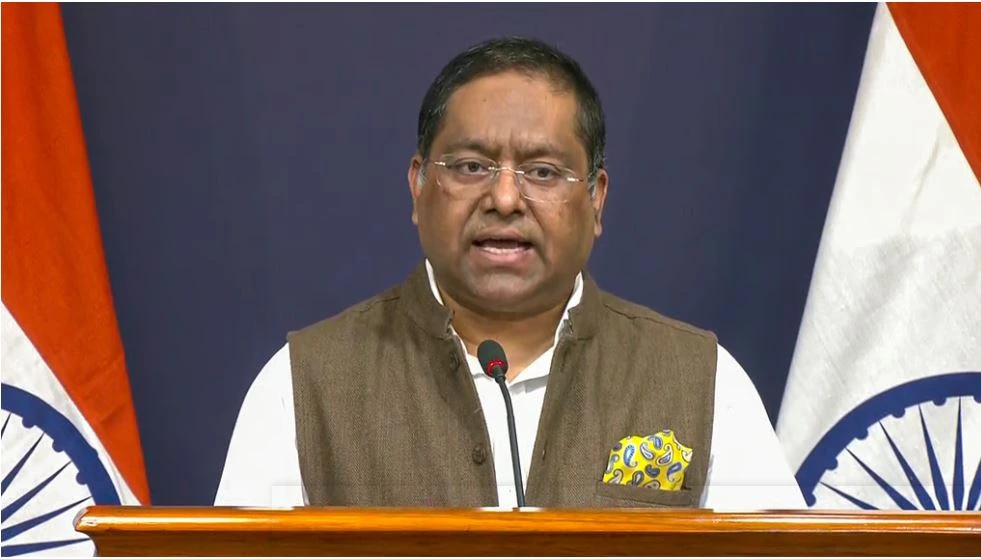
MEA responds after ITBP chief flags ongoing face-offs with China in Arunachal
India said deviations by Chinese forces from established patrolling patterns periodically disturb the situation along the Line of Actual Control, as the government addressed remarks by the ITBP chief about ongoing face-offs in Arunachal Pradesh.

Om Prakash Mathur sworn in as Keralam Governor

PM Modi to inaugurate Rs 169-crore RBI data centre in Odisha on October 25

MEA responds after ITBP chief flags ongoing face-offs with China in Arunachal

Delhi High Court rejects Neha Bora’s plea against peace bond notice

Thousands bang utensils, beat drums in Manipur protest over continued killings

Congress seeks 175-200 seats in UP, Samajwadi Party stresses on winnability
Thousands bang utensils, beat drums in Manipur protest over continued killings
MEA responds after ITBP chief flags ongoing face-offs with China in Arunachal
Delhi High Court rejects Neha Bora’s plea against peace bond notice
PM Modi to inaugurate Rs 169-crore RBI data centre in Odisha on October 25

Afghan Men Try To Hang With The Jet Engine Of The Aircraft in Kabul- Afghanistan News – Kabul News
Trending Top 10 News: 10000 Crore Fine on Flipkart, Apple to Launch Unique Feature, Hdfc Bank Job Ad

Trending Top 10 News: Nokia 6310, Apple sales, Bachpan ka Pyar Video Kid, Dainik Bhaskar IT Raid

Trending Top 10 News: Canada bans Indian flights, Rain in Delhi NCR, AIMIM Twitter hacked, Raj Kundra case

Trending Top 10 News: Shein India, Apple New Service, Pocket Oxygen, Oppo Launched New Phone
-
 India News19 hours ago
Om Prakash Mathur sworn in as Keralam Governor
-
 India News18 hours ago
PM Modi to inaugurate Rs 169-crore RBI data centre in Odisha on October 25
-
 India News17 hours ago
MEA responds after ITBP chief flags ongoing face-offs with China in Arunachal
-
 India News17 hours ago
Delhi High Court rejects Neha Bora’s plea against peace bond notice
-
 India News4 hours ago
Thousands bang utensils, beat drums in Manipur protest over continued killings
-
 India News3 hours ago
Congress seeks 175-200 seats in UP, Samajwadi Party stresses on winnability
