English हिन्दी
Connect with us

India News

Delhi orders 50% work from home as pollution emergency deepens

Delhi has ordered 50% work from home for government and private offices under GRAP III and IV as pollution levels remain severe, with compensation announced for affected construction workers.

Published

on

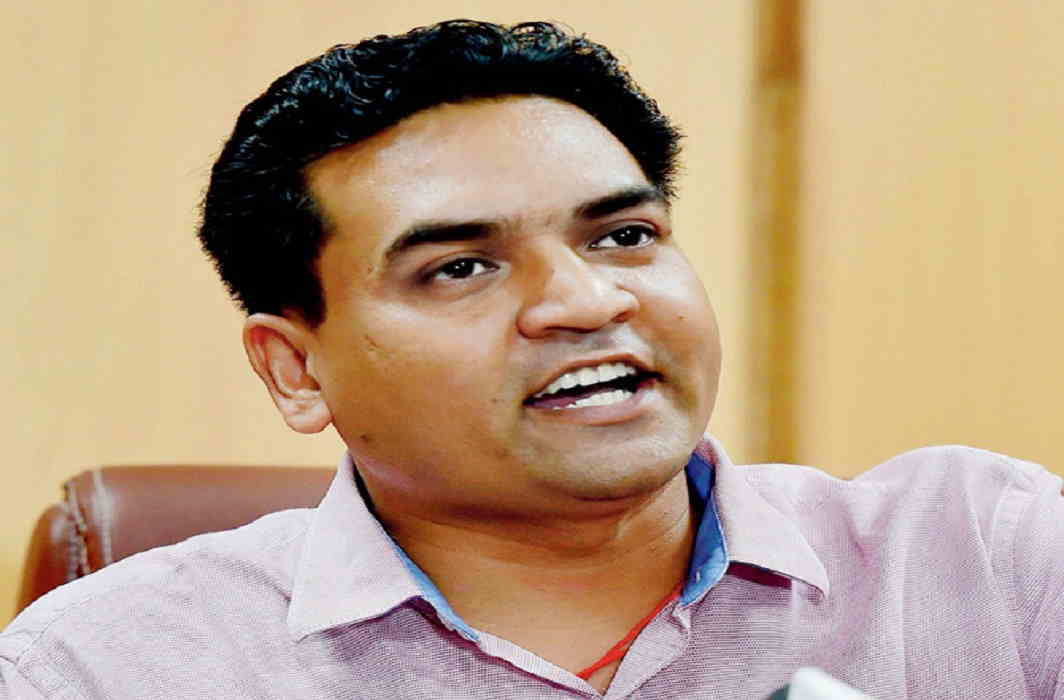
Kapil Mishra

Amid persistently hazardous air quality, the Delhi government has directed all government departments and private institutions to implement 50% work from home (WFH) for their employees starting Thursday. The decision is part of emergency steps under GRAP III and GRAP IV to curb pollution levels in the national capital.

Announcing the move, Labour Minister Kapil Mishra said the order is mandatory and warned that action will be taken against organisations that fail to comply. He stated that institutions must immediately ensure that half of their workforce operates remotely during the enforcement period of the pollution control plan.

Alongside the WFH mandate, the minister also announced financial relief of Rs 10,000 for registered construction workers who have lost employment due to the suspension of construction activities under GRAP restrictions. The compensation will cover workers affected during the 16 days of GRAP III and will continue through the GRAP IV phase.

The government clarified that essential services, including hospitals, fire services and pollution monitoring agencies, are exempt from both the work-from-home rule and the construction ban.

During the press interaction, Kapil Mishra also targeted the Aam Aadmi Party, accusing it of politicising the pollution crisis. He said the issue of air pollution has developed over decades and cannot be resolved within a few months, adding that the current government is actively present on the ground to manage the situation.

India News

BJP minister claims rift between Rahul and Priyanka Gandhi over Parliament speeches

BJP minister Ravneet Singh Bittu has claimed a rift between Rahul Gandhi and Priyanka Gandhi over speech comparisons, a charge Congress has not responded to.

Published

on

Priyanka Gandhi and Rahul Gandhi

Union minister Ravneet Singh Bittu has made a claim suggesting internal differences between Congress leaders Rahul Gandhi and Priyanka Gandhi Vadra, alleging that the siblings are not on the same page. The remark has triggered political discussion, though no response has come from the Congress so far.

Bittu, who joined the BJP after leaving the Congress ahead of the last general election, said Rahul Gandhi was upset after comparisons were drawn between his speeches and those of Priyanka Gandhi in Parliament. According to him, this dissatisfaction led Rahul Gandhi to leave for Germany during the ongoing Winter Session.

“The two Gandhis are fighting. I have come to know that people compared the speeches of Rahul Gandhi and Priyanka Gandhi in the House. This upset Rahul Gandhi and he left,” Bittu told media on Tuesday

Congress yet to respond to claims

No senior Congress leader has officially reacted to Bittu’s remarks. The party has also not issued any statement addressing the allegation of a rift between the Gandhi siblings.

Rahul Gandhi, the Leader of the Opposition in the Lok Sabha, is currently in Berlin from December 15 to 20. He is attending an event organised by the Indian Overseas Congress, even as the Winter Session of Parliament is scheduled to conclude on December 19.

The Indian Overseas Congress has described the visit as part of an outreach programme aimed at engaging the Indian diaspora in Europe and discussing party-related issues, including NRI concerns and organisational strengthening.

Siblings seen backing each other publicly

The claims contrast with the public image of solidarity often projected by Rahul and Priyanka Gandhi. The two are known to support each other both politically and personally.

Ahead of a recent debate in Parliament, Rahul Gandhi had urged reporters to listen to his sister’s speech. Priyanka Gandhi, who entered the Lok Sabha for the first time after the last general election, has also defended her brother amid criticism over his foreign visits.

Responding to questions about Rahul Gandhi’s Germany trip, Priyanka Gandhi had pointed out that the Prime Minister frequently travels abroad, questioning why similar scrutiny was being applied to the Leader of the Opposition.

Continue Reading

India News

GRAP IV enforced in Delhi amid severe pollution: What remains open and what shuts down

Delhi has enforced GRAP IV after AQI stayed in the severe category, leading to school closures, vehicle restrictions and a ban on construction activities.

Published

on

Delhi-Pollution-Nov

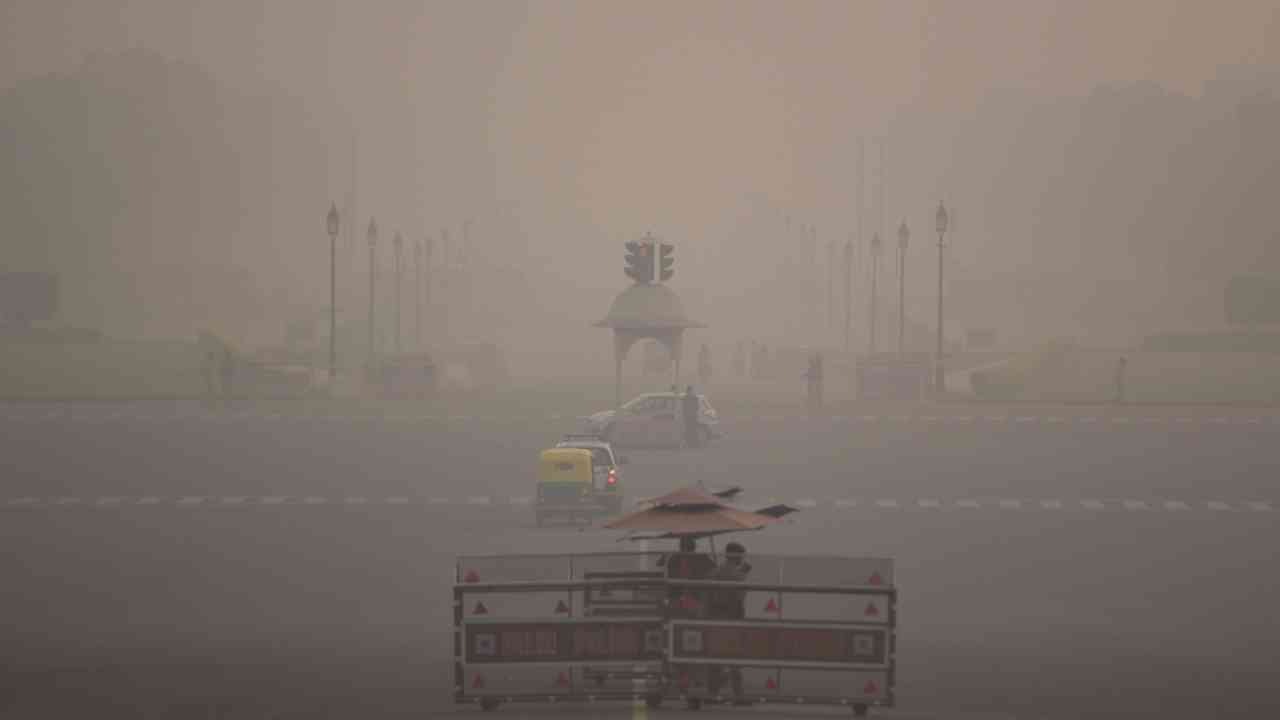
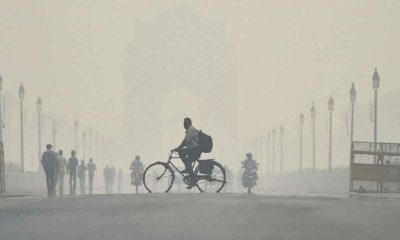
Delhi has moved to the strictest stage of its anti-pollution framework with the implementation of Stage IV of the Graded Response Action Plan (GRAP), as air quality in the national capital continues to remain in the severe category. The emergency measures have been enforced by the Commission for Air Quality Management (CAQM) to curb hazardous winter pollution levels.

The decision comes after the Air Quality Index (AQI) repeatedly crossed the severe threshold, driven by a mix of stagnant weather conditions, vehicular emissions, firecracker residue and stubble burning in neighbouring regions.

Schools and offices face major restrictions

Physical classes for students from nursery to Class 5 have been completely suspended, with learning shifting online. Earlier, parents were given the option to choose between online and offline modes, but that flexibility has now been withdrawn.

For Classes 6 to 9 and Class 11, schools are operating in a hybrid mode, allowing students to attend classes online if they choose.

Both government and private offices have been directed to function with only 50 per cent staff present on-site. The remaining workforce must work from home. Authorities have also urged private employers to allow flexible working hours wherever possible.

Vehicle entry and fuel rules tightened

From December 18, only Bharat Stage-VI (BS-VI) compliant vehicles are permitted to enter Delhi. All non-BS-VI vehicles are effectively barred from the city during this period.

In addition, vehicles without a valid Pollution Under Control (PUC) certificate will not be allowed to refuel at petrol pumps. Automated camera systems installed at fuel stations will identify and flag non-compliant vehicles.

Construction, demolition and tandoors halted

All construction and demolition activities have been suspended, including large linear public infrastructure projects such as highways, roads, flyovers, power transmission lines, pipelines and telecom works.

Restaurants and eateries have also been instructed to stop using coal and firewood-based tandoors. Only electric or gas-operated tandoors are permitted, with strict enforcement mandated.

What continues to operate under GRAP IV

Despite the restrictions, essential services and key transport systems remain functional.

  • Public transport, including Delhi Metro and DTC buses, continues to operate, with residents encouraged to rely on these modes.
  • LNG, CNG, electric and BS-VI diesel trucks are allowed to enter the city.
  • Airports and railway stations across the country remain operational, subject to visibility conditions.
  • Emergency and essential services such as hospitals, fire services, electricity, water supply, sanitation, disaster management and municipal services are fully exempted.
  • Departments involved in air pollution monitoring, control and enforcement are also excluded from the restrictions.

Authorities have appealed to residents to cooperate with the measures, stressing that the restrictions are necessary to prevent further deterioration in air quality during the peak winter pollution period.

Continue Reading

India News

Delhi pollution: Environment minister apologises, blames AAP as AQI stays very poor

Delhi Environment Minister Manjinder Singh Sirsa apologised for pollution but blamed AAP for the crisis, saying air quality cannot be fixed in months as AQI remains very poor.

Published

on

Delhi Environment Minister Manjinder Singh Sirsa on Tuesday apologised to residents for the city’s worsening air quality but squarely blamed the Aam Aadmi Party (AAP) for the pollution crisis, saying the problem could not be resolved within months.

Calling pollution a “disease” inherited from the previous dispensation, Sirsa said it was “impossible for any elected government to reduce AQI in 9–10 months”. He claimed the BJP-led government was working to address the issue and asserted that the air quality index (AQI) had shown daily improvement.

“I apologise for the pollution in Delhi,” the minister said, adding that the present government was doing “better work” compared to what he termed the “dishonest” AAP administration.

Air quality remains very poor across the city

Sirsa’s remarks came as Delhi continued to reel under very poor air quality conditions, though the situation improved marginally from the “severe” category that prevailed between December 13 and 15.

According to official pollution monitoring data, Delhi’s overall AQI stood at 381. Wazipur recorded the highest AQI at 434, followed by Jahangirpuri at 430. Anand Vihar and Ashok Vihar also remained in the severe category.

In November, the capital had experienced prolonged spells of severe pollution, with AQI levels staying in that range from November 11 to 26.

Political blame game intensifies

The pollution crisis has triggered a sharp political face-off between the ruling BJP and the opposition AAP. AAP leader Saurabh Bhardwaj questioned why Prime Minister Narendra Modi had not addressed the issue publicly, while the Congress demanded an immediate discussion on air pollution in the Lok Sabha.

The controversy escalated further after Singapore issued an advisory for its citizens in India over Delhi’s air quality. Bhardwaj shared the advisory on social media, calling it an “international embarrassment”.

Responding to this, Delhi BJP spokesperson Praveen Shankar Kapoor said such advisories were routine whenever pollution levels rise. He also took a swipe at the AAP, recalling that during earlier years, some foreign governments had reduced posting durations for their staff in Delhi and designated the city as a “no family station”.

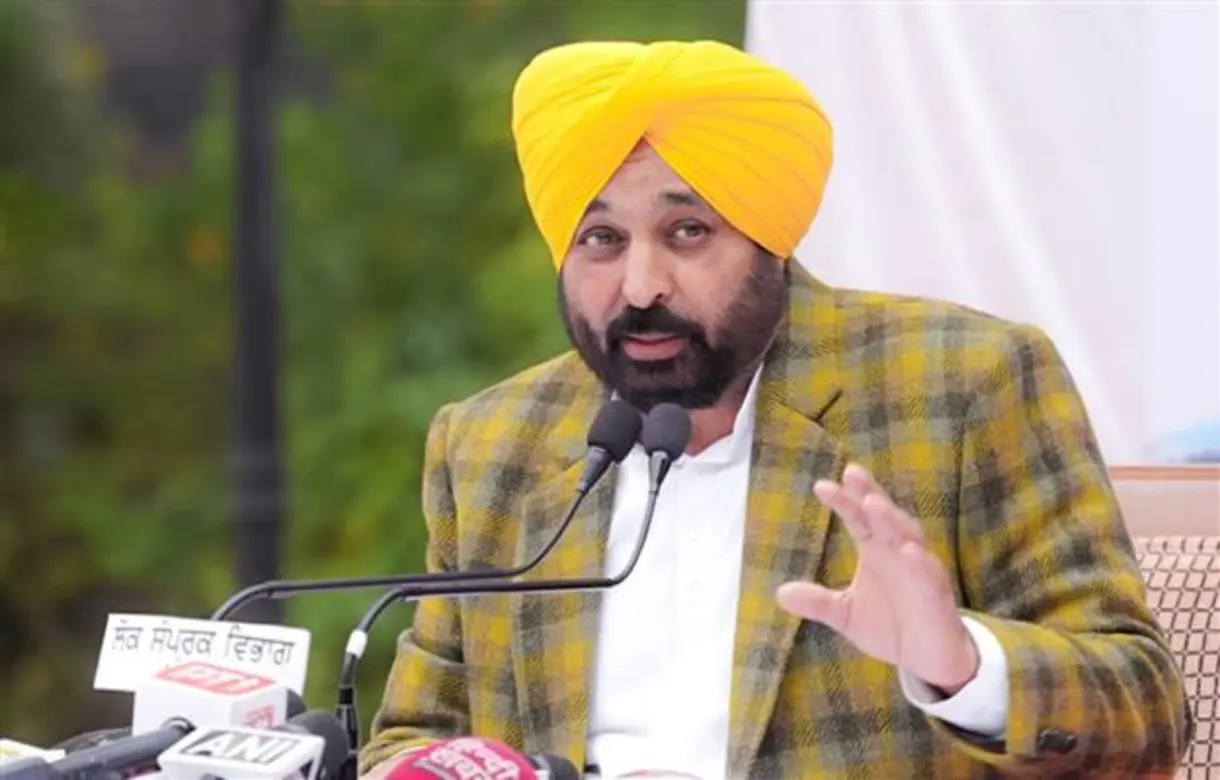
Meanwhile, Punjab Chief Minister and senior AAP leader Bhagwant Mann rejected allegations that his state was contributing to Delhi’s pollution. He said the AQI in Punjab cities ranged between 70 and 100, significantly lower than that of the national capital, and urged the Centre to stop blaming Punjab.

Continue Reading

Trending

© Copyright 2022 APNLIVE.com