English हिन्दी
Connect with us

India News

Rs 20,000 fine or forced return as Delhi turns away old vehicles at borders amid severe pollution

With Delhi’s air quality slipping into the hazardous zone, authorities have intensified GRAP Stage IV enforcement, turning back old and non-BS VI vehicles from the city’s borders or fining them heavily.

Published

on

Delhi air pollution

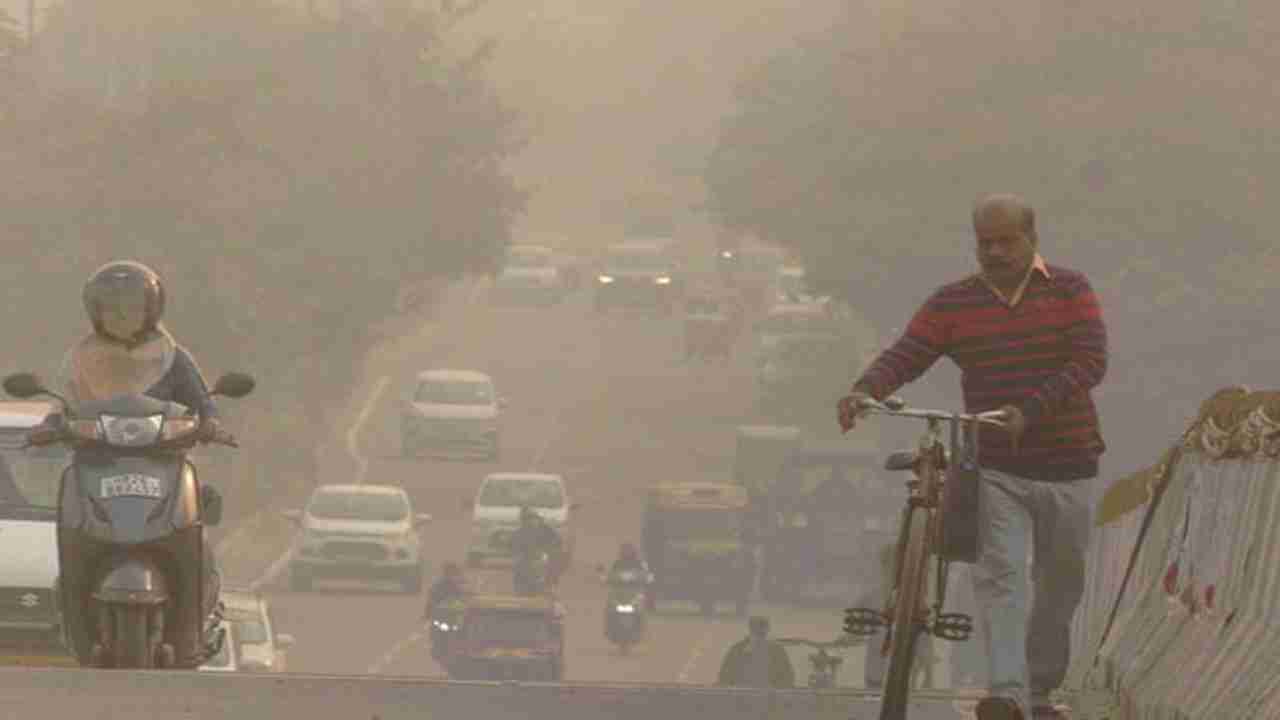
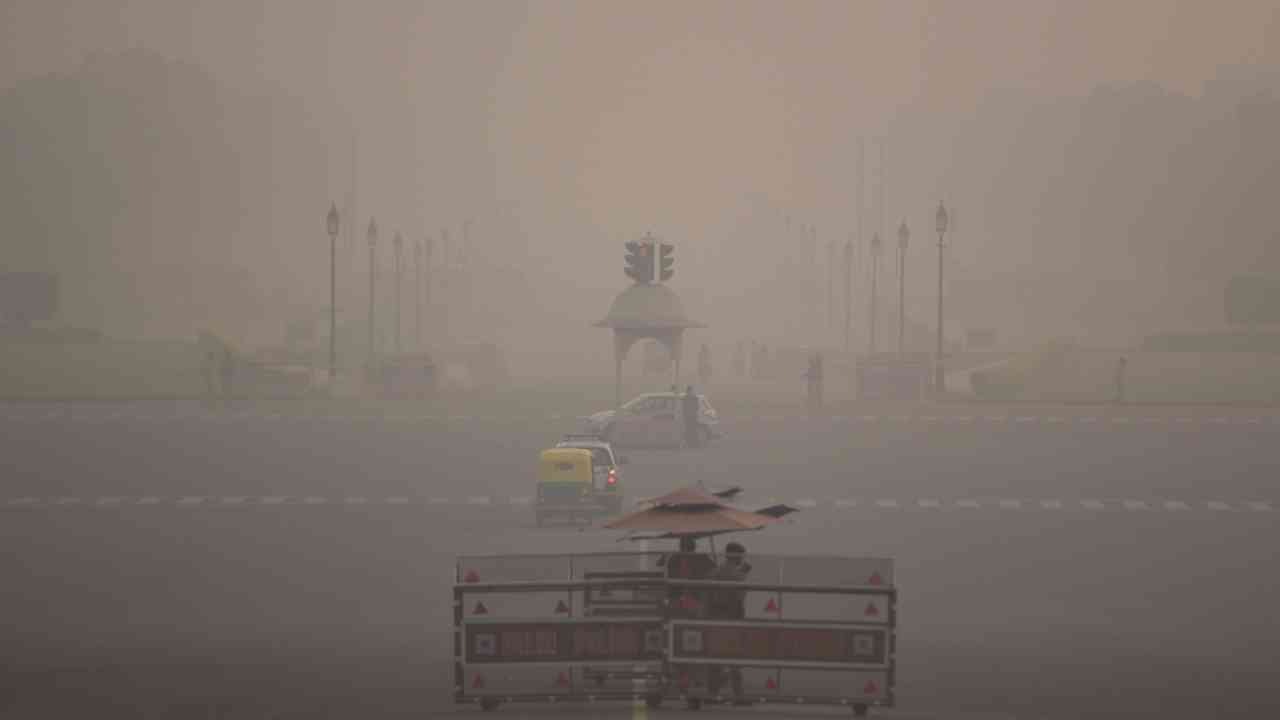
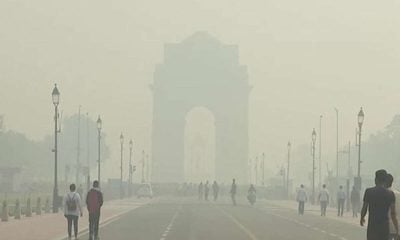
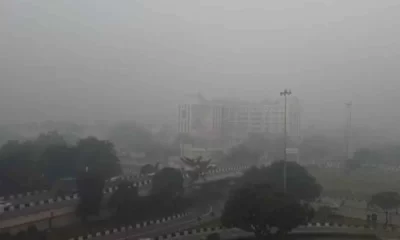
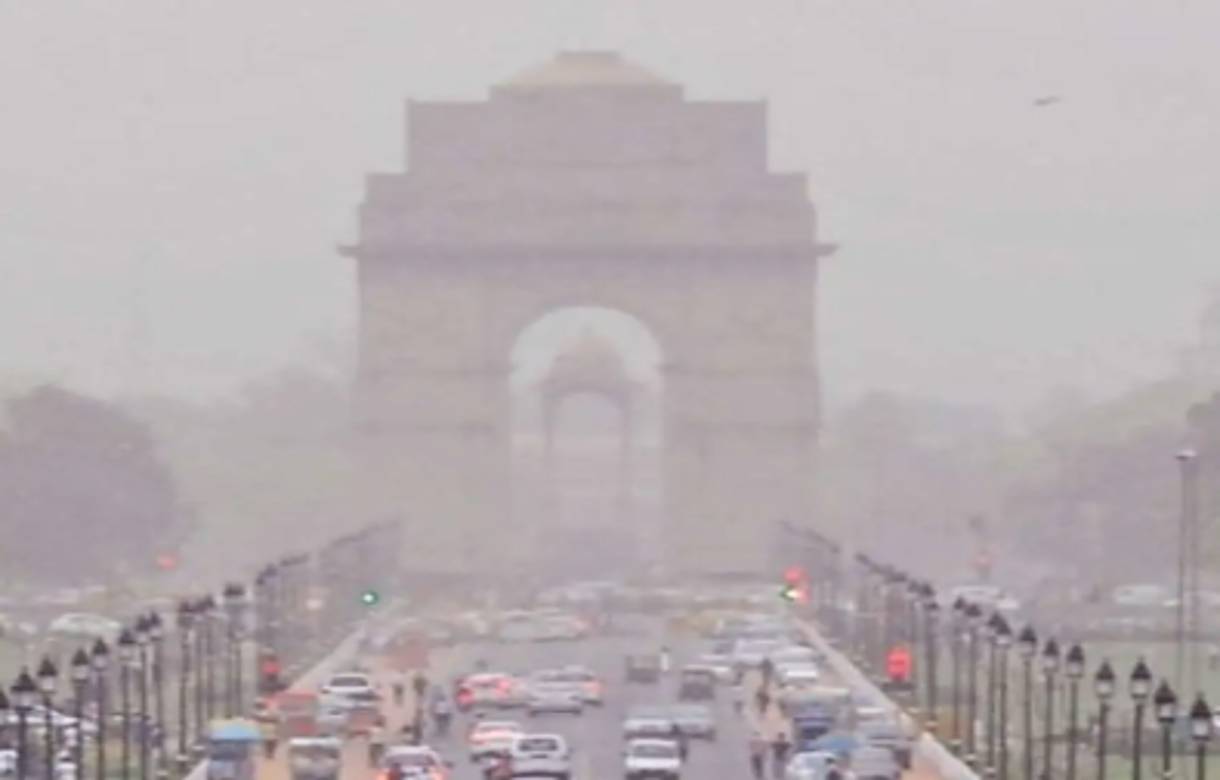
Delhi’s border points witnessed strict vehicle checks on Thursday as enforcement agencies intensified action under Stage IV of the Graded Response Action Plan (GRAP) following a sharp deterioration in air quality. A thick blanket of smog covered key entry points, including the Delhi-Noida Direct (DND) Flyway, with the Air Quality Index (AQI) near the Chilla border slipping to around 490, placing it in the hazardous category.

Officials from the Delhi transport department and traffic police were seen stopping vehicles registered outside the capital, particularly those that did not meet BS VI emission standards. Non-compliant vehicles were either fined Rs 20,000 or asked to turn back from the border.

According to transport department officials supervising the checks, teams are verifying vehicle compliance using portable devices that allow instant confirmation of registration details, emission norms and Pollution Under Control Certificate (PUCC) validity. Drivers without valid PUCCs are also being penalised.

Old and non-BS VI vehicles under scanner

Barricades were placed along key routes to slow traffic and enable thorough inspection. Enforcement teams are specifically targeting vehicles that appear old or do not carry blue stickers indicating BS VI compliance. Traffic personnel from neighbouring states are also part of the joint operation at border points.

Officers said that diesel vehicles older than 10 years and petrol vehicles older than 15 years, especially those meeting BS-III or lower emission standards, are being stopped and fined as per existing rules. Authorities maintained that these measures are part of emergency steps to limit vehicular pollution during the winter peak.

Commuters voice frustration over enforcement

Some motorists expressed dissatisfaction with the sudden enforcement drive. A commuter from Faridabad, whose BS-III vehicle was stopped at the border, questioned the fairness of the checks, arguing that ordinary drivers were being penalised while larger systemic issues remained unaddressed. He also raised concerns about the lack of uniform checks on public transport vehicles.

Officials, however, said awareness about vehicular pollution norms has been repeatedly communicated and that enforcement teams have been deployed across all major entry points to prevent violators from using alternate routes to enter the city.

Vehicles a major contributor to winter pollution

Data shared by officials indicates that transport accounts for over 20% of PM2.5 pollution during winter months in Delhi-NCR. Of the nearly 2.88 crore vehicles in the region, about 93% are light motor vehicles and two-wheelers, while nearly 37% fall under BS-III or older categories. These older vehicles emit significantly higher levels of particulate matter and nitrogen dioxide compared to newer models.

Experts cited in media reports have pointed out that while vehicle restrictions may offer temporary relief, long-term solutions are necessary. Concerns have also been raised about the effectiveness of the existing PUC system, which does not adequately measure particulate emissions, and the need for stronger scrappage policies and improved public transport to address cross-border pollution.

Former transport officials have criticised what they described as last-minute enforcement measures, calling for consistent tailpipe emission checks, better inter-state coordination and the creation of a dedicated pollution control task force to tackle vehicular emissions more sustainably.

India News

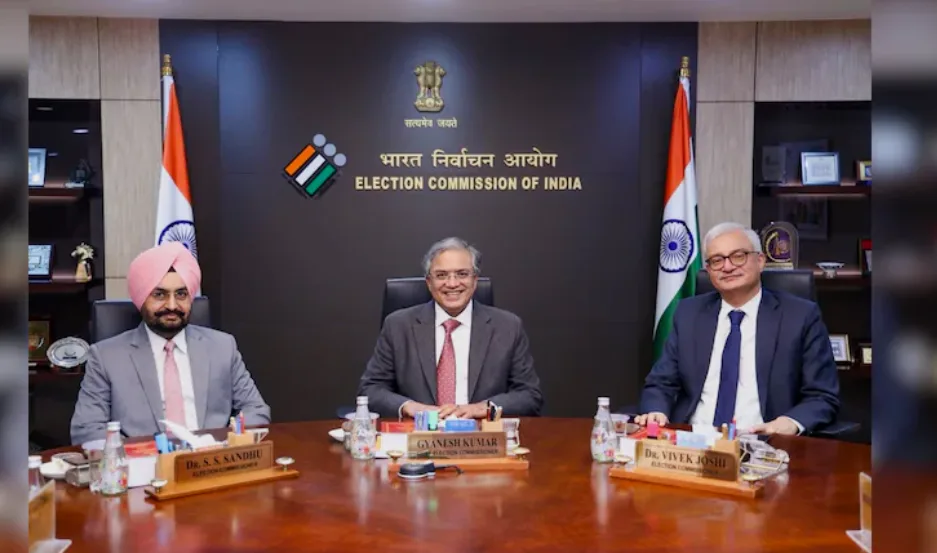
EC issues notice to Mallikarjun Kharge over terrorist remark against PM Modi

The Election Commission has issued a notice to Mallikarjun Kharge over his remark on PM Modi, asking for a response within 24 hours amid a growing political controversy.

Published

on

mallikarjun-kharge

The Election Commission has issued a notice to Congress president Mallikarjun Kharge over his controversial remark referring to Prime Minister Narendra Modi as a “terrorist” during an election campaign.

Taking serious note of the statement, the poll body has asked Kharge to submit his response within 24 hours, highlighting concerns over the language used in public campaigning.

BJP complaint triggered action

The development comes after the Bharatiya Janata Party approached the Election Commission, alleging that the remark violated the Model Code of Conduct. The party described the comment as derogatory and sought strict action against the Congress leader.

A delegation of BJP leaders also met the poll panel, stressing that such statements undermine the standards of political discourse during elections.

Kharge’s clarification

Following the controversy, Kharge clarified that his remarks were being misinterpreted. He said he did not intend to call the Prime Minister a terrorist but was referring to what he described as “terrorising” political opponents through the use of central agencies.

Rising political tensions

The episode has further escalated tensions between the ruling party and the opposition amid an ongoing election season. Leaders across the political spectrum have reacted strongly, with criticism and counter-criticism intensifying the debate around campaign rhetoric.

The Election Commission’s intervention underscores its attempt to maintain decorum and enforce campaign norms as political activity intensifies across states.

Continue Reading

India News

Noida workers protest under probe as X Storm social media group comes under scanner

Probe into Noida workers protest highlights suspected role of ‘X Storm’ social media group and digital coordination behind the unrest.

Published

on

Authorities have intensified their investigation into the recent workers’ protest in Noida, with a social media network known as “X Storm” now emerging as a key focus in the probe.

The unrest, which began as a demonstration over wage-related concerns, escalated into violence in parts of the industrial hub, prompting a wider inquiry into the factors behind the mobilisation of large groups of workers.

According to officials, investigators are examining how digital platforms may have been used to coordinate the protests. Preliminary findings suggest that multiple online groups and accounts played a role in rapidly mobilising participants and spreading messages related to the agitation.

The role of social media has come under particular scrutiny, with authorities looking into whether organised efforts were made to amplify tensions. Officials are also probing the origin of messages circulated online and the possible involvement of coordinated networks.

Recent findings indicate that such protests may not have been entirely spontaneous. Investigations in similar cases have revealed the use of newly created social media accounts, messaging platforms, and closed groups to mobilise crowds quickly and maintain anonymity.

Additionally, concerns have been raised about external elements potentially influencing the protests. Earlier reports have pointed to the involvement of non-worker participants and coordinated digital campaigns that may have contributed to the escalation of violence.

The Noida protest is part of a broader wave of labour unrest driven by demands for higher wages and improved working conditions. The demonstrations turned violent in some areas, with incidents of stone pelting, arson, and clashes with police reported during the peak of the agitation.

Authorities are now focusing on tracing digital footprints, identifying administrators of online groups, and determining whether there was any larger network orchestrating the unrest.

The investigation remains ongoing, with officials stating that appropriate action will be taken based on the findings.

Continue Reading

India News

Rahul Gandhi’s Bengal poll visit cancelled amid permission row, Congress targets Trinamool

Rahul Gandhi’s Bengal visit was cancelled after authorities did not grant permission, triggering a political row between Congress and Trinamool.

Published

on

Rahul-Gandhi

Congress leader Rahul Gandhi’s scheduled visit to West Bengal for election campaigning has been cancelled after the party failed to secure the required administrative permission for public events.

The visit, planned for April 23, was called off after the party waited until the evening for clearance but did not receive approval in time to make necessary arrangements.

Congress leaders have alleged that the local administration, under the influence of the ruling Trinamool Congress, did not grant permission for the rally. The party claimed that despite waiting until around 6 pm, the approval did not come through, forcing them to cancel the programme.

Trinamool response

The Trinamool Congress rejected the allegations, stating that all political parties must follow established procedures for holding public meetings. A party minister said applications must be submitted through the designated system within a specified time frame before events.

The Trinamool also indicated that the state government is currently in a caretaker role during the election period, suggesting that questions regarding permissions fall under the purview of the Election Commission.

Fresh dates likely

Congress sources said the party is still keen for Rahul Gandhi to campaign in the state and may seek fresh permission for a visit on April 25 or 26.

Political context

The development comes amid heightened political activity ahead of the 2026 West Bengal Assembly elections, where multiple parties are campaigning aggressively. The Congress and Trinamool Congress, despite being part of broader opposition alignments at the national level, remain direct rivals in the state.

Recent reports also indicate that permission-related issues have affected campaign events in the state, with some rallies being cancelled due to lack of police clearance.

Continue Reading

Trending

© Copyright 2022 APNLIVE.com