English हिन्दी
Connect with us

India News

Amit Shah attacks Rahul Gandhi over Congress poll losses, questions SIR row

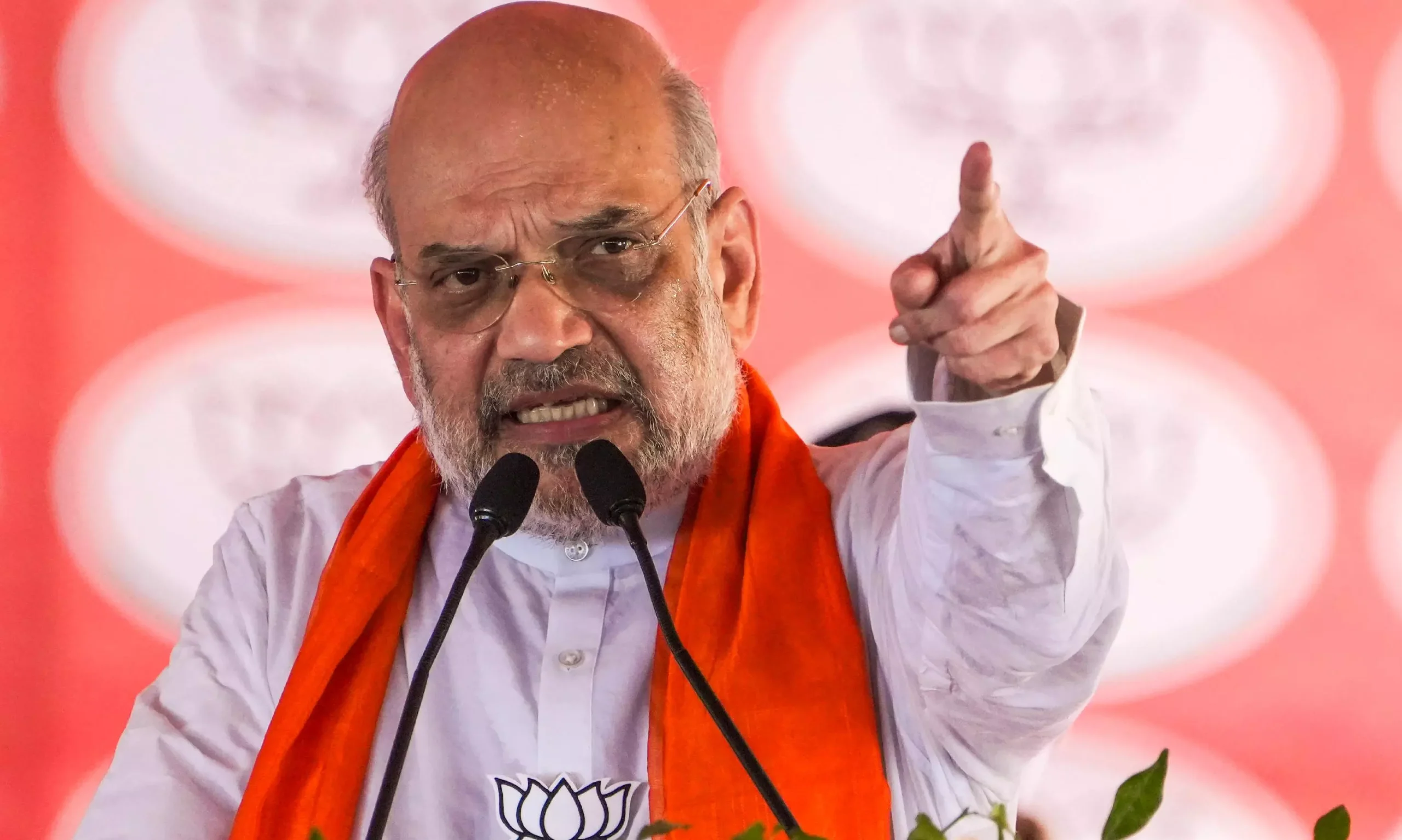
Union Home Minister Amit Shah criticised Rahul Gandhi over the Opposition’s allegations concerning the Special Intensive Revision (SIR) of electoral rolls. Shah argued that the Congress had been losing elections before the exercise began after 2024 and cited the BJP’s victories in Gujarat’s civic polls.

Published

on

Union Home Minister Amit Shah on Tuesday criticised Rahul Gandhi over the Opposition’s allegations concerning the Special Intensive Revision (SIR) of electoral rolls. Shah argued that the Congress had been losing elections since Gandhi entered politics and questioned how the SIR exercise, which he said began after 2024, could explain the party’s electoral defeats.

His remarks came amid protests by Rahul Gandhi and other Opposition leaders demanding the resignation of Chief Election Commissioner Gyanesh Kumar over alleged irregularities in the SIR process.

Shah accused Gandhi of using the controversy to deflect attention from the Congress’s electoral setbacks. He argued that the party’s history of defeats could not simply be attributed to changes in voter lists.

Amit Shah cites BJP’s Gujarat civic poll victories

Shah referred to the BJP’s recent performance in Gujarat’s local body elections, particularly in Gandhinagar, where the party retained control of the municipal corporation.

The BJP won 38 of the 44 seats in the Gandhinagar Municipal Corporation. The BJP also retained control of the Thara and Okha municipalities, according to the report.

Shah cited these results while defending the BJP’s electoral performance and asserting that the victories reflected the popularity of the party and Prime Minister Narendra Modi.

Shah questioned the Opposition’s attempt to link the Congress’s electoral defeats to the SIR exercise, citing the party’s electoral record as part of his argument.

Rahul Gandhi vows to continue Opposition protests

Shah’s comments followed a press conference by Rahul Gandhi, who reiterated that the Opposition would continue its campaign against what it alleges are irregularities in the SIR process and concerns over the functioning of Chief Election Commissioner Gyanesh Kumar.

Gandhi said the political resistance would continue, framing the campaign as a fight for the restoration of democracy.

The Congress and other Opposition leaders have raised concerns about the electoral roll revision process, while the BJP has defended its electoral record and challenged the Opposition’s explanations for its defeats.

Shah’s remarks added to the political confrontation between the BJP and Congress over electoral processes, voter lists and the interpretation of recent election results.

India News

L Murugan quits Union ministry to strengthen BJP in Tamil Nadu

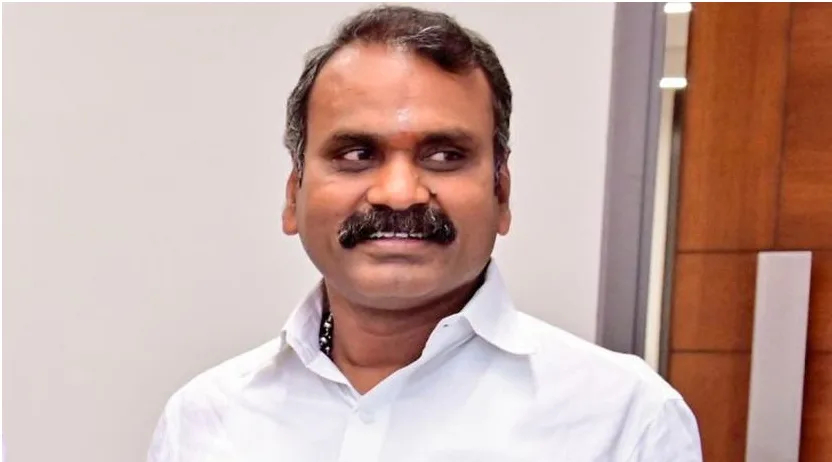
L Murugan has resigned from his Union ministerial post and Rajya Sabha membership, saying he wants to return to grassroots politics and dedicate himself to strengthening the BJP in Tamil Nadu before the 2029 Lok Sabha elections.
Published

on

L Murugan

L Murugan has resigned from his position as Union Minister of State and his Rajya Sabha membership, saying he wants to return to grassroots politics and work towards strengthening the Bharatiya Janata Party (BJP) in Tamil Nadu ahead of the 2029 Lok Sabha elections.

Murugan, who held the portfolios of Information and Broadcasting and Parliamentary Affairs, announced his decision in a post on X on Tuesday, October 13. He described his time in the Union government under Prime Minister Narendra Modi’s leadership as a great honour and said he wanted to devote himself full-time to the party’s work in Tamil Nadu.

L Murugan says he wants to return to grassroots politics

In his post, Murugan expressed gratitude for the opportunity to serve in the Union Council of Ministers and highlighted his background as the son of daily-wage labourers.

He said he now wished to return to the grassroots, stand alongside BJP workers and dedicate his time to strengthening the party in Tamil Nadu before the next Lok Sabha elections.

Murugan’s stated objective is to help expand the BJP’s presence in the state and contribute to the party’s performance in the 2029 general elections.

Murugan’s resignation comes amid Cabinet reshuffle speculation

His decision comes amid speculation about a possible reshuffle in the Union government. The discussion gained momentum after several Rajya Sabha MPs and ministers, including Petroleum Minister Hardeep Singh Puri, were not renominated.

However, the report does not establish that the speculation about a Cabinet reshuffle was the reason for Murugan’s resignation. His publicly stated reason was his desire to return to grassroots work and strengthen the BJP in Tamil Nadu.

Murugan thanks PM Modi for the opportunity to serve

Murugan described serving India and Tamil Nadu under Modi’s leadership as one of the greatest privileges of his life. He also referred to his journey from a family of daily-wage labourers to the Union Council of Ministers.

His announcement places his immediate political focus on Tamil Nadu, with the BJP’s preparations for the 2029 Lok Sabha elections forming a central part of his stated plans.

Continue Reading

India News

Rahul Gandhi hosts high tea for INDIA bloc after Gyanesh Kumar protests

Rahul Gandhi brought INDIA bloc leaders, opposition MPs and representatives of student organisations and civil society together for high tea amid protests over Chief Election Commissioner Gyanesh Kumar and the voter-roll revision process.
Published

on

Rahul Gandhi

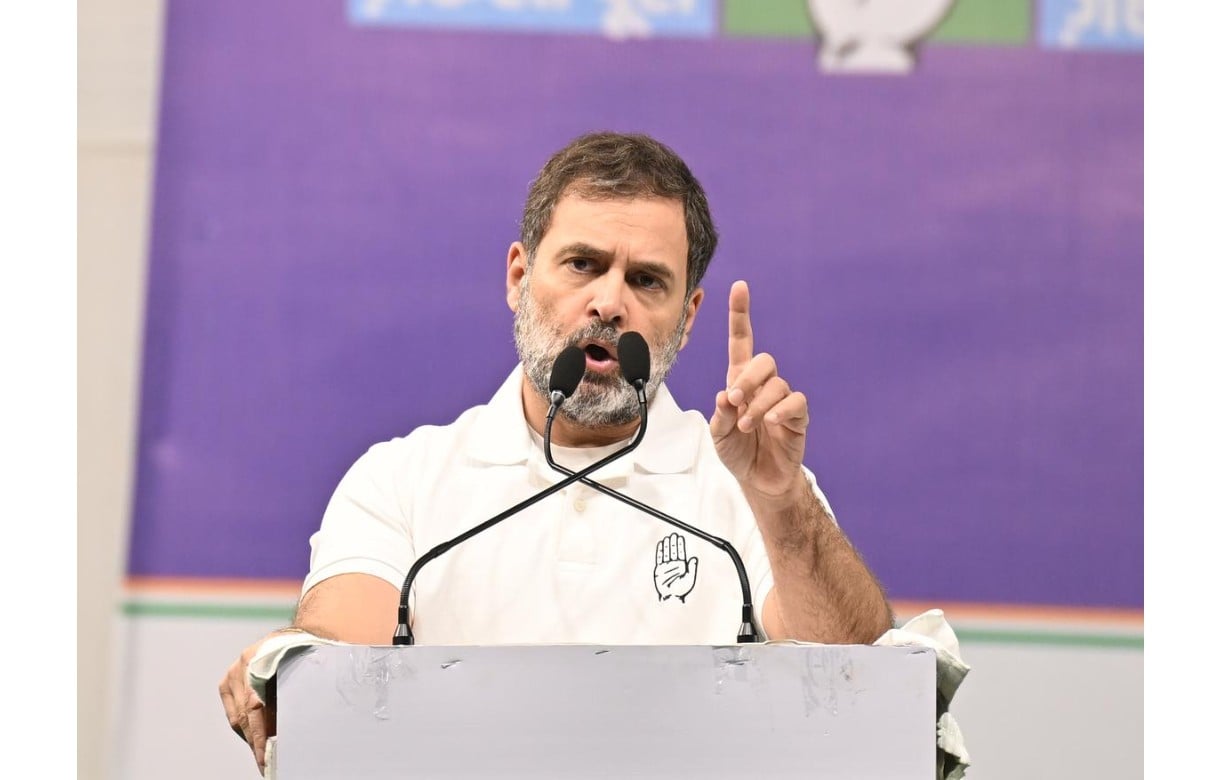
Congress leader Rahul Gandhi hosted a meeting over high tea at his Delhi residence on Tuesday, bringing together INDIA bloc leaders, opposition MPs, student organisations and civil society representatives amid continuing protests over Chief Election Commissioner Gyanesh Kumar and the Election Commission of India’s voter-roll revision process.

The gathering was held at Gandhi’s residence at 5, Sunehri Bagh Road. In a post on X, the Leader of the Opposition in the Lok Sabha said the meeting was intended to bring different groups together in what he described as a movement to protect democracy.

“All protests are one. #Unity,” Gandhi wrote, signalling an effort to coordinate opposition parties and other groups participating in the protests.

The meeting was followed by a press conference at which opposition leaders presented their position on the issue.

Opposition seeks to sustain joint movement

The high tea came a day after opposition leaders and student representatives participated in a march demanding action over their concerns regarding the Election Commission and the revision of electoral rolls.

The march, called the “March for Democracy”, saw participation from several prominent opposition figures, including Congress president Mallikarjun Kharge, Samajwadi Party chief Akhilesh Yadav, Trinamool Congress president Mamata Banerjee, Rashtriya Janata Dal working president Tejashwi Yadav, CPI leader D Raja, CPI(M) leader MA Baby and NCP-SP leader Supriya Sule.

Gandhi also joined the march, which brought opposition leaders and student representatives together to raise concerns about the electoral process.

The high tea meeting extended that effort by bringing opposition politicians together with student organisations and civil society representatives. The gathering came amid calls for a coordinated response rather than separate protests by different groups.

What is the opposition’s case against the Election Commission?

The dispute centres on the Election Commission’s Special Intensive Revision (SIR) of electoral rolls and decisions concerning the voter-list revision process.

A petition filed by Rahul Gandhi and others names the Election Commission of India, Chief Election Commissioner Gyanesh Kumar and fellow Election Commissioners Sukhbir Singh Sandhu and Vivek Joshi as parties.

The petition seeks judicial examination of decisions concerning the SIR process, the submission of records related to the exercise, the rollback of changes made to Form 6 for enrolling new voters and an independent audit, among other requests.

The opposition has raised concerns about the conduct of the electoral-roll revision process and has demanded accountability from the poll body. These are the petitioners’ demands and allegations, rather than established findings of wrongdoing by the Election Commission.

The legal challenge adds a judicial dimension to the opposition’s street protests and its efforts to draw attention to the voter-list issue.

Gyanesh Kumar issue remains a focus of protests

Chief Election Commissioner Gyanesh Kumar has been at the centre of opposition protests linked to the electoral-roll revision exercise. Opposition leaders have demanded action over their concerns regarding the Election Commission’s functioning and the SIR process.

Gandhi’s meeting with INDIA bloc leaders and representatives of other groups underscored the opposition’s stated intention to continue raising the issue collectively.

The gathering also brought together political parties and organisations beyond the INDIA bloc, reflecting the wider participation in the protests described in Gandhi’s public statement.

The dispute now involves political demonstrations, demands for accountability from the Election Commission and a legal challenge seeking scrutiny of decisions connected to the revision of electoral rolls.

Continue Reading

India News

Supreme Court stays defamation case against Rahul Gandhi over PM Modi remarks

The Supreme Court has temporarily halted trial court proceedings in the criminal defamation case against Rahul Gandhi over his alleged remarks concerning Prime Minister Narendra Modi. The court has issued notices seeking responses within four weeks.
Published

on

Rahul Gandhi

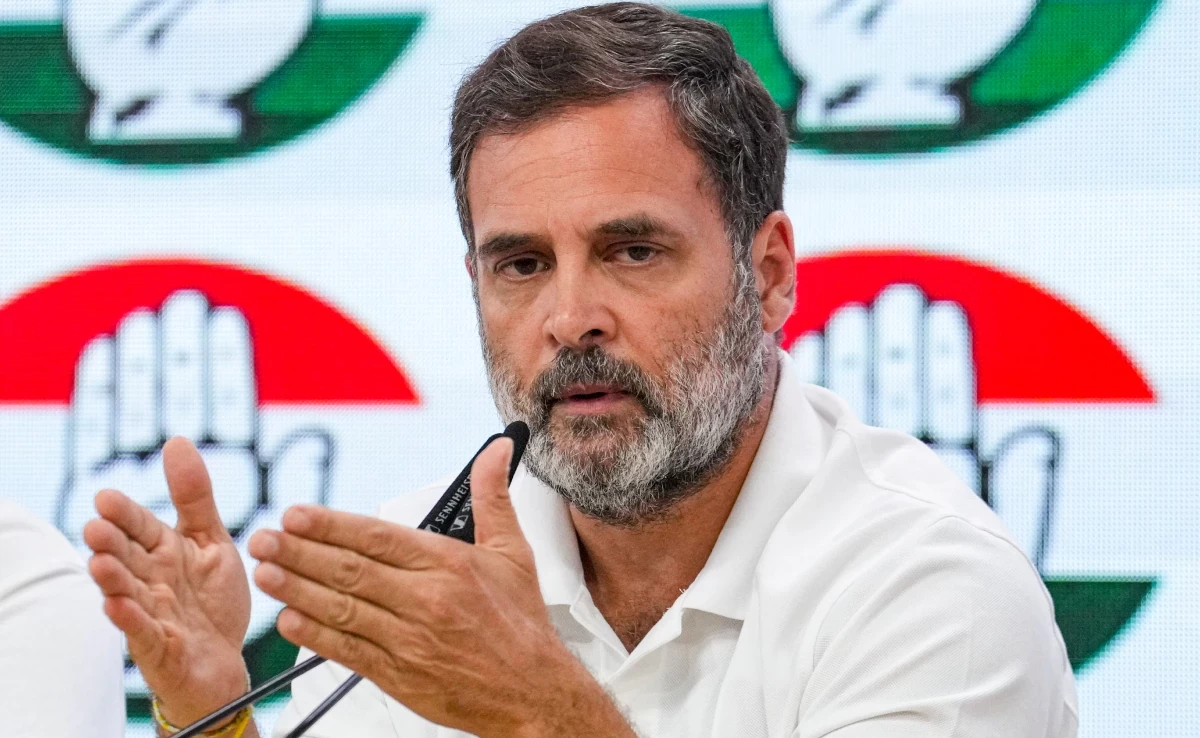
The Supreme Court has stayed further proceedings before the trial court in a criminal defamation case against Congress leader Rahul Gandhi over his alleged remarks concerning Prime Minister Narendra Modi.

A bench comprising Justices Vikram Nath and Aparesh Kumar Singh issued notices to the Maharashtra government and the complainant, seeking their responses within four weeks. The order provides interim relief to Gandhi while the Supreme Court considers his challenge to an earlier Bombay High Court decision.

The case concerns remarks allegedly made by Gandhi in 2018. A magistrate’s order dated August 28, 2019, initiated proceedings against him in the criminal defamation case. The Supreme Court’s latest order temporarily pauses the trial court proceedings; it does not amount to a final ruling on the allegations.

Why Rahul Gandhi approached the Supreme Court

Gandhi challenged the Bombay High Court’s September 8 order, which declined to quash the summons issued against him in the criminal defamation case.

The complaint was filed by Maharashtra-based BJP member Mahesh Shrishrimal before a magistrate court in Girgaum, Mumbai. The complaint concerns remarks Gandhi allegedly made about Prime Minister Narendra Modi during a public address in Rajasthan on September 20, 2018.

The complainant alleged that Gandhi’s remarks were defamatory and affected the reputation of the Prime Minister and BJP members. These remain allegations and have not been established by a final court judgment. These are allegations in the complaint, rather than findings established by a final court judgment.

Gandhi had sought to have the criminal proceedings quashed, challenging the maintainability of the complaint and the complainant’s standing to bring the case.

What the Bombay High Court had ruled

On September 8, the Bombay High Court rejected Gandhi’s plea to quash the criminal defamation proceedings.

The Bombay High Court rejected Gandhi’s plea to quash the proceedings, holding that the complaint could not be dismissed at that stage merely on the ground that the complainant was a BJP member. It observed that whether the alleged remarks were directed solely at the Prime Minister or could also affect members of the party would require examination during the trial.

The High Court’s decision allowed the proceedings to remain in place, although it had earlier provided temporary protection to Gandhi to enable him to approach the Supreme Court.

What happens next

The Supreme Court has now stayed further proceedings before the trial court and sought responses from the Maharashtra government and Mahesh Shrishrimal within four weeks.

The Supreme Court has sought responses within four weeks. The next hearing date should be included only if it has been confirmed by the court or the reference report. The interim stay pauses the trial court process while the Supreme Court considers Gandhi’s challenge to the High Court’s order.

The latest development does not determine whether the alleged remarks amount to criminal defamation. That issue remains subject to the legal proceedings.

Continue Reading

Trending

© Copyright 2022 APNLIVE.com