English हिन्दी
Connect with us

India News

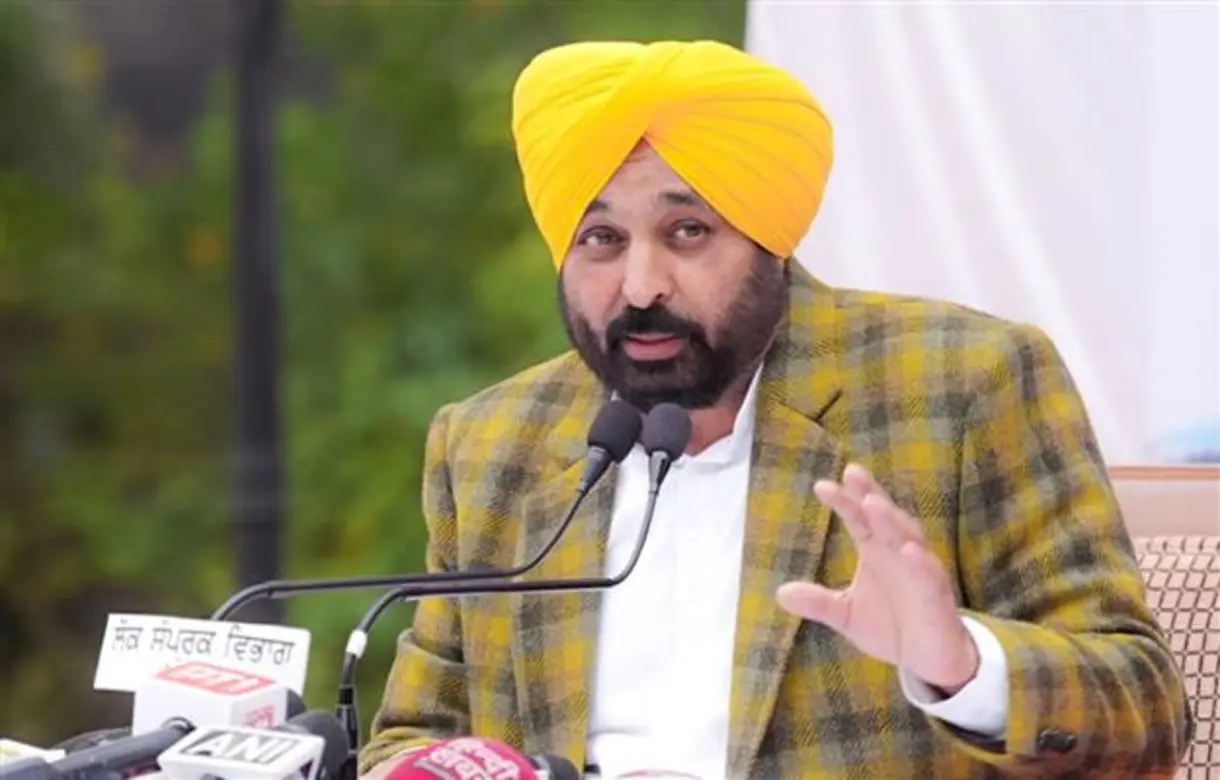
AAP drops minister, sitting MLAs from second Punjab list, gives tickets to 2 MPs

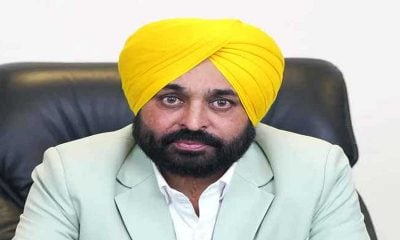
AAP has released its second list of 31 candidates for the 2027 Punjab Assembly elections. The list leaves out a minister and several sitting MLAs while giving Assembly election tickets to two MPs.

Published

on

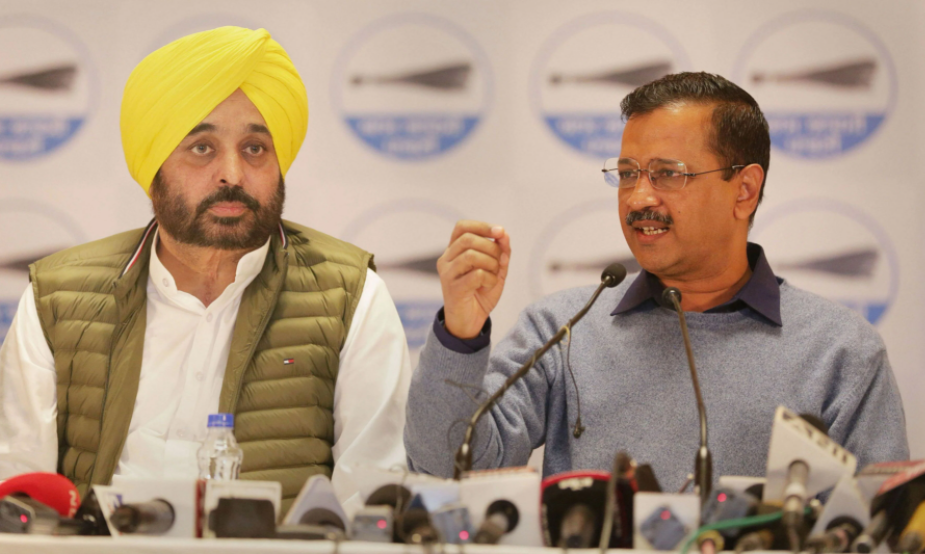
The Aam Aadmi Party (AAP) has announced its second list of 31 candidates for the 2027 Punjab Assembly elections, taking the total number of constituencies for which it has declared nominees to 71. The latest list includes two sitting Members of Parliament (MPs), while several sitting MLAs have been replaced.

The party has also cancelled the ticket of Cabinet Minister Gurmeet Singh Khuddian, fielding Randhir Singh Dhira Khuddian instead from Lambi.

The development comes as the ruling party steps up preparations for the 2027 Punjab Assembly elections. 

AAP’s second list follows 40-candidate announcement

AAP had announced its first list of 40 candidates on October 31. The party had renominated all 40 sitting MLAs included in that list.

Punjab Chief Minister Bhagwant Mann was named as the candidate from Dhuri, while Assembly Speaker Kultar Singh Sandhwan was fielded from Kotkapura.

Three AAP MLAs quit the party shortly after the announcement of the first list, leaving Samana, Sanaur and Amritsar North among the constituencies requiring a fresh look.

Minister Gurmeet Khuddian loses Lambi ticket

One of the significant changes in the second list is in Lambi, where AAP has fielded Randhir Singh Dhira Khuddian instead of sitting MLA and Cabinet Minister Gurmeet Singh Khuddian.

Gurmeet Singh Khuddian had defeated former Punjab Chief Minister Parkash Singh Badal from the constituency in the 2022 Assembly elections.

Two sitting MPs get Assembly tickets

AAP has fielded two sitting MPs in the 2027 Punjab Assembly elections. Sangrur MP Gurmeet Singh Meet Hayer will contest from Barnala, his former constituency, while Hoshiarpur MP Dr Raj Kumar Chabbewal has been named as the candidate from Phagwara.

Meet Hayer returns to Barnala, where Congress won the 2024 bypoll.

Focus shifts to candidate selection ahead of Punjab polls

The second list indicates that the party is making further changes to its candidate selection as it prepares for the 2027 Assembly elections.

Giving tickets to two MPs also marks an important development in its electoral preparations.

The candidate announcements come as political parties begin preparing for the next electoral contest in Punjab, where the AAP will seek another term in government.

India News

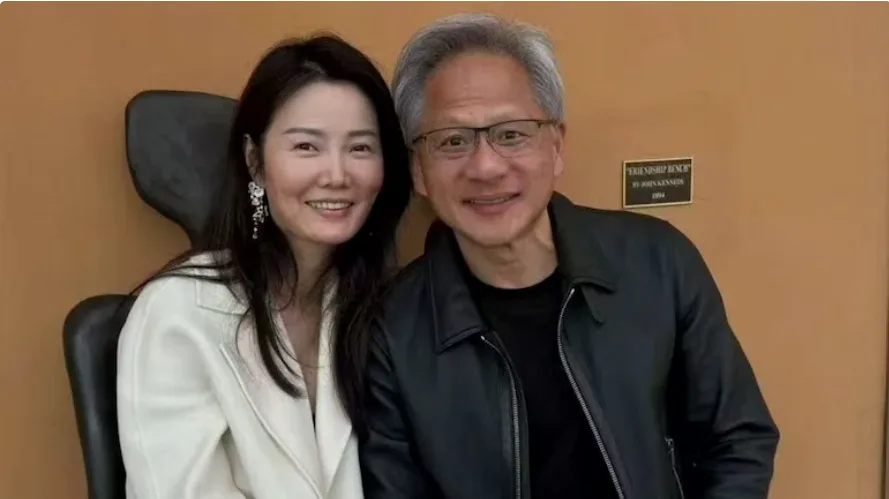
Nvidia CEO Jensen Huang resigns amid affair scandal, Colette Kress takes over

Nvidia CEO Jensen Huang has resigned amid an affair-related controversy. The company’s CFO, Colette Kress, will serve as interim CEO while the board looks for a permanent successor.
Published

on

colette kress

Nvidia CEO Jensen Huang has resigned from his position, marking a major leadership change at the world’s leading artificial intelligence chipmaker. The company’s board has appointed Chief Financial Officer Colette Kress as interim CEO while it begins the process of finding a permanent successor.

The development comes amid controversy surrounding reports of Huang’s alleged extramarital relationships, including one involving a Chinese businesswoman suspected by US authorities of having links to espionage activities.

Huang’s departure comes after more than three decades at the helm of Nvidia, the company he co-founded in 1993. His leadership helped transform the business from a graphics chip manufacturer into a dominant supplier of processors powering the global artificial intelligence industry.

Colette Kress appointed interim Nvidia CEO

Following Huang’s resignation, Nvidia’s board appointed Colette Kress as interim chief executive officer.

Kress, who has served as Nvidia’s executive vice president and CFO since September 2013, will continue to hold the finance portfolio alongside her interim leadership responsibilities until a permanent successor is appointed.

Before joining Nvidia, she spent nearly 25 years working in finance roles at major technology companies, including Cisco and Microsoft.

The board has said it will consider both internal and external candidates as part of its search for a permanent CEO.

Nvidia has also appointed Harvey C. Jones as the company’s first-ever chairman of the board.

Affair controversy surrounding Jensen Huang

Huang’s resignation follows a series of reports about alleged extramarital relationships that have raised questions about his position at the company.

One of the controversies involves Alice Huang, a Chinese businesswoman whom US intelligence agencies reportedly suspect of involvement in facilitating shipments of Nvidia chips to Chinese companies.

Another report alleged that Huang had a relationship with Kimberly Powell, Nvidia’s vice president of healthcare, who reportedly worked under him.

Huang had earlier acknowledged being unfaithful to his wife in a message to Nvidia employees, taking responsibility for his actions and apologising to his family and colleagues.

The company’s board had also initiated an independent investigation into whether Huang had been targeted as part of a foreign intelligence operation.

Jensen Huang’s departure marks a major change for Nvidia

Huang co-founded Nvidia in 1993 alongside Curtis Priem and Chris Malachowsky. Under his leadership, the company evolved from a graphics processing unit manufacturer primarily associated with gaming into a central player in the global AI industry.

Nvidia’s processors have become critical to companies developing and operating artificial intelligence systems, making the company one of the most influential businesses in the technology sector.

His departure also comes at a crucial time for Nvidia, with investors closely watching the company’s leadership transition and its ability to maintain its position in the rapidly expanding AI market.

Continue Reading

India News

Chandrashekhar Azad to be CM candidate of alliance with Owaisi for Uttar Pradesh elections

Asaduddin Owaisi and Chandrashekhar Azad have joined hands ahead of the 2027 Uttar Pradesh Assembly elections, bringing together the AIMIM and Azad Samaj Party in an effort to consolidate Dalit and Muslim voters.
Published

on

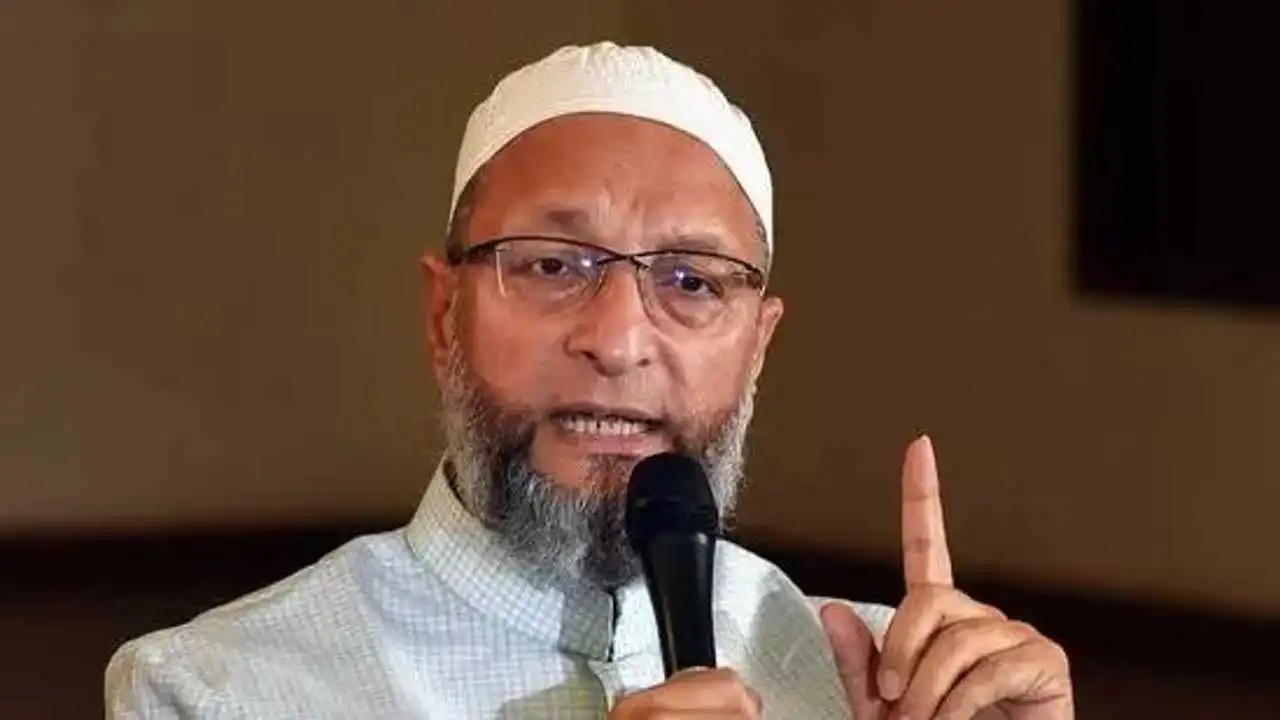
Asaduddin Owaisi’s All India Majlis-e-Ittehadul Muslimeen (AIMIM) and Chandrashekhar Azad’s Azad Samaj Party (Kanshi Ram) have joined hands ahead of the 2027 Uttar Pradesh Assembly elections, seeking to emerge as a third political force and draw support from sections of Muslim and Dalit voters.

As part of the alliance, Owaisi declared Chandrashekhar Azad as the alliance’s Chief Ministerial face for the 2027 Uttar Pradesh Assembly elections.

Owaisi had been seeking a place in the Opposition alliance for months and had even issued ultimatums to the Samajwadi Party and Congress. However, his efforts did not find takers.

The alliance brings together AIMIM’s focus on Muslim political representation and the Azad Samaj Party’s outreach among Dalit voters. Both parties are seeking to establish a political formation outside the BJP-led NDA and the Samajwadi Party-led opposition.

Why Owaisi and Chandrashekhar Azad joined hands

Uttar Pradesh AIMIM president Shaukat Ali said the party approached Chandrashekhar Azad after its efforts to reach an understanding with the Samajwadi Party, Congress and Bahujan Samaj Party did not succeed.

Ali said AIMIM wanted a broader alliance to prevent the BJP from returning to power in Uttar Pradesh for a third consecutive term.

He also criticised the Samajwadi Party-Congress alliance, questioning its prospects in the next Assembly elections.

Chandrashekhar Azad, the Lok Sabha MP from Nagina, said the partnership would focus on empowering young people, farmers and weaker sections of society.

He also raised concerns over employment opportunities, demonetisation and issues affecting educated youth from Dalit and backward communities.

What the alliance means for Akhilesh Yadav’s PDA strategy

Muslims account for around 20 per cent of Uttar Pradesh’s population, while Dalits constitute approximately 21 per cent.

Samajwadi Party chief Akhilesh Yadav has used the PDA formulation to bring together backward classes, Dalits and minorities. The AIMIM-Azad Samaj Party alliance is seeking support among two important sections of this broader social grouping.

Muslims account for around 20 per cent of Uttar Pradesh’s population, while Dalits constitute approximately 21 per cent.

What the parties’ previous election performance shows

Both AIMIM and the Azad Samaj Party have struggled to establish a significant presence in Uttar Pradesh Assembly elections.

In the 2022 Assembly elections, AIMIM contested more than 90 seats but secured less than 0.5 per cent of the total votes. The Azad Samaj Party contested more than 100 seats and received approximately 0.13 per cent of the votes.

Chandrashekhar Azad, however, won the Nagina Lok Sabha constituency in 2024, giving his party its first elected representative in Parliament.

The alliance is now attempting to combine AIMIM’s support among sections of Muslim voters with Azad’s outreach among Dalit communities.

Its electoral prospects will depend on the seat-sharing arrangement, local leadership and whether the two parties can translate their combined social outreach into electoral support.

SP leaders respond to the alliance

Samajwadi Party MP from Ayodhya, Awadhesh Prasad, dismissed the electoral significance of the AIMIM-Azad Samaj Party alliance. He said that people in Uttar Pradesh had lost faith in the BJP government and described Akhilesh Yadav as the only leader capable of removing the BJP from power in 2027.

The alliance’s formation could therefore become an important factor in the political discussions ahead of the 2027 Assembly elections, particularly because both leaders are seeking support among communities that the Samajwadi Party also hopes to bring together through its PDA formulation.

Continue Reading

India News

Mother Dairy raises milk prices by Rs 2-4 per litre from November 12

Mother Dairy has increased milk prices by Rs 2-4 per litre from November 12. Full cream milk will now cost Rs 76 per litre, while toned milk will be priced at Rs 62.
Published

on

mother dairy

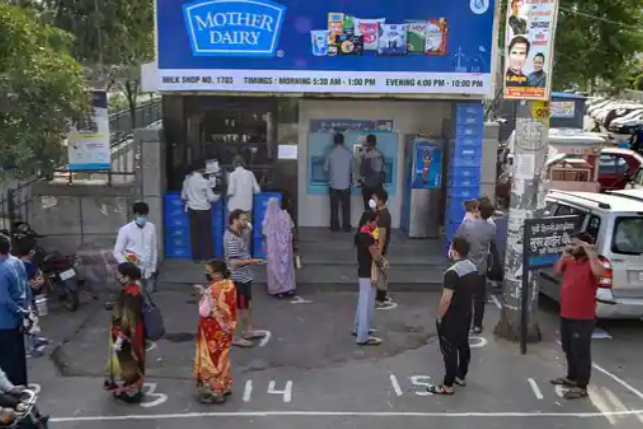
Mother Dairy has increased the prices of its liquid milk variants by Rs 2 to Rs 4 per litre, with the revised rates coming into effect from Thursday, November 12. The price revision will affect consumers in the Delhi-NCR market, where the dairy company is a major milk supplier.

The increase comes amid rising input costs, particularly higher procurement prices paid to farmers. According to sources, the company has decided to pass on part of the additional cost to consumers.

A spokesperson for Mother Dairy declined to comment on the latest price revision.

Check new Mother Dairy milk prices

The revised rates cover several liquid milk variants sold in the NCR market. Full cream milk has seen the highest increase of Rs 4 per litre.

Here are the revised prices:

Milk variantOld priceNew price
Toned milk (bulk vended)Rs 58Rs 60
Full cream milk (pouched)Rs 72Rs 76
Toned milk (pouched)Rs 60Rs 62
Double toned milkRs 54Rs 56
Cow milkRs 62Rs 65

The new prices will be applicable from November 12.

Why Mother Dairy has increased milk prices

The latest revision follows an increase in the procurement prices of milk from farmers. Sources said the higher procurement costs have prompted Mother Dairy to partly transfer the additional input expenses to consumers.

The company passes on around 75-80 per cent of its milk sales realisation to farmers.

Mother Dairy had last increased milk prices on May 14, 2026. Before that, its previous price revision took place in April 2025.

Mother Dairy’s daily milk sales

Mother Dairy sells approximately 35 lakh litres of milk every day in the Delhi-NCR market through its own outlets, general trade channels and e-commerce platforms.

Its overall daily milk sales exceed 50 lakh litres.

The company recorded a 17 per cent increase in turnover to Rs 20,300 crore in the last financial year. The growth was supported by improved demand for its milk products and cooking oils.

About Mother Dairy

Commissioned in 1974, Mother Dairy is a wholly owned subsidiary of the National Dairy Development Board (NDDB).

The company sells milk and milk products under the Mother Dairy brand. It markets edible oils under the Dhara brand, while fresh fruits and vegetables, frozen vegetables, snacks, pulps and concentrates are sold under the Safal brand.

Mother Dairy operates nine milk processing plants and four horticulture processing plants. Its edible oil operations are supported by 16 associated plants.

Continue Reading

Trending

© Copyright 2022 APNLIVE.com