
India News
Gujarat mill creates sarees with images of soldiers to pay tribute to the martyrs of Pulwama attack


[vc_row][vc_column][vc_column_text]Last week the deadly attack on 40 CRPF jawans in Jammu and Kashmir’s Pulwama gave a deep shock to everyone in India. People are still reeling from the terrorist attack in which an explosive-laden SUV rammed into one of the buses in the CRPF convoy at Awantipora town in the Pulwama district on February 14.
People from all over the country and even beyond the geographical boundaries are paying tribute to those brave martyrs of India.
Paying tribute to the martyrs of the Pulwama attack, a textile mill in Gujarat’s Surat manufactured a batch of sarees on which they printed images of CRPF jawans protecting our nation. The strength of our Army personnel and defence can be witnessed through these printed sarees.


Annapurna Industries Pvt Ltd, a textile mill in Surat, printed the sarees with images of the paramilitary troopers and said it will “donate the entire profit earned to the families of the martyred CRPF jawans as a mark of tribute to the CRPF jawans”.
Speaking about the unique tribute to the CRPF jawans, Manish, Director of the mill said, “We’ve portrayed strength of our defence in these sarees. We’ve shown jawans’ strength, new tanks, Tejas and others. The response has been good. We’re getting orders from across the country. We’ll donate the entire profit to families of the jawans.”
Gujarat: Annapurna Industries Pvt Ltd, a textile mill in Surat, has manufactured a batch of sarees as a tribute to CRPF jawans who lost their lives in #PulwamaAttack. Mills’ Director says, “We will donate the entire profit earned, to the families of the martyred jawans.” (21.02) pic.twitter.com/uXTJDPm7pA
— ANI (@ANI) February 21, 2019
Earlier, a man named Gopal Saharan from Sridungargar town in Rajasthan’s Bikaner tattooed the names of 71 martyred soldiers, including the names of 40 CRPF jawans killed in the Pulwama attack.
Olympic committee punishes India for declining Visas to Pak team after Pulwama attack
He said he tattooed the 71 names on his body to pay homage to the gallant Indian soldiers as they sacrificed their lives in the line of duty.[/vc_column_text][/vc_column][/vc_row]






India News
Delhi deploys 25,000 personnel, installs CCTV cameras ahead of CJP march
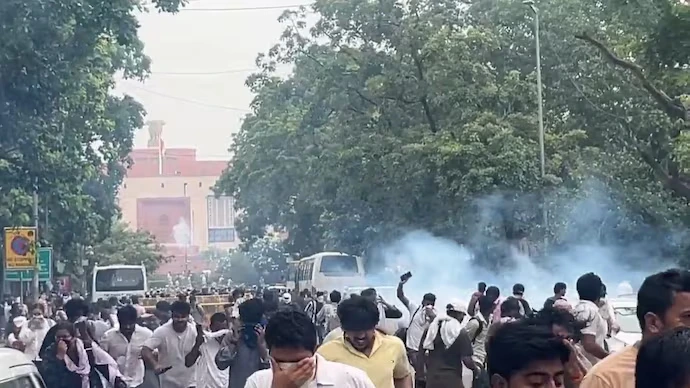
More than 25,000 police and paramilitary personnel have been deployed in Delhi ahead of the CJP’s planned protest march at Connaught Place. Authorities have also imposed restrictions and stepped up CCTV surveillance.

India News
Mallikarjun Kharge’s ‘Your Friends’ jab at Rahul Gandhi over congress exits
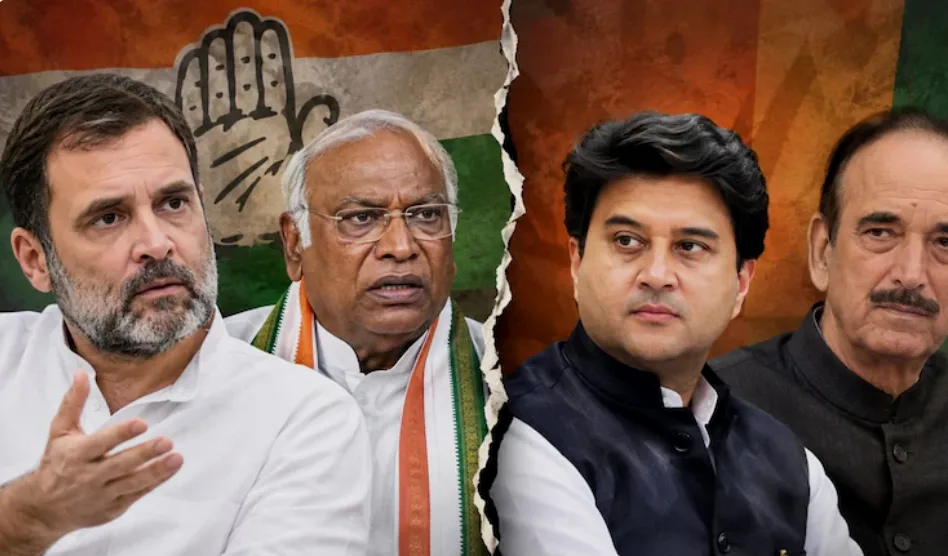
Congress president Mallikarjun Kharge took a dig at Rahul Gandhi after the Leader of the Opposition reportedly described former party leaders Jyotiraditya Scindia and Ghulam Nabi Azad as among those who had left the Congress.
India News
Delhi Police offers 11-person limit for CJP’s Connaught Place protest
Delhi Police has offered to facilitate a group of 11 people at Central Park in Connaught Place for the Cockroach Janata Party’s October 16 protest, while warning that violations of prohibitory orders could invite legal action.

India-US trade deal first phase finalised, drafting underway

Election Commission orders voter roll revision in 17 states, UTs

Actor Imran Khan asked to leave India after CJP protest

Delhi Police offers 11-person limit for CJP’s Connaught Place protest

Mallikarjun Kharge’s ‘Your Friends’ jab at Rahul Gandhi over congress exits

Magnitude 7 earthquake strikes Russia’s Kamchatka Peninsula

Delhi deploys 25,000 personnel, installs CCTV cameras ahead of CJP march
Mallikarjun Kharge’s ‘Your Friends’ jab at Rahul Gandhi over congress exits
Delhi Police offers 11-person limit for CJP’s Connaught Place protest
Actor Imran Khan asked to leave India after CJP protest

Afghan Men Try To Hang With The Jet Engine Of The Aircraft in Kabul- Afghanistan News – Kabul News
Trending Top 10 News: 10000 Crore Fine on Flipkart, Apple to Launch Unique Feature, Hdfc Bank Job Ad

Trending Top 10 News: Nokia 6310, Apple sales, Bachpan ka Pyar Video Kid, Dainik Bhaskar IT Raid

Trending Top 10 News: Canada bans Indian flights, Rain in Delhi NCR, AIMIM Twitter hacked, Raj Kundra case

Trending Top 10 News: Shein India, Apple New Service, Pocket Oxygen, Oppo Launched New Phone
-
 India News22 hours ago
India-US trade deal first phase finalised, drafting underway
-
 India News19 hours ago
Election Commission orders voter roll revision in 17 states, UTs
-
 India News19 hours ago
Actor Imran Khan asked to leave India after CJP protest
-
 India News18 hours ago
Delhi Police offers 11-person limit for CJP’s Connaught Place protest
-
 India News6 hours ago
Mallikarjun Kharge’s ‘Your Friends’ jab at Rahul Gandhi over congress exits
-
 India News6 hours ago
Delhi deploys 25,000 personnel, installs CCTV cameras ahead of CJP march
-
 Latest world news6 hours ago
Magnitude 7 earthquake strikes Russia’s Kamchatka Peninsula
