English हिन्दी
Connect with us

Latest world news

J&K a bilateral issue, between India and Pakistan: Modi to Trump

Published

on

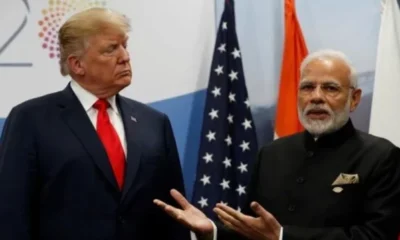
Prime Minister Narendra Modi today (Monday, Aug 26) told US President Donald Trump that Jammu and Kashmir and all matters between India and Pakistan are bilateral matters and there is no scope for third party mediation.

Trump has thrice in the space of a month said he would do his best to “mediate” on the Kashmir issue. However, the US has nuanced its position in the past week, calling the issue of Jammu and Kashmir an “internal matter” of India — something that New Delhi has always insisted on.

On his part, Trump said, “We spoke last night about Kashmir.” He was addressing the press conference along with PM Modi before their meeting on the sidelines of the G-7 Summit in the French town of Biarritz.

This was their first meeting after the government scrapped special status of Jammu and Kashmir under Article 370 leading to tensions with Pakistan.

“India and Pakistan were together before 1947 and I am confident that we can discuss our problems and solve them together. India and Pakistan should work together for the welfare of people of our two nations,” PM Modi told reporters.

“There are many bilateral issues between India and Pakistan, and we don’t want to trouble any third country. We can discuss and resolve these issues bilaterally,” PM Modi said.

“India and Pakistan should work together for welfare of people of our two nations,” he added, underscoring the many challenges before the two nations that are high as well on the priority list – “illiteracy and poverty and disease”.

Trump said PM Modi had assured him that the Kashmir situation as under control. “US very good friends with both India and Pakistan. Think India and Pakistan can discuss among themselves and sort it out mutually,” Trump said.

Also Read: Bihar’s IITian joined Railway department as Trackman in Dhanbad

Taking a different tone from his previous offers to serve as a mediator, Trump said, “They speak with Pakistan and I am sure that they will be able to do something that will be very good.”

The situation in Jammu and Kashmir and trade were high on the agenda during the bilateral summit of the two leaders. President Trump has spoken of Kashmir, describing the issue as “explosive” and offering to mediate between India and Pakistan if asked.

Washington has traditionally maintained that Jammu and Kashmir is a bilateral matter between India and Pakistan. But in July, after a meeting with Pakistan Prime Minister Imran Khan, he had even controversially claimed that PM Modi had asked him to mediate on Kashmir. India immediately rejected that claim and the mediation offer, emphasising that there can’t be any third party intervention on Kashmir.

Earlier this month, President Trump referred to the matter again, saying he would certainly intervene “if they (India and Pakistan) want me to”.

Recently, in a telephonic conversation with Pakistan Prime Minister Imran Khan, Trump asked him to tone down the rhetoric against India and avoid escalating tensions over the situation in Jammu and Kashmir.

Latest world news

Trump waives Russia-related sanctions, tariffs in relief for India

Donald Trump has waived several Russia-related sanctions, restrictions and duties under a new US law, potentially easing tariff pressure on India and China, two major buyers of Russian energy.

Published

on

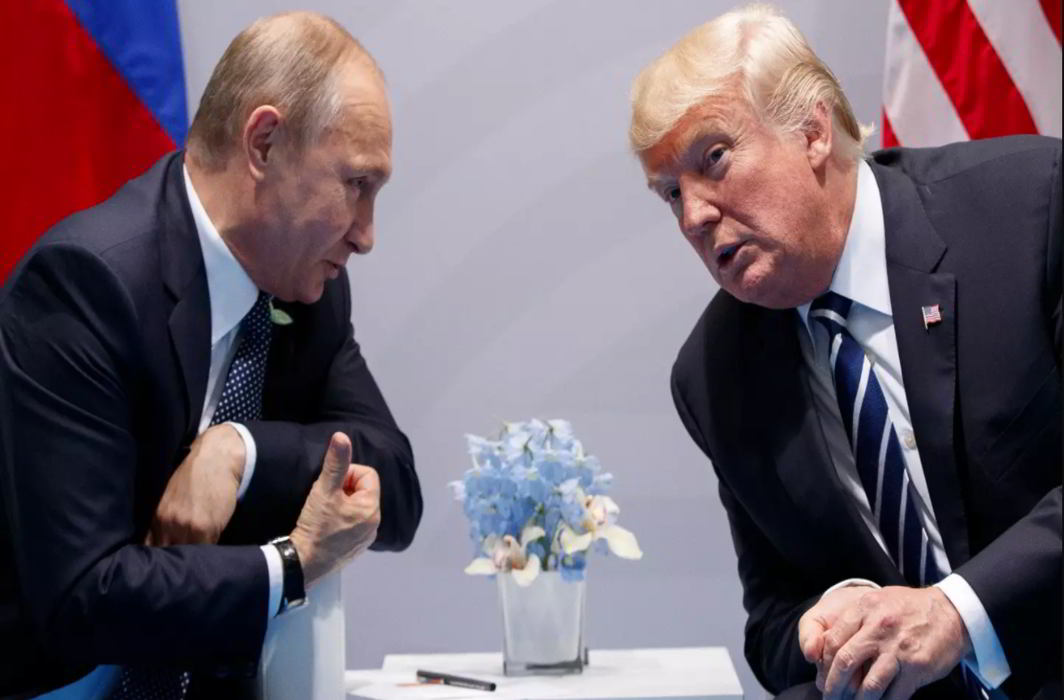
Vladimir Putin and Donald Trump

US President Donald Trump has waived many Russia-related sanctions, restrictions and duties, offering relief to India and China amid the threat of additional tariffs over their purchases of Russian oil and gas.

The waiver came one day before the measures were due to take effect under a bill signed into law by Trump last month. The legislation sought to increase pressure on Russia by enabling additional tariffs on countries buying its oil and gas.

Trump issued an executive order waiving many Russia-related measures, easing the immediate threat of additional tariffs for major buyers of Russian oil and gas, including India and China.

What Trump’s waiver means for India and China

India and China have been among the largest buyers of Russian energy, putting them at risk under the new US legislation.

The law authorised the US president to impose tariffs of up to 100% on goods from major importers of Russian oil and gas. Such penalties were intended to pressure countries to reduce their purchases of Russian energy and limit Moscow’s revenue during the Ukraine war.

The waiver eases the immediate threat posed by those provisions. However, it should not be interpreted as a permanent removal of every possible Russia-related sanction or tariff. The scope of the decision is defined by the measures covered under the executive order.

What is the Lindsey Graham Act?

The Lindsey O. Graham Sanctioning Russia and Iran Act of 2026 was enacted to expand Washington’s ability to penalise Russia and countries supporting its energy trade.

The legislation allows the US president to impose tariffs of up to 100% on goods imported from countries covered by its provisions on Russian oil and gas purchases.  It also provides for sanctions targeting Russian officials, financial institutions and energy interests, alongside measures against entities involved in helping Russia evade existing restrictions.

The legislation is named after the late US Senator Lindsey Graham, who was a prominent advocate of stronger economic pressure on Russia over its invasion of Ukraine.

Importantly, the law gave Trump discretion over the use of its tariff provisions rather than automatically imposing the maximum tariff on every country buying Russian energy. It also included a mechanism allowing the president to waive measures when he certifies that doing so serves US national interests.

Why the decision matters amid the Ukraine war

The US legislation was intended to increase pressure on Russia by targeting both its energy revenues and countries that continued to purchase its oil and gas.

For India, the potential tariffs had added another point of friction in its trade relationship with Washington. New Delhi has maintained that its energy purchasing decisions are guided by national interests and energy security.

China, another major importer of Russian energy, had also faced the prospect of additional trade penalties under the law.

Trump’s decision to waive several measures reduces the immediate tariff threat for affected countries. However, the move does not itself resolve the wider dispute over Russian energy purchases or the continuing war in Ukraine. The administration’s future decisions will determine how the relevant provisions are applied.

Continue Reading

Latest world news

Magnitude 7 earthquake strikes Russia’s Kamchatka Peninsula

A magnitude 7 earthquake struck Russia’s Kamchatka Peninsula region on Friday. The initial report placed the earthquake at a depth of 140 kilometres.
Published

on

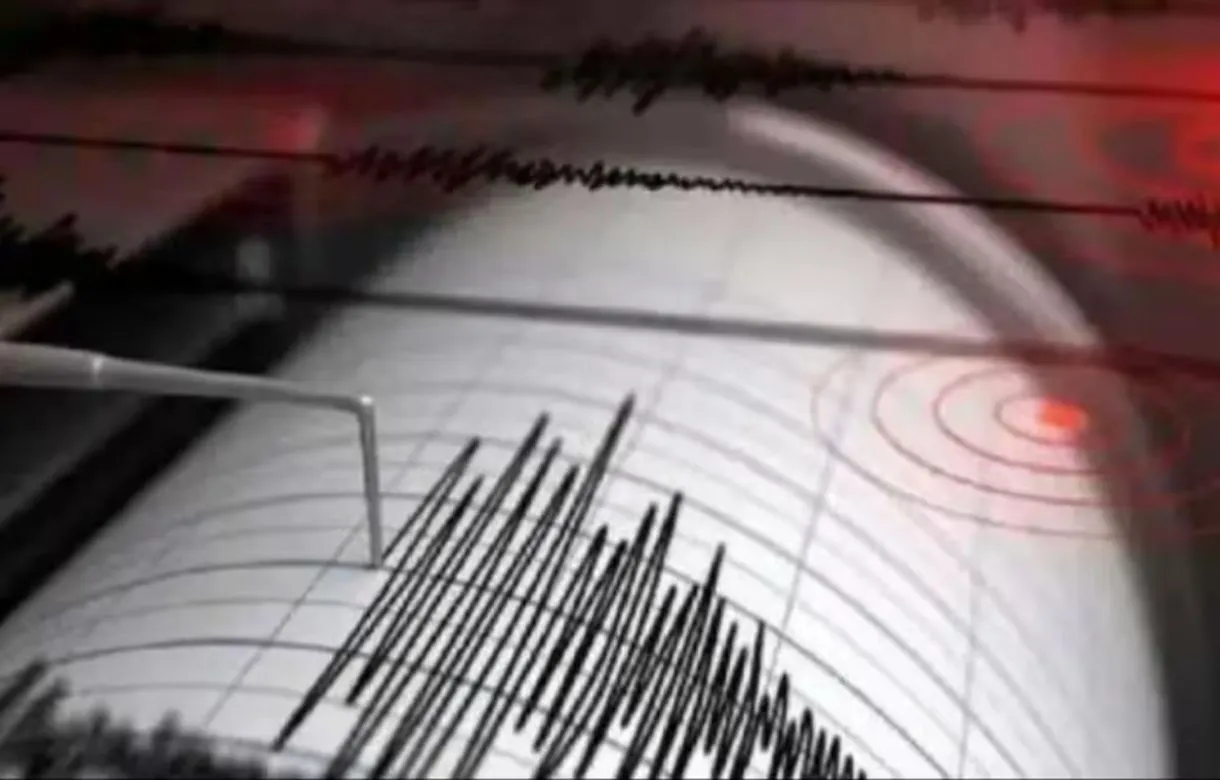
earthquake-tremors

A magnitude 7 earthquake struck Russia’s Kamchatka Peninsula region on Friday, October 16, according to the European-Mediterranean Seismological Centre (EMSC).

The initial report placed the earthquake at a depth of 140 kilometres (approximately 87 miles). Details about the impact of the earthquake, including any damage or casualties, were not immediately available in the initial report.

Earthquake strikes seismically active Kamchatka region

Russia’s Kamchatka Peninsula is a seismically active region where earthquakes occur because of tectonic activity.

The latest earthquake was reported by the EMSC, which provided the initial magnitude and depth estimates. Further information about the situation on the ground was not available in the initial report.

What is known so far

  • Location: Kamchatka Peninsula region, Russia
  • Magnitude: 7.0
  • Date: Friday, October 16, 2026
  • Reported depth: 140 kilometres
  • Casualties and damage: Not provided in the initial report

Continue Reading

Latest world news

S Jaishankar says India is a natural option for Russia amid Europe tensions

External Affairs Minister S Jaishankar said India remained a natural option for Russia as Moscow increasingly turned towards Asia amid strained relations with Europe. He highlighted the continuity of India-Russia ties and their significance for the balance of power in Asia.

Published

on

External Affairs Minister S Jaishankar has described India as a natural option for Russia as Moscow increasingly looks towards Asia amid deteriorating relations with Europe. He said India’s longstanding relationship with Russia had remained steady despite significant changes in the international strategic landscape.

Jaishankar made the remarks during a conversation with John Micklethwait, editor-in-chief of the Bloomberg New Economy Forum. He discussed how the Russia-Ukraine war had affected Moscow’s relationship with Europe and contributed to Russia’s growing focus on Asia.

Jaishankar highlights Russia’s shift towards Asia

Jaishankar said Russia’s relationship with Europe had become deeply strained following the Ukraine war. He noted that Russia had historically viewed itself as a European country and placed considerable importance on its relations with Europe and the United States.

However, the conflict had pushed Moscow to look increasingly towards Asia,with much of that shift directed towards China.

The minister said it was in India’s interest, as well as the wider world’s interest, for Russia to maintain multiple relationships in Asia rather than having its options concentrated in one direction.

Against this backdrop, he described India as a natural partner for Russia, pointing to the longstanding nature of the relationship between the two countries.

India-Russia ties remain steady despite global changes

Jaishankar said India and Russia had maintained a consistent relationship over several decades. He emphasised that New Delhi continued to engage with Moscow even as the global order and Russia’s strategic calculations evolved.

According to the minister, India was reassuring Russia that the relationship built over nearly eight decades remained steady despite the changes in Moscow’s relations with Europe and the wider West.

He stressed that India was not passing a value judgment on those changes but was continuing its bilateral engagement with Russia.

Jaishankar said the relationship had benefited both countries and contributed to the balance of power and the broader status quo in Asia. 

Why the relationship matters for Asia

Jaishankar’s remarks highlighted India’s position in Russia’s changing regional outlook. As Moscow increasingly turns towards Asia, India continues to maintain its longstanding ties with Russia while navigating a changing international environment.

The minister’s comments underscored the importance he placed on preserving India-Russia ties and ensuring that Russia maintained multiple relationships in Asia. 

His assessment came against the backdrop of strained Russia-Europe relations following the war in Ukraine, which has reshaped Moscow’s engagement with Western countries and increased its focus on Asian partners.

Continue Reading

Trending

© Copyright 2022 APNLIVE.com