
India News
CHINA-INDIA SHOULD JOINTLY SAFEGUARD BORDER SANCTITY:CHINA
Responding to a query about China’s diplomatic priorities as the Covid-19 pandemic impacts the world and international diplomacy, foreign ministry spokesperson Zhao Lijian briefly outlined Beijing’s plans for way ahead in bilateral ties with the US, Russia, EU, Japan, and India.


Responding to a query about China’s diplomatic priorities as the Covid-19 pandemic impacts the world and international diplomacy, foreign ministry spokesperson Zhao Lijian briefly outlined Beijing’s plans for way ahead in bilateral ties with the US, Russia, EU, Japan, and India. Zhao said, for the China-India relationship, the two sides should jointly safeguard peace and security in the border areas and maintain a steady and sound development of bilateral ties. We will continue to deepen strategic mutual trust and expand shared interests with our neighbours and other developing countries”, he said in a statement published on the Chinese foreign ministry’s website on Monday night.
Zhao was responding to a question from the official Xinhua news agency on China’s current diplomatic work and its diplomatic priorities looking ahead. The Chinese official did not make any reference to the ongoing tension between India and China along the line of actual control (LAC) in eastern Ladakh.
The two countries have held several rounds of diplomatic and military talks to de-escalate, but the process is yet to be completed.
On July 30, India had rejected China’s contention that disengagement has been completed at most locations along their disputed border, and called on Beijing to work sincerely for complete de-escalation and full restoration of peace along the LAC.

External affairs ministry spokesperson Anurag Srivastava had acknowledged there has been “some progress” towards disengagement and de-escalation along the LAC though the process is far from complete.
Meanwhile, the top Indian military brass has informed a Parliamentary panel that it was ready for a long haul on the Line of Actual Control with China and is prepared for deployment in the harsh winters in the Eastern Ladakh sector.
While briefing a Parliamentary panel, the Indian military brass led by Chief of Defence Staff (CDS) General Bipin Rawat informed that de-escalation between the two sides may take a longer time but the Indian side was ready for any eventuality and have made arrangements for it in the Ladakh sector, sources said.
The CDS and top military officers were briefing the panel about Chinese aggression along the LAC. The Chinese had been building up along the border with India in the garb of an exercise and transgressed into India after swiftly moving troops from there in Xinjiang to the Indian front quickly.
Read Also: SHAH FAISAL TO RE-JOIN SERVICE
The Chinese have brought in more than 40,000 troops and have been maintaining that strength since April-May timeframe.
The Indian Army has moved in around two additional divisions in the Ladakh sector where already two formations are deployed for guarding against both Pakistan and China.









India News
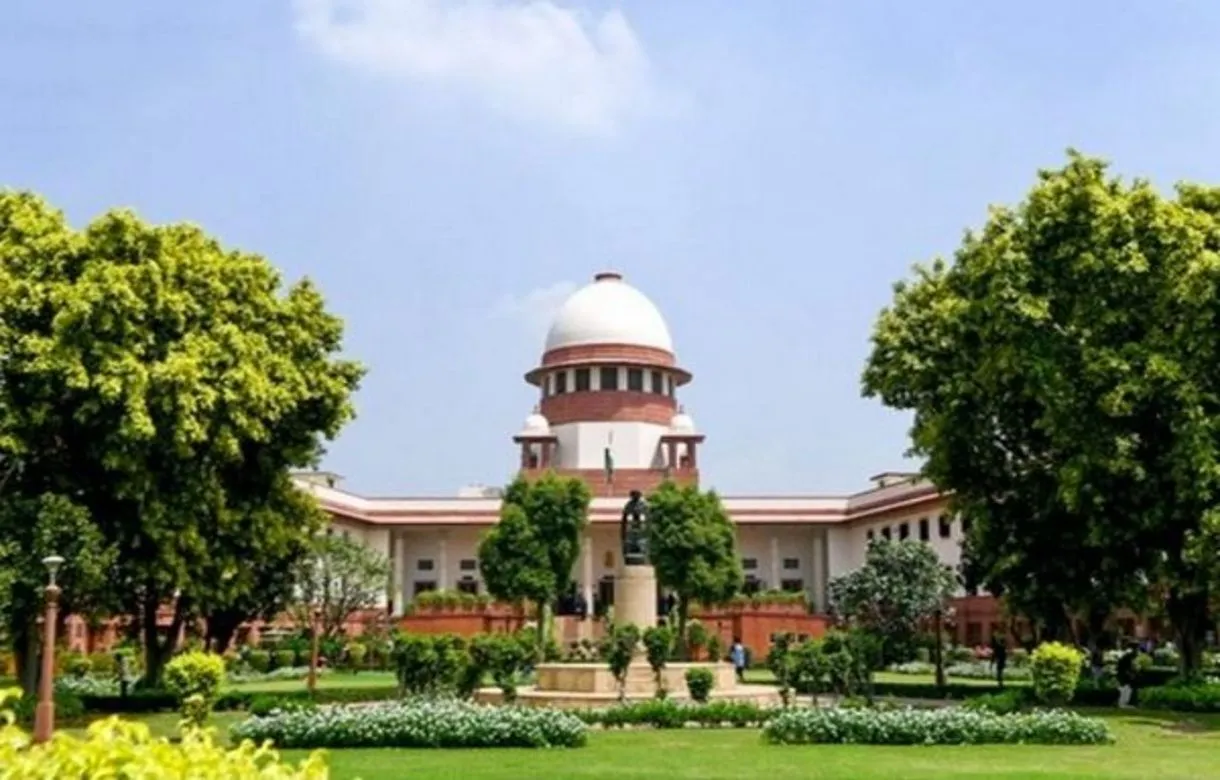
Supreme Court questions EC over missing records in Sringeri election dispute
The Supreme Court questioned the Election Commission over missing video footage of the 2023 counting in Karnataka’s Sringeri constituency. The case involves a revised result following a recount of postal ballots.

India News
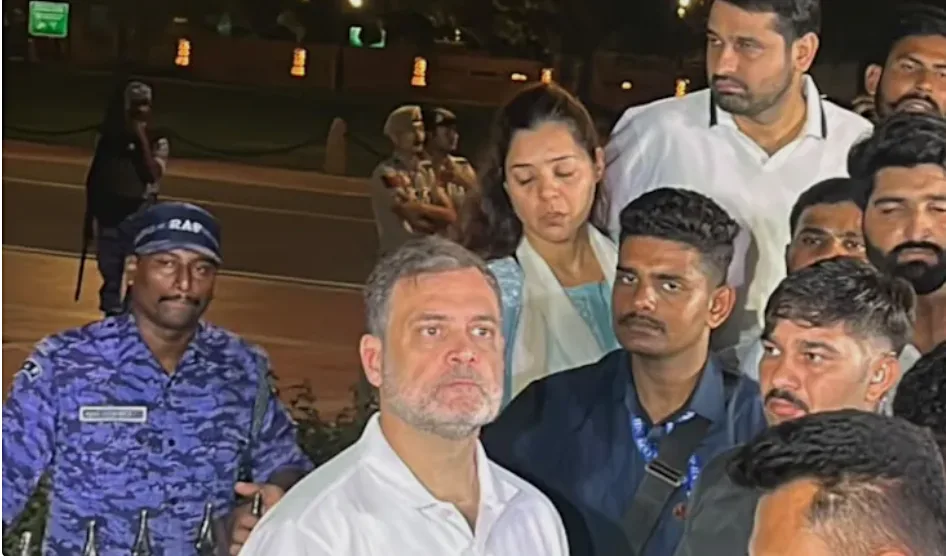
Rahul Gandhi joins India Gate protest by Ankita Bhandari’s parents
Rahul Gandhi joined the protest by Ankita Bhandari’s parents at India Gate in New Delhi on October 14. The demonstration has brought renewed attention to the 2022 murder case and the family’s concerns following Dushyant Gautam’s appointment as Sikkim Governor.
India News
Meerut murder: Muskaan Rastogi and Sahil Shukla get death sentence
A Meerut court has sentenced Muskaan Rastogi and Sahil Shukla to death in the blue drum murder case involving the killing of merchant navy officer Saurabh Rajput in March 2025.

CJP leaders Saurav Das, Ashutosh Ranka, Ajinkya Shinde sent to 5-day judicial custody

PM Modi speaks to Mark Carney as India and Canada push to strengthen ties

S Jaishankar says India is a natural option for Russia amid Europe tensions

Meerut murder: Muskaan Rastogi and Sahil Shukla get death sentence

Rahul Gandhi joins India Gate protest by Ankita Bhandari’s parents

Supreme Court questions EC over missing records in Sringeri election dispute
Rahul Gandhi joins India Gate protest by Ankita Bhandari’s parents
Meerut murder: Muskaan Rastogi and Sahil Shukla get death sentence
PM Modi speaks to Mark Carney as India and Canada push to strengthen ties
S Jaishankar says India is a natural option for Russia amid Europe tensions

Afghan Men Try To Hang With The Jet Engine Of The Aircraft in Kabul- Afghanistan News – Kabul News
Trending Top 10 News: 10000 Crore Fine on Flipkart, Apple to Launch Unique Feature, Hdfc Bank Job Ad

Trending Top 10 News: Nokia 6310, Apple sales, Bachpan ka Pyar Video Kid, Dainik Bhaskar IT Raid

Trending Top 10 News: Canada bans Indian flights, Rain in Delhi NCR, AIMIM Twitter hacked, Raj Kundra case

Trending Top 10 News: Shein India, Apple New Service, Pocket Oxygen, Oppo Launched New Phone
-
 India News19 hours ago
CJP leaders Saurav Das, Ashutosh Ranka, Ajinkya Shinde sent to 5-day judicial custody
-
 India News19 hours ago
PM Modi speaks to Mark Carney as India and Canada push to strengthen ties
-
 Latest world news19 hours ago
S Jaishankar says India is a natural option for Russia amid Europe tensions
-
 India News8 hours ago
Meerut murder: Muskaan Rastogi and Sahil Shukla get death sentence
-
 India News8 hours ago
Rahul Gandhi joins India Gate protest by Ankita Bhandari’s parents
-
 India News7 hours ago
Supreme Court questions EC over missing records in Sringeri election dispute
