
India News
CORONA TALLY CROSSES 29 LAKH
The third worst-hit country in the world by the pandemic, India has been reporting the highest number of daily Covid cases for the last 17 days, according to the data by the World Health Organization.


The third worst-hit country in the world by the pandemic, India has been reporting the highest number of daily Covid cases for the last 17 days, according to the data by the World Health Organization. India has logged the highest number of Covid patients in the world after the United States, the epicentre of the pandemic with 55.73 lakh cases and Brazil, which has recorded 35.01 lakh cases, about six lakh more than India.
Over 61 per cent of new cases and 75 per cent of total deaths in the last 24 hours have been recorded from five states, Maharashtra, Andhra Pradesh, Karnataka, Tamil Nadu and Uttar Pradesh.
Today’s spike comes after India reported the biggest single-day jump of over 69,000 cases on Thursday morning. The country has taken about eight months to cross 29 lakh cases; the first coronavirus patient was registered from Kerala on January 30.
Maharashta, the country’s worst-affected state by the outbreak, recorded its biggest single day jump of over 14,000 cases on Thursday, which took its tally to 6,43,289.

India has tested over 3.3 crore samples so far; 8.05 lakh samples were tested since yesterday. The positivity rate, which is an indicator of the prevalence of the disease, stood at 8.54 per cent this morning.
Meanwhile in Punjab, a daily night curfew, from 7 PM to 5 AM, and a weekend lockdown in all 167 cities and towns in the state has been declared, starting Friday, as part of a strict response to the worrying surge in Covid cases.
Read Also: INDIAN VACCINE TO BE EXPEDITED?
Twenty nine per cent of Delhi’s population has been exposed to coronavirus, according to the latest sero survey in national capital Delhi. The coronavirus pandemic may have driven as many as 100 million people back into extreme poverty, World Bank President David Malpass has warned. Worldwide, over 2.26 crore people have been affected by the pandemic so far while more than 7.93 lakh have died.










India News
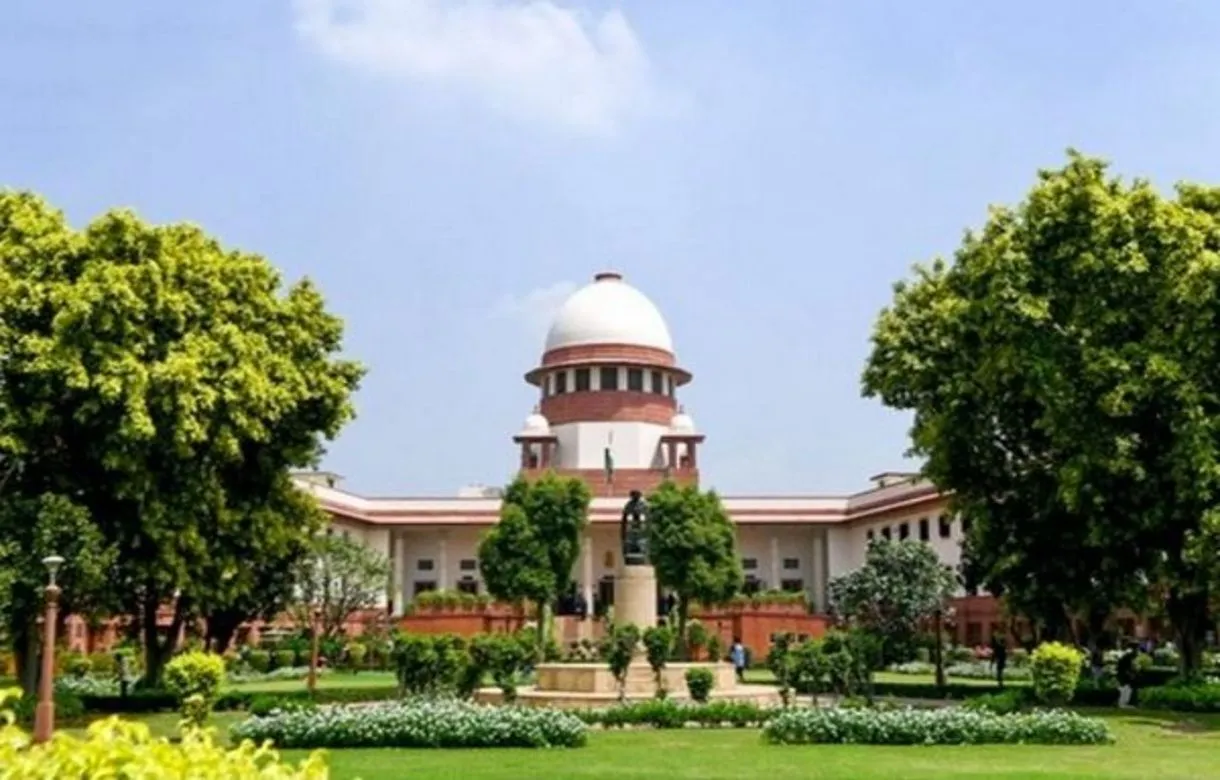
Supreme Court questions EC over missing records in Sringeri election dispute
The Supreme Court questioned the Election Commission over missing video footage of the 2023 counting in Karnataka’s Sringeri constituency. The case involves a revised result following a recount of postal ballots.

India News
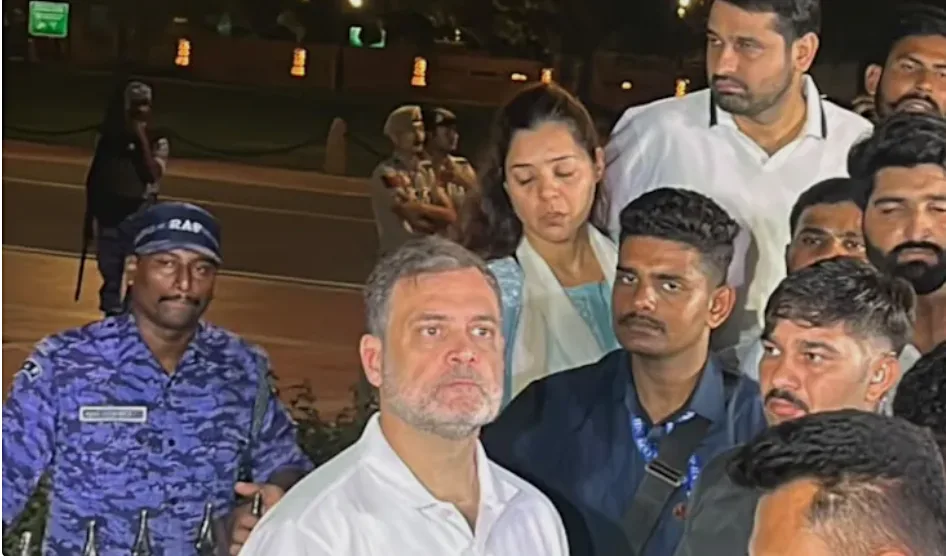
Rahul Gandhi joins India Gate protest by Ankita Bhandari’s parents
Rahul Gandhi joined the protest by Ankita Bhandari’s parents at India Gate in New Delhi on October 14. The demonstration has brought renewed attention to the 2022 murder case and the family’s concerns following Dushyant Gautam’s appointment as Sikkim Governor.
India News
Meerut murder: Muskaan Rastogi and Sahil Shukla get death sentence
A Meerut court has sentenced Muskaan Rastogi and Sahil Shukla to death in the blue drum murder case involving the killing of merchant navy officer Saurabh Rajput in March 2025.

CJP leaders Saurav Das, Ashutosh Ranka, Ajinkya Shinde sent to 5-day judicial custody

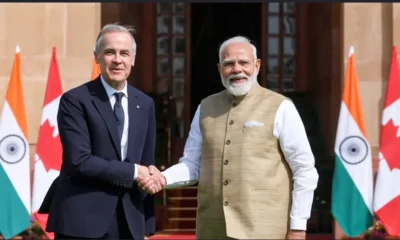
PM Modi speaks to Mark Carney as India and Canada push to strengthen ties

S Jaishankar says India is a natural option for Russia amid Europe tensions

Meerut murder: Muskaan Rastogi and Sahil Shukla get death sentence

Rahul Gandhi joins India Gate protest by Ankita Bhandari’s parents

Supreme Court questions EC over missing records in Sringeri election dispute
Rahul Gandhi joins India Gate protest by Ankita Bhandari’s parents
Meerut murder: Muskaan Rastogi and Sahil Shukla get death sentence
PM Modi speaks to Mark Carney as India and Canada push to strengthen ties
S Jaishankar says India is a natural option for Russia amid Europe tensions

Afghan Men Try To Hang With The Jet Engine Of The Aircraft in Kabul- Afghanistan News – Kabul News
Trending Top 10 News: 10000 Crore Fine on Flipkart, Apple to Launch Unique Feature, Hdfc Bank Job Ad

Trending Top 10 News: Nokia 6310, Apple sales, Bachpan ka Pyar Video Kid, Dainik Bhaskar IT Raid

Trending Top 10 News: Canada bans Indian flights, Rain in Delhi NCR, AIMIM Twitter hacked, Raj Kundra case

Trending Top 10 News: Shein India, Apple New Service, Pocket Oxygen, Oppo Launched New Phone
-
 India News19 hours ago
CJP leaders Saurav Das, Ashutosh Ranka, Ajinkya Shinde sent to 5-day judicial custody
-
 India News18 hours ago
PM Modi speaks to Mark Carney as India and Canada push to strengthen ties
-
 Latest world news19 hours ago
S Jaishankar says India is a natural option for Russia amid Europe tensions
-
 India News8 hours ago
Meerut murder: Muskaan Rastogi and Sahil Shukla get death sentence
-
 India News7 hours ago
Rahul Gandhi joins India Gate protest by Ankita Bhandari’s parents
-
 India News7 hours ago
Supreme Court questions EC over missing records in Sringeri election dispute
