
India News
UNEMPLOYMENT ALLOWANCE FOR PEOPLE WHO LOST THIER JOBS
All employees who are members of the Employees State Insurance Corporation and lost their jobs due to the coronavirus pandemic. will be eligible to claim the unemployment allowance for three months, that is 90 days, during the period from start of lockdown on March 24 to December 31.


All employees who are members of the Employees State Insurance Corporation and lost their jobs due to the coronavirus pandemic. will be eligible to claim the unemployment allowance for three months, that is 90 days, during the period from start of lockdown on March 24 to December 31. They should also have been part of the ESI scheme for two years during the period from April 1, 2018, to March 31, 2020, and should have contributed at least for 78 days during the period from October 1, 2019, to March 31, 2020 and also in one of the other three six monthly contribution periods from April 1, 2018.
The move will benefit around 30-35 lakh workers and provide relief to those who have lost jobs. The liberalised scheme has been introduced by modifying the Atal Bimit Vyakti Kalyan Yojana scheme. The ESIC scheme covers workers earning up to a specified limit and also entitles them to unemployment allowance.

Under the scheme, relief to the extent of 25 per cent of the average per day earning during the previous four contribution period is paid up to a maximum 90 days of unemployment once in a lifetime subject to certain conditions. This has now been raised to 50%.
The conditions stipulate that the insured person should have been rendered unemployed during the period relief is claimed. He or she should have been in insurable employment for a minimum period of two years immediately before his/her unemployment.
It also says that the insured person should have contributed for at least 78 days during each of preceding four contribution periods.
Instead of the relief becoming payable 90 days after unemployment, it shall become due for payment after 30 days.
Read Also: Madhya Pradesh CM HAPPY OVER INDORE’S PERFORMANCE
Sources said the earlier condition was the claim had to be submitted through the employers but now conditions have been eased to allow workers to approach the ESIC office to get the claim. Instead of the relief becoming payable 90 days after unemployment, it shall become due for payment after 30 days.







India News
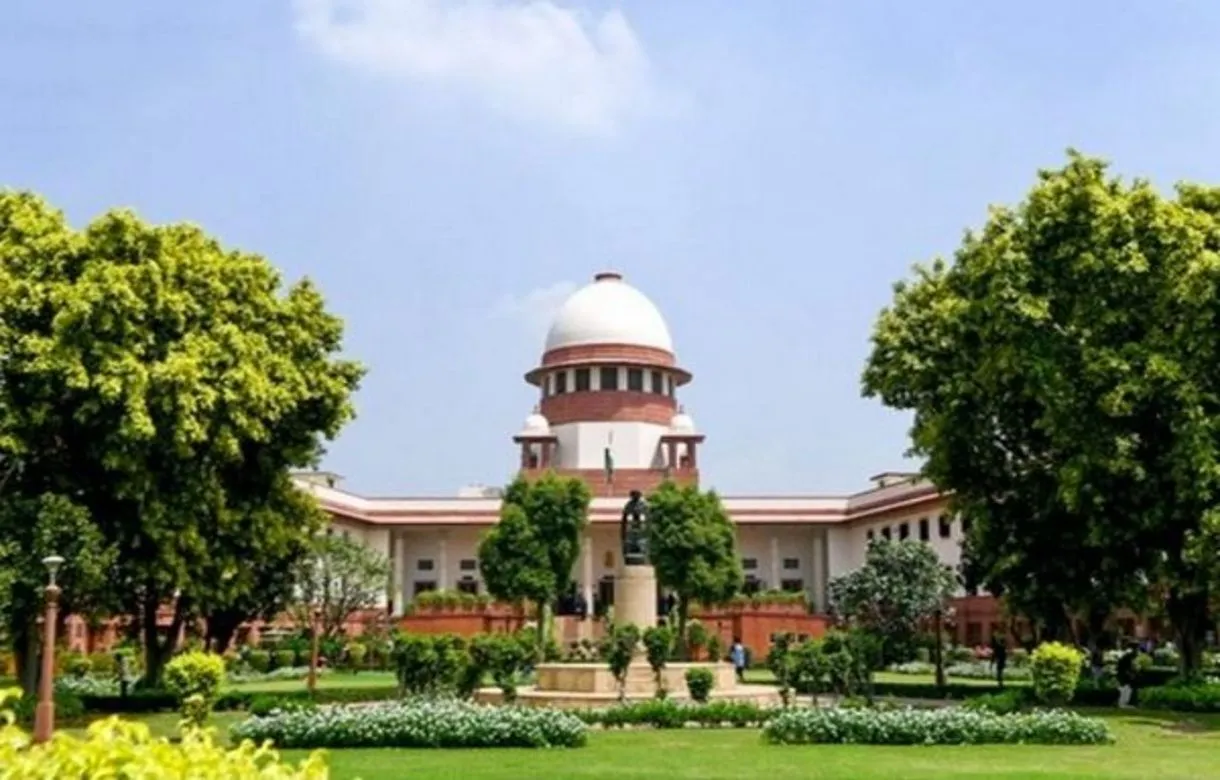
Supreme Court questions EC over missing records in Sringeri election dispute
The Supreme Court questioned the Election Commission over missing video footage of the 2023 counting in Karnataka’s Sringeri constituency. The case involves a revised result following a recount of postal ballots.

India News
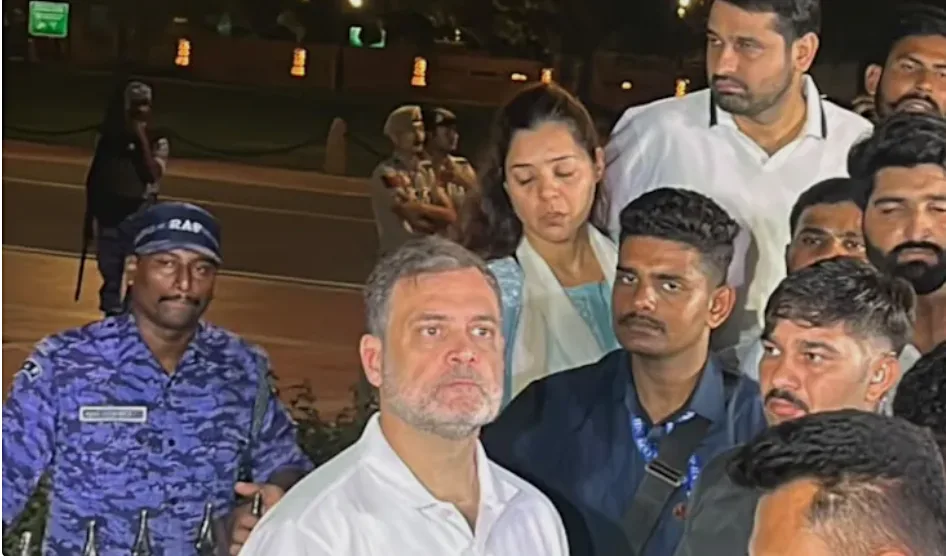
Rahul Gandhi joins India Gate protest by Ankita Bhandari’s parents
Rahul Gandhi joined the protest by Ankita Bhandari’s parents at India Gate in New Delhi on October 14. The demonstration has brought renewed attention to the 2022 murder case and the family’s concerns following Dushyant Gautam’s appointment as Sikkim Governor.
India News
Meerut murder: Muskaan Rastogi and Sahil Shukla get death sentence
A Meerut court has sentenced Muskaan Rastogi and Sahil Shukla to death in the blue drum murder case involving the killing of merchant navy officer Saurabh Rajput in March 2025.

S Jaishankar says India is a natural option for Russia amid Europe tensions

PM Modi speaks to Mark Carney as India and Canada push to strengthen ties

Rahul Gandhi joins India Gate protest by Ankita Bhandari’s parents

Meerut murder: Muskaan Rastogi and Sahil Shukla get death sentence

Supreme Court questions EC over missing records in Sringeri election dispute
Supreme Court questions EC over missing records in Sringeri election dispute
Rahul Gandhi joins India Gate protest by Ankita Bhandari’s parents
Meerut murder: Muskaan Rastogi and Sahil Shukla get death sentence
PM Modi speaks to Mark Carney as India and Canada push to strengthen ties
S Jaishankar says India is a natural option for Russia amid Europe tensions

Afghan Men Try To Hang With The Jet Engine Of The Aircraft in Kabul- Afghanistan News – Kabul News
Trending Top 10 News: 10000 Crore Fine on Flipkart, Apple to Launch Unique Feature, Hdfc Bank Job Ad

Trending Top 10 News: Nokia 6310, Apple sales, Bachpan ka Pyar Video Kid, Dainik Bhaskar IT Raid

Trending Top 10 News: Canada bans Indian flights, Rain in Delhi NCR, AIMIM Twitter hacked, Raj Kundra case

Trending Top 10 News: Shein India, Apple New Service, Pocket Oxygen, Oppo Launched New Phone
-
 Latest world news24 hours ago
S Jaishankar says India is a natural option for Russia amid Europe tensions
-
 India News24 hours ago
PM Modi speaks to Mark Carney as India and Canada push to strengthen ties
-
 India News12 hours ago
Rahul Gandhi joins India Gate protest by Ankita Bhandari’s parents
-
 India News13 hours ago
Meerut murder: Muskaan Rastogi and Sahil Shukla get death sentence
-
 India News12 hours ago
Supreme Court questions EC over missing records in Sringeri election dispute
