
India News
Rhea Chakraborty denied bail again, to stay in Byculla jail
The bail pleas were filed by Chakraborty and her brother Showik in a special court in Mumbai. Currently, she is in judicial custody in Mumbai’s Byculla jail till September 22.


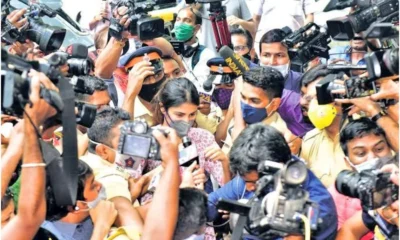
Actor Rhea Chakraborty, who was arrested as part of the investigation into drug charges linked to Sushant Singh Rajput death case, was denied bail by a Mumbai court on Friday. The bail pleas were filed by Chakraborty and her brother Showik in a special court in Mumbai. Currently, she is in judicial custody in Mumbai’s Byculla jail till September 22.
The Narcotics Control Bureau (NCB) strongly opposed Chakraborty’s plea and referred to her allegedly procuring drugs for Sushant Rajput through Showik and the late Rajput’s two staffers as a drug procurement nexus. The NCB also referred to a statement, which it said was given voluntarily by Chakraborty and legally admissible in court.

The NCB opposed Chakraborty’s bail plea stating that she may tamper with witnesses if she is released. The NCB stated that she had used her credit card and payment getaways to pay for drugs. This was revealed through call data records, WhatsApp chats and voluntary statements of co-accused, the NCB said.
In her second plea for bail, Chakraborty had said she was coerced into making self-incriminatory confessions and retracted her confession on the basis of which she was arrested. She stated that she was innocent and has not committed any crime whatsoever and had been falsely implicated. Chakraborty had told the NCB over 3 days of questioning that Showik was introduced to drug peddlers during the lockdown as Sushant could not get drugs from other sources, reports said. She said it was only then that Showik came into the picture.
Read Also: Police complaint against Kangana Ranaut for using foul language against Uddhav Thackeray
Reports quoted an unnamed NCB official, saying that apart from supplying drugs to Sushant, they had so far not found evidence of Chakraborty, Showik and the house staffers supplying drugs to anyone else. The official said Rajput took drugs and used to get it from Chakraborty or her brother or through his household help, all of whom knew that buying drugs, even if for the use of another person, constituted a crime under the law.









India News
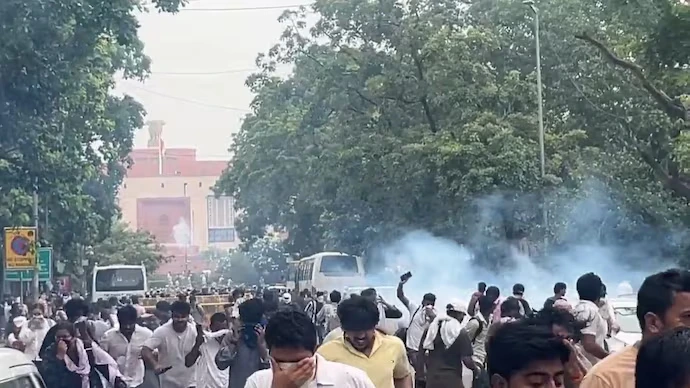
Delhi deploys 25,000 personnel, installs CCTV cameras ahead of CJP march
More than 25,000 police and paramilitary personnel have been deployed in Delhi ahead of the CJP’s planned protest march at Connaught Place. Authorities have also imposed restrictions and stepped up CCTV surveillance.

India News
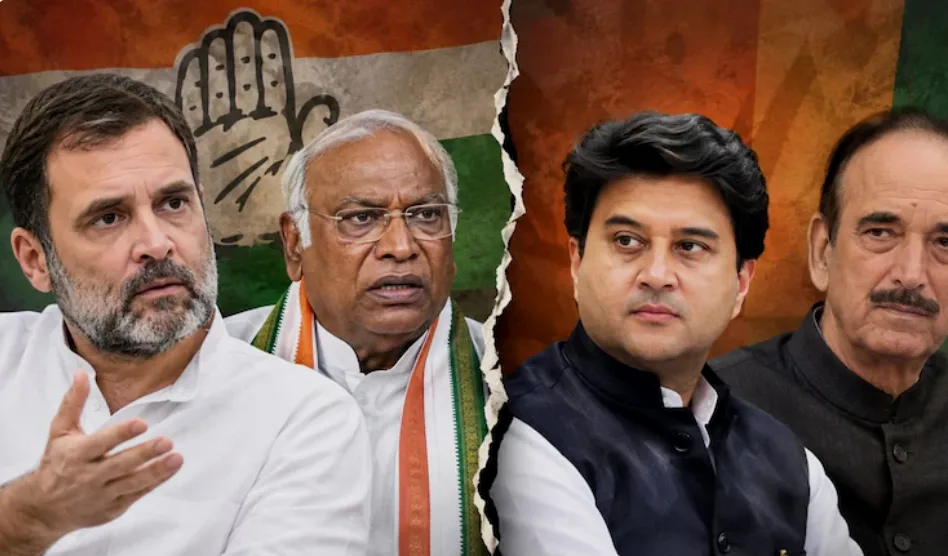
Mallikarjun Kharge’s ‘Your Friends’ jab at Rahul Gandhi over congress exits
Congress president Mallikarjun Kharge took a dig at Rahul Gandhi after the Leader of the Opposition reportedly described former party leaders Jyotiraditya Scindia and Ghulam Nabi Azad as among those who had left the Congress.
India News
Delhi Police offers 11-person limit for CJP’s Connaught Place protest
Delhi Police has offered to facilitate a group of 11 people at Central Park in Connaught Place for the Cockroach Janata Party’s October 16 protest, while warning that violations of prohibitory orders could invite legal action.


India-US trade deal first phase finalised, drafting underway

Election Commission orders voter roll revision in 17 states, UTs

Delhi Police offers 11-person limit for CJP’s Connaught Place protest

Actor Imran Khan asked to leave India after CJP protest

Mallikarjun Kharge’s ‘Your Friends’ jab at Rahul Gandhi over congress exits

Magnitude 7 earthquake strikes Russia’s Kamchatka Peninsula

Delhi deploys 25,000 personnel, installs CCTV cameras ahead of CJP march
Mallikarjun Kharge’s ‘Your Friends’ jab at Rahul Gandhi over congress exits
Delhi Police offers 11-person limit for CJP’s Connaught Place protest
Actor Imran Khan asked to leave India after CJP protest

Afghan Men Try To Hang With The Jet Engine Of The Aircraft in Kabul- Afghanistan News – Kabul News
Trending Top 10 News: 10000 Crore Fine on Flipkart, Apple to Launch Unique Feature, Hdfc Bank Job Ad

Trending Top 10 News: Nokia 6310, Apple sales, Bachpan ka Pyar Video Kid, Dainik Bhaskar IT Raid

Trending Top 10 News: Canada bans Indian flights, Rain in Delhi NCR, AIMIM Twitter hacked, Raj Kundra case

Trending Top 10 News: Shein India, Apple New Service, Pocket Oxygen, Oppo Launched New Phone
-
 India News23 hours ago
India-US trade deal first phase finalised, drafting underway
-
 India News20 hours ago
Election Commission orders voter roll revision in 17 states, UTs
-
 India News19 hours ago
Delhi Police offers 11-person limit for CJP’s Connaught Place protest
-
 India News20 hours ago
Actor Imran Khan asked to leave India after CJP protest
-
 India News7 hours ago
Mallikarjun Kharge’s ‘Your Friends’ jab at Rahul Gandhi over congress exits
-
 India News7 hours ago
Delhi deploys 25,000 personnel, installs CCTV cameras ahead of CJP march
-
 Latest world news7 hours ago
Magnitude 7 earthquake strikes Russia’s Kamchatka Peninsula
