
India News
Spike in new Covid-19 cases touch 96,551 per day
While reports said the Covid tally crossed the 45 lakh mark, Health Ministry data put the number at 44,86,143 with 35,42,663 people recovered and 9,43,480 active cases.


The Covid-19 single day spikes in India continued to be just under a lakh on Friday with the country recording 96,551 fresh cases and the highest death toll per day of 1,209 fatalities on Thursday. While reports said the Covid tally crossed the 45 lakh mark, Health Ministry data put the number at 44,86,143 with 35,42,663 people recovered and 9,43,480 active cases. According to the Ministry of Health and Family Welfare, the total death toll is at 76, 304 and the recoveries in the last 24 hours pegged at 70,880 people.
The spread of Covid-19 has been growing alarmingly due to the persistent rise in the number of active cases. On an average, India tested over a million samples, a day through the past two weeks and this trend is continuously increasing.

Maharashtra, Karnataka and Andhra Pradesh were the top 3 states were most infections were detected last week, reports said. In Delhi, the daily Covid cases has been growing again over the last 2 weeks. The capital had been one of the major hot spot states initially and had brought the situation under control but has been logging over 4,000 new cases, over the last 2 days.
The Hindustan Times reported on August 26 that the majority of the cases has been coming from rural areas in the last month where health care challenges, from testing to treatment, are much more significant. Experts said the governments’ focus was to keep the mortality rate as low as possible despite the rapid increase in cases.
Read Also: Police complaint against Kangana Ranaut for using foul language against Uddhav Thackeray
AIIMS director Randeep Guleria told media last week that there are signs of the second wave of infection in some states. This is despite the Union Health Ministry refraining from declaring the prevalence of community transmission in the country. Again, these numbers are high because of a few states, including Maharashtra, Karnataka and Andhra Pradesh, which have been asked to double their efforts.








India News
Delhi deploys 25,000 personnel, installs CCTV cameras ahead of CJP march
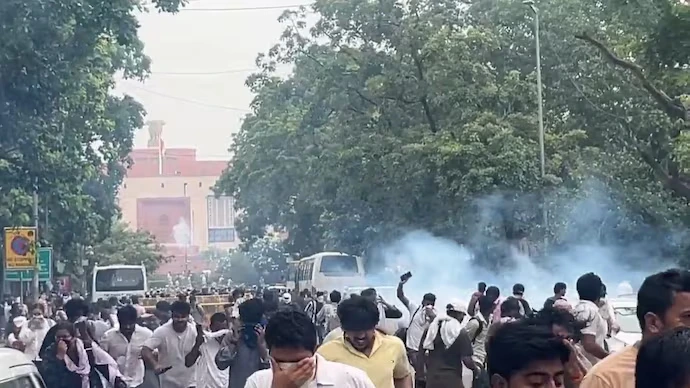
More than 25,000 police and paramilitary personnel have been deployed in Delhi ahead of the CJP’s planned protest march at Connaught Place. Authorities have also imposed restrictions and stepped up CCTV surveillance.

India News
Mallikarjun Kharge’s ‘Your Friends’ jab at Rahul Gandhi over congress exits
Congress president Mallikarjun Kharge took a dig at Rahul Gandhi after the Leader of the Opposition reportedly described former party leaders Jyotiraditya Scindia and Ghulam Nabi Azad as among those who had left the Congress.

India News
Delhi Police offers 11-person limit for CJP’s Connaught Place protest
Delhi Police has offered to facilitate a group of 11 people at Central Park in Connaught Place for the Cockroach Janata Party’s October 16 protest, while warning that violations of prohibitory orders could invite legal action.


India-US trade deal first phase finalised, drafting underway

Election Commission orders voter roll revision in 17 states, UTs

Actor Imran Khan asked to leave India after CJP protest

Delhi Police offers 11-person limit for CJP’s Connaught Place protest

Mallikarjun Kharge’s ‘Your Friends’ jab at Rahul Gandhi over congress exits

Magnitude 7 earthquake strikes Russia’s Kamchatka Peninsula

Delhi deploys 25,000 personnel, installs CCTV cameras ahead of CJP march
Mallikarjun Kharge’s ‘Your Friends’ jab at Rahul Gandhi over congress exits
Delhi Police offers 11-person limit for CJP’s Connaught Place protest
Actor Imran Khan asked to leave India after CJP protest

Afghan Men Try To Hang With The Jet Engine Of The Aircraft in Kabul- Afghanistan News – Kabul News
Trending Top 10 News: 10000 Crore Fine on Flipkart, Apple to Launch Unique Feature, Hdfc Bank Job Ad

Trending Top 10 News: Nokia 6310, Apple sales, Bachpan ka Pyar Video Kid, Dainik Bhaskar IT Raid

Trending Top 10 News: Canada bans Indian flights, Rain in Delhi NCR, AIMIM Twitter hacked, Raj Kundra case

Trending Top 10 News: Shein India, Apple New Service, Pocket Oxygen, Oppo Launched New Phone
-
 India News22 hours ago
India-US trade deal first phase finalised, drafting underway
-
 India News19 hours ago
Election Commission orders voter roll revision in 17 states, UTs
-
 India News19 hours ago
Actor Imran Khan asked to leave India after CJP protest
-
 India News18 hours ago
Delhi Police offers 11-person limit for CJP’s Connaught Place protest
-
 India News6 hours ago
Mallikarjun Kharge’s ‘Your Friends’ jab at Rahul Gandhi over congress exits
-
 India News6 hours ago
Delhi deploys 25,000 personnel, installs CCTV cameras ahead of CJP march
-
 Latest world news6 hours ago
Magnitude 7 earthquake strikes Russia’s Kamchatka Peninsula
