English हिन्दी
Connect with us

Health

Omicron Covid Care Kit: Keep THESE important things with you to carry on during this wave

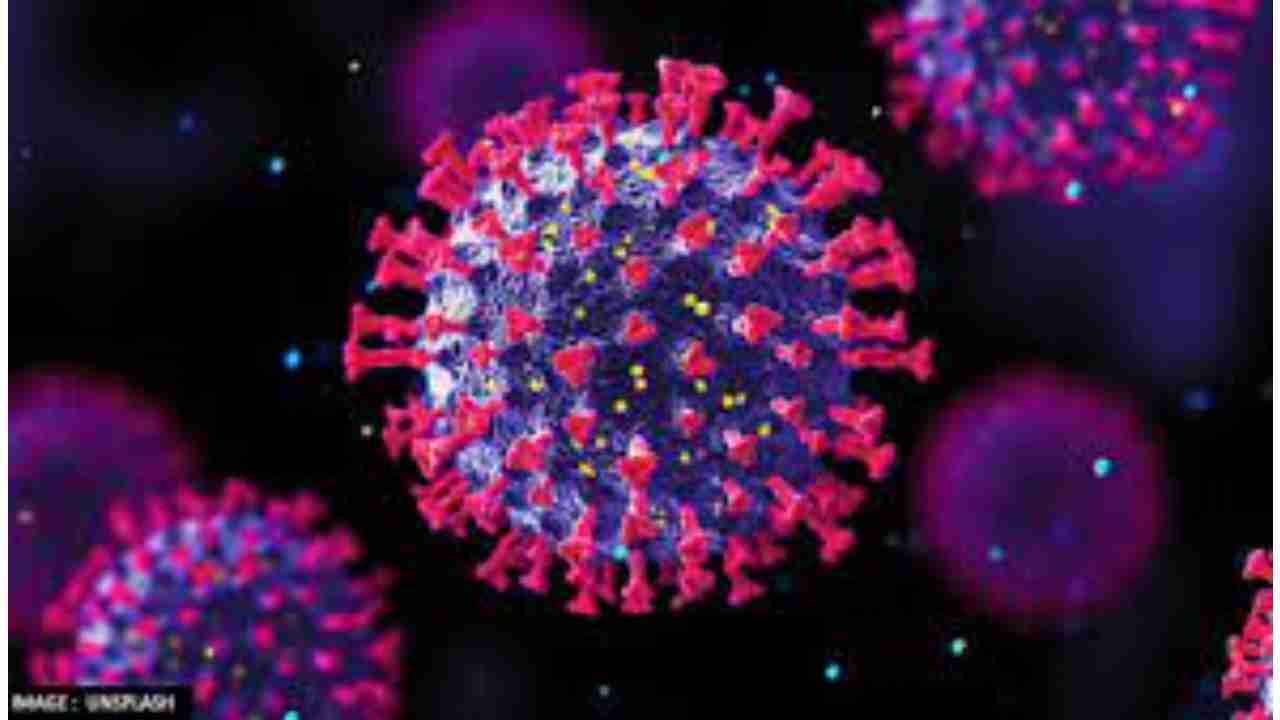
The Covid-19 cases in the country are rising at a rapid rate. So it is necessary to make an Omicron Covid care kit to survive in this wave. Check what all you need to keep in it.

Published

on

Covid-19 cases in India

India is currently battling with the third wave of Covid-19. The coronavirus cases in the country were declining but the emergence of Omicron strain in South Africa has led to the major spike in Covid-19 cases in just a few days.

Even though the government is revising guidelines from time to time like partial lockdowns and curfews. There are times when we need to step out of the house and there are chances that we may catch the Covid-19 virus.

So at every step, it is necessary to take precautions. Beginning from wearing masks whenever we are outdoors, there are some really important gadgets to help you carry on during this wave.

  1. Thermometer

The primary symptom of Covid-19 is fever. It is a must thing to keep at home. It is always advisable to check your body temperature once a day even though you aren’t feeling low.

  1. Oximeter

Amid the Covid-19, the demand for oximeters has been on a surge. Those infected with Covid-19 face a decline in oxygen levels (SpO2). It is advisable to must check your oxygen levels twice a day even if you haven’t caught the virus.

3. Medical Alert System

These are very beneficial for elderly parents. Due to the fact that COVID-19 forces individuals to isolate themselves, these medical systems can send SOS signals in the case of an emergency. Patients can call for help or raise an alarm with the press of a button. Check the device’s range before using it.

What all should you keep in handy if you’ve caught the Covid-19 virus?

It is always recommended to keep all the necessary medicines, gadgets with you all the time, no matter you are at home or not. Apart from the above-mentioned gadgets, make a bag of the following items which will help you in this wave.

  1. Vitamin C and Vitamin D pills
  2. Green tea pouches
  3. Make a powder of all the ingredients used in the Kadha and keep it in a box.
  4. Steamer
  5. Always keep a steel bottle with you filled with warm water.
  6. Coconut water
  7. Disposable masks

Continue Reading

Health

Karwa Chauth 2025 moonrise time: Biohacking the fast from sunrise to moonlight for better health

Karwa Chauth 2025 fast offers not only spiritual fulfilment but also scientifically proven health benefits — from improved metabolism and hormonal regulation to enhanced longevity and mental clarity.


Published

on

Karwa Chauth 2025

Karwa Chauth, traditionally observed by married women, is not just a ritual of devotion but a natural health practice that modern science recognizes as a form of intermittent fasting. According to Dr Sajeev Nair, the fast — from sunrise to moonrise — spans about 12 hours, a period proven to trigger beneficial metabolic changes in the body.

Effect On Obesity And Cardiovascular Health

The 12-hour food abstinence depletes glycogen stores in muscles and the liver, prompting the body to burn visceral fat — the most dangerous kind of fat surrounding vital organs. This shift makes the Karwa Chauth fast an effective natural mechanism to combat obesity and lower cardiovascular risks.

Building Resilience Through Fasting

Resilience, as Dr Nair explains, is the body’s ability to neutralize excesses and recover balance. Fasting reduces the need for excessive insulin release, preventing insulin resistance — a key factor behind diabetes and obesity. Hence, periodic fasting like that practiced during Karwa Chauth can improve metabolic resilience.

Restoring Hormonal Balance

For women, this traditional fasting has distinct hormonal benefits. A 12-hour fast can raise SHBG (sex hormone-binding globulin) levels, helping regulate androgens, control Polycystic Ovary Syndrome (PCOS), and support reproductive health. It also optimizes insulin, leptin, ghrelin, and Human Growth Hormone (HGH) activity — hormones that manage hunger, energy, and cell repair. In men, such fasting has been observed to boost testosterone naturally.

Fasting For Longevity

Karwa Chauth’s fasting duration activates autophagy — the body’s self-cleansing process that removes damaged cells. This mechanism enhances insulin sensitivity, reduces inflammation, strengthens gut health, and lowers the risk of heart diseases and cancer. Moreover, increased BDNF (Brain-Derived Neurotrophic Factor) levels improve mental clarity, memory, and mood.

A Gentle Entry Into Fasting

While Karwa Chauth occurs once annually, it can serve as inspiration for adopting manageable fasting habits. Dr Nair suggests simple time-restricted eating — like ensuring 12 food-free hours between dinner and breakfast — to enjoy the benefits of fasting without discomfort.

Is Fasting Suitable For Everyone?

Dr Nair notes that intermittent fasting or time-restricted eating may not benefit everyone equally, as genetic factors influence outcomes. Some may find portion control more effective. Personalized genomic lifestyle solutions like Eplimo can help identify the fasting style that best suits one’s genetic profile.

Continue Reading

Health

Sadhguru’s 30% diet challenge: Spiritual leader explains how eating more fruits can transform your digestion and mental clarity

Sadhguru’s 30% diet challenge urges people to eat more fresh fruits daily. From better digestion to steady energy, here’s how this change can improve your life.


Published

on

Sadhguru 30% diet challenge

Renowned spiritual leader and yogi, Sadhguru, has long advocated for a holistic approach to health. One of his standout dietary principles is the “30% diet challenge”, which encourages people to consume at least 30% of their daily food intake in the form of fresh fruits. According to Sadhguru, fruits are not just nutritious—they play a pivotal role in enhancing energy, improving digestion, and promoting mental clarity.

Why Sadhguru recommends 30% fruits in your diet

The idea behind the 30% diet challenge is simple: fuel the body with foods that are easy to digest and rich in vital nutrients. Fruits, according to Sadhguru, are among the cleanest and most energy-efficient foods. Unlike processed or heavy meals that can burden the digestive system, fruits are light, quick to metabolize, and help the body function optimally.

He explains that this dietary shift is not merely about maintaining physical fitness but also about reducing the risk of chronic conditions and staying mentally alert.

Health benefits: From detox to disease prevention

Fruits are rich in natural sugars, fiber, vitamins, and minerals, making them a powerhouse for overall health. Sadhguru notes that fruits help the body detoxify naturally, support organ health, and reduce the strain on vital systems like the liver and kidneys. He also suggests that regular fruit consumption can enhance blood circulation, reduce inflammation and also lower the risk of conditions such as diabetes, thyroid imbalances, and hypertension

Fruits for energy and mental alertness

Sadhguru often draws attention to how different types of food affect one’s mental state. He says that fruits, due to their natural sugars and clean-burning properties, provide sustained energy without causing blood sugar spikes. Unlike heavy meals that can make one sluggish, fruits help keep the body light and the mind sharp.

How to make fruits a daily habbit

Incorporating 30% fruits into your meals doesn’t require drastic lifestyle changes. Here are some practical ways to adopt this approach:

Start your day with fruits: A bowl of mixed seasonal fruits makes for a nourishing breakfast.

Snack smart: Replace processed snacks with fresh fruit options like bananas, apples, or oranges.

Smoothie switch: Blend fruits into smoothies for a filling, nutritious drink.

Go seasonal: Eating fruits that are in season ensures maximum nutrition and freshness.

Empty stomach advantage: For better absorption, consume fruits on an empty stomach, especially in the morning.

Continue Reading

Health

Is winter really a silent threat for diabetics and hypertensive patients? Risks you need to know

Published

on

A person with diabetes and hypertension taking precautions during winter.

As the winter chill sets in, many people find themselves reaching for extra layers or cozy blankets to stay warm. But for those living with diabetes and hypertension, the cold weather could pose more serious threats than you might realize. Recent findings reveal that individuals with these conditions could face an increased risk of severe complications, including stroke and heart attack, during the colder months. Is your health at risk this winter? Let’s dig deeper into the chilling reality.

Cold weather and its impact on hypertension and diabetes

When the temperature drops, the body undergoes various physiological changes to protect itself. For people with hypertension, or high blood pressure, the cold causes blood vessels to constrict, raising blood pressure and increasing the risk of heart attack and stroke. The colder weather also causes the body to release more stress hormones, which can further elevate blood pressure levels. But the danger doesn’t stop there for diabetics.

Diabetes patients already struggle with poor circulation, and the winter chill can exacerbate this, leading to higher blood sugar levels and increased chances of complications like nerve damage. Experts are also warning about the added stress on the heart, as diabetics are already at a higher risk of cardiovascular diseases.

Health professionals are urging individuals with hypertension and diabetes to take extra precautions during the winter months.

Real-Life incidents raising alarm

There have been multiple reports from hospitals across India indicating a rise in patients suffering from heart attacks and strokes during the colder months. In fact, many of these patients were already dealing with hypertension or diabetes.

A recent case in Bengaluru highlighted this growing concern. A 62-year-old man, who had been managing his high blood pressure for years, was rushed to the emergency room after he suffered a stroke just days after a cold front hit the city. Doctors confirmed that the drop in temperature likely played a key role in the incident.

Taking preventive measures

So, how can diabetics and hypertensive individuals protect themselves during the cold season? Experts recommend the following:

Regular Monitoring: Keep a close watch on your blood pressure and blood sugar levels. With temperature changes, your levels could fluctuate, so make sure you’re regularly checking them.

Stay Warm: Layer up to stay warm but avoid overexerting yourself in extreme cold.

Medication Management: Be cautious about skipping or altering your medication routine. Talk to your doctor about any adjustments needed for winter months.

Exercise Caution Outdoors: Avoid going out during extreme cold, and if you must, ensure you’re properly dressed and limit time spent outside.

Hydration and Diet: Staying hydrated and maintaining a balanced diet is key to managing both blood sugar and blood pressure levels, particularly in colder weather.

As temperatures dip across the country, it’s important for those with hypertension and diabetes to take extra precautions. While winter might seem like a time for cozy warmth, for individuals with these conditions, it could be a hidden danger. Understanding the risks and taking preventive measures can help safeguard your health, ensuring that winter remains a season of comfort rather than complications.

Stay safe, stay warm, and keep your health in check.

Continue Reading

Trending

© Copyright 2022 APNLIVE.com