English हिन्दी
Connect with us

India News

AAP leader Ashutosh quits, Kejriwal rejects resignation: ‘Not in this life’

Published

on

AAP leader Ashutosh quits, Kejriwal rejects resignation: ‘Not in this life’

The resignation of Aam Aadmi Party (AAP) leader and former journalist Ashutosh, the latest in a long list of leaders who parted ways with the party, was rejected outright by AAP convenor and Delhi chief minister Arvind Kejriwal.

“How can we ever accept your resignation? Not in this lifetime,” Kejriwal tweeted, hours after Ashutosh announced that he was resigning from the party on Wednesday, August 15.

A second tweet said, “Sir, we all love you very much.”

In a tweet this morning, Ashutosh announced that he was leaving the party for a ‘very, very personal reason’. “Every journey has an end. My association with AAP which was beautiful/revolutionary has also an end. I have resigned from the PARTY/requested PAC to accept the same. It is purely from a very very personal reason. Thanks to party/all of them who supported me Throughout. Thanks,” he tweeted.

Ashutosh, who had a long career as a television journalist before joining politics and Anna Hazare’s India Against Corruption (IAC) movement, requested that his privacy be respected. In another tweet, he said: “To media friends. Please respect my privacy. I won’t be giving any bite of any kind. Please cooperate.”

AAP’s Rajya Sabha MP Sanjay Singh and Delhi convenor Gopal Rai told reporters that the leadership will talk to Ashutosh and urge him to reconsider his decision.

A report in NDTV quoting sources close to Ashutosh said that it was not a sudden decision. “It was a long-thought decision,” the source told NDTV. He had taken a sabbatical for the past three months as he was abroad and had reportedly told the party that he needed some time off to write a book.

Ashutosh contested the Lok Sabha elections from Chandni Chowk constituency, but lost to BJP’s Harsh Vardhan.

In January, Kejriwal had to look within the party to fill the Rajya Sabha seats after being turned down by seven eminent professionals. There was a buzz at the time that Ashutosh was being considered for a post.

But the party’s final list – senior leader Sanjay Singh, Delhi-based businessman Sushil Gupta and chartered accountant ND Gupta – had upset several aspirants. Ashutosh had expressed unhappiness over the choice of the latter two nominees to the Rajya Sabha. Once seen as close to Delhi Chief Minister Arvind Kejriwal, he had mostly kept away from party activities since then.

Senior leader and founder member Kumar Vishwas, who had frequent run-ins with Kejriwal, quit the party days later, protesting that he was being “punished for speaking the truth.”

AAP has witnessed political turmoil over the years with several of its founding and initial members either tending their resignations or facing expulsions. In March 2015, Yogendra Yadav and Prashant Bhushan were expelled for ‘anti-party’ activities. Following Yadav and Bhushan’s ouster, social activist Medha Patkar left AAP. Journalist-turned-politician Shazia Ilmi and former Delhi assembly speaker MS Dhir also quit the party and joined the BJP.

India News

Om Birla likely to move motion to revoke suspension of 8 opposition MPs today

The Lok Sabha is likely to revoke the suspension of eight opposition MPs today, with a motion expected to be moved by the government following consensus on maintaining discipline.

Published

on

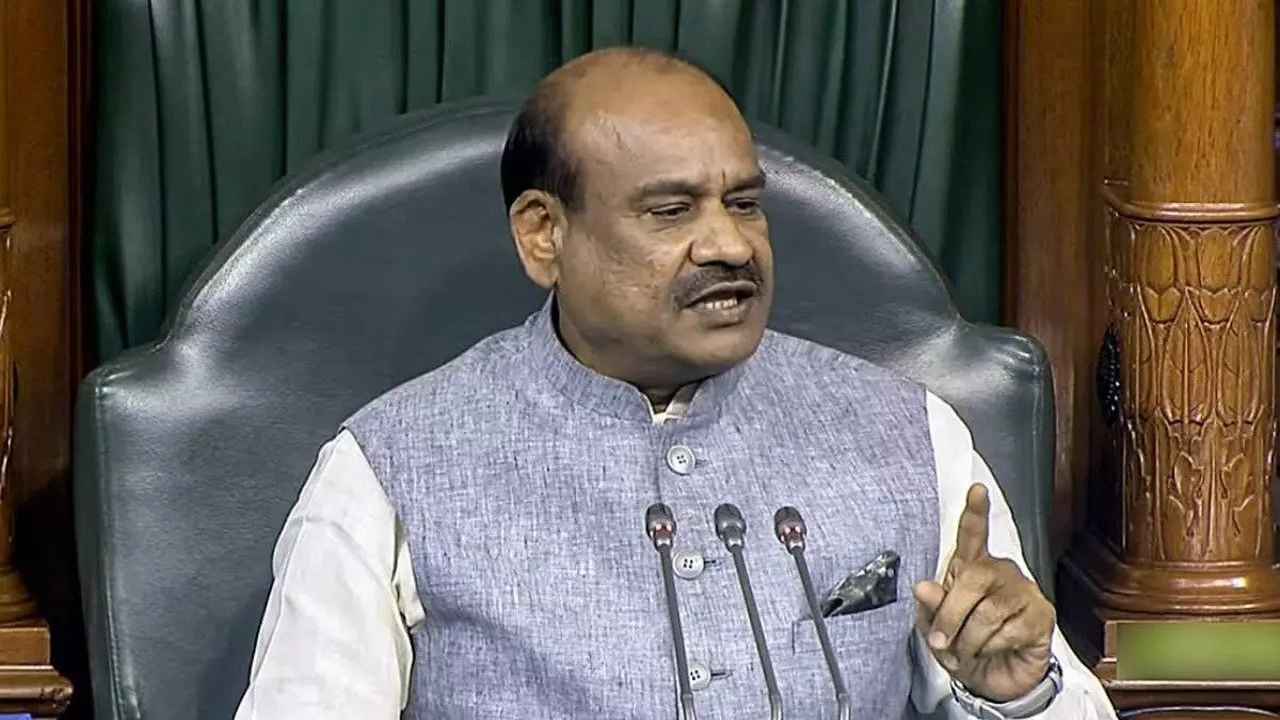
Om Birla

The suspension of eight opposition Members of Parliament in the Lok Sabha is expected to be revoked on Tuesday, with Speaker Om Birla likely to initiate the process, according to sources.

The MPs, including seven from the Congress and one from the CPI(M), were suspended on February 3 for unruly conduct during the first phase of the Budget session after a resolution was adopted by the House.

Motion to be moved in Lok Sabha

Congress leader K Suresh said that Parliamentary Affairs Minister Kiren Rijiju is expected to move a motion around noon seeking revocation of the suspensions.

Although the suspension was initially imposed for the entire session, scheduled to conclude on April 2, opposition parties have consistently demanded reconsideration since the second phase of the session began on March 9.

Agreement on maintaining decorum

At a recent meeting convened by the Speaker, both ruling and opposition sides reportedly agreed on maintaining discipline in the House.

Key understandings include:

  • No member will enter the well of the House to protest
  • Papers will not be torn or thrown toward the Chair
  • MPs will not climb onto officials’ tables

The Lok Sabha Secretariat has also reminded members to keep areas within the Parliament premises obstruction-free to ensure smooth movement.

Speaker raises concern over conduct

Earlier, Om Birla had expressed concern over the use of banners, placards, and inappropriate language by some MPs. In a letter to party leaders, he stressed the need to uphold the dignity and traditions of parliamentary democracy.

He had also indicated that actions like suspension are taken in cases of serious misconduct, such as climbing onto tables during proceedings.

Suspended MPs

The suspended MPs include Gurjeet Singh Aujla, Hibi Eden, C Kiran Kumar Reddy, Amarinder Singh Raja Warring, Manickam Tagore, Prashant Padole, Dean Kuriakose (Congress), and S Venkatesan (CPI-M).

Continue Reading

India News

Maharashtra passes freedom of religion bill with jail term up to 10 years

Maharashtra passes anti-conversion bill with strict jail terms and fines, aiming to curb unlawful religious conversions.
Published

on

Maharashtra faces freedom of bill

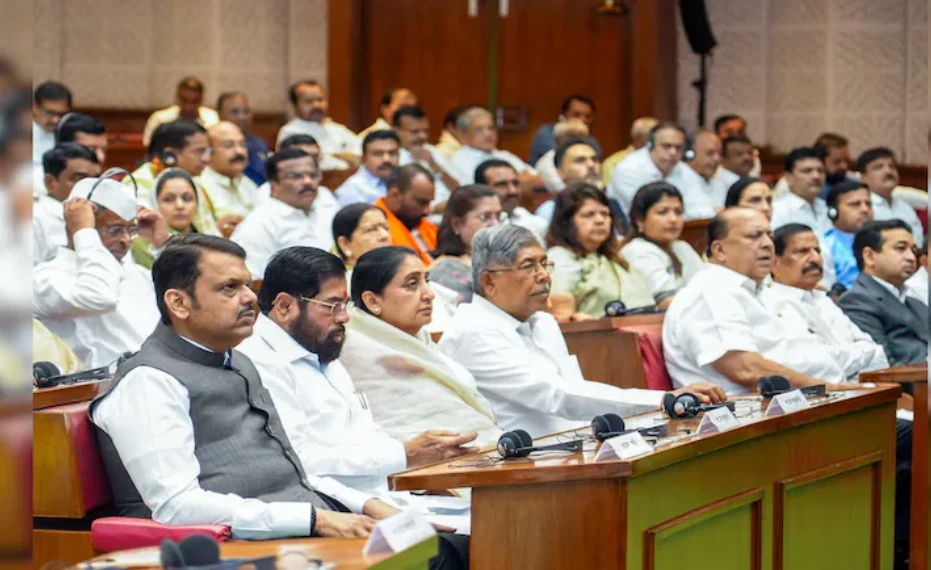
The Maharashtra Assembly has passed the Freedom of Religion Bill 2026, introducing stringent penalties to curb religious conversions carried out through coercion, fraud, inducement or marriage.

The bill was cleared by voice vote late Monday, with the government asserting that it aims to protect individuals from unlawful conversions while safeguarding constitutional rights.

Under the provisions, individuals found guilty of conversion through marriage or deceit can face up to seven years in prison along with a fine of Rs 1 lakh. In cases involving minors, women, persons of unsound mind, or those belonging to Scheduled Castes and Scheduled Tribes, the punishment increases to seven years’ imprisonment and a fine of Rs 5 lakh.

Mass conversions will also attract a jail term of up to seven years and a fine of Rs 5 lakh. Repeat offenders could face imprisonment of up to 10 years.

Chief Minister Devendra Fadnavis said the law is not aimed at any particular religion but seeks to prevent conversions through illegal means. He emphasised that the right to freedom of religion under Article 25 of the Constitution does not include conversion through coercion or fraud.

He also noted that several states, including Odisha, Gujarat, Uttar Pradesh, Madhya Pradesh, Haryana, Karnataka and Jharkhand, have enacted similar laws.

The bill allows complaints to be filed by the affected individual or close relatives, while police can also initiate action in certain situations. The government said this provision is necessary as victims may not always be in a position to approach authorities.

Minister of State for Home Pankaj Bhoyar said the legislation ensures that conversions take place voluntarily and transparently. He addressed concerns over the requirement of giving a 60-day prior notice to the district magistrate, stating that the provision is meant to verify free consent.

The law also mandates informing authorities within 21 days after conversion, failing which it may be treated as invalid. The government described this as a measure for administrative record-keeping and to avoid disputes.

During the debate, members from the opposition raised concerns over possible misuse and vigilantism. Congress MLA Aslam Shaikh argued that the bill could affect constitutional rights, including privacy and equality. Some legislators also demanded that the bill be sent to a joint select committee for further scrutiny.

However, the opposition Shiv Sena (UBT) extended support. MLA Bhaskar Jadhav said the bill does not target any religion and is aimed at preventing unethical practices.

The government maintained that the law does not restrict an individual’s right to change religion voluntarily but is intended to curb unlawful practices and maintain law and order.

Continue Reading

India News

Mamata Banerjee writes to poll chief over officers’ reshuffle, calls move arbitrary

Mamata Banerjee has written to the Chief Election Commissioner, calling the reshuffle of senior Bengal officials arbitrary and raising concerns over constitutional norms.
Published

on

mamta banerjee

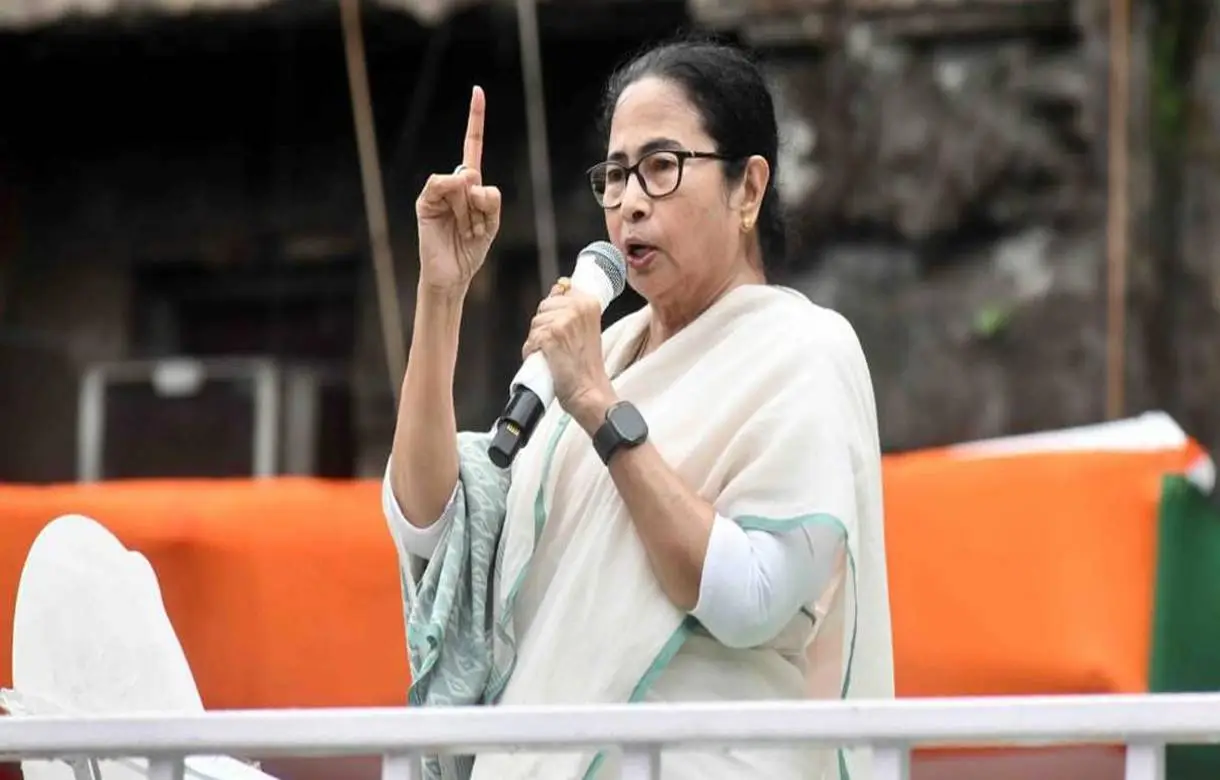
West Bengal Chief Minister Mamata Banerjee has written to Chief Election Commissioner Gyanesh Kumar, raising strong objections to the recent reshuffle of senior bureaucrats in the state ahead of the assembly elections.

In her letter, Banerjee described the move by the Election Commission of India as “arbitrary” and expressed “deep concern” over what she termed a unilateral decision. She urged the Commission to refrain from adopting such measures in the future.

The Chief Minister pointed out that while the Election Commission does have the authority to make administrative changes during elections, past practice has involved consultation with the state government. According to her, the Commission would typically seek a panel of officers from the state and make its selections from that list, maintaining what she called constitutional propriety and administrative convention.

Banerjee warned that bypassing this process could undermine the institutional credibility and long-standing legacy of the poll body, and may also affect the foundational principles of the constitutional framework.

The controversy stems from the Commission’s decision, taken soon after announcing election dates, to remove several top officials from election-related duties. These include the state’s Chief Secretary, Director General of Police, Kolkata Police Commissioner, and Home Secretary.

The Commission has maintained that the reshuffle was aimed at ensuring a peaceful and violence-free electoral process.

Reacting sharply, Banerjee alleged bias in the decision-making, claiming that the removal of the Chief Secretary indicated an anti-women stance. She also accused the Commission of selectively targeting officers, suggesting that the move favoured individuals aligned with the Bharatiya Janata Party.

Meanwhile, the Trinamool Congress escalated its protest, staging a day-long walkout from the Rajya Sabha earlier in the day.

Responding to the criticism, Parliamentary Affairs Minister Kiren Rijiju said the Election Commission is a constitutional authority, adding that questioning its decisions in Parliament is inappropriate and unproductive.

The Commission has appointed a new Chief Secretary in place of the outgoing official as part of the reshuffle.

Continue Reading

Trending

© Copyright 2022 APNLIVE.com