
India News
Bharat Bandh: Massive jams at Delhi-Gurugram border, DND, Delhi-Meerut highway, parts of Punjab and Haryana
Not only Delhi-Gurugram but also the Delhi-Noida-Delhi Expressway has been jammed for a long time. There is a queue of vehicles on DND since morning and people are facing problems due to the farmers’ Bharat Bandh.

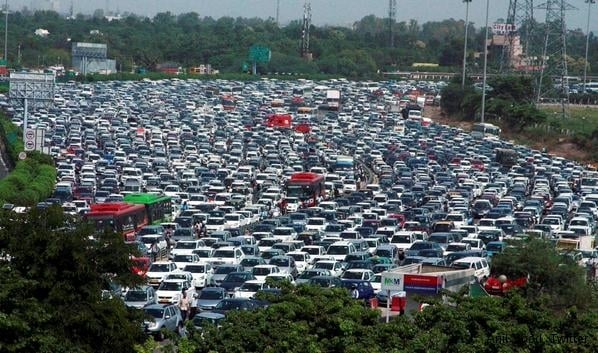
The Bharat Bandh called by the Sanyukta Kisan Morcha on Monday (September 27) against the agricultural laws, has led to massive traffic jams in many places including the Delhi-Gurugram border, Delhi-Meerut Highway at Ghazipur and parts of Punjab and Haryana.
The vehicles entering the national capital are being checked by Delhi Police and paramilitary jawans in the wake of the Bharat Bandh called by farmers seeking the repeal of three controversial laws. However, Ingit Pratap Singh, DCP South West, said the police have barricaded the Rajokri border (Delhi-Gurugram) which resulted in a traffic jam at this section. Now, the situation is normal and traffic is smooth as the police have loosened the barricades.
Not only Delhi-Gurugram but also the Delhi-Noida-Delhi Expressway has been jammed for a long time. There is a queue of vehicles on DND since morning and people are facing problems due to the farmers’ Bharat Bandh.
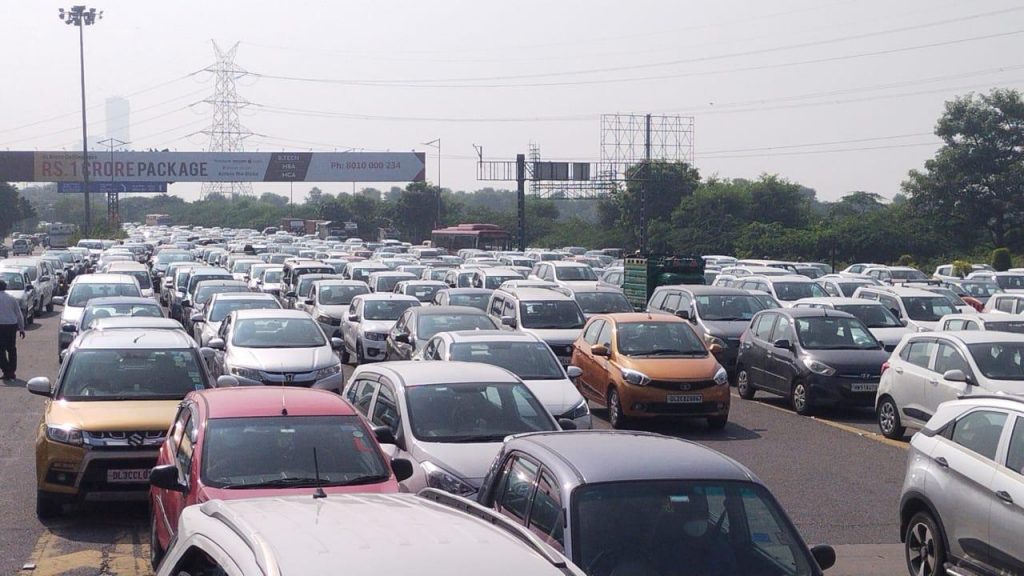
Farmers have blocked the Delhi-Meerut Expressway at the Ghazipur border. Both NH 24 and NH 9 have been blocked. Delhi Police has alerted about the traffic by tweeting. The Police said that the traffic movement from UP to Ghazipur (Ghazipur Border) has been stopped for the time being. On the other hand, the Ghaziabad Police has also issued an alert to the passengers regarding traffic diversion. At the same time, farmers have sat on the railway track in Bahadurgarh, Haryana, due to which the movement of trains has been affected.
The Sanyukta Kisan Morcha called for the Bharat Bandh on Monday that started at 6 am today and it will conclude at 4 pm.
Thousands of farmers have been protesting on the different borders of the national capital since November 26 last year against the three newly enacted farm laws: Farmers’ Produce Trade and Commerce (Promotion and Facilitation) Act, 2020; the Farmers Empowerment and Protection) Agreement on Price Assurance and farm Services Act 2020 and the Essential Commodities (Amendment) Act, 2020.
Read Also: Bharat Bandh: Delhi Metro shuts entry and exit from this metro station; check details
The government has projected the new laws as major reforms in the agriculture sector that will remove the mandi system and middlemen and allow farmers to sell their produce anywhere in the country. However, the protesting farmers argue that the new laws have no mention of minimum support price (MSP) and the mandis that will leave them at the mercy of big corporates.
So far, there have been several rounds of talks between the Centre and farmer leaders as farmers are stuck to their demands of repealing the three laws. While the government asked them to consider their offer of deferring the laws to one and half years.





India News
Centre sends 3 letters to Punjab government after anti-drug activist’s killing
The Centre has sought reports from the Punjab government on three incidents linked to allegations surrounding drug-related activities, including the killing of anti-drug activist Parvinder Singh Jhota.

India News
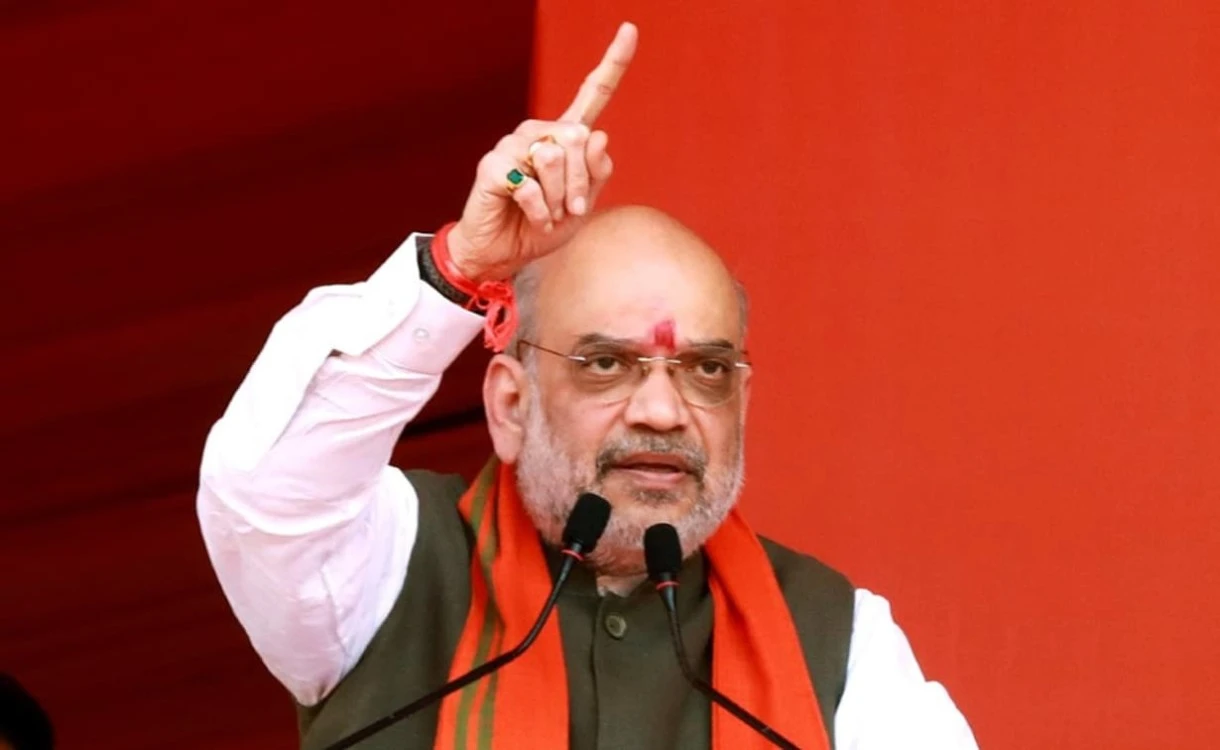
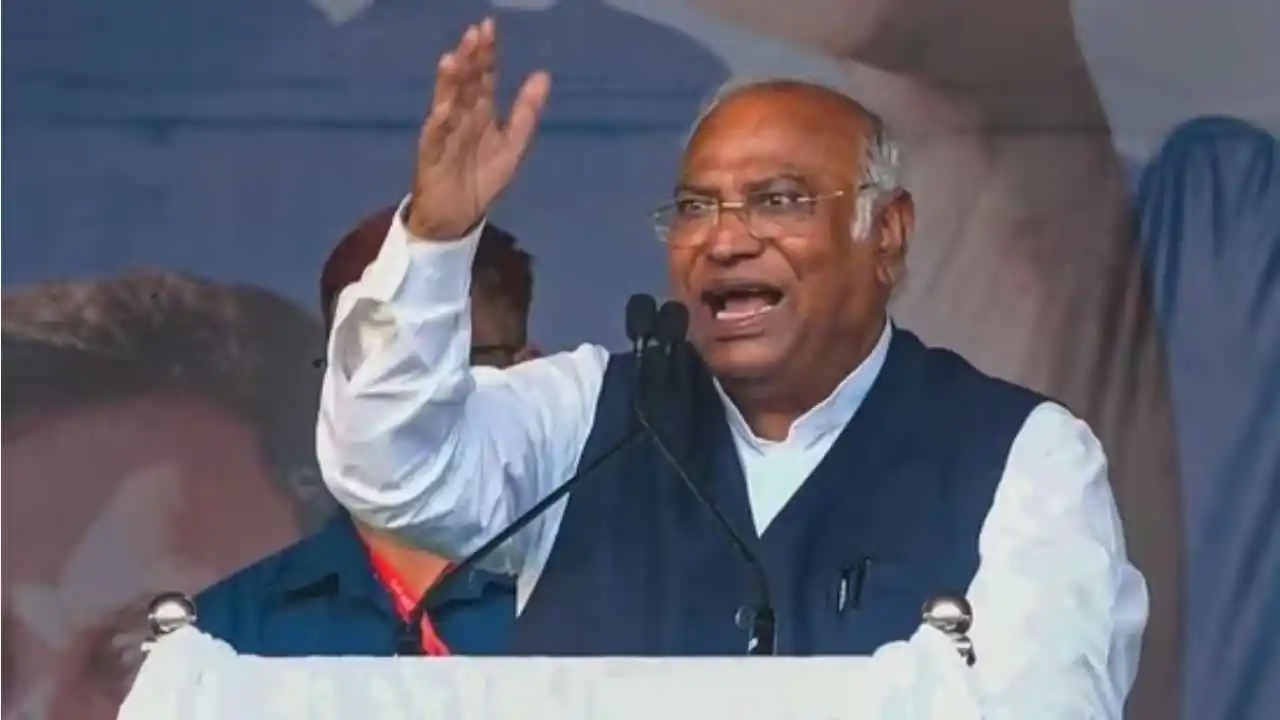
Mallikarjun Kharge seeks all-party meeting with PM Modi on delimitation
Congress president Mallikarjun Kharge has written to Prime Minister Narendra Modi for the fourth time, seeking an all-party meeting on delimitation. He also flagged the 64-day delay in proroguing Parliament’s Monsoon Session.
India News
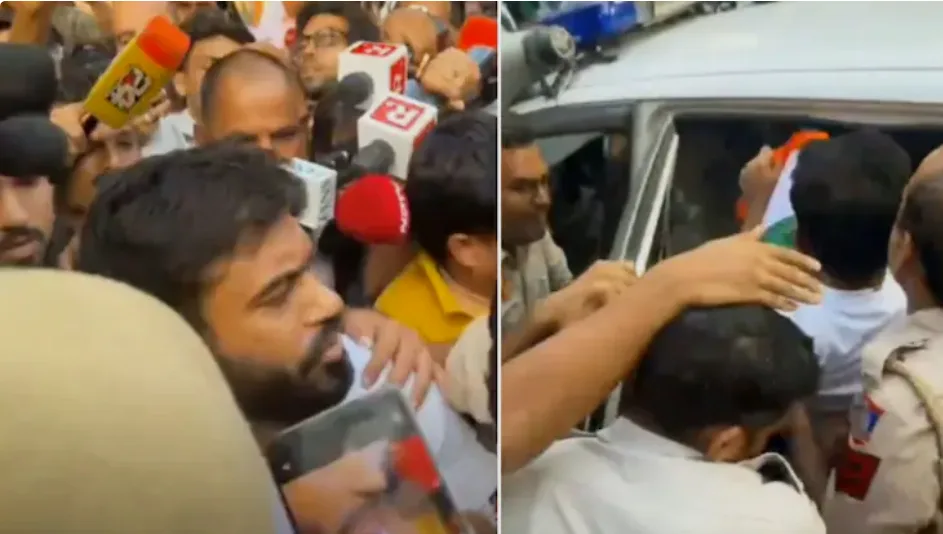
Abhijeet Dipke detained ahead of CJP’s national flag march in Delhi
Cockroach Janta Party founder Abhijeet Dipke was detained by Delhi Police on October 16, 2026, shortly before a planned national flag march. The proposed rally followed the judicial custody of two CJP members who had waved the Tricolour at Jantar Mantar.

Magnitude 7 earthquake strikes Russia’s Kamchatka Peninsula

Mallikarjun Kharge’s ‘Your Friends’ jab at Rahul Gandhi over congress exits

Delhi deploys 25,000 personnel, installs CCTV cameras ahead of CJP march

Abhijeet Dipke detained ahead of CJP’s national flag march in Delhi

Mallikarjun Kharge seeks all-party meeting with PM Modi on delimitation

Centre sends 3 letters to Punjab government after anti-drug activist’s killing
Mallikarjun Kharge seeks all-party meeting with PM Modi on delimitation
Abhijeet Dipke detained ahead of CJP’s national flag march in Delhi
Magnitude 7 earthquake strikes Russia’s Kamchatka Peninsula
Delhi deploys 25,000 personnel, installs CCTV cameras ahead of CJP march

Afghan Men Try To Hang With The Jet Engine Of The Aircraft in Kabul- Afghanistan News – Kabul News
Trending Top 10 News: 10000 Crore Fine on Flipkart, Apple to Launch Unique Feature, Hdfc Bank Job Ad

Trending Top 10 News: Nokia 6310, Apple sales, Bachpan ka Pyar Video Kid, Dainik Bhaskar IT Raid

Trending Top 10 News: Canada bans Indian flights, Rain in Delhi NCR, AIMIM Twitter hacked, Raj Kundra case

Trending Top 10 News: Shein India, Apple New Service, Pocket Oxygen, Oppo Launched New Phone
-
 Latest world news22 hours ago
Magnitude 7 earthquake strikes Russia’s Kamchatka Peninsula
-
 India News22 hours ago
Mallikarjun Kharge’s ‘Your Friends’ jab at Rahul Gandhi over congress exits
-
 India News22 hours ago
Delhi deploys 25,000 personnel, installs CCTV cameras ahead of CJP march
-
 India News13 hours ago
Abhijeet Dipke detained ahead of CJP’s national flag march in Delhi
-
 India News11 hours ago
Mallikarjun Kharge seeks all-party meeting with PM Modi on delimitation
-
 India News10 hours ago
Centre sends 3 letters to Punjab government after anti-drug activist’s killing
