
India News
14 people died due to the Chennai Tamil Nadu heavy rainfall, low-pressure forms over the Bay of Bengal
In several parts of the region, it is raining very heavily without any interruptions. The parts which are mostly affected by this non-stop rain are particularly the northern districts of Tamil Nadu.

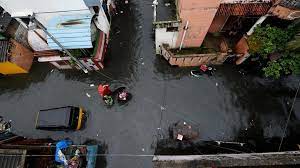
In Tamil Nadu, heavy rains took place in several parts. On Wednesday, November 10, 2021, Tamil Nadu’s inconsistent, light to moderate rains strengthened in intensity by the evening.
The low-pressure region over the Bay of Bengal has consolidated into a depression, which will most certainly cross the coast by tonight.
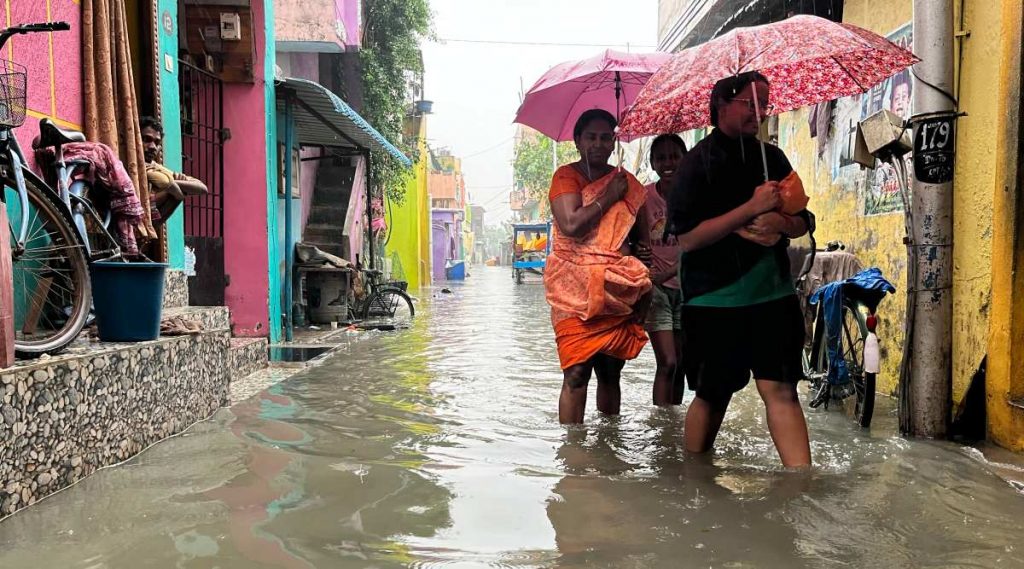
In several parts of the region, it is raining very heavily without any interruptions. The parts which are mostly affected by this non-stop rain are particularly the northern districts of Tamil Nadu.
Also, Chennai and nearby Chengelpet, Kancheepuram, Tiruvallur and Villupuram are also being affected very badly.
Which flights are cancelled at Chennai airport?
All flight arrivals are cancelled because of the heavy rain and wild crosswinds, while the departures of the flight will be continued, says Chennai airport.
Deaths due to heavy rainfall in Tamil Nadu
According to reports, at least 14 people have died in this incident because of the constant heavy rainfall, people are afraid of floods now. Hence, on Thursday, a red alert has been issued in extreme rainfall parts of Tamil Nadu including northern Chennai, Tiruvallur, Kancheepuram, Ranipet, Villupuram, Chengelpet and Cuddalore districts by The India Meteorological Department (IMD).
Read Also: UP government sacks Dr Kafeel Khan, here’s why
The Chennai Corporation states that stormwater drains are not constructed for heavy rains, they can only bear the normal yearly rains. After torrential rains pounded many parts of Tamil Nadu on Wednesday, the city must be reconfigured to become climate-resilient as severe weather generally become more frequent.
Today on November 11, 2021, several roadways in Chennai were flooded. Due to waterlogging on rail tracks, pedestrians were diverted across the city when the traffic police closed at least seven roadways and 11 subways.
Some metropolitan trains were suspended, while others were delayed. Flight operations were normal, according to the Airport Authority of India, and additional measures were taken at airports due to the bad weather.












India News
India-US trade deal first phase finalised, drafting underway
The first phase of the India-US trade agreement has been finalised and is undergoing legal drafting, Commerce Minister Piyush Goyal said. The deal is expected to be operationalised once India secures a competitive advantage over peer countries.


India News
Nobody can browbeat judiciary, Chief Justice warns over Rahul Gandhi’s march
The Supreme Court issued notices to opposition leaders, including Rahul Gandhi and Akhilesh Yadav, over their march to the court on October 12 concerning irregularities in the Special Intensive Revision of electoral rolls.

India News
Dhruv Rathee gets fresh summons in 2018 BJP IT cell video case
YouTuber Dhruv Rathee has received fresh summons from a Delhi court in a 2018 criminal defamation case filed by Vikas Pandey over a video concerning the BJP IT Cell. The matter will next be heard on October 17.


Meerut murder: Muskaan Rastogi and Sahil Shukla get death sentence

Rahul Gandhi joins India Gate protest by Ankita Bhandari’s parents

Supreme Court questions EC over missing records in Sringeri election dispute

Dhruv Rathee gets fresh summons in 2018 BJP IT cell video case

Nobody can browbeat judiciary, Chief Justice warns over Rahul Gandhi’s march

India-US trade deal first phase finalised, drafting underway
Nobody can browbeat judiciary, Chief Justice warns over Rahul Gandhi’s march
Dhruv Rathee gets fresh summons in 2018 BJP IT cell video case
Supreme Court questions EC over missing records in Sringeri election dispute
Rahul Gandhi joins India Gate protest by Ankita Bhandari’s parents

Afghan Men Try To Hang With The Jet Engine Of The Aircraft in Kabul- Afghanistan News – Kabul News
Trending Top 10 News: 10000 Crore Fine on Flipkart, Apple to Launch Unique Feature, Hdfc Bank Job Ad

Trending Top 10 News: Nokia 6310, Apple sales, Bachpan ka Pyar Video Kid, Dainik Bhaskar IT Raid

Trending Top 10 News: Canada bans Indian flights, Rain in Delhi NCR, AIMIM Twitter hacked, Raj Kundra case

Trending Top 10 News: Shein India, Apple New Service, Pocket Oxygen, Oppo Launched New Phone
-
 India News22 hours ago
Meerut murder: Muskaan Rastogi and Sahil Shukla get death sentence
-
 India News21 hours ago
Rahul Gandhi joins India Gate protest by Ankita Bhandari’s parents
-
 India News21 hours ago
Supreme Court questions EC over missing records in Sringeri election dispute
-
 India News8 hours ago
Dhruv Rathee gets fresh summons in 2018 BJP IT cell video case
-
 India News5 hours ago
Nobody can browbeat judiciary, Chief Justice warns over Rahul Gandhi’s march
-
 India News34 mins ago
India-US trade deal first phase finalised, drafting underway
