
India News
Climate Change Repercussions: What! These 12 Indian cities likely to be underwater in less than 9 years!


By: Kritika Bobal
It’s 2021 and it’s high time you roll up your sleeves and take care of the climate. Climate change is real and if you still don’t take it seriously, the don’t know what will happen. Temperatures are increasing, glaciers are melting, and many cities may soon be underwater. From cyclones to wildfires to floods, India has witnessed the worst consequences of climate change this year as compared to the previous two years.
Even in the most likely cause, in which global greenhouse gas emissions begin to decrease immediately and are reduced to net-zero by 2050, the global temperature would still peek over the 1.5-degree threshold before decreasing. Cycles of floods triggered by high bursts of rainfall and an increase in droughts driven by rising evaporation are likely what India’s climate future may look like as the world approaches the 1.5 degree Celsius limit for global warming by 2040, according to a UN report.
The Intergovernmental Panel on Climate Change (IPCC) has issued a warning for 12 Indian coastal cities that are expected to be three feet underwater by the turn of the era.
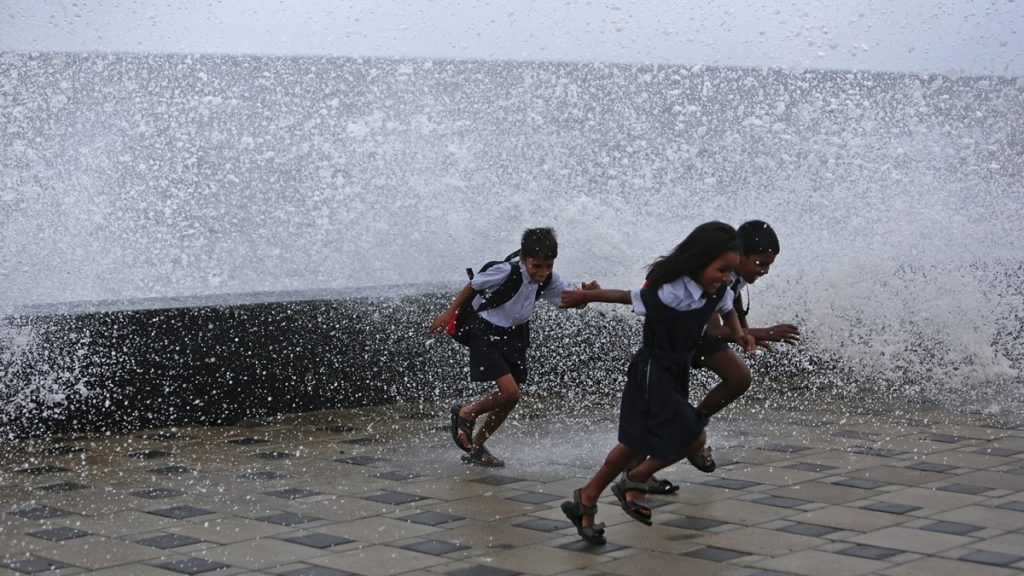
According to a recent study by Climate Central, a non-profit research organization, around 50 major coastal cities would need to immediately begin “extreme” adaptation steps to avoid being engulfed by rising waters. Even the closest portrayal of 2030 offers a worrisome scenario for several Indian towns, particularly in the states of Maharashtra, Gujarat, Kerala, and West Bengal, on its new Coastal Risk Screening Tool, where forecasts reveal which cities are at risk of being below sea levels up to 2150,
Which 12 Indian coastal cities are at risk?
The list includes major cities like Mumbai, Chennai, Kochi, and Visakhapatnam, among others.
Check out the complete list:
- Kandla, Gujarat — 1.87 feet
- Paradip, Odisha — 1.93 feet
- Bhavnagar, Gujarat — 2.70 feet
- Mumbai, Maharashtra — 1.90 feet
- Okha, Gujarat — 1.96 feet
- Mormugao, Goa — 2.06 feet
- Cochin, Kerala — 2.32 feet
- Andhra Pradesh — 1.77 feet Tuticorin
- Khidirpur, West Bengal — 0.49 feet
- Mangalore, Karnataka — 1.87 feet
- Chennai, Tamil Nadu — 1.87 feet
- Tuticorin, Tamil Nadu — 1.9 feet
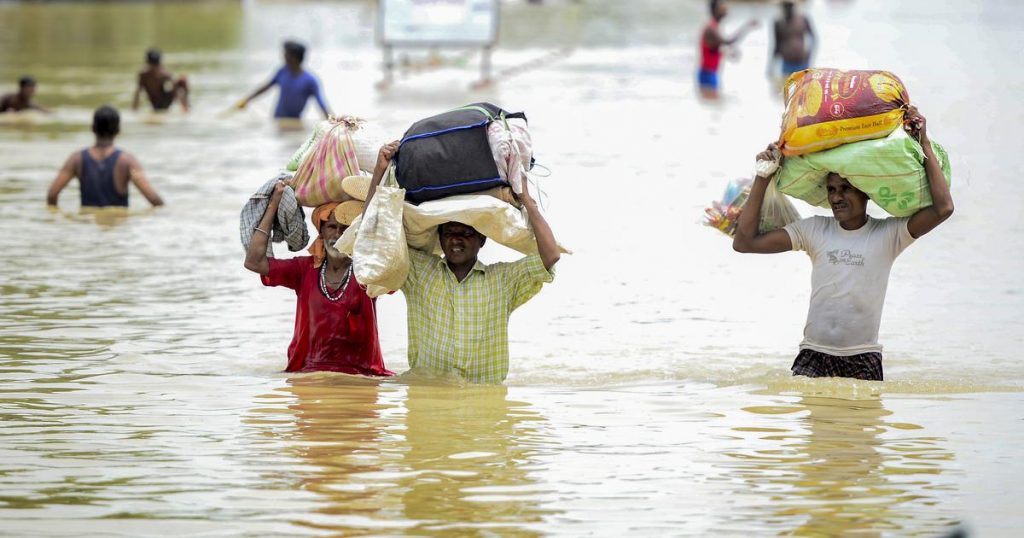
Over a hundred years from now, the situation seems much worse for the year 2120, with practically every coastal city in India highlighted in red and set to be below the tide level.
According to the UN report, sea level rise would threaten over 40 million people in India by 2050. According to the report, sea levels in Asia are increasing at a faster rate than the worldwide average. To prevent this global calamity, the IPCC has proposed a considerable reduction in carbon dioxide and other greenhouse gas emissions.


India News
Delhi Police offers 11-person limit for CJP’s Connaught Place protest
Delhi Police has offered to facilitate a group of 11 people at Central Park in Connaught Place for the Cockroach Janata Party’s October 16 protest, while warning that violations of prohibitory orders could invite legal action.

India News
Actor Imran Khan asked to leave India after CJP protest
Actor Imran Khan has been asked to leave India by October 28, days after participating in a protest called by the Cockroach Janta Party (CJP) in Mumbai.

India News
Election Commission orders voter roll revision in 17 states, UTs
The Election Commission has ordered a Special Summary Revision of electoral rolls in 17 states and Union Territories. Draft rolls are scheduled for November 12, with final rolls due on January 4, 2027.

Dhruv Rathee gets fresh summons in 2018 BJP IT cell video case

Nobody can browbeat judiciary, Chief Justice warns over Rahul Gandhi’s march

India-US trade deal first phase finalised, drafting underway

Election Commission orders voter roll revision in 17 states, UTs

Actor Imran Khan asked to leave India after CJP protest

Delhi Police offers 11-person limit for CJP’s Connaught Place protest
Actor Imran Khan asked to leave India after CJP protest
Election Commission orders voter roll revision in 17 states, UTs
India-US trade deal first phase finalised, drafting underway
Nobody can browbeat judiciary, Chief Justice warns over Rahul Gandhi’s march

Afghan Men Try To Hang With The Jet Engine Of The Aircraft in Kabul- Afghanistan News – Kabul News
Trending Top 10 News: 10000 Crore Fine on Flipkart, Apple to Launch Unique Feature, Hdfc Bank Job Ad

Trending Top 10 News: Nokia 6310, Apple sales, Bachpan ka Pyar Video Kid, Dainik Bhaskar IT Raid

Trending Top 10 News: Canada bans Indian flights, Rain in Delhi NCR, AIMIM Twitter hacked, Raj Kundra case

Trending Top 10 News: Shein India, Apple New Service, Pocket Oxygen, Oppo Launched New Phone
-
 India News18 hours ago
Dhruv Rathee gets fresh summons in 2018 BJP IT cell video case
-
 India News14 hours ago
Nobody can browbeat judiciary, Chief Justice warns over Rahul Gandhi’s march
-
 India News10 hours ago
India-US trade deal first phase finalised, drafting underway
-
 India News7 hours ago
Election Commission orders voter roll revision in 17 states, UTs
-
 India News7 hours ago
Actor Imran Khan asked to leave India after CJP protest
-
 India News6 hours ago
Delhi Police offers 11-person limit for CJP’s Connaught Place protest
