
India News
Congress chief Kharge slams PM Modi over UN food security and nutrition report, says India has largest undernourished people in world
Later, the BJP had to make a U-turn due to electoral considerations, he added.

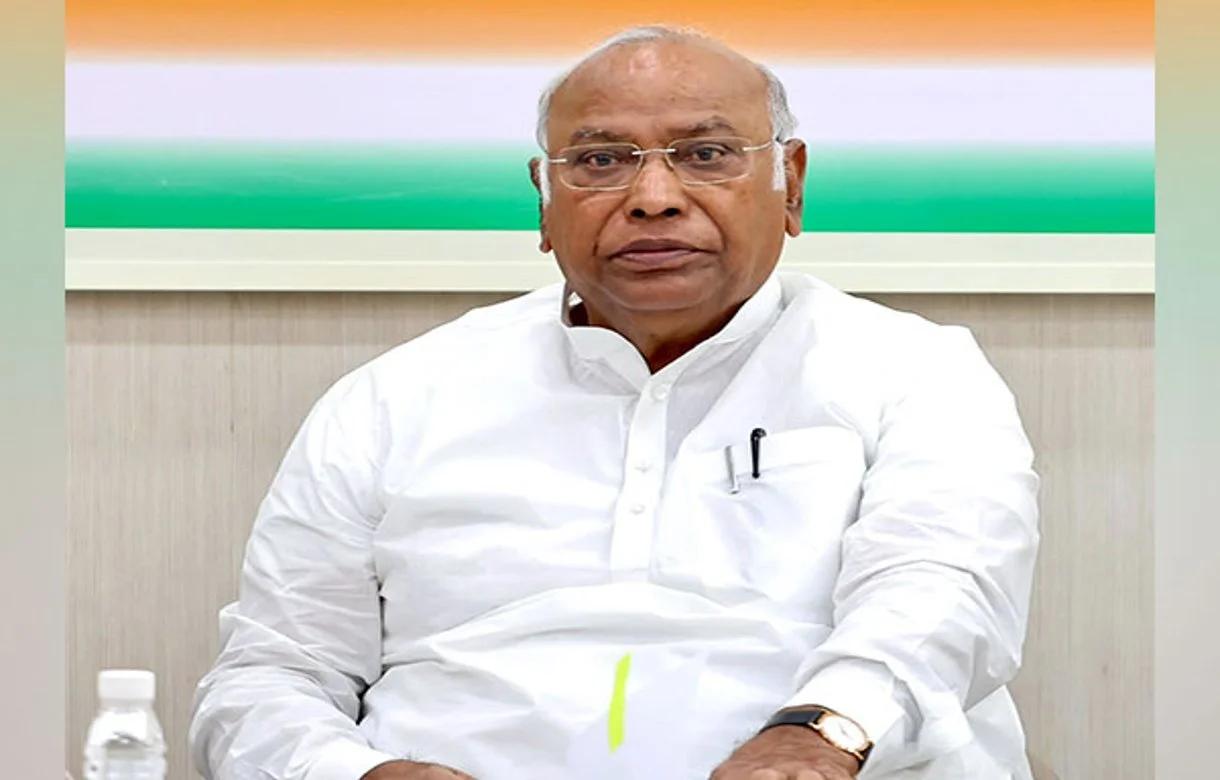
Congress chief Mallikarjun Kharge on Saturday slammed Prime Minister Narendra Modi’s government over the United Nations Food Security and Nutrition Report 2024 saying India has the largest number of undernourished people in the world.
The Congress chief, taking to X, said that it is a crying shame that despite the tall claims by the Modi government, 19.5 crore people in India are undernourished which is 1 in 4 in the world.
When Congress-UPA passed the National Food Security Act, 2013, the then Gujarat Chief Minister Modi opposed the same, Kharge said. Later, the BJP had to make a U-turn due to electoral considerations, he added.
After the ill-announced pandemic lockdown, PM Modi-led central government reallocated a major share of the Food Security Act to PM Garib Kalyan Anna Yojana and claimed that it is providing ration to 80 Cr people, the Congress chief charged.
Hitting out at PM Modi, Kharge said, “But it seems Modi ji’s personal PR again took over the actual welfare for at least 10 crore people are still kept out of this Food Security Act because Modi government has postponed the Census 2021.”
Kharge said due to the backbreaking, food-snatching, price rise imposed by the BJP, the cost of a healthy diet in India has increased by 17.5% in the past 6 years. He said this shameless government questions the Global Hunger Index – where India stands at 111th out of 125 countries.
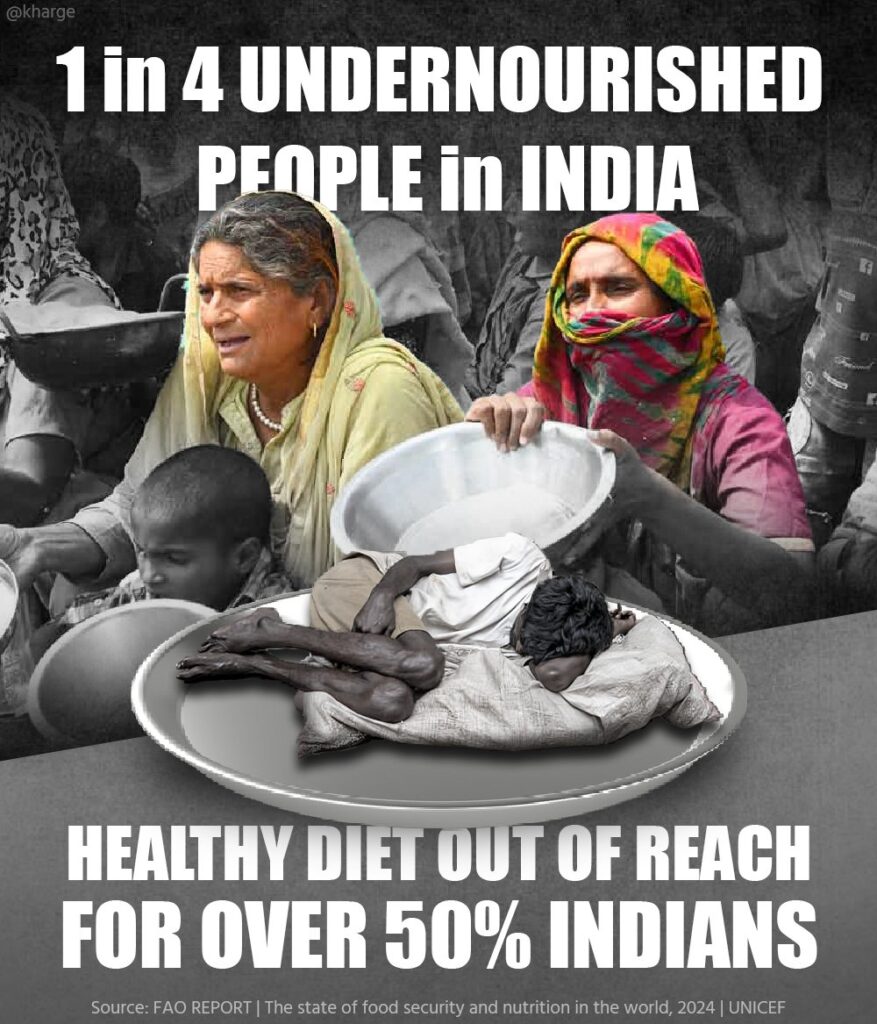
The Leader of Opposition in Rajya Sabha wondered if this government will now question the UN report on “The State of Food Security and Nutrition in the World”, 2024 too. Kharge further slammed the government by citing PM Modi government’s recent reply in Parliament that 17% of children in the age group of 0-5 years are underweight, while 36% are stunted and 6% are wasted.
He asked PM Modi despite implementing the National Food Security Act, PM Garib Kalyan Anna Yojana, and Poshan Abhiyan why India still has the largest number of undernourished people in the world, with 19.5 crore people struggling with hunger. Kharge wondered how these schemes reach India’s most vulnerable populations.
According to a UN report, around 790 million people in India cannot afford a healthy diet. However, this proportion has improved by about 3% points compared to 2022. The report further suggests that 13% of India’s population suffers from chronic undernourishment, indicating prolonged food insecurity.
According to the Global Hunger Index 2023, India ranked 111th, highlighting significant issues in food security. India has the highest prevalence of wasting, 18.7 percent, in South Asia and a high prevalence of stunting, 31.7 percent, in children under five years.
The data shows that 27.4% of babies born in India have low birth weight, the highest in the world, reflecting maternal malnutrition whereas 53% of women in India are anaemic, the highest in South Asia.
In the report, the recommendation has been made to increase public spending on food security and nutrition by boosting budgets for programs that reduce hunger and malnutrition and involving local communities in their planning and implementation to improve effectiveness and sustainability.





India News
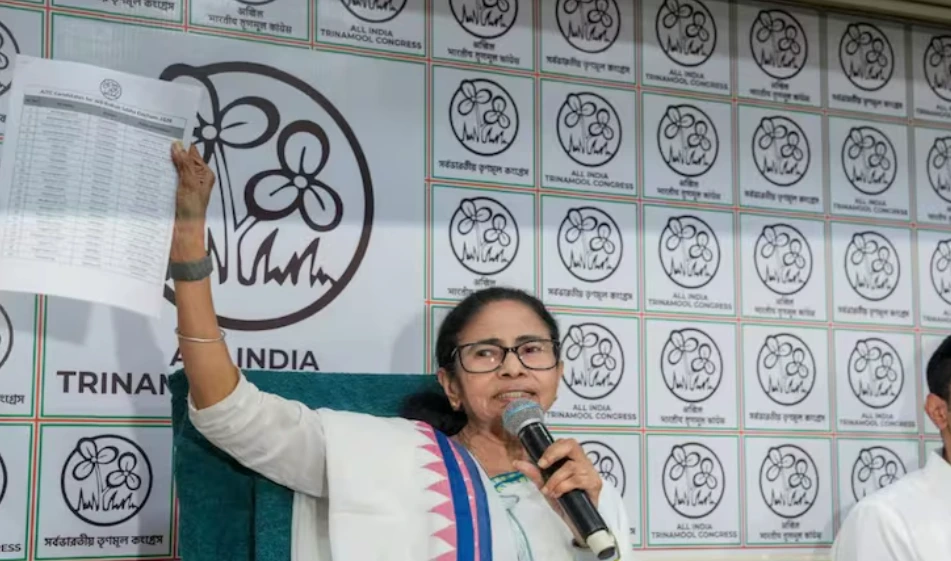
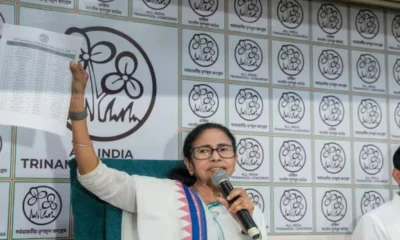
Mamata Banerjee warns BJP, EC over Bengal polls, says they will be accountable
Mamata Banerjee holds BJP and Election Commission responsible for any incidents during Bengal polls, raising concerns over officer transfers.

India News
Centre assures action on LPG supply disruption, court closes distributors’ plea
The Bombay High Court closed a plea by LPG distributors after the Centre assured diplomatic efforts to stabilise supply amid global disruptions.
India News
Om Birla likely to move motion to revoke suspension of 8 opposition MPs today
The Lok Sabha is likely to revoke the suspension of eight opposition MPs today, with a motion expected to be moved by the government following consensus on maintaining discipline.
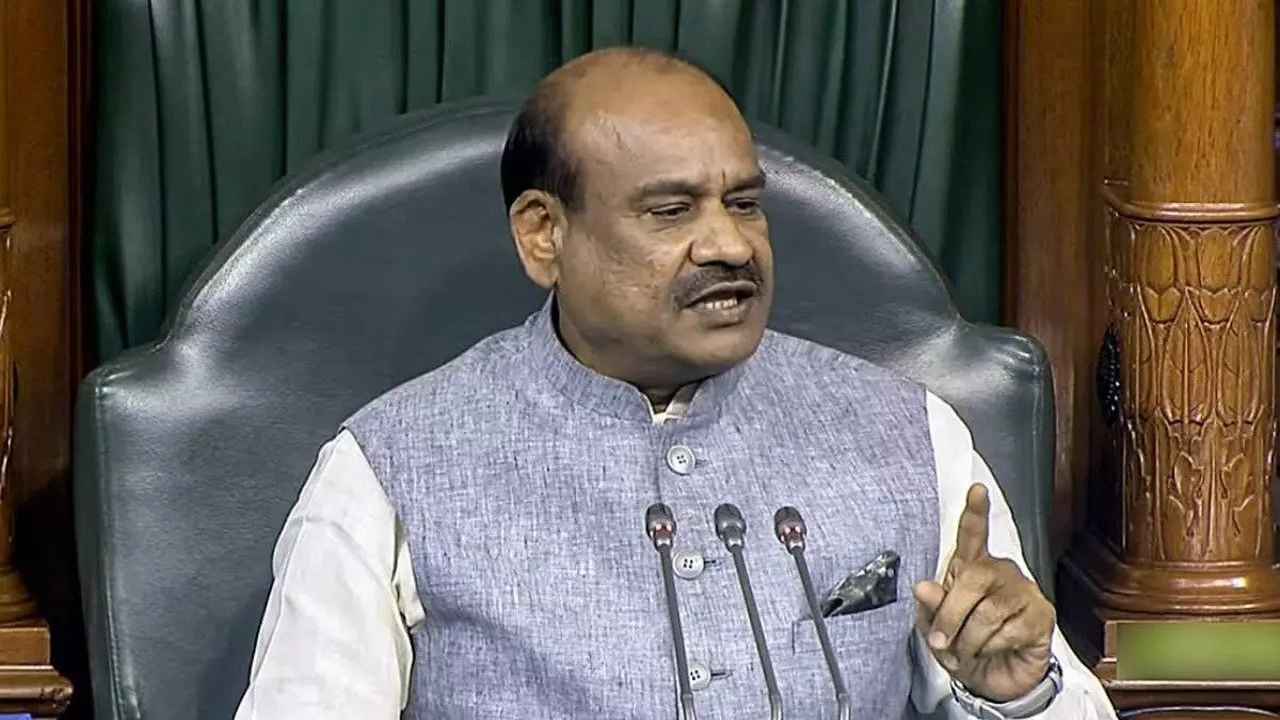

Om Birla likely to move motion to revoke suspension of 8 opposition MPs today

Pakistan airstrike allegations on Kabul hospital leave hundreds dead, claims Taliban

Mamata Banerjee writes to poll chief over officers’ reshuffle, calls move arbitrary

Maharashtra passes freedom of religion bill with jail term up to 10 years
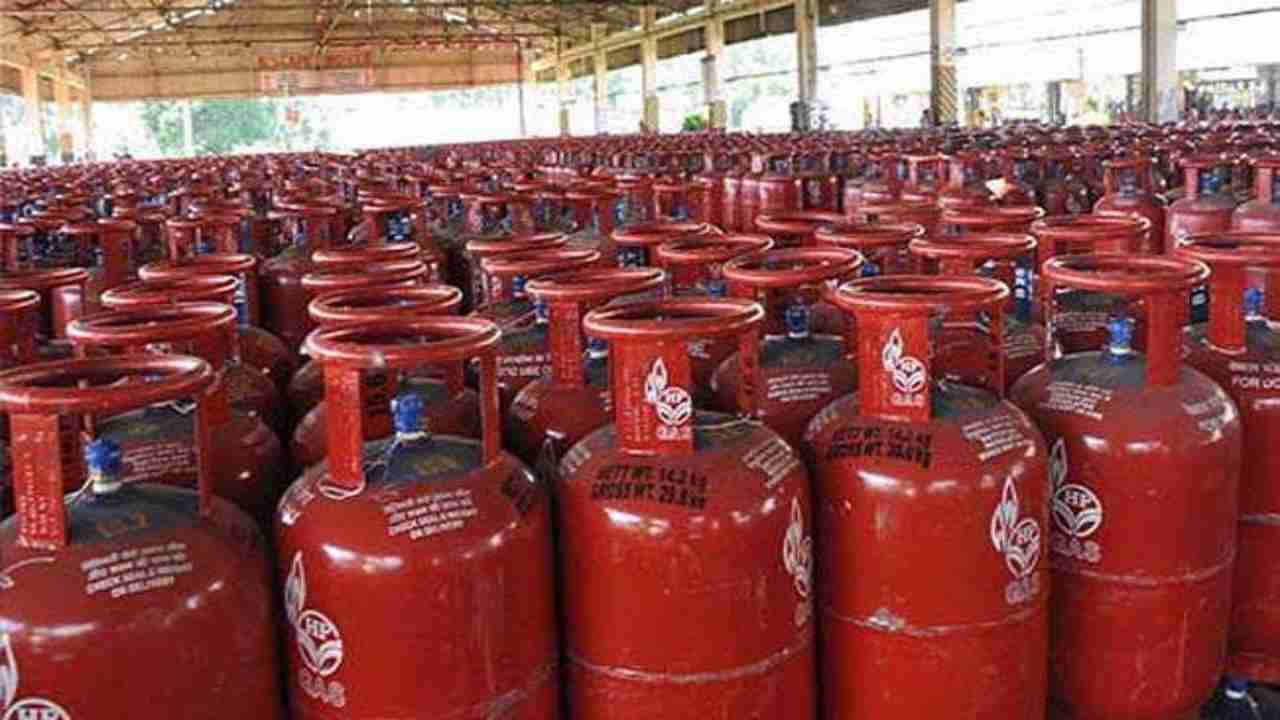
Centre assures action on LPG supply disruption, court closes distributors’ plea

Top US counterterrorism official resigns over Iran war, cites conscience

Mamata Banerjee warns BJP, EC over Bengal polls, says they will be accountable
Centre assures action on LPG supply disruption, court closes distributors’ plea
Om Birla likely to move motion to revoke suspension of 8 opposition MPs today
Maharashtra passes freedom of religion bill with jail term up to 10 years

Afghan Men Try To Hang With The Jet Engine Of The Aircraft in Kabul- Afghanistan News – Kabul News
Trending Top 10 News: 10000 Crore Fine on Flipkart, Apple to Launch Unique Feature, Hdfc Bank Job Ad

Trending Top 10 News: Nokia 6310, Apple sales, Bachpan ka Pyar Video Kid, Dainik Bhaskar IT Raid

Trending Top 10 News: Canada bans Indian flights, Rain in Delhi NCR, AIMIM Twitter hacked, Raj Kundra case

Trending Top 10 News: Shein India, Apple New Service, Pocket Oxygen, Oppo Launched New Phone
-
 India News18 hours ago
Om Birla likely to move motion to revoke suspension of 8 opposition MPs today
-
 India News19 hours ago
Pakistan airstrike allegations on Kabul hospital leave hundreds dead, claims Taliban
-
 India News19 hours ago
Mamata Banerjee writes to poll chief over officers’ reshuffle, calls move arbitrary
-
 India News19 hours ago
Maharashtra passes freedom of religion bill with jail term up to 10 years
-
India News10 hours ago
Centre assures action on LPG supply disruption, court closes distributors’ plea
-
 India News8 hours ago
Mamata Banerjee warns BJP, EC over Bengal polls, says they will be accountable
-
 Latest world news7 hours ago
Top US counterterrorism official resigns over Iran war, cites conscience
