
India News
India’s luxury train Deccan Odyssey makes a comeback, starting services on September 23
The train was inaugurated on September 21 around 1:30 pm at the CST Station in Mumbai but the operation will be starting from Saturday.

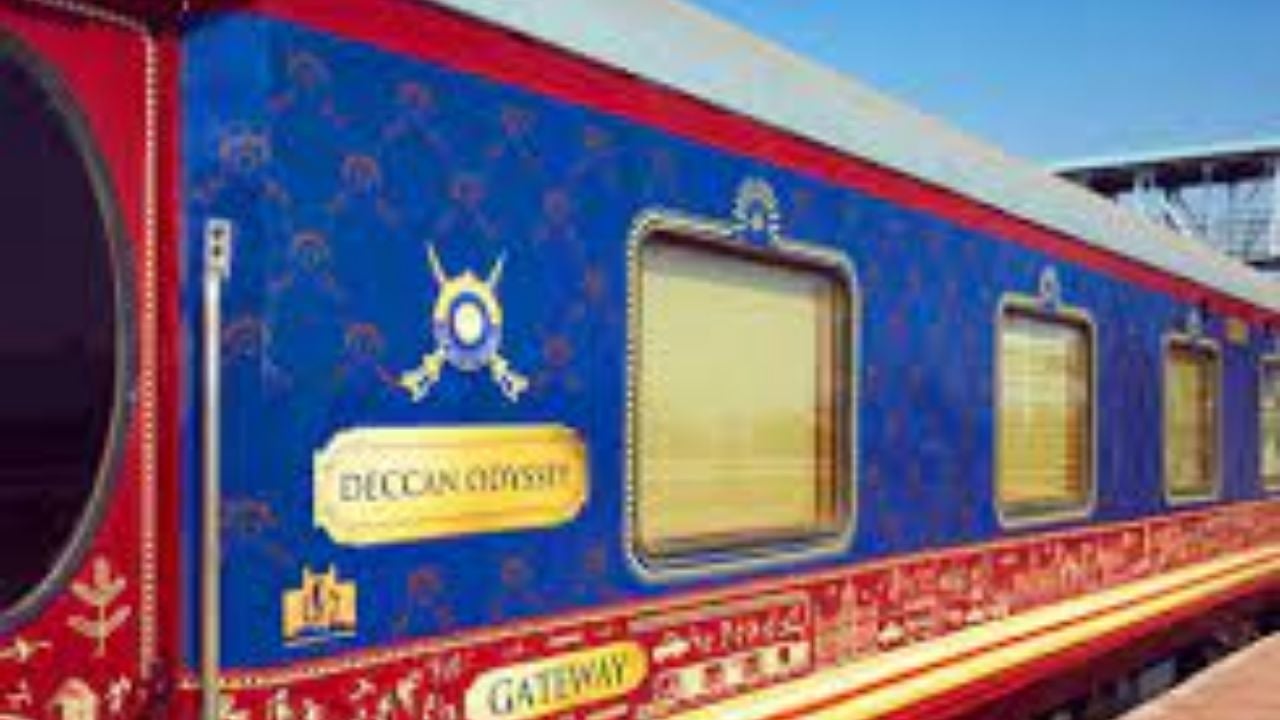
India’s luxury train Deccan Odyssey is all set to start its commercial services from September 23. It is a comeback for the Royal Train after 3 years. The operation of this train was stopped in March 2020 due to the Covid-19 pandemic.
The train was inaugurated on September 21 around 1:30 pm at the CST Station in Mumbai but the operation will be starting from Saturday.
According to the Maharashtra Tourism Development Corporation (MTDC) official, notable personalities such as Rahul Narvekar, Deepak Kesarkar, and Girish Mahajan attended the inauguration, with attempts being made to invite Chief Minister Eknath Shinde, Deputy Chief Minister Devendra Fadnavis, and Ajit Pawar as guests of honour.
The official said that after Covid-19, the first seven-day journey, will traverse through royal destinations including Vadodara, Udaipur, Jodhpur, Jaipur, Agra, Sawai Madhopur and culminate in New Delhi.
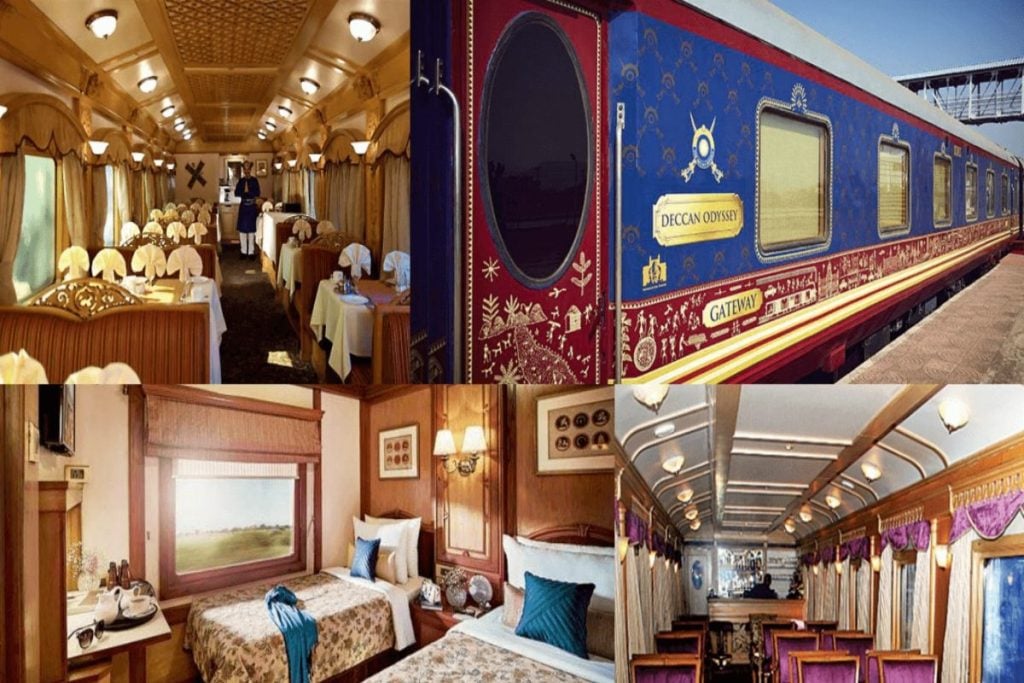
The MTDC operate the Deccan Odyssey Royal Train. The train provides a luxury service at a cost starting from Rs 6.5 lakh per person. The cost has been revised after the Covid-19 pandemic.
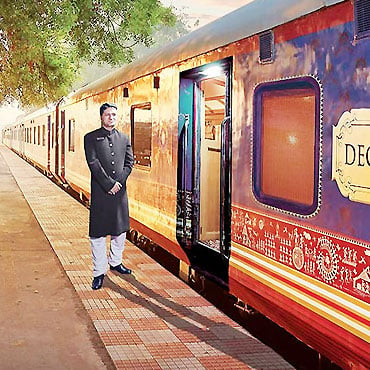
If a passenger books in a group of two people, the charges will cost around Rs 9 lakh for the royal experience.
To experience the grandeur of Maharashtra’s royal history, aboard the iconic Deccan Odyssey. The train features 21 coaches, with 11 dedicated to guests, as well as dining, conference, spa, and lounge coaches. MTDC has appointed a new tour operator to ensure seamless operations.
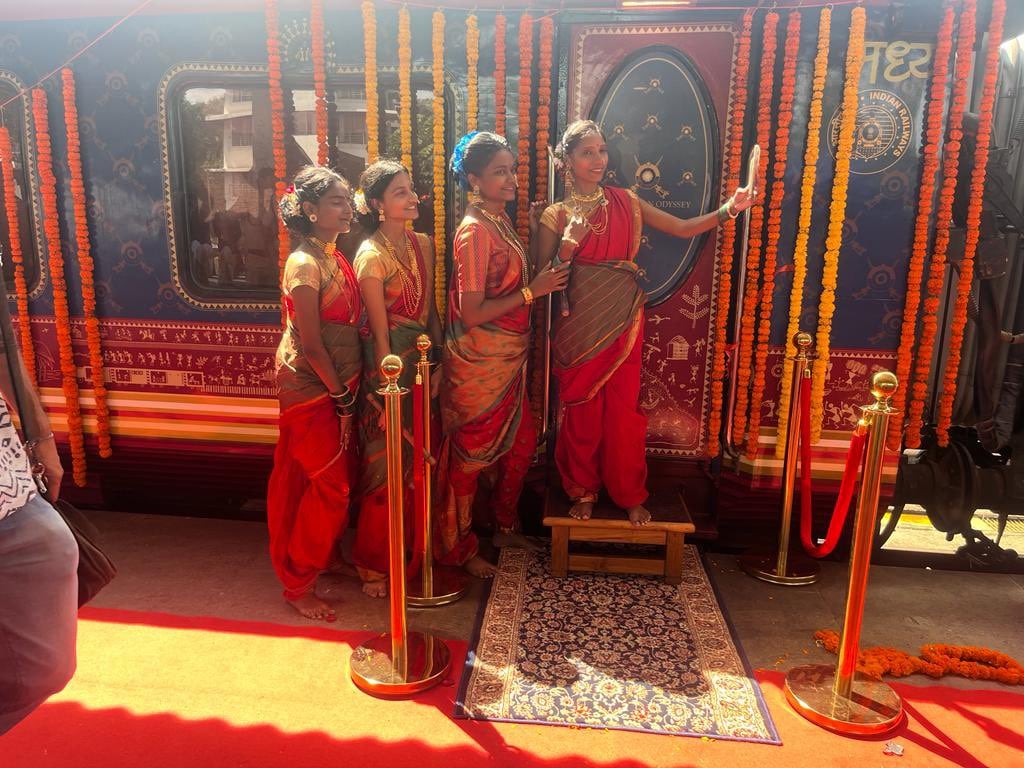
People can book now for the first trip after the COVID pandemic, with 25 seats already reserved out of a total capacity of around 80 persons.
The Deccan Odyssey showcases Maharashtra’s cultural heritage and scenic wonders, blending elegance and opulence for a luxurious travel experience.
The UNESCO (United Nations Educational, Scientific and Cultural Organization) recognised World Heritage site Ajanta Ellora Caves is also included in the Royal Train journey, people can experience this journey.
India News
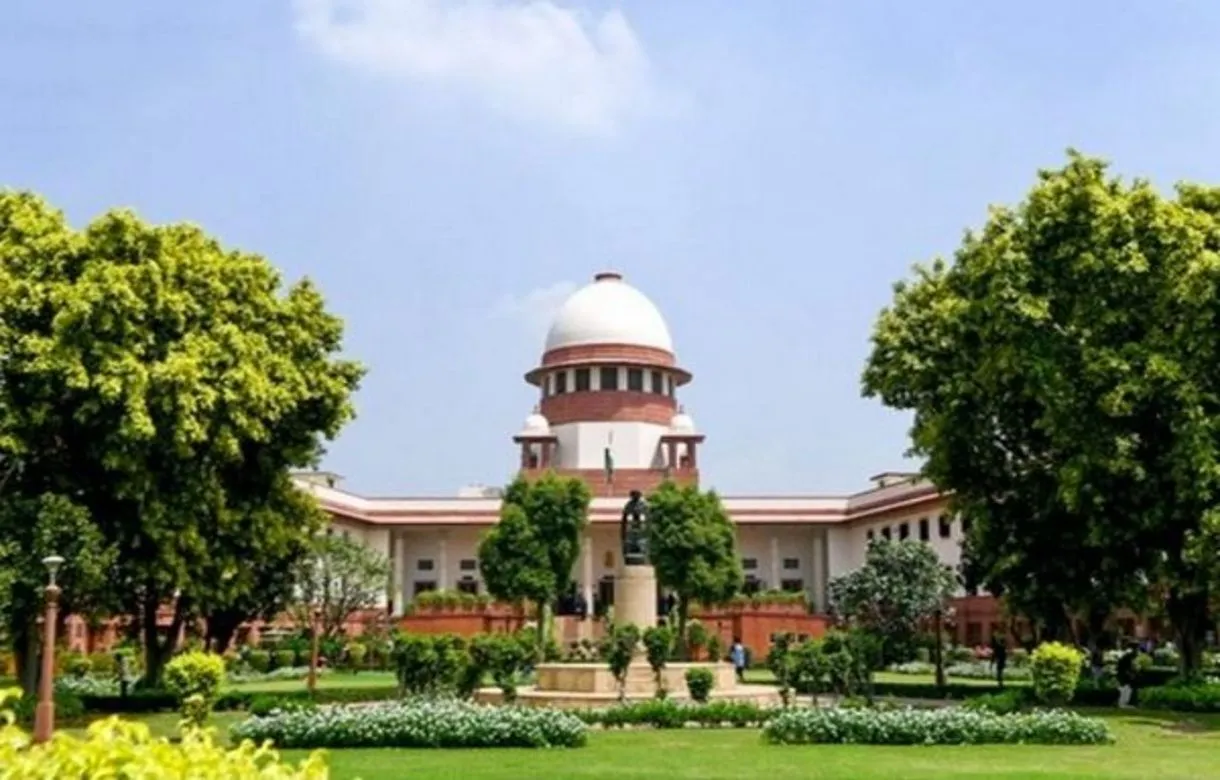
Supreme Court questions EC over missing records in Sringeri election dispute
The Supreme Court questioned the Election Commission over missing video footage of the 2023 counting in Karnataka’s Sringeri constituency. The case involves a revised result following a recount of postal ballots.

India News
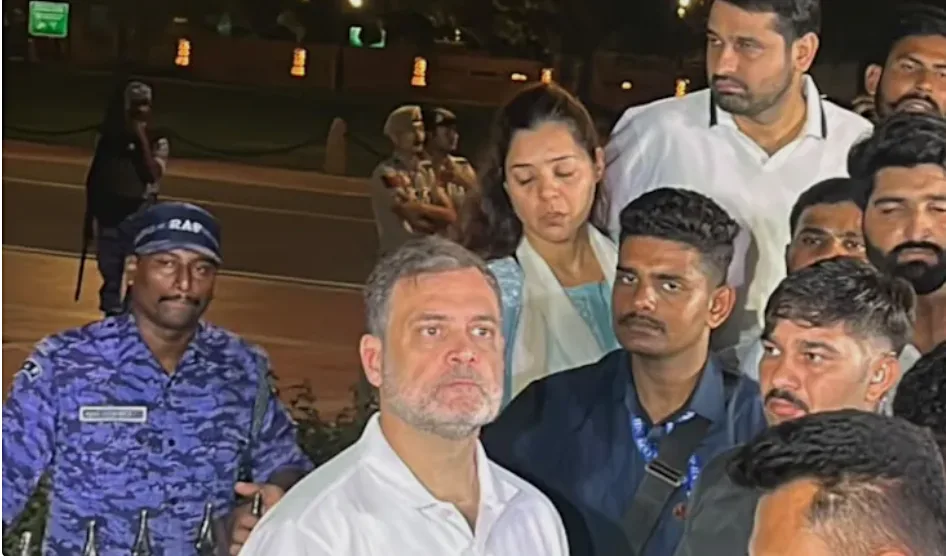
Rahul Gandhi joins India Gate protest by Ankita Bhandari’s parents
Rahul Gandhi joined the protest by Ankita Bhandari’s parents at India Gate in New Delhi on October 14. The demonstration has brought renewed attention to the 2022 murder case and the family’s concerns following Dushyant Gautam’s appointment as Sikkim Governor.
India News
Meerut murder: Muskaan Rastogi and Sahil Shukla get death sentence
A Meerut court has sentenced Muskaan Rastogi and Sahil Shukla to death in the blue drum murder case involving the killing of merchant navy officer Saurabh Rajput in March 2025.

CJP leaders Saurav Das, Ashutosh Ranka, Ajinkya Shinde sent to 5-day judicial custody

PM Modi speaks to Mark Carney as India and Canada push to strengthen ties

S Jaishankar says India is a natural option for Russia amid Europe tensions

Meerut murder: Muskaan Rastogi and Sahil Shukla get death sentence

Rahul Gandhi joins India Gate protest by Ankita Bhandari’s parents

Supreme Court questions EC over missing records in Sringeri election dispute
Rahul Gandhi joins India Gate protest by Ankita Bhandari’s parents
Meerut murder: Muskaan Rastogi and Sahil Shukla get death sentence
PM Modi speaks to Mark Carney as India and Canada push to strengthen ties
S Jaishankar says India is a natural option for Russia amid Europe tensions

Afghan Men Try To Hang With The Jet Engine Of The Aircraft in Kabul- Afghanistan News – Kabul News
Trending Top 10 News: 10000 Crore Fine on Flipkart, Apple to Launch Unique Feature, Hdfc Bank Job Ad

Trending Top 10 News: Nokia 6310, Apple sales, Bachpan ka Pyar Video Kid, Dainik Bhaskar IT Raid

Trending Top 10 News: Canada bans Indian flights, Rain in Delhi NCR, AIMIM Twitter hacked, Raj Kundra case

Trending Top 10 News: Shein India, Apple New Service, Pocket Oxygen, Oppo Launched New Phone
-
 India News20 hours ago
CJP leaders Saurav Das, Ashutosh Ranka, Ajinkya Shinde sent to 5-day judicial custody
-
 India News20 hours ago
PM Modi speaks to Mark Carney as India and Canada push to strengthen ties
-
 Latest world news20 hours ago
S Jaishankar says India is a natural option for Russia amid Europe tensions
-
 India News9 hours ago
Meerut murder: Muskaan Rastogi and Sahil Shukla get death sentence
-
 India News9 hours ago
Rahul Gandhi joins India Gate protest by Ankita Bhandari’s parents
-
 India News8 hours ago
Supreme Court questions EC over missing records in Sringeri election dispute
