
India News
Delhi air pollution at “severe-plus emergency” level as people flout firework restrictions


[vc_row][vc_column][vc_column_text]Brazen and reckless bursting of crackers right through the day and till late in the night in violation of Supreme Court orders on Diwali yesterday (Wednesday, November 7) plunged Delhi-NCR into a thick haze of smog with air pollution entering the ‘severe-plus emergency’ category today.
The national capital recorded its worst air quality of the year on Thursday morning, authorities were quoted as saying by PTI.
In a gross violation of a Supreme Court order, people in several cities burst firecrackers throughout the day and this went on until at least midnight, against the apex court order of a two-hour time slot from 8pm to 10pm.
Violations were also recorded in Mumbai, Kolkata, Jaipur and other major cities, said media reports.
Partly as a result of smoke from the firecrackers, the overall air quality index in Delhi jumped to 574 which falls in the “severe-plus emergency” category, according to data by the Centre-run SAFAR (System of Air Quality and Weather Forecasting And Research).

On Thursday morning, Anand Vihar recorded the overall Air Quality Index AQI at 999 (hazardous) with PM2.5 level at 999 and PM10 level at 999. AQI in several parts of the Delhi and its nearby areas was similar.
The air quality started deteriorating rapidly from 7 pm on Wednesday. The AQI was 281 at 7 pm. It rose to 291 at 8 pm and further deteriorated to 294 at 9 pm and 296 at 10 pm, according to the CPCB.
In DelhiPolice action for violating fireworks restrictions, 562 cases were registered for violations in general, legal action was taken against 24 juveniles,72 cases were registered under Explosive Act and 87 persons arrested for illegal sale of firecrackers, reported The Indian Express.
The Supreme Court had allowed bursting of firecrackers from 8 pm to 10 pm only on Diwali and other festivals. It had also allowed the manufacture and sale of only “green crackers”, which have a low light and sound emission and less harmful chemicals.
The court had asked the police to ensure that banned firecrackers were not sold and said in case of any violation, the station house officer (SHO) of the police station concerned would be held personally liable and it would amount to committing contempt of court.
Several areas showed a spike in air pollution. Areas like Anand Vihar, ITO and Jahangirpuri recorded very high pollution levels.

In Delhi University North campus area, PM2.5 level hit 2000.

Violations of the Supreme Court order were reported from Mayur Vihar Extension, Lajpat Nagar, Lutyens Delhi, IP extension, Dwarka, Noida Sector 77 and 78 among other places.
The online indicators of the pollution monitoring stations in the city indicated “poor” and “very poor” air quality as the volume of ultra-fine particulates PM2.5 and PM10, which enter the respiratory system and manage to reach the bloodstream, sharply rose from around 8 pm.
An AQI between 0 and 50 is considered “good”, 51 and 100 “satisfactory”, 101 and 200 “moderate”, 201 and 300 “poor”, 301 and 400 “very poor”, and 401 and 500 “severe”. Above 500 is “severe-plus emergency” category.
A ‘severe plus emergency’ air quality index (AQI) essentially means that even healthy people may suffer from respiratory illnesses on a prolonged exposure to such air. This air will seriously affect those with ailments, according to the advisory issued by SAFAR.
Read More:
-
SC bans plying of 15 year old petrol and 10 year old diesel vehicles in Delhi-NCR
-
Bursting of crackers on Diwali: No blanket ban, but SC lays down restrictions for all festivals
These indices measure the concentration of tiny poisonous particulate matter. A high level of tiny particulate matter can lodge deep into the lungs, even enter blood stream. and cause major health problems. In recent weeks Delhi doctors have reported an increase in the number of patients with respiratory problems due to a rise in pollution levels from burning crop residue, vehicle exhausts and industrial gases.
For a second successive year, New Delhi’s chief minister has likened the city to a “gas chamber”. Around this time last year, he declared a public health crisis, shutting down schools for a week and told residents to remain indoors.[/vc_column_text][/vc_column][/vc_row]





India News
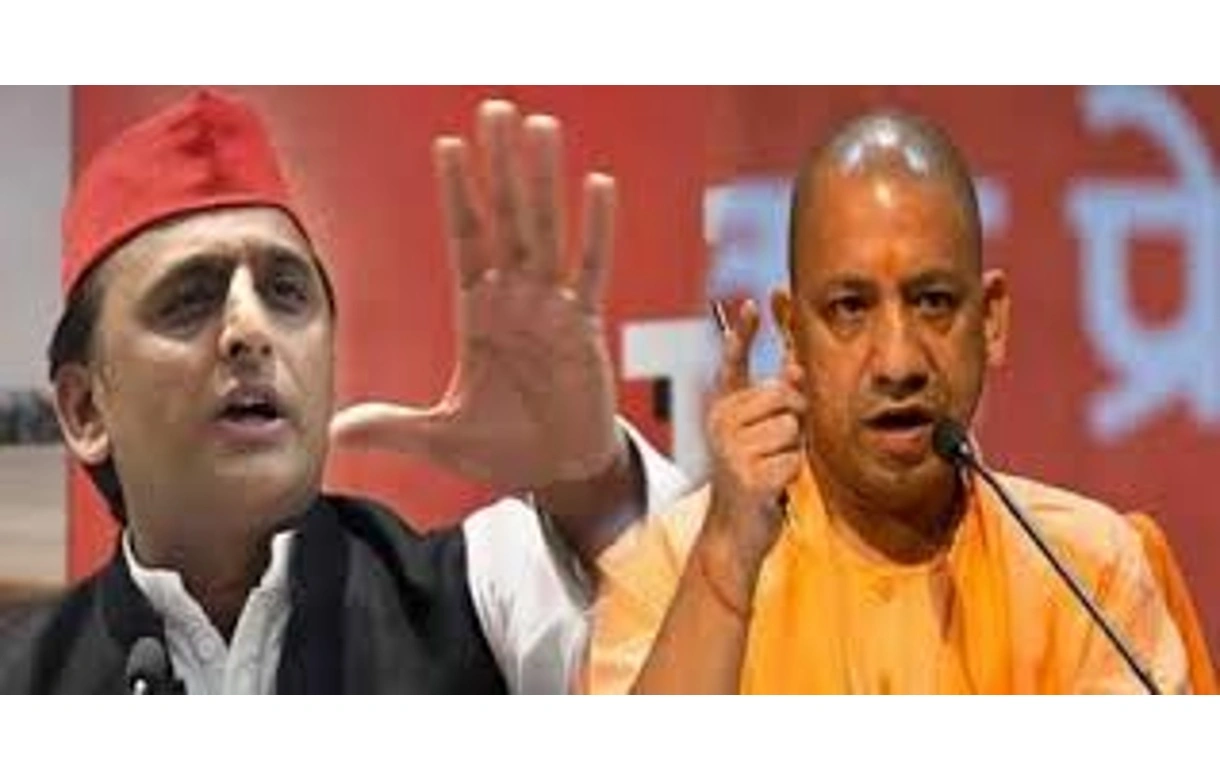
BJP focuses on religion as opposition pushes BDM strategy in UP
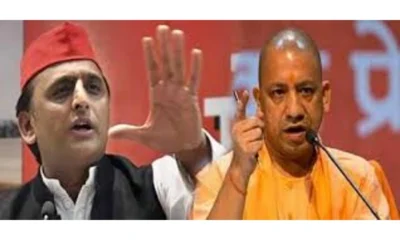
The BJP is emphasising religious issues ahead of the Uttar Pradesh Assembly elections, while opposition parties are seeking to consolidate Backward, Dalit and Minority voters. Recent exchanges involving Yogi Adityanath, Akhilesh Yadav and Asaduddin Owaisi have added to the political contest over the state’s electoral narrative.

India News
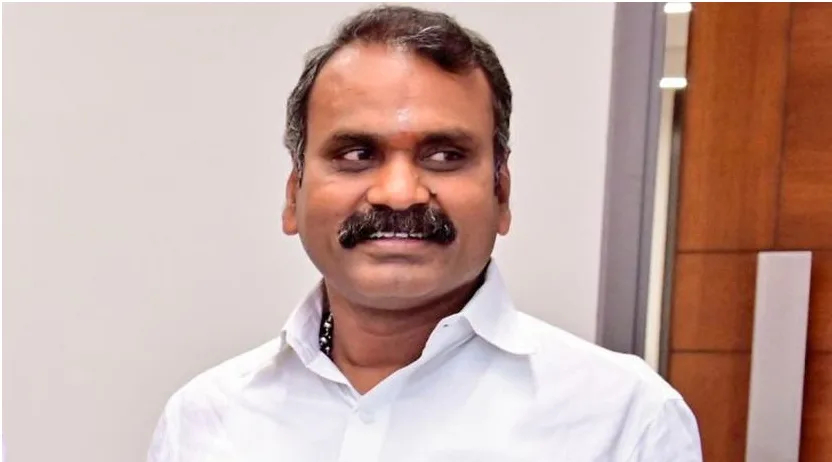
L Murugan quits Union ministry to strengthen BJP in Tamil Nadu
L Murugan has resigned from his Union ministerial post and Rajya Sabha membership, saying he wants to return to grassroots politics and dedicate himself to strengthening the BJP in Tamil Nadu before the 2029 Lok Sabha elections.
India News
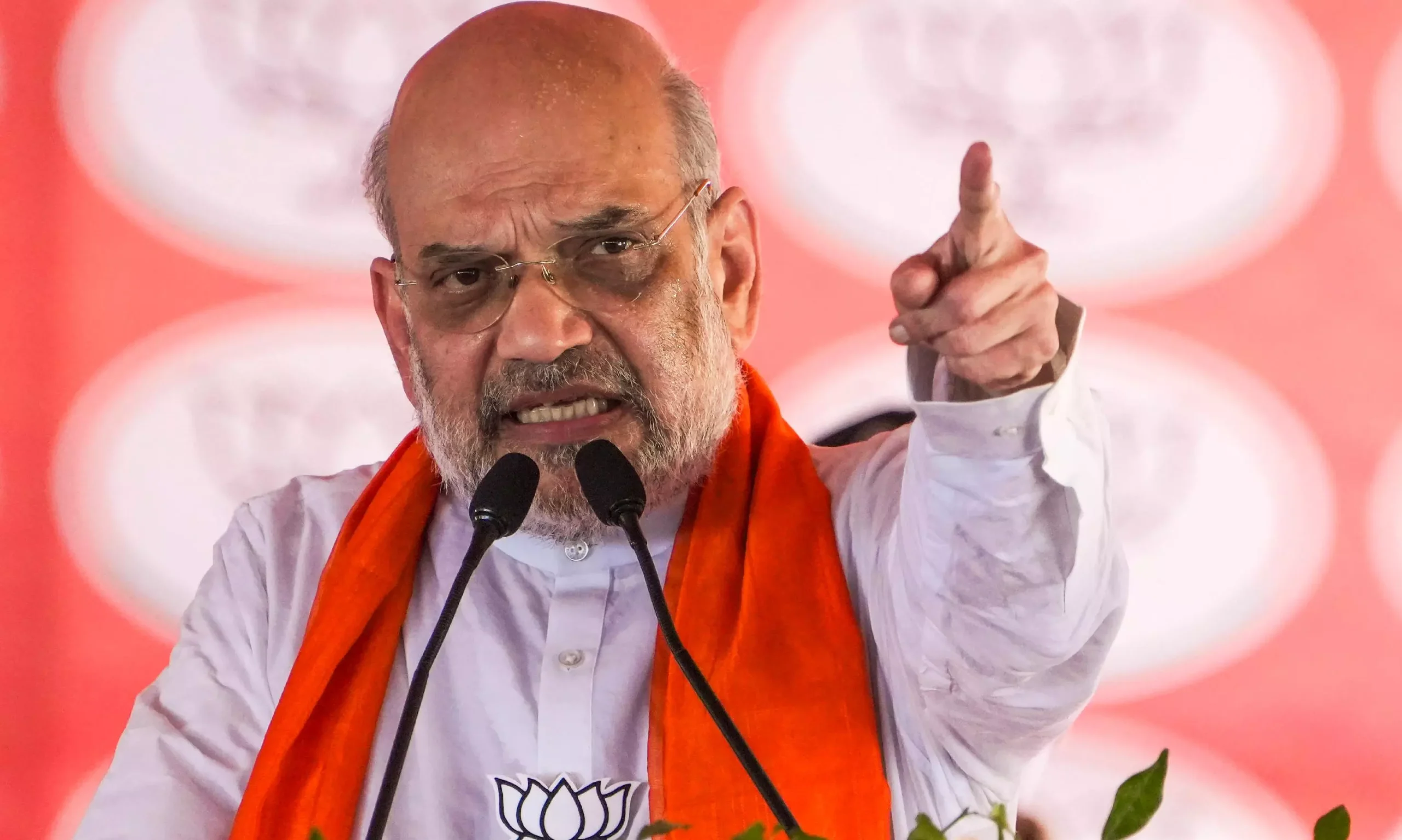
Amit Shah attacks Rahul Gandhi over Congress poll losses, questions SIR row
Union Home Minister Amit Shah criticised Rahul Gandhi over the Opposition’s allegations concerning the Special Intensive Revision (SIR) of electoral rolls. Shah argued that the Congress had been losing elections before the exercise began after 2024 and cited the BJP’s victories in Gujarat’s civic polls.

CJP claims Saurav Das, Ashutosh Ranka detained at Jantar Mantar

Supreme Court stays defamation case against Rahul Gandhi over PM Modi remarks

Rahul Gandhi hosts high tea for INDIA bloc after Gyanesh Kumar protests

L Murugan quits Union ministry to strengthen BJP in Tamil Nadu

Amit Shah attacks Rahul Gandhi over Congress poll losses, questions SIR row

BJP focuses on religion as opposition pushes BDM strategy in UP
L Murugan quits Union ministry to strengthen BJP in Tamil Nadu
Amit Shah attacks Rahul Gandhi over Congress poll losses, questions SIR row
Rahul Gandhi hosts high tea for INDIA bloc after Gyanesh Kumar protests
Supreme Court stays defamation case against Rahul Gandhi over PM Modi remarks

Afghan Men Try To Hang With The Jet Engine Of The Aircraft in Kabul- Afghanistan News – Kabul News
Trending Top 10 News: 10000 Crore Fine on Flipkart, Apple to Launch Unique Feature, Hdfc Bank Job Ad

Trending Top 10 News: Nokia 6310, Apple sales, Bachpan ka Pyar Video Kid, Dainik Bhaskar IT Raid

Trending Top 10 News: Canada bans Indian flights, Rain in Delhi NCR, AIMIM Twitter hacked, Raj Kundra case

Trending Top 10 News: Shein India, Apple New Service, Pocket Oxygen, Oppo Launched New Phone
-
 India News21 hours ago
CJP claims Saurav Das, Ashutosh Ranka detained at Jantar Mantar
-
 India News20 hours ago
Supreme Court stays defamation case against Rahul Gandhi over PM Modi remarks
-
 India News12 hours ago
Rahul Gandhi hosts high tea for INDIA bloc after Gyanesh Kumar protests
-
 India News11 hours ago
L Murugan quits Union ministry to strengthen BJP in Tamil Nadu
-
 India News11 hours ago
Amit Shah attacks Rahul Gandhi over Congress poll losses, questions SIR row
-
 India News10 hours ago
BJP focuses on religion as opposition pushes BDM strategy in UP
