English हिन्दी
Connect with us

India News

Delhi AQI drops to 78 after record October rain brings winter chill

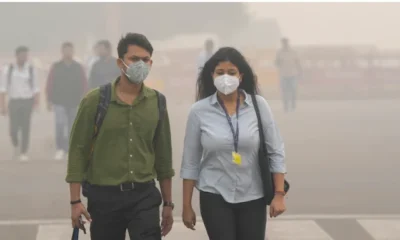
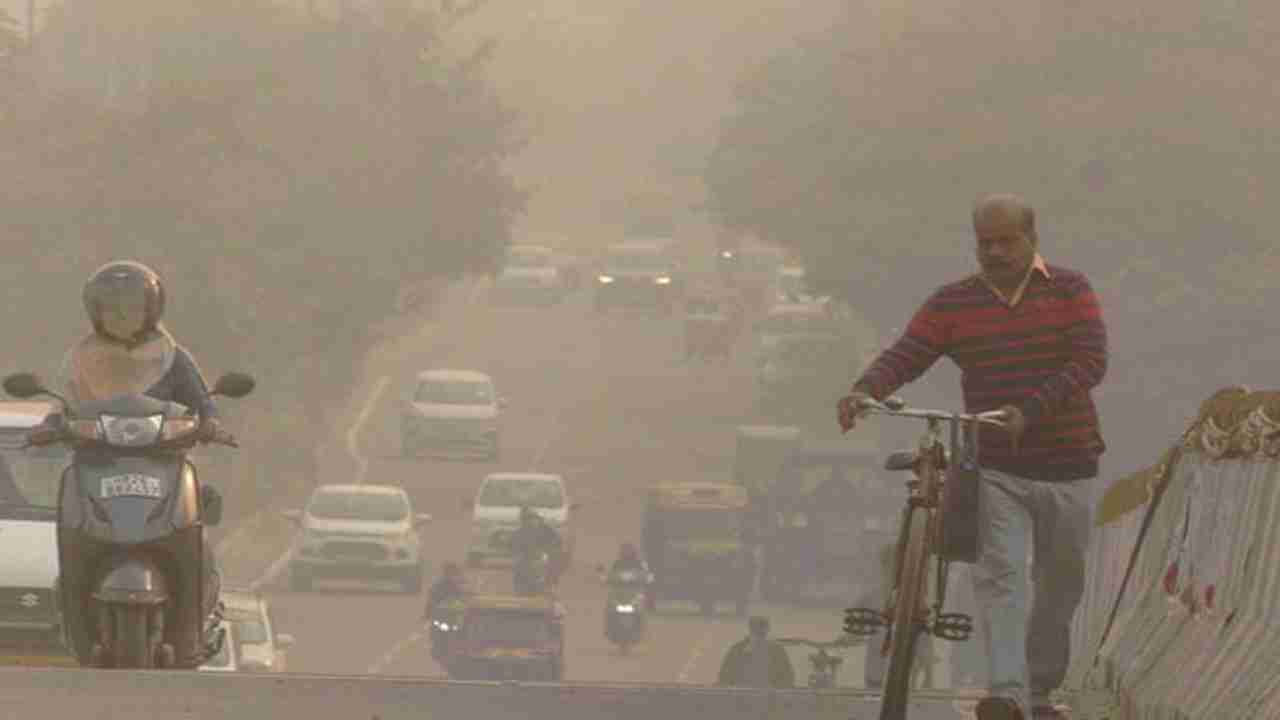
Delhi’s Air Quality Index (AQI) improved from 363 to 78 within 24 hours after widespread rainfall brought cooler temperatures to the national capital. The city also recorded its wettest October day in four years.

Published

on

Delhi weather today

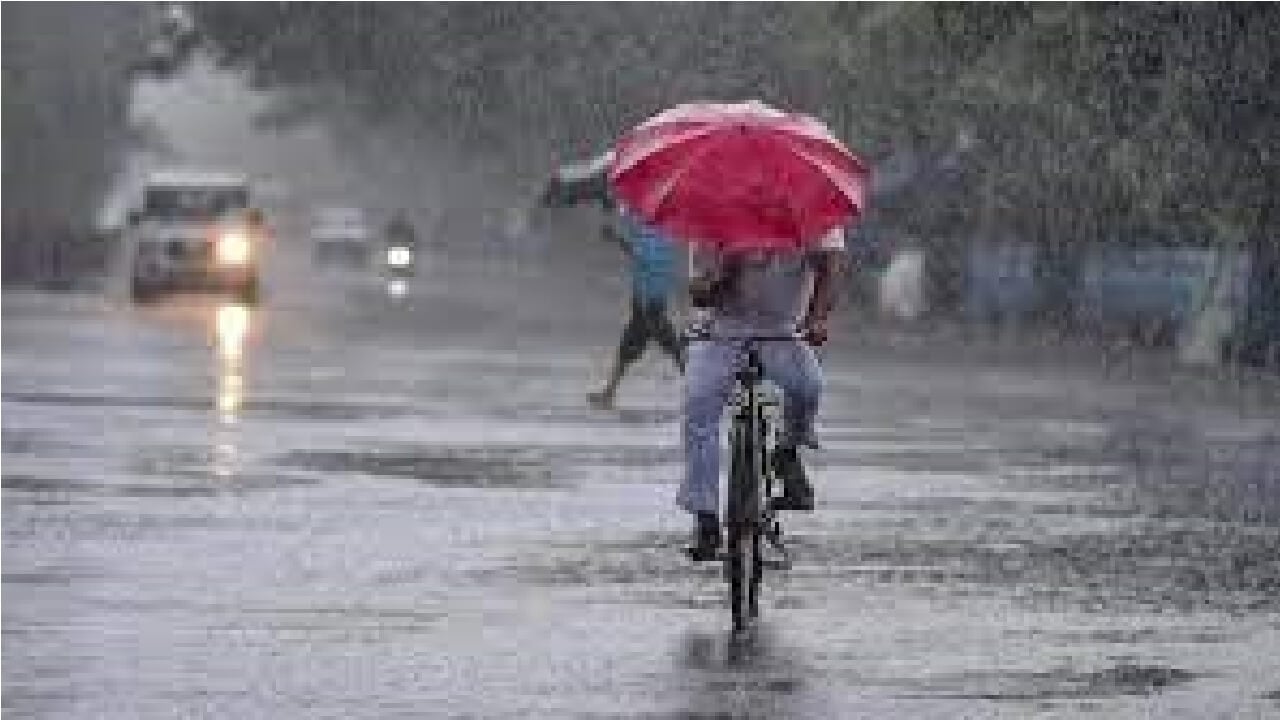
Delhi witnessed a dramatic improvement in air quality on Friday after overnight rainfall brought down pollution levels and temperatures across the national capital. The Air Quality Index (AQI) dropped from 363 on Thursday morning to 78 on Friday morning, moving from the severe category to the satisfactory category within 24 hours, according to data provided by AQI.in.

The widespread rainfall also brought an early winter-like chill to Delhi, offering relief from the relatively warmer conditions experienced earlier in the week.

The downpour was significant enough to make Friday the wettest October day in Delhi in four years. According to India Meteorological Department (IMD) data, the Safdarjung weather station recorded 61.4 mm of rainfall in the 24-hour period ending Friday morning.

What caused the sudden rainfall in Delhi?

According to the IMD, the unusual weather conditions resulted from the interaction of multiple weather systems.

A western disturbance positioned over the Western Himalayas combined with an induced cyclonic circulation over South Punjab. Meanwhile, winds originating from the Bay of Bengal, influenced by the remnants of Cyclone Arnab, also reached Delhi.

These weather systems converged over Delhi-NCR and neighbouring regions, resulting in widespread and unseasonal rainfall.

Mahesh Palawat, Vice President of Meteorology and Climate Change at Skymet Weather Services, explained that the interaction between the western disturbance, cyclonic circulation and winds from the Bay of Bengal contributed to the rainfall across northwest India, including Delhi, Punjab, Haryana and East Rajasthan.

He noted that such rainfall is unusual for this time of the year, as winter rainfall in northwest India generally occurs under the influence of western disturbances during November and December.

Delhi temperatures drop after overnight rain

The rainfall also resulted in a significant decline in temperatures across the national capital.

Maximum temperatures fell by 4 to 6 degrees Celsius over a 24-hour period, remaining considerably below seasonal averages.

Delhi’s Safdarjung weather station recorded a maximum temperature of 25.4 degrees Celsius, which was 5.6 degrees below normal. It was also the lowest maximum temperature recorded for an October day in four years.

Minimum temperatures across Delhi remained between 15 degrees Celsius and 18 degrees Celsius.

Safdarjung recorded a minimum temperature of 17.2 degrees Celsius, around 1.1 degrees above normal. Meanwhile, Palam registered 15.4 degrees Celsius and the Ridge recorded 16.8 degrees Celsius.

The IMD forecast that maximum temperatures would remain between 24 and 26 degrees Celsius on October 30 before gradually rising towards normal levels over the following days.

Will Delhi’s air quality deteriorate again?

Despite the significant improvement, the relief from pollution may not last long.

Mahesh Palawat said widespread rainfall had helped bring down pollutants and improve air quality across the region. However, he cautioned that pollution levels could increase again once the skies clear and temperatures rise.

According to him, air quality could return to the poor category after a day or two as weather conditions change. He also indicated that pollution could deteriorate further during the second week of November as Diwali approaches.

The improvement in AQI, therefore, offers temporary relief rather than a permanent solution to Delhi’s pollution problem.

IMD’s weather forecast for Delhi and other states

According to the IMD, weather conditions across Delhi-NCR are expected to gradually become drier.

The national capital is likely to experience partly cloudy skies on October 31 and November 1, followed by clearer conditions. Daytime temperatures are expected to return to the 28 to 31 degrees Celsius range.

Meanwhile, several other parts of the country are likely to experience rainfall during the coming week.

In South Peninsular India, a low-pressure system over the South Andaman Sea is expected to develop into a depression over the Bay of Bengal. This could bring isolated very heavy rainfall to Coastal Andhra Pradesh and Yanam on November 2 and 3, along with widespread showers across Karnataka, Kerala and Tamil Nadu.

In Central India, Chhattisgarh is expected to receive fairly widespread rainfall, with isolated heavy showers accompanied by thunderstorms on November 2.

Parts of Bihar, Jharkhand, Odisha and Arunachal Pradesh are also likely to receive scattered light to moderate rainfall during early November.

As Delhi moves towards clearer weather conditions, the improvement in air quality will depend partly on how atmospheric conditions evolve after the recent spell of rain.

India News

Rahul Gandhi’s compromised PM post triggers sharp BJP attack

Rahul Gandhi’s post on the Trump-Xi-Putin meeting triggered a political clash, with the BJP accusing him of damaging India’s global image and questioning the Congress’s record on foreign policy.
Published

on

Rahul Gandhi

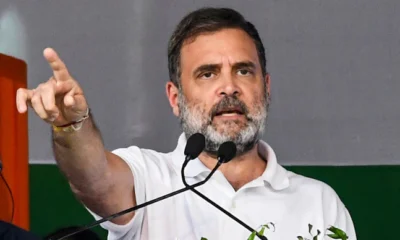
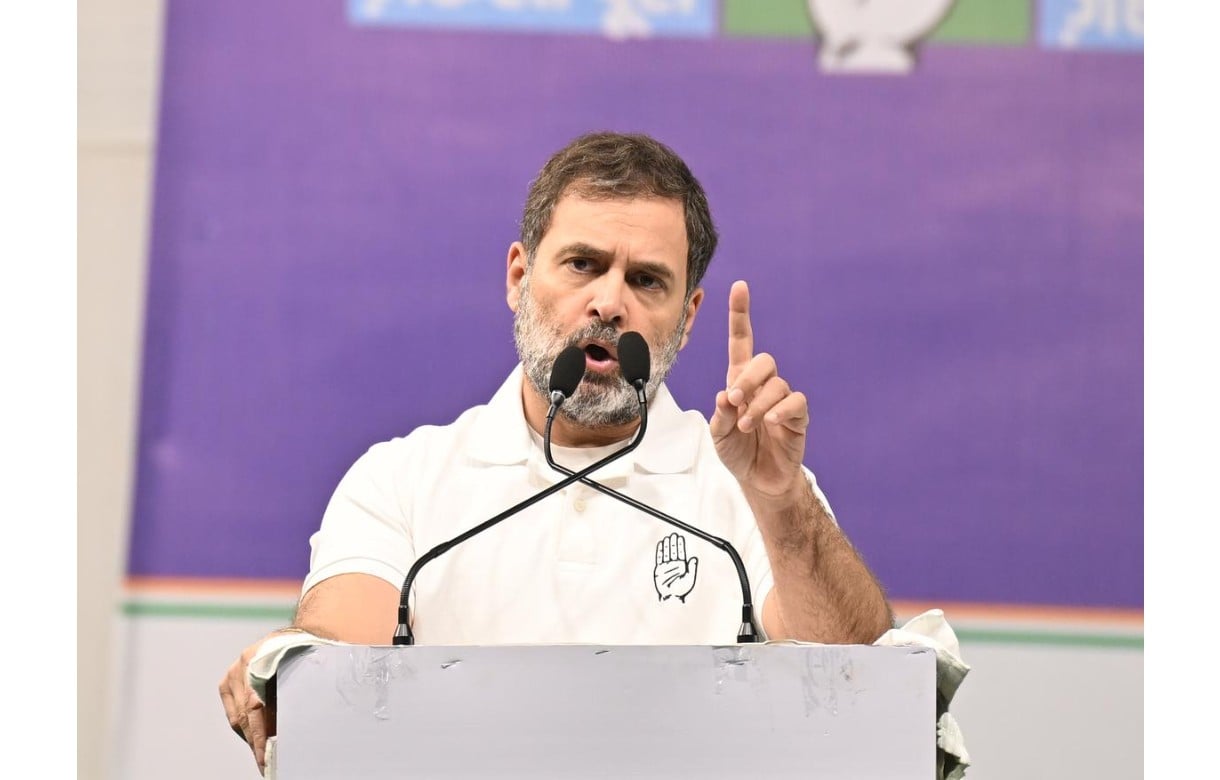
Congress leader and Leader of Opposition Rahul Gandhi triggered a political clash with the BJP after posting a picture from a rare meeting involving US President Donald Trump, Chinese President Xi Jinping and Russian President Vladimir Putin.

Reacting to the meeting, Mr Gandhi said that if the Congress were in power, India’s Prime Minister would have been sitting at the table with the three leaders. He added that a “compromised PM” could never sit at that table.

The post drew a strong response from the BJP, which accused Mr Gandhi of projecting a negative image of India and questioned the Congress’s record on foreign policy.

Rahul Gandhi’s ‘compromised PM’ remark

Sharing the photograph of the Trump-Xi-Putin trilateral meeting on X, Mr Gandhi wrote: “If Congress were in power, India’s Prime Minister would be sitting at this table. A compromised PM can never sit at this table.”

The remark came amid an ongoing political exchange between the Congress and BJP over India’s position in global geopolitics and its diplomatic engagement with major powers.

BJP hits back at Rahul Gandhi

BJP spokesperson Tuhin Sinha accused the earlier Congress governments of compromising India’s interests while responding to Mr Gandhi’s post.

Mr Sinha cited the Shimla Agreement and the release of Pakistani prisoners of war under the Indira Gandhi government. He also referred to the Sharm-el-Sheikh statement during the tenure of former Prime Minister Manmohan Singh while making his argument against the Congress.

“It seems Rahul Gandhi is paid to defame India,” Mr Sinha said, according to the report.

Another BJP spokesperson, RP Singh, accused Mr Gandhi of promoting what he described as a negative narrative about India. He said India currently has a strong position in the global order and highlighted Prime Minister Narendra Modi’s relations with leaders across countries.

BJP-Congress clash over India’s global role

The latest exchange follows Mr Gandhi’s recent criticism of India’s role in international affairs. Speaking at the University of Chicago in the US, he had described India as becoming a “side player” while Pakistan was negotiating with Iran and the United States.

Mr Gandhi argued that India had traditionally maintained an independent approach to international relations, combining partnerships with its own understanding of global developments.

The BJP had earlier criticised those remarks as well. BJP spokesperson Pradeep Bhandari accused Mr Gandhi of being overly focused on Pakistan and described him as a “Pak Fanboy”.

The latest controversy has therefore added another layer to the ongoing BJP-Congress political battle over India’s foreign policy and its standing in global affairs.

Continue Reading

India News

Kashmir free of India-born terrorists after 35 years, says Amit Shah

Amit Shah said Kashmir is now free of India-born terrorists after 35 years following the killing of Lashkar-e-Taiba terrorist Lateef Bhat.
Published

on

Amit Shah

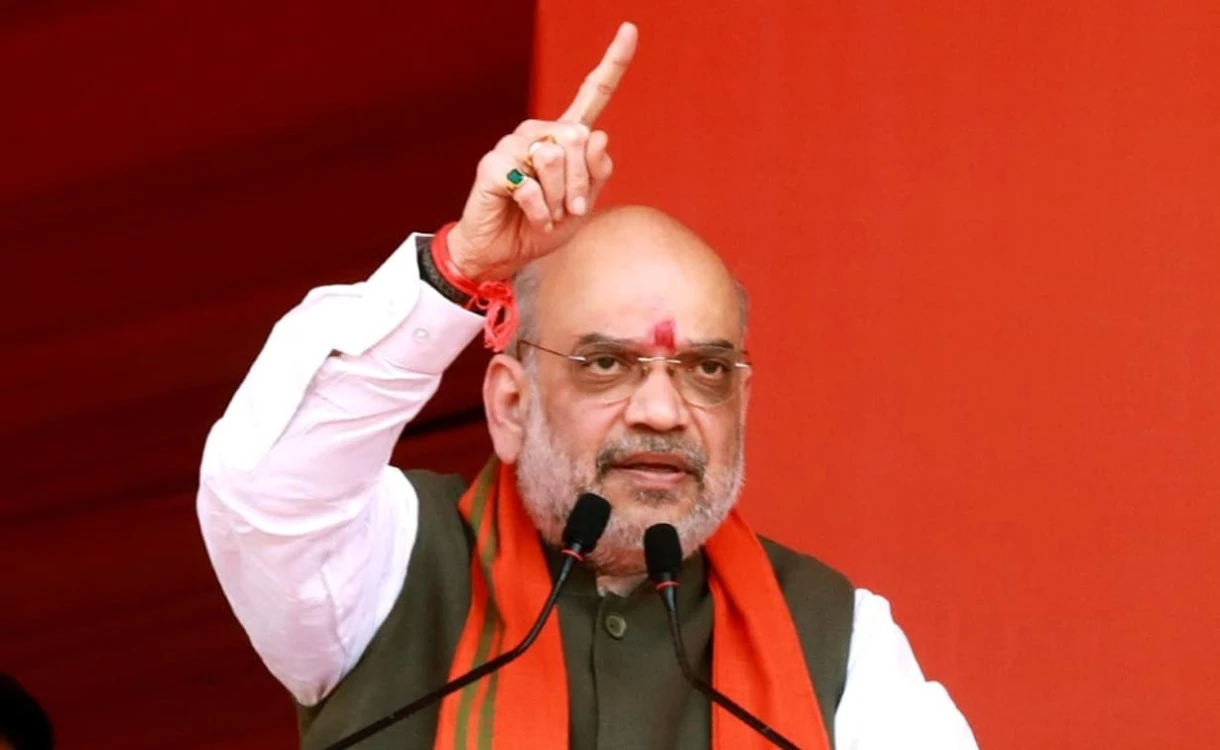
Union Home Minister Amit Shah said Kashmir has become free of India-born terrorists after 35 years, describing the development as a major milestone in the fight against terrorism.

Shah made the remarks while addressing the inaugural session of a two-day counter-terrorism conference organised by the National Investigation Agency in New Delhi. He credited Prime Minister Narendra Modi’s “zero-tolerance” policy towards terrorism for the results achieved on the ground.

What Amit Shah said on Kashmir

According to Shah, the killing of Lashkar-e-Taiba terrorist Lateef Bhat resulted in Kashmir becoming free from the presence of India-born terrorists.

“With the elimination of Lashkar terrorist Latif Bhat, the entire Kashmir has become free from the presence of India-born terrorists,” Shah said, adding that the situation had come about after 35 years.

Lateef Bhat was killed by security forces on Wednesday during an encounter in South Kashmir’s Kulgam district. As per the report he carried a reward of Rs. 15 lakh and was wanted in connection with a November 11 attack on a CRPF post that left three paramilitary personnel injured.

Shah calls for coordinated counter-terrorism action

The Home Minister said that merely targeting individual terrorists was not enough and stressed the need to investigate and dismantle the entire terrorist network.

He called for stronger coordination between the Centre and states and said police station-level intelligence should be transmitted through multiple levels to enable actionable intelligence at the level of the Director General of Police.

Shah also asked states to strengthen the cyber units of their Anti-Terrorism Squads and called for a proactive approach to counter-terrorism.

303 fugitives brought back since 2019

Shah said a special drive launched in 2019 to bring fugitives back to India has resulted in 303 fugitives being brought back from 36 countries.

He said such efforts were necessary to tackle terrorism, organised crime and drug-related offences, particularly by bringing back those who had taken shelter abroad.

Shah highlights PFI, Shahzad Bhatti network

The Home Minister also cited the dismantling of the Popular Front of India network as an example of coordinated action by police forces and central agencies. He said the operation involved forces from 11 states.

He further said the Shahzad Bhatti network had been designated a terrorist organisation under the Unlawful Activities (Prevention) Act. According to Shah, more than 40 of its modules had been dismantled, over 100 cases registered and more than 271 arrests made.

Shah said the fight against terrorism requires a shared objective, clear accountability and coordinated action against the entire network, including terror financing.

Continue Reading

India News

Cyclone Akvan weakens before landfall, Odisha and Andhra brace for heavy rain

Cyclone Akvan weakened into a cyclonic storm before its expected landfall near Gopalpur, with heavy rain and strong winds forecast across parts of Odisha, Andhra Pradesh and West Bengal.
Published

on

cyclone

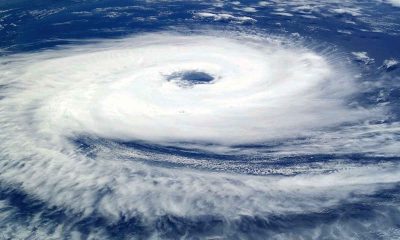
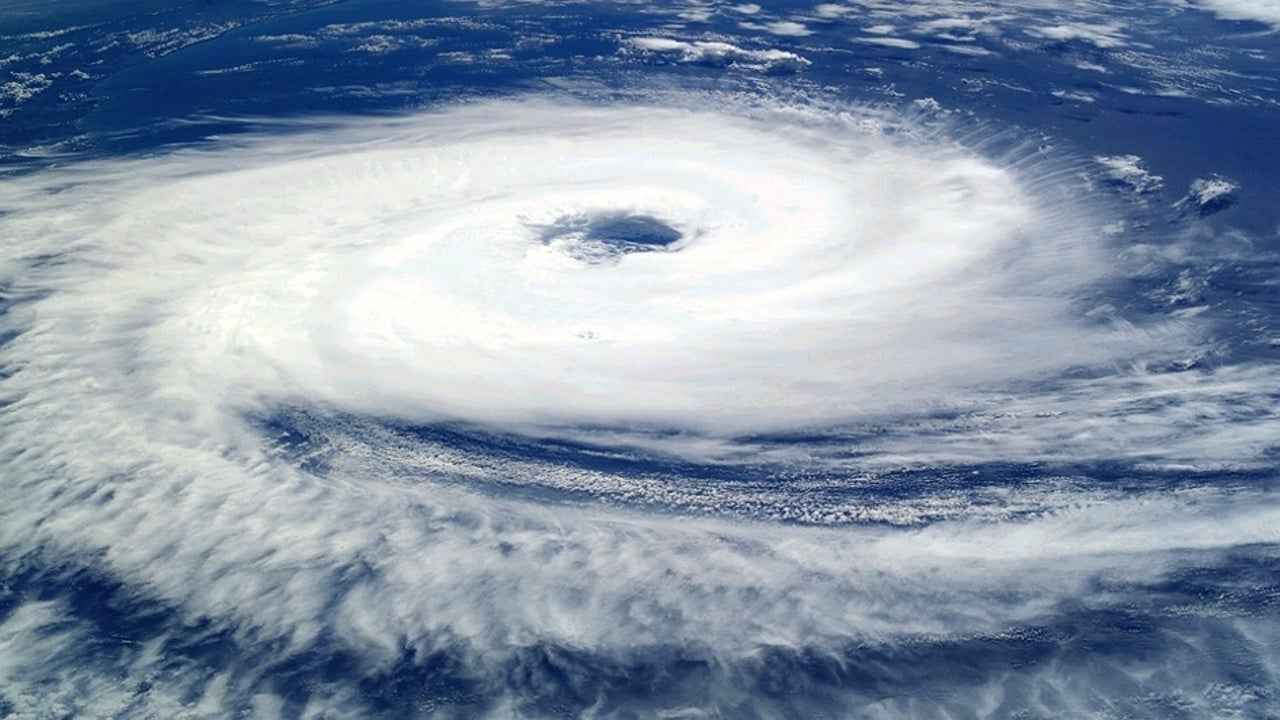
Cyclone Akvan weakened into a cyclonic storm on Friday as it moved towards the North Andhra Pradesh-South Odisha coast, with the India Meteorological Department (IMD) forecasting its crossing near Gopalpur.

According to the IMD, the system was centred over the west-central Bay of Bengal at 2:30 am on November 20. It was moving north-northwestwards at around 21 kmph. At that time, it was about 170 km south of Gopalpur and 170 km east of Visakhapatnam.

The weather department said the cyclone was likely to cross the North Andhra Pradesh-South Odisha coast close to Gopalpur by the forenoon of November 20. Maximum sustained winds were expected to be around 70-80 kmph, with gusts reaching 90 kmph.

Cyclone Akvan’s land interaction begins

The IMD said satellite imagery indicated that land interaction had already started, with the cloud mass associated with the cyclone entering coastal parts of North Andhra Pradesh and South Odisha.

The system was being monitored through Doppler weather radars at Visakhapatnam and Gopalpur.

The IMD’s forecast showed the system weakening further after crossing the coast. By the evening of November 20, it was expected to weaken into a deep depression, before becoming a well-marked low-pressure area by November 21.

Heavy rain forecast in Odisha, Andhra Pradesh

Odisha and coastal Andhra Pradesh remained among the areas facing significant weather warnings as Akvan approached the coast.

The IMD had warned of heavy to very heavy rainfall, including isolated extremely heavy rainfall in Odisha, while coastal Andhra Pradesh was also expected to receive intense rainfall in some areas.

Gangetic West Bengal was also expected to experience widespread rainfall, with heavy to very heavy rain possible at isolated locations.

Odisha evacuates thousands ahead of cyclone

Odisha authorities stepped up preparations as Akvan approached the coast. According to officials cited in the report, 2,98,676 people had been evacuated by Thursday evening and moved to 2,523 relief camps.

The state had also deployed rescue teams and set up cyclone shelters in vulnerable areas. 

The East Coast Railway cancelled and rescheduled several trains as a precaution, while other railway services were also affected by the approaching cyclone.

Continue Reading

Trending

© Copyright 2022 APNLIVE.com