
India News
Delhi Government tries Anti-Smog Guns to kill Air Pollution in the Capital

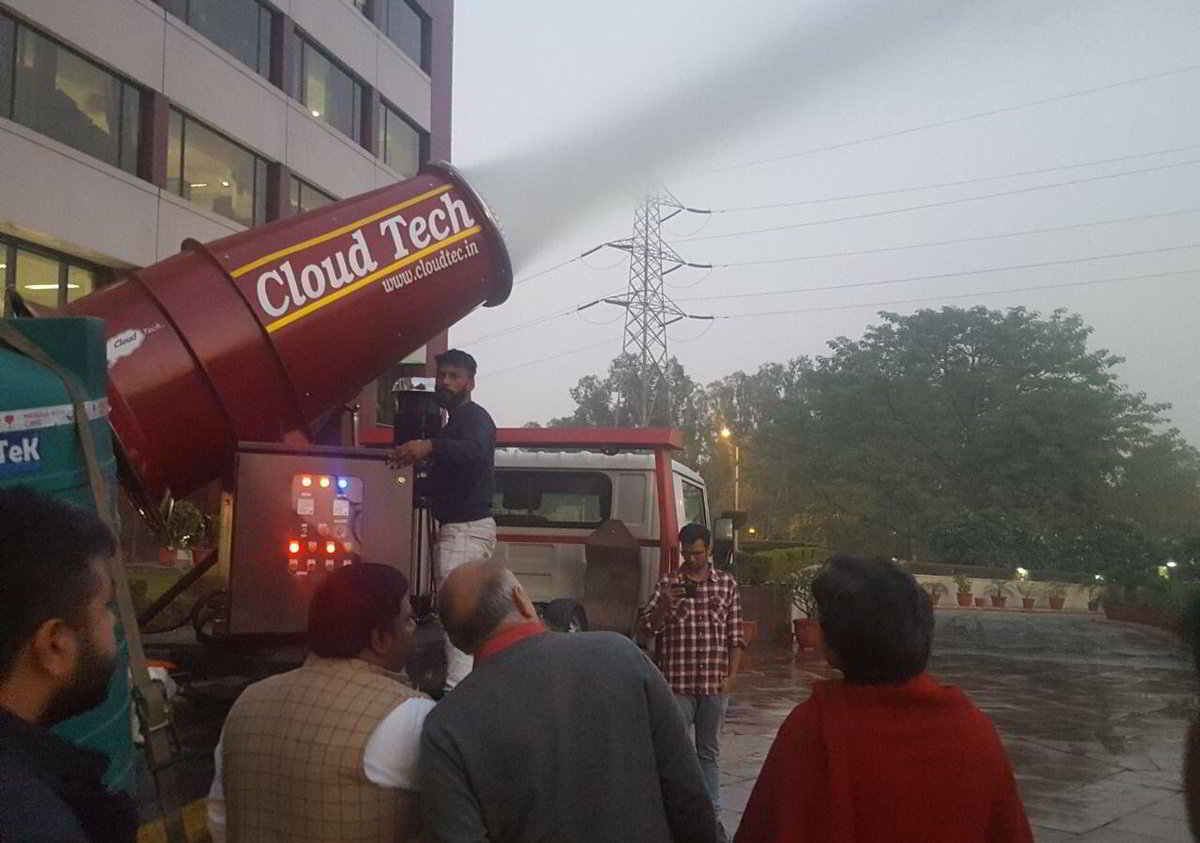
[vc_row][vc_column][vc_column_text]Struggling to find ways to deal with the problem of haze and air pollution in the capital, the Delhi government is trying out a novel technique: using ‘anti-smog guns’, which spray water droplets in the air to settle particulate matter, like rain does.
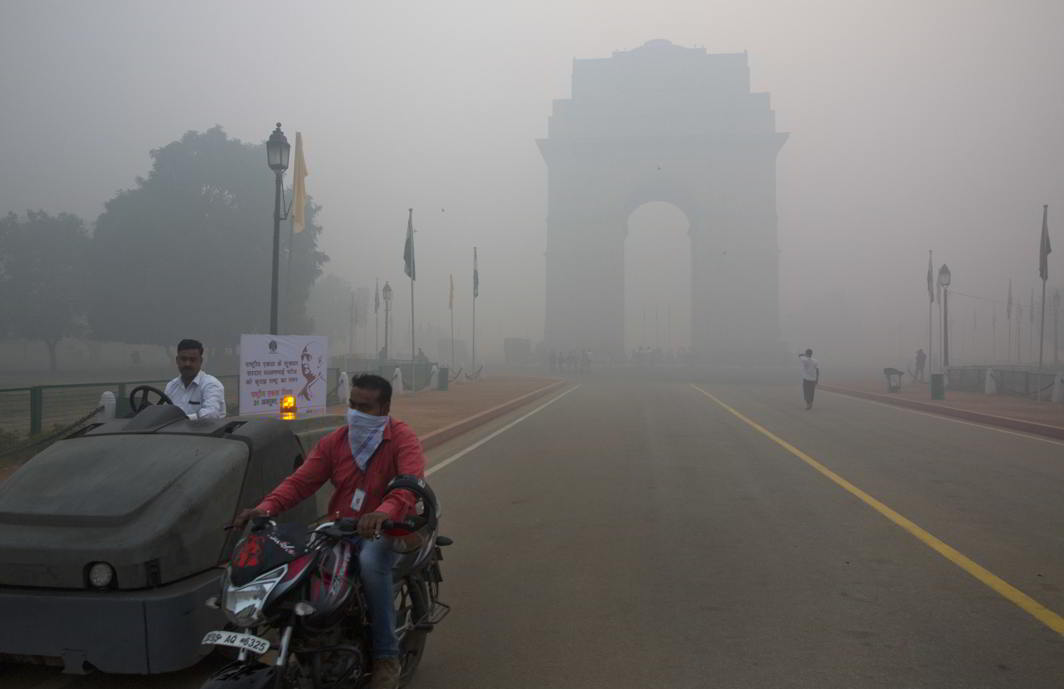
A trial of the anti-smog gun was held in East Delhi at Anand Vihar on Wednesday even as the air quality in the city deteriorated to ‘very poor’ levels and, in Anand Vihar, it entered the ‘severe’ zone with air quality index (AQI) touching 413. (See chart at the bottom for AQI categories).[/vc_column_text][vc_raw_html]JTNDYmxvY2txdW90ZSUyMGNsYXNzJTNEJTIydHdpdHRlci10d2VldCUyMiUyMGRhdGEtbGFuZyUzRCUyMmVuJTIyJTNFJTNDcCUyMGxhbmclM0QlMjJlbiUyMiUyMGRpciUzRCUyMmx0ciUyMiUzRURlbGhpJTNBJTIwQW50aS1zbW9nJTIwZ3VuJTIwYmVpbmclMjB0ZXN0ZWQlMjBuZWFyJTIwQW5hbmQlMjBWaWhhciUyMEJ1cyUyMFN0YXRpb24uJTIwQW5hbmQlMjBWaWhhciUyNiUyMzM5JTNCcyUyMEFRSSUyMHByZXNlbnRseSUyMCUyNiUyMzM5JTNCSGF6YXJkb3VzJTI2JTIzMzklM0IlMjBhdCUyMDQxNCUyMCUyOHNvdXJjZSUyMEFRSUNOJTI5JTIwJTNDYSUyMGhyZWYlM0QlMjJodHRwcyUzQSUyRiUyRnQuY28lMkZjckEyMzMxdGxrJTIyJTNFcGljLnR3aXR0ZXIuY29tJTJGY3JBMjMzMXRsayUzQyUyRmElM0UlM0MlMkZwJTNFJTI2bWRhc2glM0IlMjBBTkklMjAlMjglNDBBTkklMjklMjAlM0NhJTIwaHJlZiUzRCUyMmh0dHBzJTNBJTJGJTJGdHdpdHRlci5jb20lMkZBTkklMkZzdGF0dXMlMkY5NDMzNjMzNjYwNTkyNjE5NTIlM0ZyZWZfc3JjJTNEdHdzcmMlMjU1RXRmdyUyMiUzRURlY2VtYmVyJTIwMjAlMkMlMjAyMDE3JTNDJTJGYSUzRSUzQyUyRmJsb2NrcXVvdGUlM0UlMEElM0NzY3JpcHQlMjBhc3luYyUyMHNyYyUzRCUyMmh0dHBzJTNBJTJGJTJGcGxhdGZvcm0udHdpdHRlci5jb20lMkZ3aWRnZXRzLmpzJTIyJTIwY2hhcnNldCUzRCUyMnV0Zi04JTIyJTNFJTNDJTJGc2NyaXB0JTNFJTBB[/vc_raw_html][vc_column_text]In Delhi, pollution levels usually remain poor during winters primarily due to stubble burning from adjoining state and rapid drop in temperature.
Earlier on Monday, deputy chief minister Manish Sisodia and environment minister Imran Hussain had reviewed the trial of fog cannon to control dust particulate matter at the Delhi Secretariat.[/vc_column_text][vc_raw_html]JTNDYmxvY2txdW90ZSUyMGNsYXNzJTNEJTIydHdpdHRlci10d2VldCUyMiUyMGRhdGEtbGFuZyUzRCUyMmVuJTIyJTNFJTNDcCUyMGxhbmclM0QlMjJlbiUyMiUyMGRpciUzRCUyMmx0ciUyMiUzRUFudGktc21vZyUyMGd1biUyMGJ5JTIwRGVsaGklMjBHb3Zlcm5tZW50JTIwc3ByYXlpbmclMjB3YXRlciUyMGF0JTIwQW5hbmQlMjBWaWhhciUyMElTQlQlMjAtJTIwb25lJTIwb2YlMjBEZWxoaSUyNiUyMzM5JTNCcyUyMHBvbGx1dGlvbiUyMCUyMGhvdHNwb3RzJTIwLSUyMHRvJTIwaW1wcm92ZSUyMGFpciUyMHF1YWxpdHkuJTIwSXRzJTIwYSUyMHRyaWFsJTIwcnVuLiUyMCUzQ2ElMjBocmVmJTNEJTIyaHR0cHMlM0ElMkYlMkZ0LmNvJTJGQk40RkxtZG84MCUyMiUzRXBpYy50d2l0dGVyLmNvbSUyRkJONEZMbWRvODAlM0MlMkZhJTNFJTNDJTJGcCUzRSUyNm1kYXNoJTNCJTIwQUFQJTIwSW4lMjBOZXdzJTIwJTI4JTQwQUFQSW5OZXdzJTI5JTIwJTNDYSUyMGhyZWYlM0QlMjJodHRwcyUzQSUyRiUyRnR3aXR0ZXIuY29tJTJGQUFQSW5OZXdzJTJGc3RhdHVzJTJGOTQzMzQ5MzQ1MTkzMjY3MjAwJTNGcmVmX3NyYyUzRHR3c3JjJTI1NUV0ZnclMjIlM0VEZWNlbWJlciUyMDIwJTJDJTIwMjAxNyUzQyUyRmElM0UlM0MlMkZibG9ja3F1b3RlJTNFJTBBJTNDc2NyaXB0JTIwYXN5bmMlMjBzcmMlM0QlMjJodHRwcyUzQSUyRiUyRnBsYXRmb3JtLnR3aXR0ZXIuY29tJTJGd2lkZ2V0cy5qcyUyMiUyMGNoYXJzZXQlM0QlMjJ1dGYtOCUyMiUzRSUzQyUyRnNjcmlwdCUzRSUwQQ==[/vc_raw_html][vc_column_text]Rising humidity and low wind speed were behind the spike in pollution levels, according to experts. SAFAR, India’s official pollution forecasting system, has claimed that pollution could spike further over the next three days.
“The wind speed dropped from around 15km/hour on Sunday to around 4 km/hour on Wednesday,” said media reports quoting a senior official of the regional weather forecasting centre in New Delhi.
The humidity level was also high, the relative humidity level crossing 80 per cent on Wednesday morning.
“While on one hand, the moisture in the air is trapping the pollutants that are being emitted locally, the low-velocity winds are unable to flush them out. As a result, pollutants are accumulating and pollution in rising gradually,” said D Saha head of the air quality laboratory at the Central Pollution Control Board (CPCB), according to a Hindustan Times (HT) report.
CPCB data showed that levels of both PM10 and PM2.5 — primary pollutants in Delhi’s air — have almost doubled since Sunday, reported HT.
Experts said Delhi would need some strong winds from the north to flush out the pollutants, but, coming from the Himalayas, these would also send temperatures plummeting.
“Presently, the winds are coming in from the west, as a result of which the minimum temperature is more than the climatic normal. On Wednesday the minimum temperature was 9.6, which is two degrees above the normal,” said a MeT official.
At a meeting on Tuesday to review the detailed action plan of agencies and stakeholders on measures to combat air pollution, Environment secretary Anil Kumar Singh had apprised Lt Governor Anil Baijal of plans for the trial run of anti-smog gun.
The Lt Governor directed authorities to ensure management of municipal solid waste completely in a time frame of 16 months.
“The plan should cover a time-frame not exceeding 16 months and also indicate the exact requirement of funds. The chief secretary has been asked to coordinate and finalise it,” said the L-G office in a statement.
 Baijal directed all three corporations to ensure that no methane fires occur at the three landfill sites and for this, they should take help of experts of the Science & Technology Ministry, the statement said.
The L-G also asked all three municipal commissioners to procure requisite mechanical sweepers, litter pickers, water sprinklers within a stipulated time.
The Lt Governor was informed in the meeting that Badarpur Thermal Power Station will be permanently closed by July 2018.
“It was also informed that at present over 800 acres ash pond is in O Zone and NHAI is lifting 600 MT ash daily. The L-G stressed for optimal future utilisation of this huge land parcel. Apart from this, measures to provision full gas for Bawana plant were also discussed,” the statement reportedly said.[/vc_column_text][/vc_column][/vc_row][vc_row][vc_column][vc_column_text]
| AQI Category, Pollutants and Health Breakpoints | ||||||||
| AQI Category (Range) | PM10
24-hr |
PM2.5
24-hr |
NO2
24-hr |
O3
8-hr |
CO
8-hr (mg/m3) |
SO2
24-hr |
NH3
24-hr |
Pb
24-hr |
| Good (0-50) | 0-50 | 0-30 | 0-40 | 0-50 | 0-1.0 | 0-40 | 0-200 | 0-0.5 |
| Satisfactory (51-100) | 51-100 | 31-60 | 41-80 | 51-100 | 1.1-2.0 | 41-80 | 201-400 | 0.5 –1.0 |
| Moderately polluted
(101-200) |
101-250 | 61-90 | 81-180 | 101-168 | 2.1- 10 | 81-380 | 401-800 | 1.1-2.0 |
| Poor
(201-300) |
251-350 | 91-120 | 181-280 | 169-208 | 10-17 | 381-800 | 801-1200 | 2.1-3.0 |
| Very poor
(301-400) |
351-430 | 121-250 | 281-400 | 209-748* | 17-34 | 801-1600 | 1200-1800 | 3.1-3.5 |
| Severe
(401-500) |
430 + | 250+ | 400+ | 748+* | 34+ | 1600+ | 1800+ | 3.5+ |
[/vc_column_text][/vc_column][/vc_row]




India News
PM Modi to inaugurate Rs 169-crore RBI data centre in Odisha on October 25
Prime Minister Narendra Modi is scheduled to visit Odisha on October 25 to inaugurate the Reserve Bank of India’s Rs. 169-crore data centre in Jatni, near Bhubaneswar.


India News
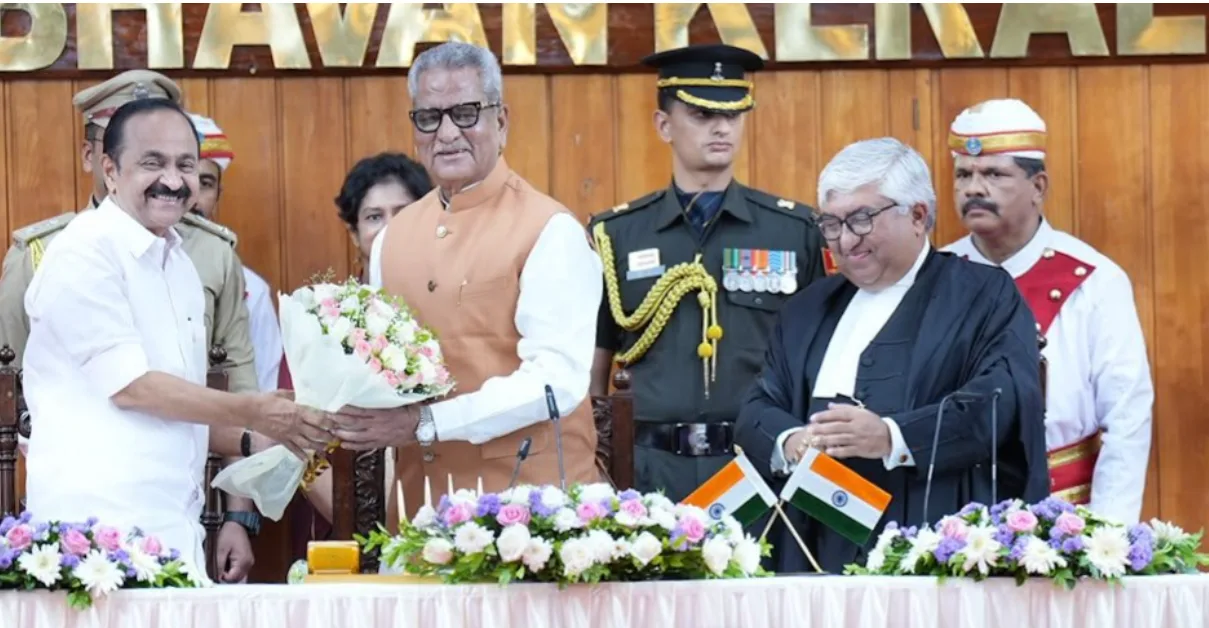
Om Prakash Mathur sworn in as Keralam Governor
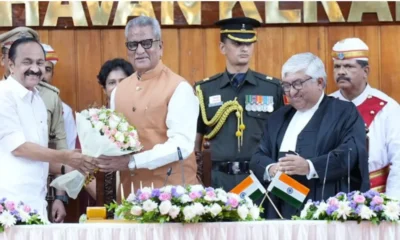
Om Prakash Mathur was sworn in as Keralam Governor on Friday. Kerala High Court Chief Justice Soumen Sen administered the oath at Lok Bhavan in Thiruvananthapuram.
India News
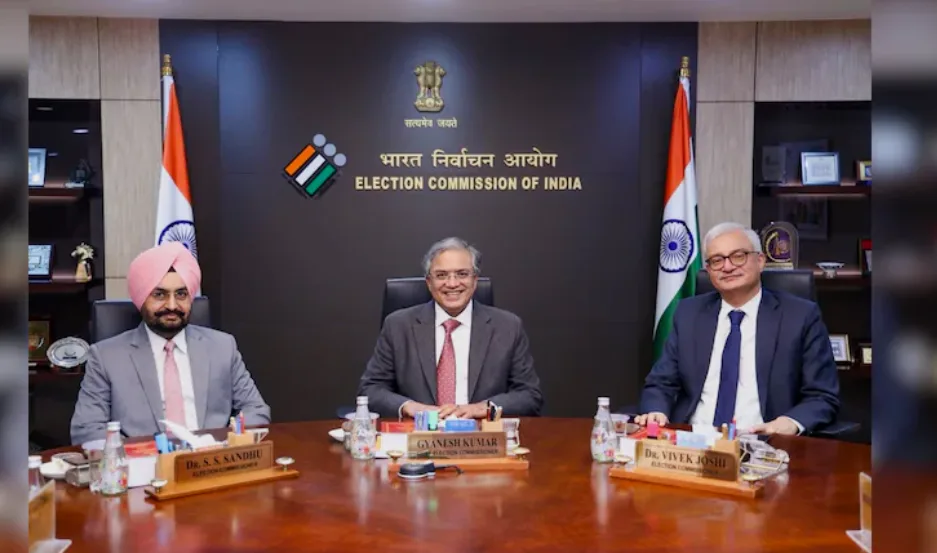
Two election commissioners complained against senior poll officer, RTI reveals
An RTI response has shed light on complaints by two Election Commissioners against a senior poll panel officer and the Cabinet Secretariat’s decision not to intervene directly.

Magnitude 7 earthquake strikes Tibet after floods

PM Modi attacks Rahul Gandhi with failed product jibe

Amit Shah says congress won’t return to power for 30 years

Punjab strike hits public services as 3 lakh employees and roadways workers protest

Two election commissioners complained against senior poll officer, RTI reveals

PM Modi to inaugurate Rs 169-crore RBI data centre in Odisha on October 25

Om Prakash Mathur sworn in as Keralam Governor
Two election commissioners complained against senior poll officer, RTI reveals
Punjab strike hits public services as 3 lakh employees and roadways workers protest
Amit Shah says congress won’t return to power for 30 years

Afghan Men Try To Hang With The Jet Engine Of The Aircraft in Kabul- Afghanistan News – Kabul News
Trending Top 10 News: 10000 Crore Fine on Flipkart, Apple to Launch Unique Feature, Hdfc Bank Job Ad

Trending Top 10 News: Nokia 6310, Apple sales, Bachpan ka Pyar Video Kid, Dainik Bhaskar IT Raid

Trending Top 10 News: Canada bans Indian flights, Rain in Delhi NCR, AIMIM Twitter hacked, Raj Kundra case

Trending Top 10 News: Shein India, Apple New Service, Pocket Oxygen, Oppo Launched New Phone
-
 Latest world news23 hours ago
Magnitude 7 earthquake strikes Tibet after floods
-
 India News23 hours ago
PM Modi attacks Rahul Gandhi with failed product jibe
-
 India News23 hours ago
Amit Shah says congress won’t return to power for 30 years
-
 India News12 hours ago
Punjab strike hits public services as 3 lakh employees and roadways workers protest
-
 India News11 hours ago
Two election commissioners complained against senior poll officer, RTI reveals
-
 India News30 mins ago
Om Prakash Mathur sworn in as Keralam Governor
-
 India News3 mins ago
PM Modi to inaugurate Rs 169-crore RBI data centre in Odisha on October 25
