English हिन्दी
Connect with us

India News

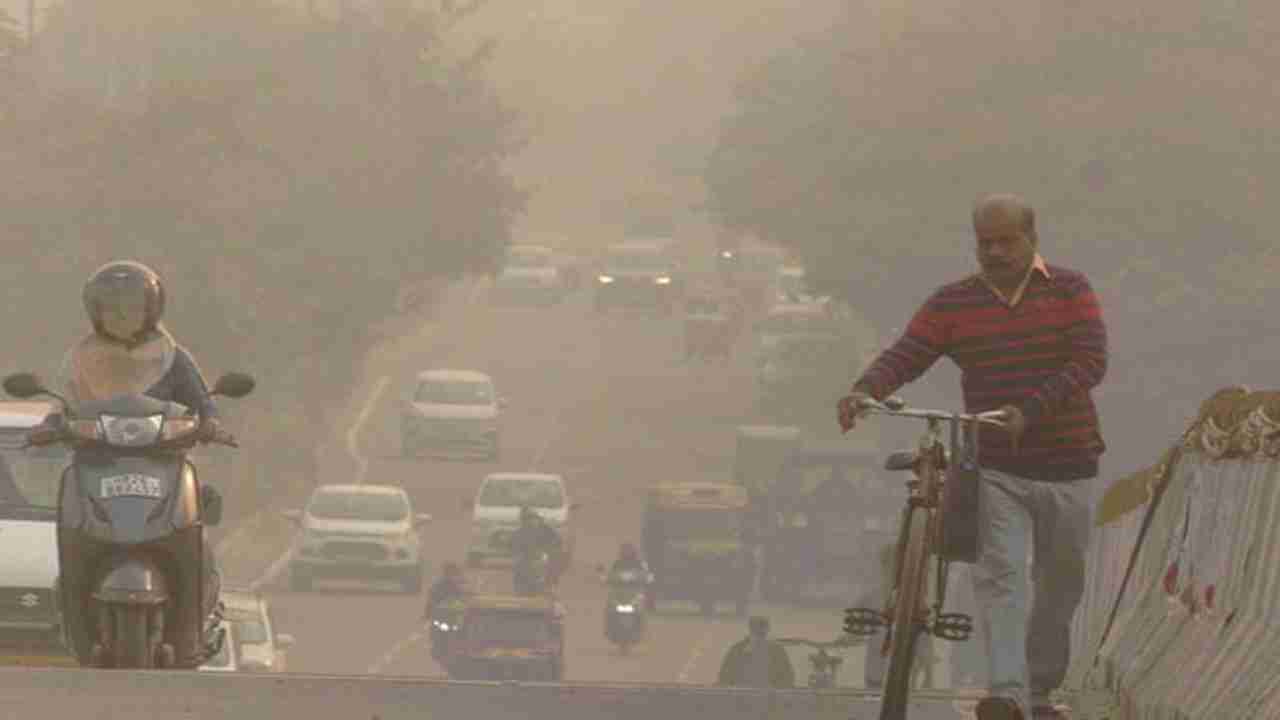
Rain, thunderstorms hit Delhi-NCR as IMD issues weather alert for next two days

Delhi, Noida, Gurugram and Ghaziabad are likely to witness rain, thunderstorms and gusty winds after IMD issued a weather alert for the region.

Published

on

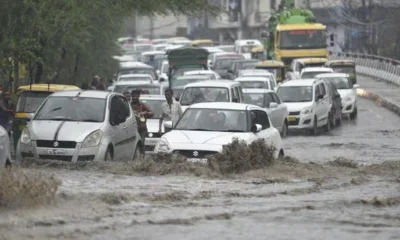
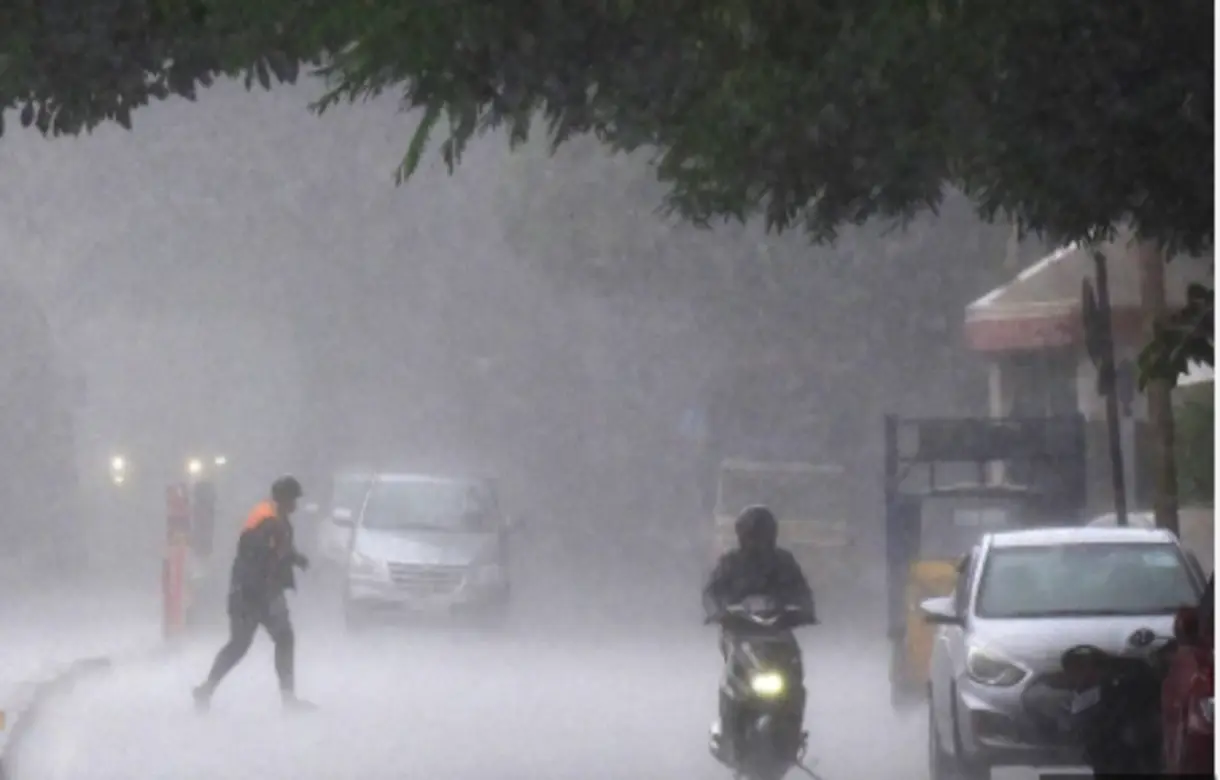
Heavy rainfall in Delhi, storm

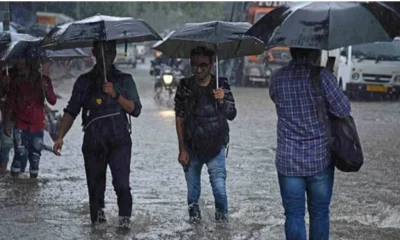
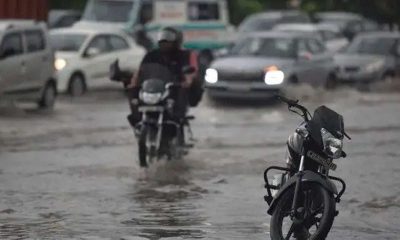
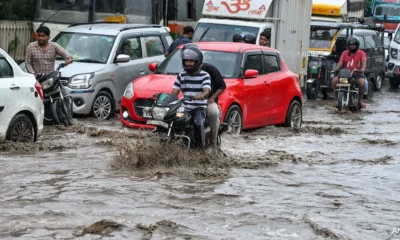
Rain, thunderstorms and gusty winds lashed parts of Delhi-NCR, bringing relief from the intense summer heat, while the India Meteorological Department (IMD) issued a yellow alert for the next two days. The weather department has forecast more showers, thunderstorms and strong winds across Delhi, Noida, Gurugram and Ghaziabad.

According to IMD, cloudy skies, light to moderate rainfall, thunderstorms and gusty winds may occur at several locations in Delhi-NCR. Wind speeds could reach 40-50 kmph and may gust up to 60 kmph during thunderstorm activity.

The weather department has advised residents to remain cautious during periods of strong winds and lightning. The expected rainfall is likely to keep temperatures lower than usual for early June, extending the relief from intense heat that the region witnessed in recent weeks.

Rain activity likely across NCR cities

The forecast indicates that Noida, Gurugram and Ghaziabad are also expected to receive spells of rain accompanied by thunderstorms over the coming days. Similar weather conditions have been predicted across much of the NCR region as atmospheric instability continues to influence northwestern India.

Recent spells of rain and dust storms have already brought down temperatures across Delhi-NCR, with weather officials predicting additional showers before conditions gradually improve later in the week.

Residents have been advised to monitor weather updates and avoid open areas during thunderstorms and lightning activity. Authorities also caution that strong winds may affect traffic movement and outdoor activities in some areas.

India News

Bank holiday today: Banks closed in Odisha, Uttarakhand and Manipur on July 16 for regional festivals; check details

Banks will remain closed in Odisha, Uttarakhand and Manipur on July 16 for regional festivals, while banking operations continue normally in the rest of India. Here’s the complete holiday schedule.

Published

on

Rath Yatra

India’s banking services will remain partially affected on Thursday, July 16, as banks in select states are closed to observe regional festivals, according to the Reserve Bank of India’s (RBI) holiday calendar for the financial year 2026-27.

Customers in most parts of the country can continue to access banking services as usual, while branches in Odisha, Uttarakhand and Manipur will remain shut for local celebrations.

Banks closed today in these states

Banks will remain closed on July 16 in the following states:

  • Odisha – Rath Yatra
  • Uttarakhand – Harela
  • Manipur – Kang festival

Apart from these states, bank branches across the rest of India are expected to function normally.

How does RBI decide bank holidays?

The Reserve Bank of India prepares a state-wise holiday calendar covering national, religious and regional occasions. Since several festivals are celebrated only in specific states, bank holidays may differ from one region to another.

In addition to these notified holidays, banks across the country remain closed on the second and fourth Saturdays of every month, as well as on all Sundays.

When is the next bank holiday?

According to the RBI’s holiday schedule, the next notified bank holiday falls on July 17, 2026, in Sikkim to mark the Death Anniversary of U Tirot Singh.

Customers are advised to check the holiday schedule applicable to their respective state before planning a visit to a bank branch.

Will online banking services remain available?

Although physical bank branches may remain closed in the affected states, customers can continue using digital banking services. Mobile banking, internet banking, UPI transactions, ATM withdrawals and other online banking facilities are expected to remain available, enabling uninterrupted access to essential financial services.

Continue Reading

India News

Ganga and Varuna corridor projects get Cabinet nod, Varanasi to receive Rs 25,000 crore infrastructure boost

The Union Cabinet has approved nearly Rs 25,000 crore Ganga and Varuna Corridor projects in Varanasi to improve connectivity, reduce congestion and support tourism in the holy city.

Published

on

Ganga Varuna Corridors

The Union Cabinet has approved two major elevated corridor projects worth nearly Rs 25,000 crore in Varanasi, marking a major infrastructure initiatives for the holy city in recent years. The Ganga Corridor and Varuna Corridor are expected to improve urban mobility, reduce congestion and support the growing number of tourists and pilgrims visiting the city every year.

The projects are aimed at creating faster road connectivity while also strengthening tourism infrastructure in one of India’s oldest and most significant spiritual destinations.

Ganga Elevated Corridor to reduce travel time

The larger project, the 46-km six-lane Ganga Elevated Corridor, will connect NH-19 with the Varanasi Ring Road through an alignment along the Ganga river.

Developed by the National Highways Authority of India (NHAI), the elevated corridor is designed to divert traffic away from congested city roads while minimising disruption to existing settlements.

According to the project plan, the corridor is expected to increase average travel speeds to nearly 100 kmph, significantly reducing travel time on the route from around 60 minutes to approximately 20 minutes.

Apart from improving connectivity, the project also focuses on tourism. Plans include a cable-stayed bridge that could become a new landmark for Varanasi, along with dedicated viewpoints and visitor spaces overlooking the Ganga and its ghats.

The project covers several villages, including Samne, Domri, Sirgovardhanpur, Chhitupur, Kila Kohna, Korauta, Ramnagar, Bhagwanpur, Sujabad, Nagwa, Nadesar and Varidpur. Authorities have halted land sale and purchase activities in these villages as part of the project process.

Varuna Corridor to improve access from neighbouring districts

The Cabinet has also approved the 43.2-km Varuna Elevated Corridor, estimated to cost around Rs 11,000 crore.

The project will connect NH-31 with the Varanasi Ring Road along the Varuna river through a network of elevated roads, flyovers, ramps, loops and link roads to improve movement across the city.

A key feature is a 21-km elevated section extending from near Harahua to the confluence of the Varuna and Ganga rivers near Namo Ghat.

The four-lane corridor is expected to provide direct access for travellers arriving from Lucknow, Jaunpur and Prayagraj, allowing them to reach Namo Ghat without entering congested city roads. Pilgrims will then be able to travel by boat to the Kashi Vishwanath Temple, helping reduce traffic pressure in central Varanasi.

Part of the project will pass through approximately 2.56 acres of land under the Cantonment Board, for which approval from the Ministry of Defence was required.

The Varuna Corridor alignment includes villages such as Kuduhana, Rustampur, Parshurampur, Sarai, Piran, Baragaon Pratham, Chhapri, Loharapur, Raniyapur, Chhitauni, Korauta, Kila Kohna, Inderpur, Sirista, Chauka, Jetupur, Kazi Sarsaulpur, Atharpur, Makdoompur, Bhatke, Karanjapur and Katesar in Sadar tehsil.

Projects planned as tourist numbers continue to rise

The approval comes as Varanasi continues to witness a sharp increase in tourist and pilgrim arrivals. According to the information shared, the city now receives nearly 15 crore visitors annually, increasing the need for stronger transport infrastructure to manage traffic efficiently.

The government expects the two corridor projects to improve accessibility while supporting the city’s long-term urban development and tourism growth.

Industry experts see wider economic benefits

Industry representatives have welcomed the projects, saying their impact could extend beyond transport improvements.

Aman Gupta, Director of RPS Group, said the Ganga and Varuna Corridor projects represent an integrated approach to urban development by combining connectivity, tourism and public infrastructure. He said better connectivity often encourages investment, employment generation and real estate development.

Gupta also noted that infrastructure-led development has produced similar outcomes in the National Capital Region, citing projects such as the Delhi-Mumbai Expressway, Metro expansion, Jewar International Airport and the proposed Faridabad-Noida-Ghaziabad Expressway.

Meanwhile, Manoj Kumar Garg, Chairman of NorthWind Estates, said the corridors could strengthen Varanasi’s position as a global spiritual, cultural and tourism destination while supporting economic growth through sectors such as hospitality, retail, commercial real estate and employment.

He added that Uttar Pradesh’s ambition of becoming a $1 trillion economy would receive support from continued investments in infrastructure, including expressways, airports and urban development projects that encourage private investment and improve ease of doing business.

Continue Reading

India News

Uniform rules for WhatsApp, Telegram under review as Centre examines legal aspects

The Centre is reviewing responses from WhatsApp, Telegram and Zoho Bharat Eye over username-based messaging features, with a notification on uniform rules likely within 20 days.

Published

on

WhatsApp

The Centre is reviewing responses submitted by WhatsApp, Telegram and Zoho Bharat Eye regarding their username-based messaging features, as the government evaluates whether regulatory action is required. A notification on the issue could be issued within the next 20 days.

MeitY examines responses from messaging platforms

According to sources in the Ministry of Electronics and Information Technology (MeitY), WhatsApp, Telegram and Zoho Bharat Eye have responded to government notices concerning username-based messaging features.

The ministry’s legal team is scrutinising the replies to determine whether any existing legal provisions have been violated and whether any clauses can be invoked for regulatory action or sanctions.

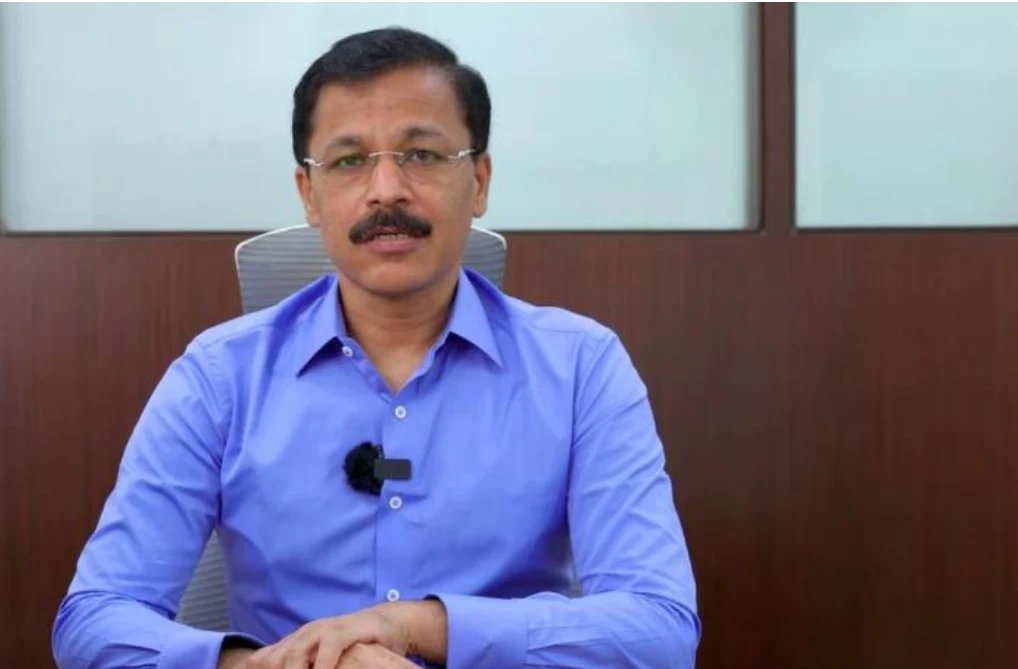
Speaking on the sidelines of the launch of a cybersecurity report on Monday, MeitY Secretary S. Krishnan confirmed that WhatsApp’s response had been received over the weekend and is currently under examination.

“The reply was received last week. We are examining the response and action, if any, will be taken after that examination,” he said.

Government stresses uniform regulatory approach

The government has maintained that any regulatory framework introduced in connection with username-based messaging will apply equally across all messaging platforms rather than targeting any single service.

Union Minister Ashwini Vaishnaw has indicated that a notification on the matter is expected within the next 20 days. The ongoing review is focused on examining the legal implications rather than being a purely policy exercise.

Why the government raised concerns

MeitY had issued notices to WhatsApp, Telegram and Signal after expressing concerns that username-based messaging, which allows users to communicate without sharing their phone numbers, could be misused for impersonation, phishing, identity theft and so-called “digital arrest” scams.

Earlier, a WhatsApp spokesperson said the platform is primarily designed as a private messaging service that helps people stay connected with friends and family.

The review forms part of the government’s broader efforts to strengthen online safety, curb the misuse of digital communication platforms and ensure that any future regulations are implemented uniformly across messaging services.

Continue Reading

Trending

© Copyright 2022 APNLIVE.com