
India News
Despite BJP criticism, Navjot Sidhu expects positive ties with Pakistan


Toeing the expected political line in regard to Punjab Minister and former cricketer Navjot Singh Sidhu’s visit to Islamabad for participating in Imran Khan’s oath taking ceremony as Pakistan’s Prime Minister, Bhartiya Janata Party has strongly criticized him for hugging Pakistan’s army chief Gen Qamar Bajwa twice and occupying seat next to PoK President Masood Khan during the ceremony.
However, despite criticism, Navjot Sidhu has expressed hope that ties between the two countries will improve during Imran Khan’s stint. He said that Pakistan’s military and political leadership was inclined towards improving ties with India.
BJP has demanded that Congress President Rahul Gandhi that he should act against Sidhu for his behavior in Islamabad. Government of India doesn’t recognize Masood and holds no elected Indian representative should share a platform with PoK President.

Navjot Singh Sidhu, immediately reacted for BJP’s allegations and clarified saying, “Bajwa came to me and said we were thinking of opening the Kartapur route on the 550th birth anniversary of Guru Nanak Dev”.
Earlier, while talking to Pakistan’s state run PTV, Sidhu used his usual poetic expressions to prais Imran Khan and hoped that his accession to the PM’s position will be good for the India-Pakistan peace process. He said, “A new morning is here in Pakistan with a new government which can change the destiny of the country.”
Read More: Imran Khan sworn in as 22nd Prime Minister of Pakistan
India and Pakistan have held no substantive dialogue since December 2015 when Sushma Swaraj, the External Affairs Minister visited Islamabad for a multilateral conference.
Imran Khan, while addressing the nation, after getting highest number of seats in National Assembly, made it clear that Kashmir remained the core issue for Pakistan and mentioned the alleged human rights violations by Indian forces in the Valley. Government of India believes that the Pakistan Occupied Kashmir (PoK) is under illegitimate control of Pakistan as it is, like the rest of Jammu and Kashmir, an integral part of India.

On his arrival in Lahore, Navjot Singh Sidhu had reportedly said that Imran Khan should come forward in a peace initiative between the two countries. He said that he brought “a message of love” to Pakistan as a goodwill ambassador of India. “I have come here not as a politician but as a friend. I have come here to take part in he happiness of my friend (Imran).”
Read More: Imran Khan: No Foreign Dignitaries to be invited for Oath Ceremony
BJP activists had protested against Navjot Singh Sidhu in Ludhiana on Saturday for his decision to visit Pakistan to attend the oath-taking ceremony of Imran Khan as Pakistan’s Prime Minister. One of the protesters leader reportedly said,“How could he attend Imran Khan’s oath-taking ceremony and hug Pakistan’s Army Chief being Punjab’s cabinet minister when India is mourning the death of former PM Atal Bihari Vajpayee”. They demanded explanation from the Congress party. Haryana Minister Anil Vij called it “an act of disloyalty”.
Reacting to BJP’s opposition to Navjot Singh Sidhu’s Pakistan visit, Congress leader Sunil Jakhar said, “Navjot Singh Sidhu attended oath taking ceremony of Imran Khan because he was invited. One sportsperson has invited another sportsperson. Navjot Singh Sidhu went there with the spirit of a sportsperson and I hope that the sportsman spirit will prevail over the animosity existing between the two countries”.
Two days before Sidhu’s visit to Pakistan, Subramaniam Swami, senior BJP leader had advised him not to visit Pakistan. He even said that Sidhu has lost his mental balance. This had indicated that BJP will use any opportunity to criticise Sidhu’s participation in Imran Khan’s oath ceremony.
While speaking to an Indian TV channel from Islamabad on Saturday evening, Navjot Singh Sidhu thanked Pakistanis for giving him love and respect. He expressed hope that Imran Khan would improve relations between the two countries. He said that Pakistani leaders including Imrah Khan have expressed their willingness to improve ties with India.
Imran Khan had also invited former Indian cricket captains Sunil Gavaskar and Kapil Dev and cine star Salman Khan for the oath ceremony. However, Sidhu chose to go across and attend the event.








India News
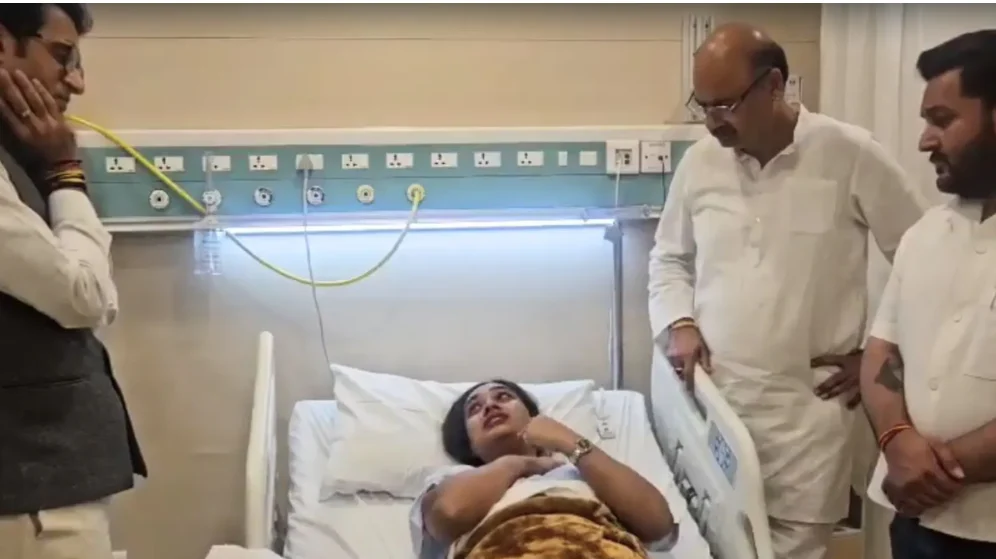
Journalist files police complaint against Rahul Gandhi over push allegation
Journalist Richa Parashar has filed a criminal complaint against Rahul Gandhi and others, alleging that she was pushed while covering the Opposition’s march to the Supreme Court. The Congress has denied the allegation.

India News
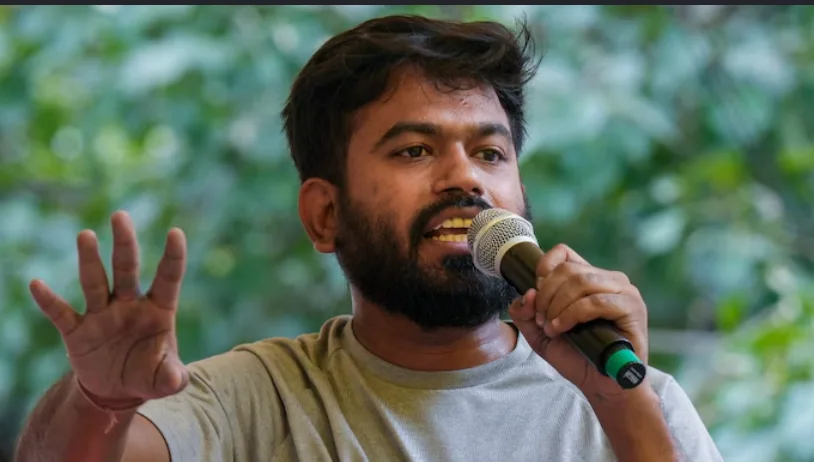
Delhi court orders release of CJP founder Abhijeet Dipke
A Delhi court on Saturday ordered the conditional release of Cockroach Janta Party founder Abhijeet Dipke, who was detained and subsequently arrested ahead of a planned protest march at Connaught Place.
India News
Anirudh Ravichander to marry Kavya Maran in November, reception on November 21
Anirudh Ravichander and Kavya Maran are set to marry in November, with their Chennai wedding reception scheduled for November 21.


LK Advani, 98, hospitalised in Delhi with chest infection
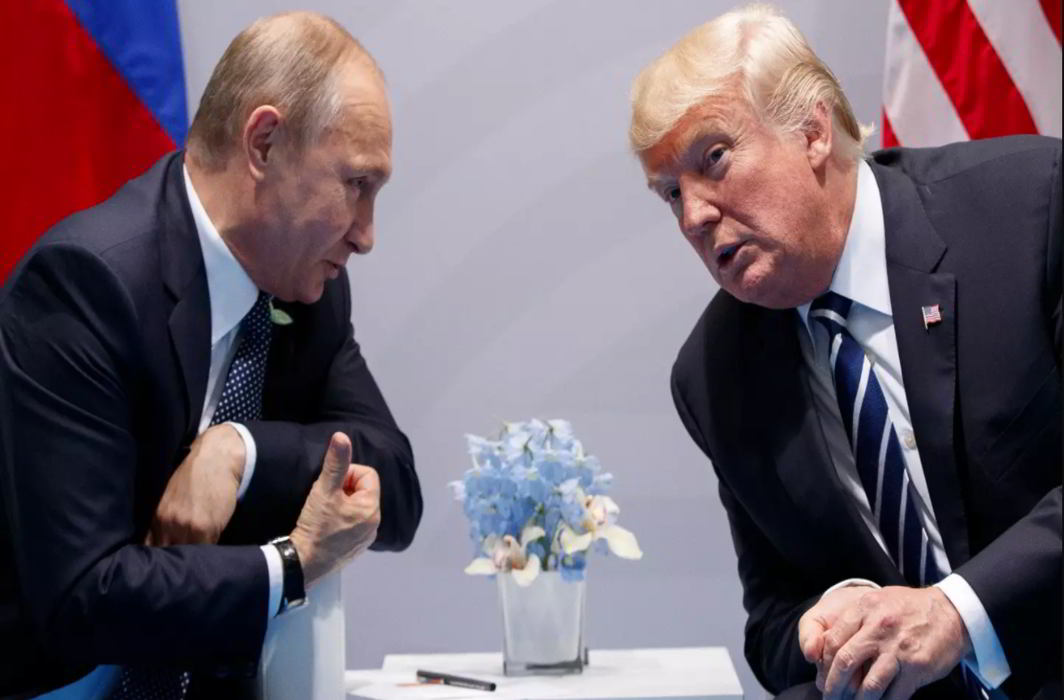
Trump waives Russia-related sanctions, tariffs in relief for India

ED summons Pinarayi Vijayan in money laundering case

Anirudh Ravichander to marry Kavya Maran in November, reception on November 21

Delhi court orders release of CJP founder Abhijeet Dipke

Journalist files police complaint against Rahul Gandhi over push allegation
Delhi court orders release of CJP founder Abhijeet Dipke
Anirudh Ravichander to marry Kavya Maran in November, reception on November 21
ED summons Pinarayi Vijayan in money laundering case
LK Advani, 98, hospitalised in Delhi with chest infection

Afghan Men Try To Hang With The Jet Engine Of The Aircraft in Kabul- Afghanistan News – Kabul News
Trending Top 10 News: 10000 Crore Fine on Flipkart, Apple to Launch Unique Feature, Hdfc Bank Job Ad

Trending Top 10 News: Nokia 6310, Apple sales, Bachpan ka Pyar Video Kid, Dainik Bhaskar IT Raid

Trending Top 10 News: Canada bans Indian flights, Rain in Delhi NCR, AIMIM Twitter hacked, Raj Kundra case

Trending Top 10 News: Shein India, Apple New Service, Pocket Oxygen, Oppo Launched New Phone
-
 India News18 hours ago
LK Advani, 98, hospitalised in Delhi with chest infection
-
Latest world news18 hours ago
Trump waives Russia-related sanctions, tariffs in relief for India
-
 India News16 hours ago
ED summons Pinarayi Vijayan in money laundering case
-
 India News7 hours ago
Anirudh Ravichander to marry Kavya Maran in November, reception on November 21
-
 India News6 hours ago
Delhi court orders release of CJP founder Abhijeet Dipke
-
 India News5 hours ago
Journalist files police complaint against Rahul Gandhi over push allegation
