
India News
Gujarat govt won’t have to pay for repair of shrines damaged in 2002 riots: rules SC

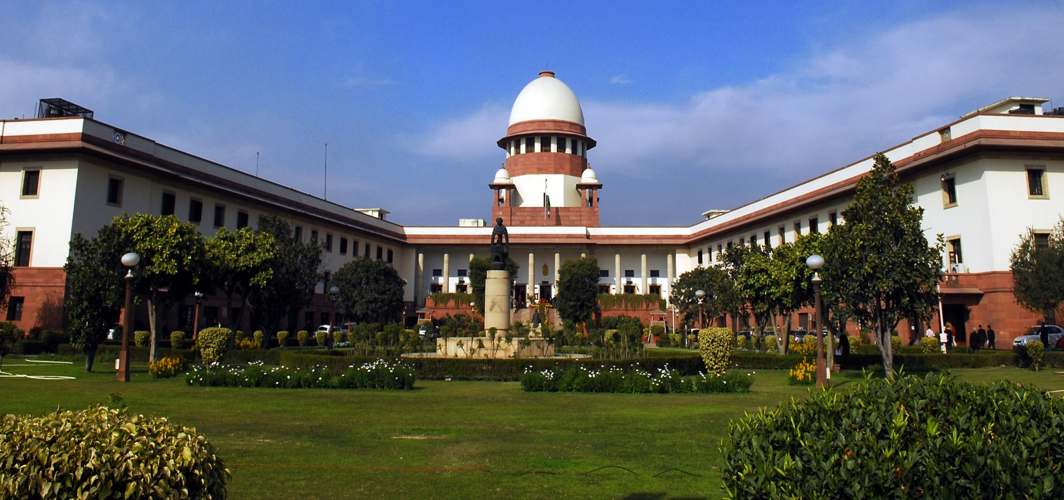
[vc_row][vc_column][vc_column_text]Over 500 religious structures – a majority of them being mosques and Islamic shrines – were damaged in the post-Godhra pogrom of 2002. The Apex court accepted Gujarat government’s contention that spending public money for repair and maintenance of a religious structure will be against the country’s secular fabric
The Supreme Court, on Tuesday, set aside Gujarat High Court’s order, which had asked the state government to pay for repair of religious structures, mostly mosques and Islamic shrines, which were damaged during the 2002 post-Godhra riots.
A bench of Chief Justice Deepak Misra and Justice PC Pant, however, said that the state government’s scheme of paying (ex-gratia) compensation of Rs 50,000 for the repair of damaged residential and commercial structures will be applicable for the religious structures too.
Observing that the order of the Gujarat High Court was ‘not tenable in law’, the bench asked the state to release funds according to its ex-gratia scheme and not as per the HC order, which had also sought an assessment of actual cost of restoration according to which the state government had to provide funds.
Appearing for the state government, Additional Solicitor General (ASG), Tushar Mehta had reasoned that a judicial order directing use of public money for construction of places of worship will be “against the secular fabric of the country”.
Mehta informed the top court that state government was willing to pay from its ex-gratia scheme for repair and reconstruction works of various structures, shops and houses which were damaged.
After the Bench passed its order, Mehta told reporters: “Our plea (seeking quashing of the Gujarat HC order) has been allowed…This ex-gratia scheme (of the Gujarat government) has been accepted by the SC.”
In an earlier hearing, the Supreme Court had asked the parties in the case if it would be proper in a secular State to order compensation for rebuilding places of worship. “Money is required for economic growth… individual injury is a different thing where compensation is granted under Article 21 (right to life and liberty) of the Constitution. Can it happen in a diversified country that a state is distributing public money to build religious places?” it said.
Citing Article 27 in the Constitution, Mehta had told the SC that there was a prohibition against compelling people “to pay any taxes, the proceeds of which are specifically appropriated in payment of expenses for the promotion or maintenance of any particular religion or religious denomination”.
Mehta maintained before the court: “What is prohibited, therefore, is use of state fund, which consists of payment of various taxes by citizens, for repair /reconstruction/construction of any place of worship of any religion.”
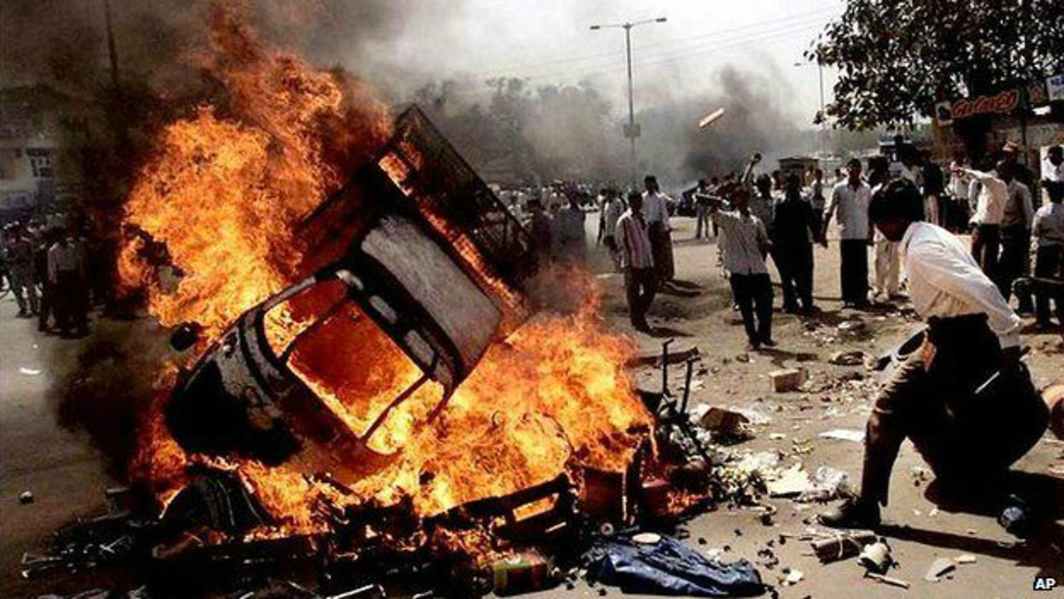
Considered one of the worst riots that took place in India in the post-independence era, the 2002 pogrom claimed the lives of over 800 Muslims and around 250 Hindus, as per official figures. Those who have worked in the riot-affected areas, activists and social commentators, have for long claimed that the official death toll of the 2002 riots betrayed facts and that the actual number of killings exceeded 2000 people, mostly Muslims.
The riots have been seen as a reaction by Hindu radicals to the death of 57 Hindu pilgrims who lost their lives when a train they were travelling in was set on fire in Gujarat’s Godhra. The riots have been the biggest scar on the political innings of Prime Minister Narendra Modi, who was then the Gujarat chief minister. Activists, a section of the media and legal commentators have, since 2002, spoken about the complicity of the then Gujarat government in allowing the Hindu rioters to kill Muslims. The then junior minister for home in Gujarat, and now BJP national president Amit Shah along with several BJP leaders were accused in various cases related to the riots.[/vc_column_text][/vc_column][/vc_row]






India News
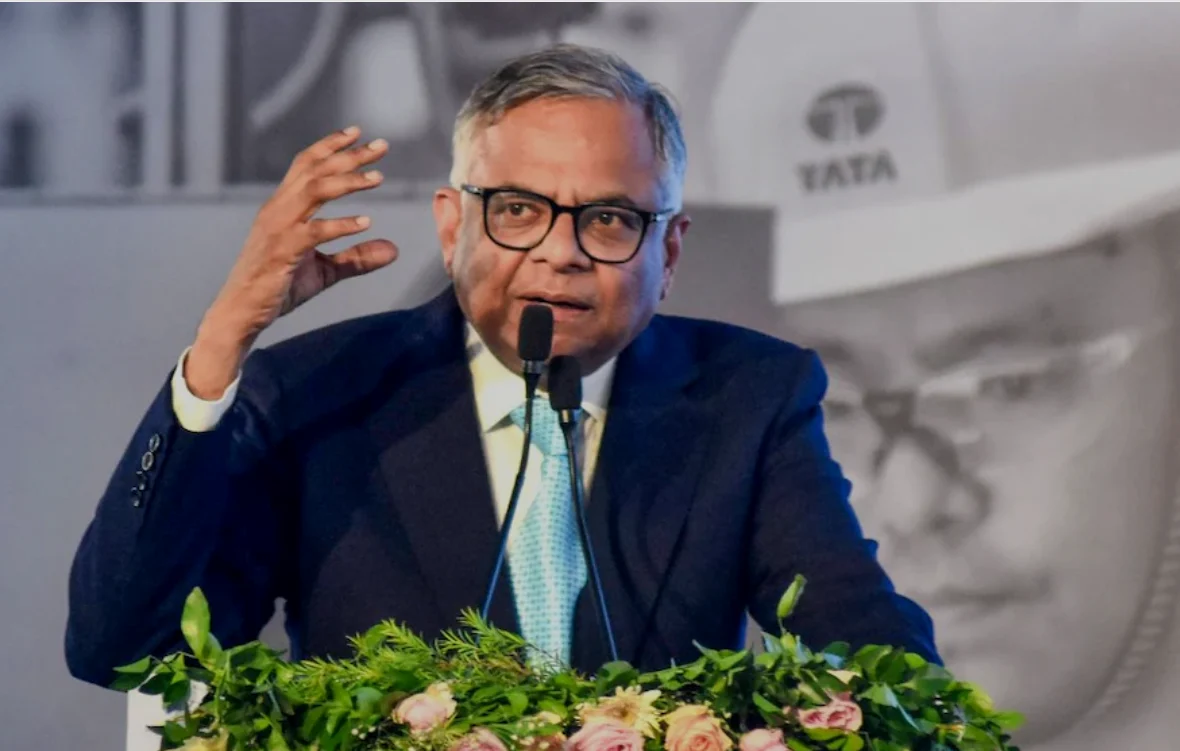
Noel Tata challenges N Chandrasekaran’s reappointment, flags TVS Motor link
Noel Tata has challenged N Chandrasekaran’s reappointment as Tata Sons executive chairman, alleging procedural lapses and seeking disclosures over reported TVS Motor dealings involving Hanno One Warehousing.

India News
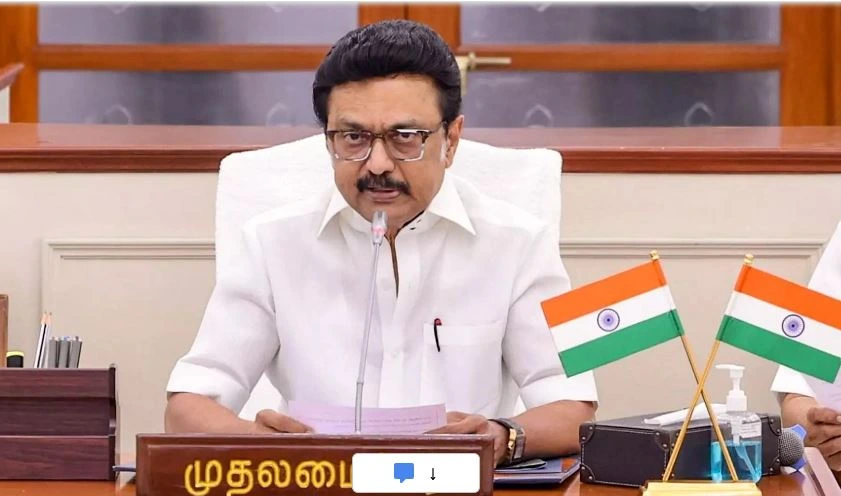
DMK ex-Minister arrested, TVK mocks Stalin with Bengal Monitor Lizard jab
Tamilaga Vettri Kazhagam’s IT wing attacked DMK chief MK Stalin after former minister Anbil Mahesh Poyyamozhi was arrested in an alleged Rs 100 crore corruption case involving approvals for private schools.
India News
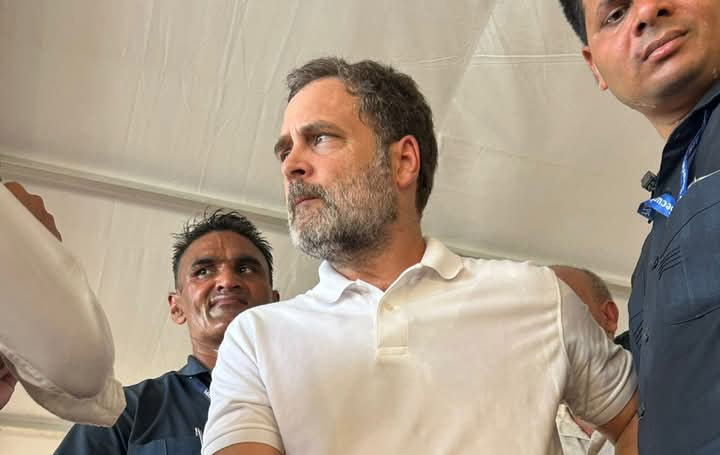
Rahul Gandhi’s convoy cars collide with ambulance in UP, several injured
Several people were injured after five vehicles in Rahul Gandhi’s convoy collided with an ambulance on the Purvanchal Expressway in Uttar Pradesh. The Congress MP was safe.

Rahul Gandhi’s convoy cars collide with ambulance in UP, several injured

DMK ex-Minister arrested, TVK mocks Stalin with Bengal Monitor Lizard jab

Noel Tata challenges N Chandrasekaran’s reappointment, flags TVS Motor link

Abhishek Sharma smashes 113 off 38 balls as India beat New Zealand in 3rd ODI
Abhishek Sharma smashes 113 off 38 balls as India beat New Zealand in 3rd ODI
Noel Tata challenges N Chandrasekaran’s reappointment, flags TVS Motor link
DMK ex-Minister arrested, TVK mocks Stalin with Bengal Monitor Lizard jab
Rahul Gandhi’s convoy cars collide with ambulance in UP, several injured
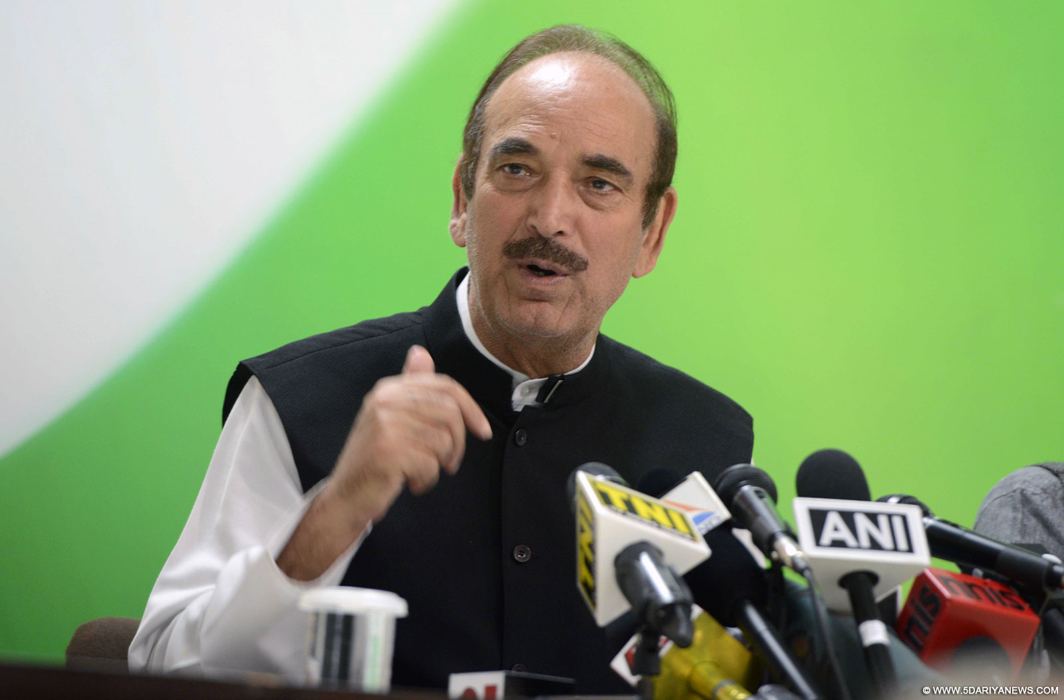
Farooq Abdullah’s Kashmir remark wrong, says Ghulam Nabi Azad

Afghan Men Try To Hang With The Jet Engine Of The Aircraft in Kabul- Afghanistan News – Kabul News
Trending Top 10 News: 10000 Crore Fine on Flipkart, Apple to Launch Unique Feature, Hdfc Bank Job Ad

Trending Top 10 News: Nokia 6310, Apple sales, Bachpan ka Pyar Video Kid, Dainik Bhaskar IT Raid

Trending Top 10 News: Canada bans Indian flights, Rain in Delhi NCR, AIMIM Twitter hacked, Raj Kundra case

Trending Top 10 News: Shein India, Apple New Service, Pocket Oxygen, Oppo Launched New Phone
-
 India News22 hours ago
Rahul Gandhi’s convoy cars collide with ambulance in UP, several injured
-
 India News22 hours ago
DMK ex-Minister arrested, TVK mocks Stalin with Bengal Monitor Lizard jab
-
 India News8 hours ago
Noel Tata challenges N Chandrasekaran’s reappointment, flags TVS Motor link
-
 Cricket news2 hours ago
Abhishek Sharma smashes 113 off 38 balls as India beat New Zealand in 3rd ODI
