
India News
9 coaches, engine of Mumbai-bound Duronto Express derail near Asangaon, no casualties

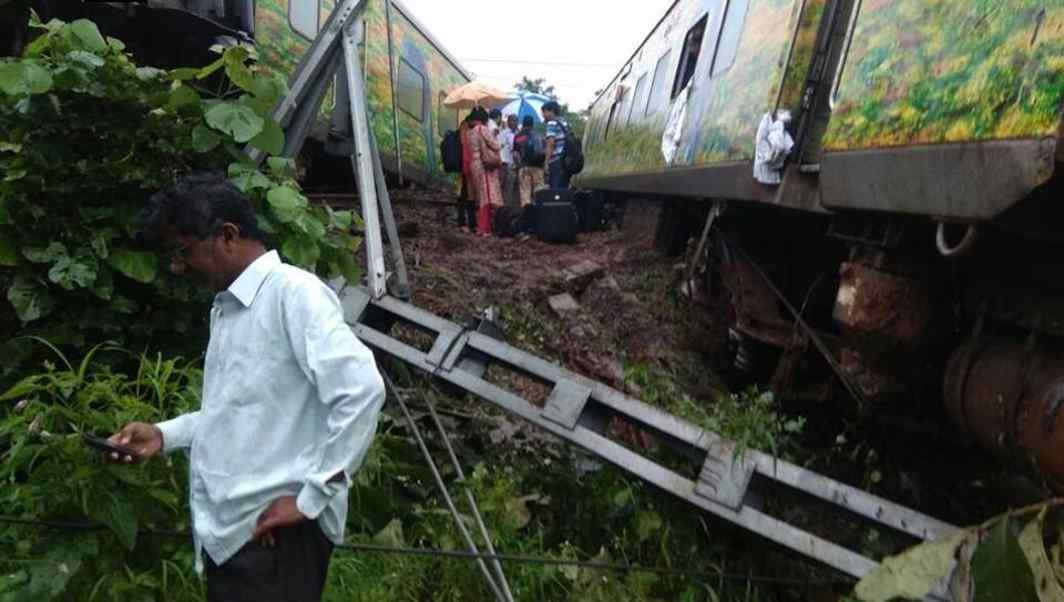
[vc_row][vc_column][vc_column_text]Railway officials claimed that the derailment was caused by landslides due to incessant rainfall in the Kasara Ghat region over the past few days. This is the fourth derailment in the country within a span of just 10 days
Nine coaches and the locomotive of Nagpur-Mumbai Duronto Express derailed, early on Tuesday morning, between Asangaon and Vasind railway stations in Maharashtra’s Thane district. No casualties have been reported so far and though rescue and relief operations are underway.
This is the fourth incident of train derailment within a span of just 10 days.
However, unlike the recent incidents – like the derailment of the Kalinga-Utkal Express in Muzzafarnagar, Kaifiyat Express in Auraiya and a local train in Mumbai which have all been blamed on various lapses on part of the railway authorities – Tuesday’s mishap is said to have been caused due to landslides that have rocked the Kasara Ghat region over the past few days due to incessant rainfall.
“The cause (of derailment) is sudden landslide due to heavy rains. But the driver did an excellent job of applying emergency breaks,” Sunil Udasi, Chief PRO of the Central Railway told reporters in Mumbai. “Senior officers including the General Manager left for the site within 15 minutes of receiving the information. Doctors, rescue and relief personnel have reached the site too. We have made elaborate arrangements with the help of the state government to ply passengers through buses from the accident sites to Mumbai’s Chhatrapati Shivaji Maharaj Terminus (CSMT),” Udasi added.
Another railway official has been quoted by different media agencies as saying: “It is suspected that a portion of the tracks was washed away due to heavy rains in the Kasara Ghat section since there has been a long spell of incessant and torrential rains since the past few days.”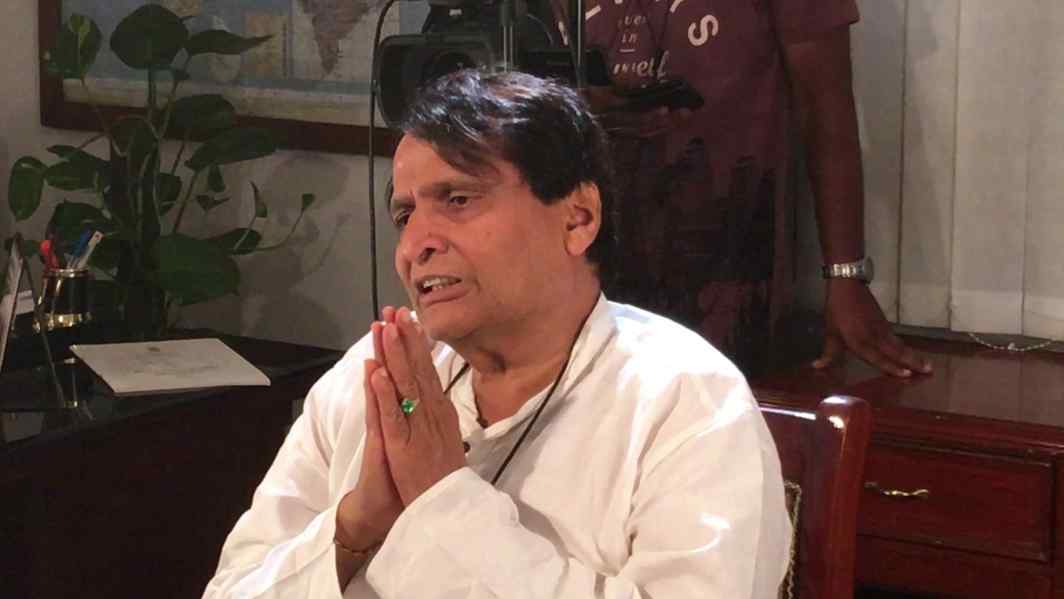 [/vc_column_text][/vc_column][/vc_row][vc_row][vc_column][vc_column_text]Interestingly, Union railway minister Suresh Prabhu, who is generally very prompt with posting any development related to the rail services – especially in case of accidents – on micro-blogging website Twitter, has maintained a studied silence since the derailment. Prabhu had taken moral responsibility for the derailments that occurred over the past 10 days and had reportedly offered to resign as railway minister after the Kaifiyat Express accident but Prime Minister Narendra Modi had apparently asked him to “wait”. The political grapevine in New Delhi has been abuzz with talk that Prime Minister Modi had not taken very kindly to Prabhu tweeting about his resignation offer.
Meanwhile, the derailment of the Mumbai-bound Duronto Express has also badly affected train services on the suburban railway network in and around Mumbai. The movement of local trains between Titwala and Kasara had to be was stopped, severely crippling commuters during peak office-going hours.
The derailment has also affected long distance trains plying on this route. Four trains have been diverted via Kalyan-Lonavala-Pune-Duand-Manmad while three trains en-route to Mumbai’s CSMT were terminated at the Igatpuri station.
The recent derailments:
On 25 August, four coaches of a local train running on Mumbai’s Harbour line derailed due to technical fault injuring six persons. While a probe is still on to determine the cause of the derailment, the Commissioner of Railway Safety (CRS) has reportedly blamed the mishap on compromises with the track safety, particularly in regard to the crossover on it between Mahim and Wadala stations.
On 23 August, Kaifiyat Express – which was on its way to Delhi from Azamgarh, went off tracks at around 2.40 am after colliding with a dumper. The incident left 80 passengers injured and fuelled a change of guard in the Railway Board with Air India managing director Ashwani Lohani being appointed as its chairman, taking over from AK Mittal who had to step down. Union railway minister Suresh Prabhu had also reportedly offered to resign seeking moral responsibility but Prime Minister Narendra Modi asked him to “wait” .
On 19 August, the Haridwar bound Kalinga-Utkal Express derailed in UP’s Muzzafarnagar killing 24 people and injuring 156 passengers. Preliminary probe into the mishap has pointed as lapses in the maintenance of track and faults with signaling as possible causes of the derailment.[/vc_column_text][/vc_column][/vc_row]









India News
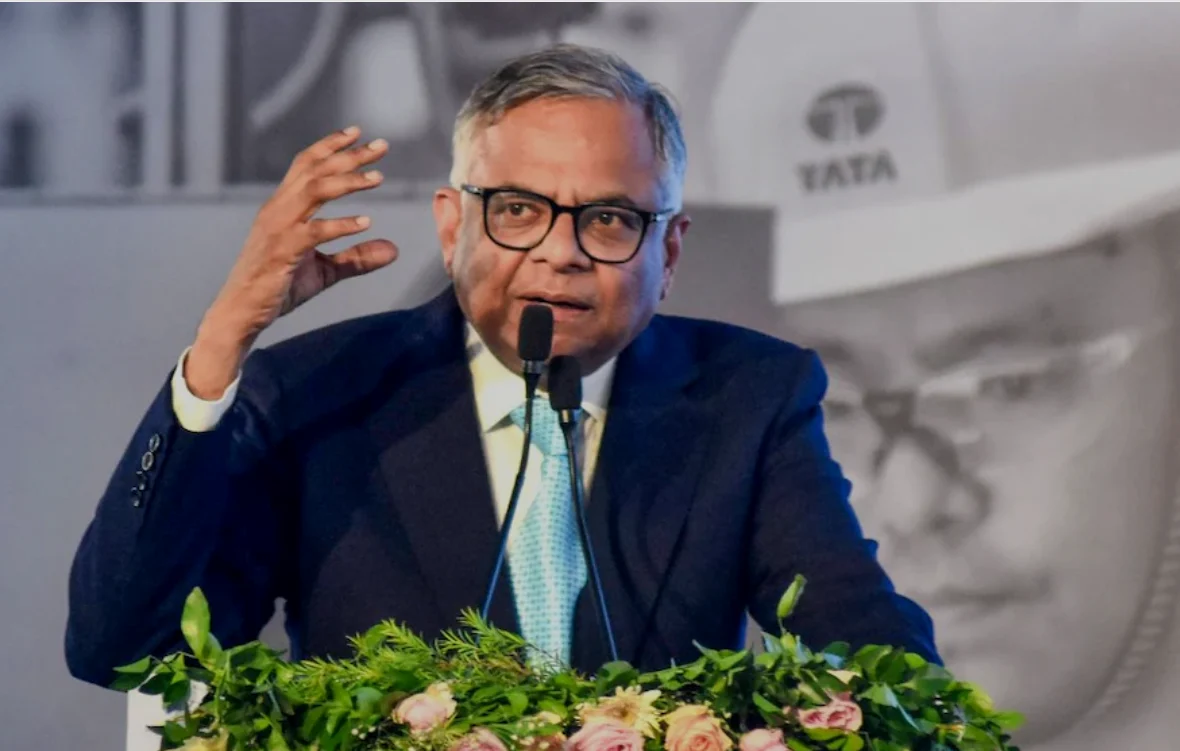
Noel Tata challenges N Chandrasekaran’s reappointment, flags TVS Motor link
Noel Tata has challenged N Chandrasekaran’s reappointment as Tata Sons executive chairman, alleging procedural lapses and seeking disclosures over reported TVS Motor dealings involving Hanno One Warehousing.

India News
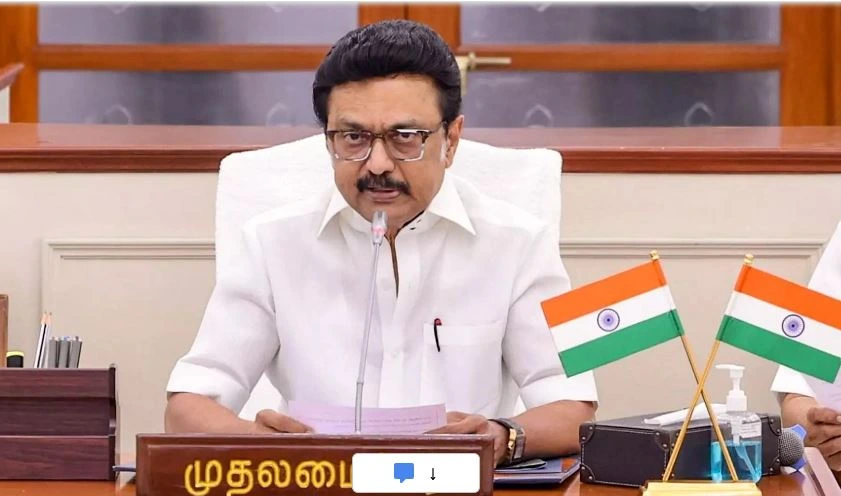
DMK ex-Minister arrested, TVK mocks Stalin with Bengal Monitor Lizard jab
Tamilaga Vettri Kazhagam’s IT wing attacked DMK chief MK Stalin after former minister Anbil Mahesh Poyyamozhi was arrested in an alleged Rs 100 crore corruption case involving approvals for private schools.
India News
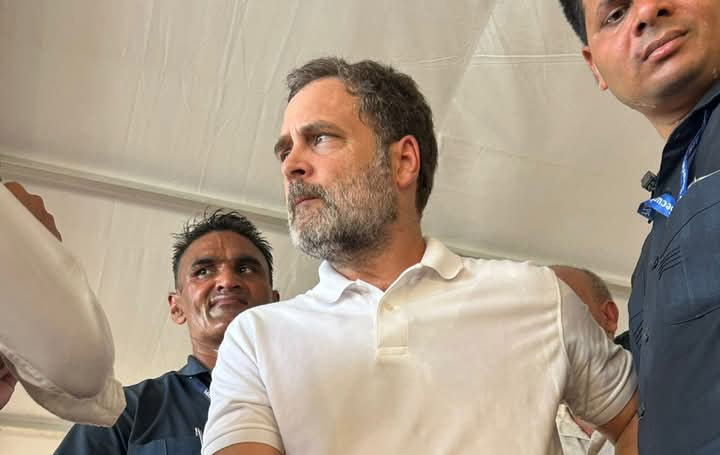
Rahul Gandhi’s convoy cars collide with ambulance in UP, several injured
Several people were injured after five vehicles in Rahul Gandhi’s convoy collided with an ambulance on the Purvanchal Expressway in Uttar Pradesh. The Congress MP was safe.

Rahul Gandhi’s convoy cars collide with ambulance in UP, several injured

DMK ex-Minister arrested, TVK mocks Stalin with Bengal Monitor Lizard jab

Noel Tata challenges N Chandrasekaran’s reappointment, flags TVS Motor link

Abhishek Sharma smashes 113 off 38 balls as India beat New Zealand in 3rd ODI
Abhishek Sharma smashes 113 off 38 balls as India beat New Zealand in 3rd ODI
Noel Tata challenges N Chandrasekaran’s reappointment, flags TVS Motor link
DMK ex-Minister arrested, TVK mocks Stalin with Bengal Monitor Lizard jab
Rahul Gandhi’s convoy cars collide with ambulance in UP, several injured
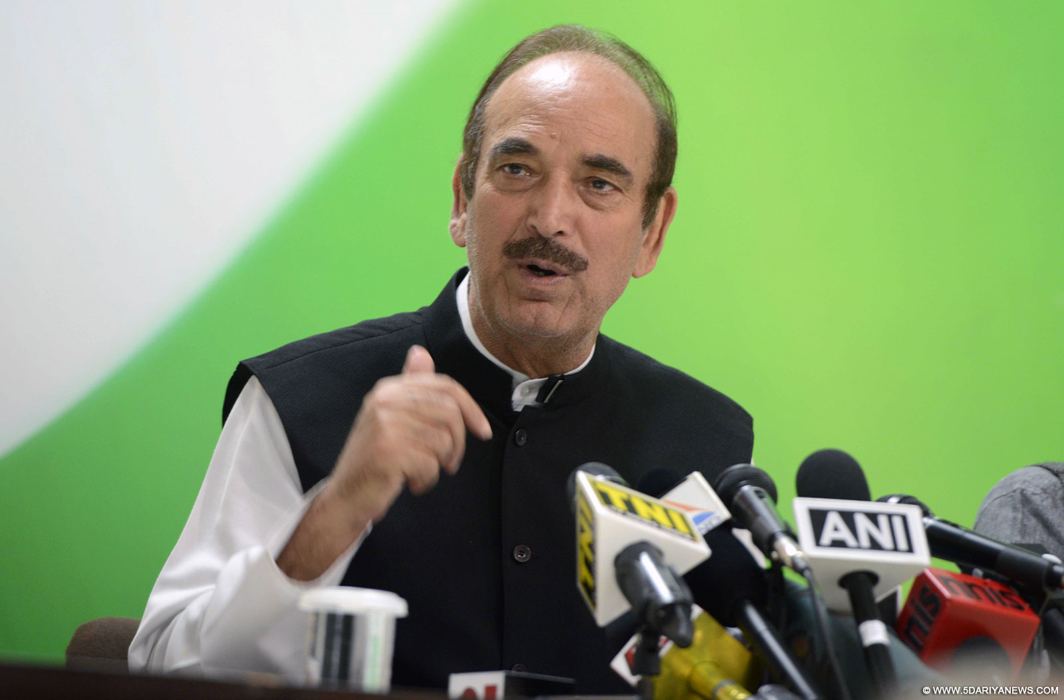
Farooq Abdullah’s Kashmir remark wrong, says Ghulam Nabi Azad

Afghan Men Try To Hang With The Jet Engine Of The Aircraft in Kabul- Afghanistan News – Kabul News
Trending Top 10 News: 10000 Crore Fine on Flipkart, Apple to Launch Unique Feature, Hdfc Bank Job Ad

Trending Top 10 News: Nokia 6310, Apple sales, Bachpan ka Pyar Video Kid, Dainik Bhaskar IT Raid

Trending Top 10 News: Canada bans Indian flights, Rain in Delhi NCR, AIMIM Twitter hacked, Raj Kundra case

Trending Top 10 News: Shein India, Apple New Service, Pocket Oxygen, Oppo Launched New Phone
-
 India News23 hours ago
Rahul Gandhi’s convoy cars collide with ambulance in UP, several injured
-
 India News22 hours ago
DMK ex-Minister arrested, TVK mocks Stalin with Bengal Monitor Lizard jab
-
 India News9 hours ago
Noel Tata challenges N Chandrasekaran’s reappointment, flags TVS Motor link
-
 Cricket news3 hours ago
Abhishek Sharma smashes 113 off 38 balls as India beat New Zealand in 3rd ODI
