
India News
India displays its might and culture on 69th Republic Day, with ASEAN leaders as chief guests


India celebrated its 69th Republic Day on Friday with a grand display of its military might, economic and technological development and multi-coloured cultural diversity – showcasing all this to the leaders of 10 ASEAN nations attending the event as chief guests.
Prime Minister Narendra Modi paid his tributes to the soldiers who died fighting for the country by laying a wreath at Amar Jawan Jyoti at India Gate in the presence of Defence Minister Nirmala Sitharaman and the three service chiefs.
Modi then proceeded to receive and greet President Ram Nath Kovind and the chief guests from the 10 ASEAN nations.
Twenty-three tableaux, including those representing various states, ministries, and government departments, rolled down Rajpath. Public broadcaster Doordarshan installed 38 cameras for the coverage of the celebrations and six cameras were deployed for coverage beyond India Gate, said media reports.
A first on this Republic Day was a motorcycle contingent of women personnel of the BSF who showcased their skills at the parade. The 27-member BSF women ‘daredevils’ squad, named ‘Seema Bhavani’, performed stunts and acrobatics on their 350cc Royal Enfield Bullet motorcycles.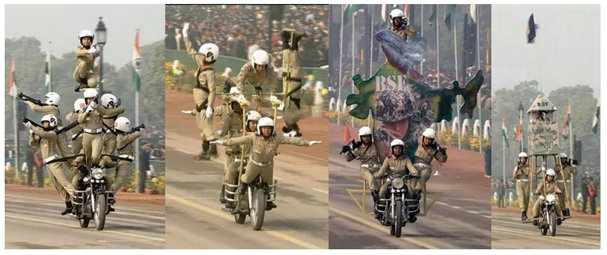
The highlight was the flypast by a number of Indian Air Force aircraft, consisting of formations of Sukhoi-30MKI, Tejas Light Combat Aircraft, Jaguar, MiG 29 Upgrade aircraft, MI-17 and RUDRA armed helicopters, 130 J, AEW&C aircraft. Five Mi-17 V5 helicopters of the IAF, showering petals and carrying the national flag, ASEAN flag and services flags, preceded parade commander Lieutenant General Asit Mistry, the General Officer Commanding (Delhi Area). A camel contingent of the BSF and columns of the 61st cavalry with 51 horses was also part of the parade.
The IAF tableau was themed “Indian Air Force encouraging indigenisation”, while the tri-service tableau had the message “veterans are asset to the nation’.
For the first time, a tableau of All India Radio led a series of 23 tableaux during the parade and it also featured PM Narendra Modi’s monthly address ‘Mann Ki Baat’. An Income Tax Department tableau about special anti-black money drive launched post-demonetisation was also on the list of many firsts.
The Navy showcased Indigenous Aircraft Carrier (IAC) Vikrant, which will be commissioned in 2020 and the Defence Development and Research Organisation exhibited the ‘Nirbhay’ missile and the Ashwini radar system. Three T-90 tanks, two BRAHMOS missiles, two AKASH missiles were also be part of the mechanised columns at the parade.
The event also saw the posthumous conferment of the Ashok Chakra to Jyoti Prakash Nirala, an IAF Garud commando who laid down his life while gunning down two terrorists in Jammu and Kashmir. Ashok Chakra is the highest peacetime military decoration for valour, courageous action or self-sacrifice away from the battlefield.
The parade commenced amid a heavy security blanket with thousands of security personnel, anti-aircraft guns and sharpshooters deployed in view of the event being attended by ASEAN leaders. Barricades were erected on all major roads leading to the parade venue with policemen checking vehicles and informing people about diversions. Mobile hit teams, anti-aircraft guns and sharpshooters were deployed to keep a watch on the eight-kilometre-long parade route from Rajpath to Red Fort besides nearby localities.
Cold weather conditions and dense fog failed to dampen the spirits of those who came to watch the parade.
Ministers, ASEAN leaders grace occasion
Most of the ministers of the Modi government including Home Minister Rajnath Singh, Finance Minister Arun Jaitley, Health Minister JP Nadda, Information and Broadcasting Minister Smriti Irani, Law Minister Ravi Shankar Prasad and Environment Minister Harsh Vardhan were among those present on the occasion.
The ASEAN leaders, present in New Delhi to attend the India-ASEAN Commemorative Summit, were the chief guests. The ASEAN, founded in 1967, comprises Thailand, Vietnam, Indonesia, Malaysia, the Philippines, Singapore, Myanmar, Cambodia, Laos and Brunei.
The ASEAN leaders attending the parade are Singaporean Premier Lee Hsien Loong Brunei’s Sultan Haji Hassanal Bolkiah, Indonesian President Joko Widodo, Philippines President Rodrigo Roa Duterte, Cambodian Prime Minister Hun Sen, Malaysian Prime Minister Najib Razak, Thailand’s Prime Minister General Prayut Chan-o-cha, Myanmar’s State Counsellor Aung San Suu Kyi, Vietnamese Prime Minister Nguyen Xuan Phuc and Lao PDR’s Prime Minister Thongloun Sisoulith.






India News
Actor Imran Khan asked to leave India after CJP protest
Actor Imran Khan has been asked to leave India by October 28, days after participating in a protest called by the Cockroach Janta Party (CJP) in Mumbai.


India News
Election Commission orders voter roll revision in 17 states, UTs
The Election Commission has ordered a Special Summary Revision of electoral rolls in 17 states and Union Territories. Draft rolls are scheduled for November 12, with final rolls due on January 4, 2027.

India News
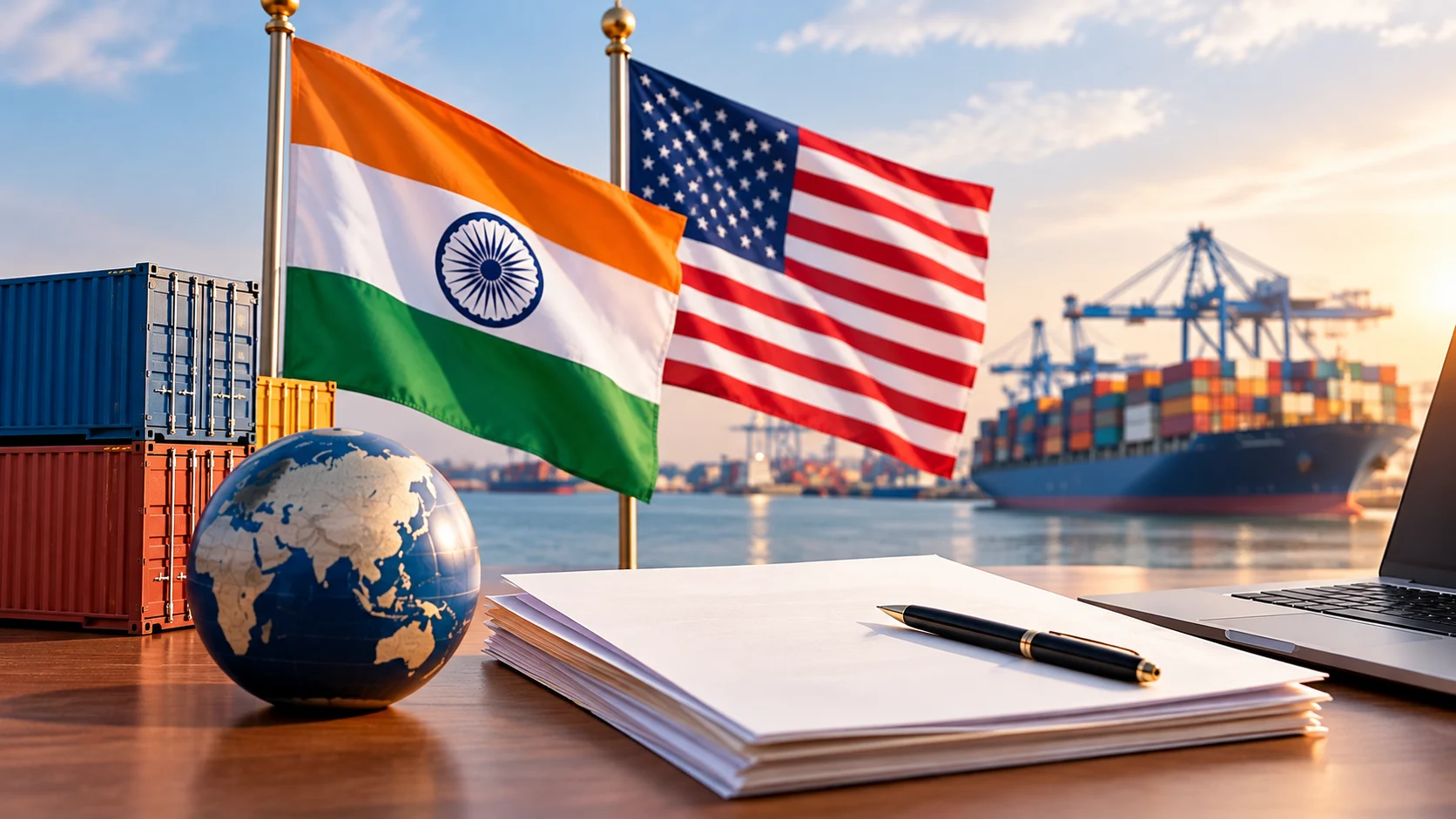
India-US trade deal first phase finalised, drafting underway
The first phase of the India-US trade agreement has been finalised and is undergoing legal drafting, Commerce Minister Piyush Goyal said. The deal is expected to be operationalised once India secures a competitive advantage over peer countries.

Rahul Gandhi joins India Gate protest by Ankita Bhandari’s parents

Supreme Court questions EC over missing records in Sringeri election dispute

Dhruv Rathee gets fresh summons in 2018 BJP IT cell video case

Nobody can browbeat judiciary, Chief Justice warns over Rahul Gandhi’s march

India-US trade deal first phase finalised, drafting underway

Actor Imran Khan asked to leave India after CJP protest

Election Commission orders voter roll revision in 17 states, UTs
India-US trade deal first phase finalised, drafting underway
Nobody can browbeat judiciary, Chief Justice warns over Rahul Gandhi’s march
Dhruv Rathee gets fresh summons in 2018 BJP IT cell video case

Afghan Men Try To Hang With The Jet Engine Of The Aircraft in Kabul- Afghanistan News – Kabul News
Trending Top 10 News: 10000 Crore Fine on Flipkart, Apple to Launch Unique Feature, Hdfc Bank Job Ad

Trending Top 10 News: Nokia 6310, Apple sales, Bachpan ka Pyar Video Kid, Dainik Bhaskar IT Raid

Trending Top 10 News: Canada bans Indian flights, Rain in Delhi NCR, AIMIM Twitter hacked, Raj Kundra case

Trending Top 10 News: Shein India, Apple New Service, Pocket Oxygen, Oppo Launched New Phone
-
 India News24 hours ago
Rahul Gandhi joins India Gate protest by Ankita Bhandari’s parents
-
 India News23 hours ago
Supreme Court questions EC over missing records in Sringeri election dispute
-
 India News11 hours ago
Dhruv Rathee gets fresh summons in 2018 BJP IT cell video case
-
 India News8 hours ago
Nobody can browbeat judiciary, Chief Justice warns over Rahul Gandhi’s march
-
 India News3 hours ago
India-US trade deal first phase finalised, drafting underway
-
 India News37 mins ago
Actor Imran Khan asked to leave India after CJP protest
-
 India News57 mins ago
Election Commission orders voter roll revision in 17 states, UTs
