
India News
Iranian guards detain four Indian shipping vessels


[vc_row][vc_column][vc_column_text]Sixteen crew members also detained with vessels
In an unprecedented move against Indian vessels in the Persian Gulf, Iranian naval guards have seized four Indian fishing vessels for “trespassing on the country’s territorial waters” in the Arvand waterway.
Arvand, also known as Shatt al-Arab, is a 200 km long river at the confluence of the Euphrates and the Tigris near Basra port city of Iraq. The southern end of of the river constitutes the border between Iraq and Iran.
According to Tehran based Press TV, Colonel Mohammad-Ali Musivand, commander of Abadan Navy Base, told the Iranian Students News Agency (ISNA) that the Indian vessels were seized on Saturday morning during a patrol by Iranian naval forces. Sixteen crew members were arrested as “border intruders.”
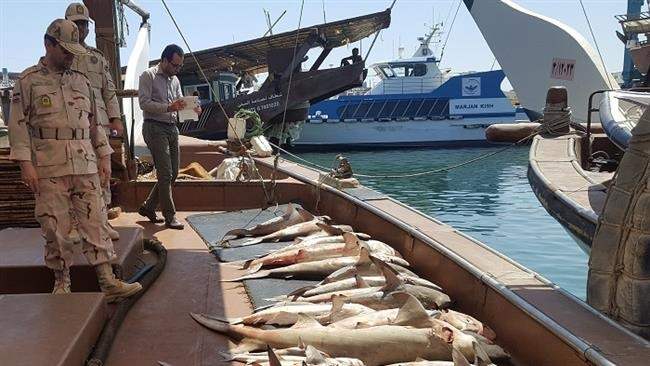 The official sources said that all detained people will be freed after Iran’s Ministry of Foreign Affairs takes necessary measures to resolve the issue. Iran closely monitors all movements in its territorial waters to protect marine life and ensure the security of the country’s sea borders, say source.
Indian officials have not reacted to the incident yet.
Iran’s Supreme leader Ali Khamenei, while meeting with Navy commanders in November last year, had highlighted Iran’s naval forces achievements in safeguarding national interests and their effective role in ensuring the security of international waters.
In July 2015, Indian guards had caught an Iranian boat off Kerala coast with a satellite phone and Pakistan’s identity court on it. A 12-member crew from Iran on the vessel were arrested and handed over to the police. Indian officials claimed of recovering a satellite phone set and one Pakistani identity card from the boat. The coast guard officials claimed that interception was based on intelligence input from central and state agencies, including Kerala police.
In January 2016, Iran had detained 10 US sailors from two small navy vessels for “straying” into Iranian waters. They were later released after Washington opened direct contacts with Iran seeking their release. Two countries don’t enjoy diplomatic ties since 1979 Islamic revolution.[/vc_column_text][/vc_column][/vc_row]







India News
Delhi deploys 25,000 personnel, installs CCTV cameras ahead of CJP march
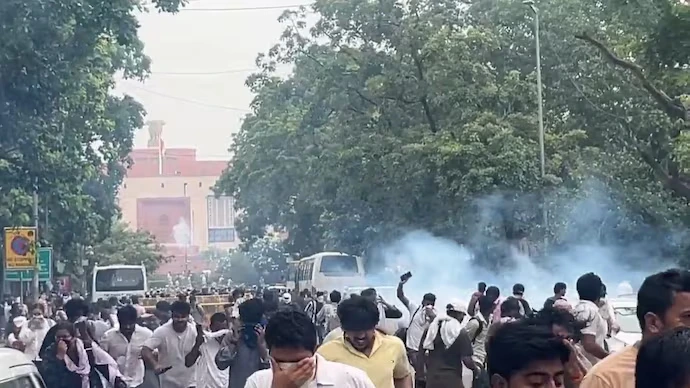
More than 25,000 police and paramilitary personnel have been deployed in Delhi ahead of the CJP’s planned protest march at Connaught Place. Authorities have also imposed restrictions and stepped up CCTV surveillance.

India News
Mallikarjun Kharge’s ‘Your Friends’ jab at Rahul Gandhi over congress exits
Congress president Mallikarjun Kharge took a dig at Rahul Gandhi after the Leader of the Opposition reportedly described former party leaders Jyotiraditya Scindia and Ghulam Nabi Azad as among those who had left the Congress.

India News
Delhi Police offers 11-person limit for CJP’s Connaught Place protest
Delhi Police has offered to facilitate a group of 11 people at Central Park in Connaught Place for the Cockroach Janata Party’s October 16 protest, while warning that violations of prohibitory orders could invite legal action.


India-US trade deal first phase finalised, drafting underway

Election Commission orders voter roll revision in 17 states, UTs

Delhi Police offers 11-person limit for CJP’s Connaught Place protest

Actor Imran Khan asked to leave India after CJP protest

Mallikarjun Kharge’s ‘Your Friends’ jab at Rahul Gandhi over congress exits

Magnitude 7 earthquake strikes Russia’s Kamchatka Peninsula

Delhi deploys 25,000 personnel, installs CCTV cameras ahead of CJP march
Mallikarjun Kharge’s ‘Your Friends’ jab at Rahul Gandhi over congress exits
Delhi Police offers 11-person limit for CJP’s Connaught Place protest
Actor Imran Khan asked to leave India after CJP protest

Afghan Men Try To Hang With The Jet Engine Of The Aircraft in Kabul- Afghanistan News – Kabul News
Trending Top 10 News: 10000 Crore Fine on Flipkart, Apple to Launch Unique Feature, Hdfc Bank Job Ad

Trending Top 10 News: Nokia 6310, Apple sales, Bachpan ka Pyar Video Kid, Dainik Bhaskar IT Raid

Trending Top 10 News: Canada bans Indian flights, Rain in Delhi NCR, AIMIM Twitter hacked, Raj Kundra case

Trending Top 10 News: Shein India, Apple New Service, Pocket Oxygen, Oppo Launched New Phone
-
 India News23 hours ago
India-US trade deal first phase finalised, drafting underway
-
 India News20 hours ago
Election Commission orders voter roll revision in 17 states, UTs
-
 India News19 hours ago
Delhi Police offers 11-person limit for CJP’s Connaught Place protest
-
 India News20 hours ago
Actor Imran Khan asked to leave India after CJP protest
-
 India News7 hours ago
Mallikarjun Kharge’s ‘Your Friends’ jab at Rahul Gandhi over congress exits
-
 India News7 hours ago
Delhi deploys 25,000 personnel, installs CCTV cameras ahead of CJP march
-
 Latest world news7 hours ago
Magnitude 7 earthquake strikes Russia’s Kamchatka Peninsula
