
India News
Jay Shah says he will sue news portal for Rs 100 crore

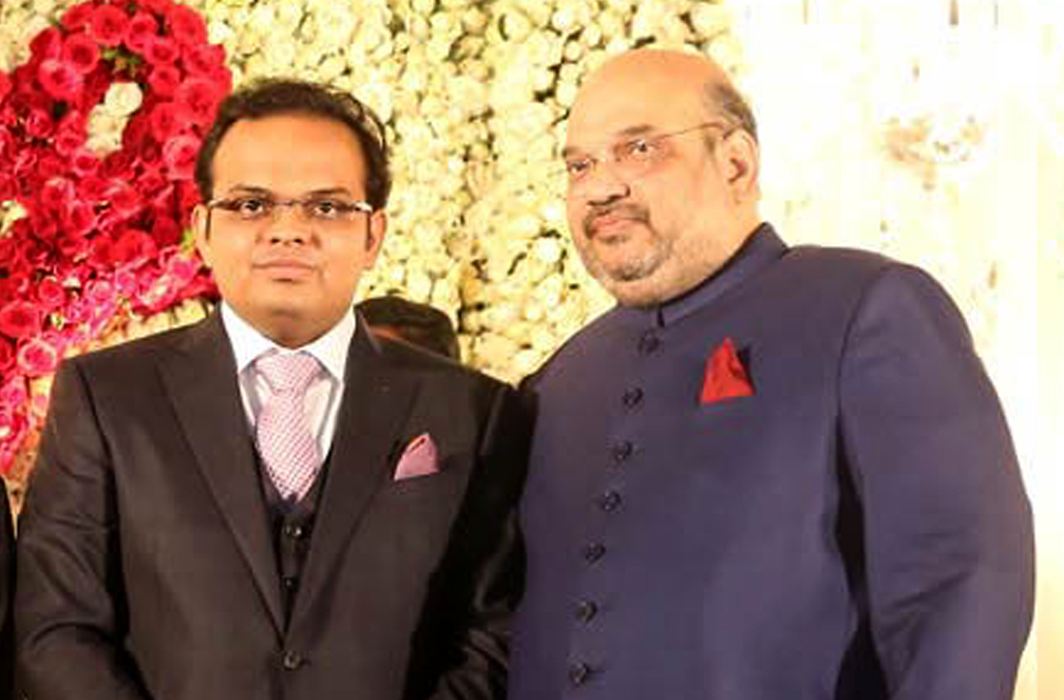
BJP President Amit Shah’s son Jay Amit Shah has released a statement (see below) saying that he will sue the author, editor (s) and the owners of the news portal The Wire for publishing “an article titled ‘The Golden Touch of Jay Amit Shah’ authored by Ms Rohini Singh. The editor of the website is Mr Siddharth Varadarajan.”
Shah Jr also says in his statement: “The article made false, derogatory and defamatory imputation against me by creating in the minds of right-thinking people an impression that my business owes its ‘success’ to my father Shri Amitbhai Shah’s political connection”.
Amit Shah’ son also says that: “I have decided to prosecute the Author Editor/(s) and the owners of the aforesaid news website for criminal defamation and sue them for an amount of Rs 100 cores. Both the actions will be field at Ahmedabad, where I stay, on my business and where the cause of action has arisen.”
The Modi government has come to his defence with Union Railway Minister Piyush Goyal rebutting the charges against Jay Shah. Moreover, Additional Solicitor General (ASG) Tushar Mehta will represent Jay Amit Shah, son of BJP chief Amit Shah, in the criminal defamation case he has filed against news portal The Wire over its story that claimed his company’s turnover saw a huge rise after the BJP came to power at the Centre in 2014, said a PTI report.
Union minister Piyush Goyal said Mehta had sought Law Minister Ravi Shankar Prasad’s permission to appear for Jay and the approval was granted, according to the PTI report.
He also acknowledged that Tushar Mehta, the ASG, was cleared virtually straight away to handle Jay Shah’s case – on the same day that the government lawyer applied for sanction.
Goyal insisted that the purpose of the story was to defame the BJP and its government by making derogatory and defamatory imputations.
Asked about the Congress attack on the BJP over the claim that the government was in the know of the entire episode as the ASG was given permission even before the story appeared, Goyal said they were aware of the matter as the news portal had sent Jay a questionnaire.
“We believe that he (Jay) has been wronged and he must get justice. There is no harm if the best of lawyers appear for him. An ASG can appear in a matter between two private parties after taking permission,” he told reporters.
 The report that the online portal The Wire was about business dealings of Shah Jr and his firm Temple Enterprise Private Ltd. The allegation in the article is of the firm’s turnover growing from Rs 50,000 in March 2015 to Rs 80.5 crore in 2015-16. It also talks about an unsecured loan of Rs 15.78 crore from financial services firm KIFS.
This, The Wire imputes, was illegal and beyond the inference of logical business growth. This was strongly and roundly denied by no less than the railway minister Piyush Goyal, who has said in a press briefing that this was “absolutely false, baseless, malicious, derogatory, defamatory and hollow.”
The issue has become a hot discussion point in political circles, while truth of the issue has not been verified. The Congress has asked for a CBI or ED investigation, itself in a corner in the Robert Vadra land scams.
Congress vice-president Rahul Gandhi has tweeted: “We finally found the only beneficiary of Demonetisation. It’s not the RBI, the poor or the farmers. It’s the Shah-in-Shah of Demo. Jai Amit”.
Jay Shah’s lawyer has written: “Jay Shah, Jitendra Shah and their associates invested share capital and unsecured loans in this company [Temple Enterprise]. Since working capital facilities were not available to a new business/company, interest bearing Inter Corporate Deposits (ICD) were taken from time to time from KIFS Financial Services Ltd., a registered NBFC, to run this business. Tax has been deducted on the interest paid (TDS) regularly and the principal and interest amount has been repaid in full.”




India News
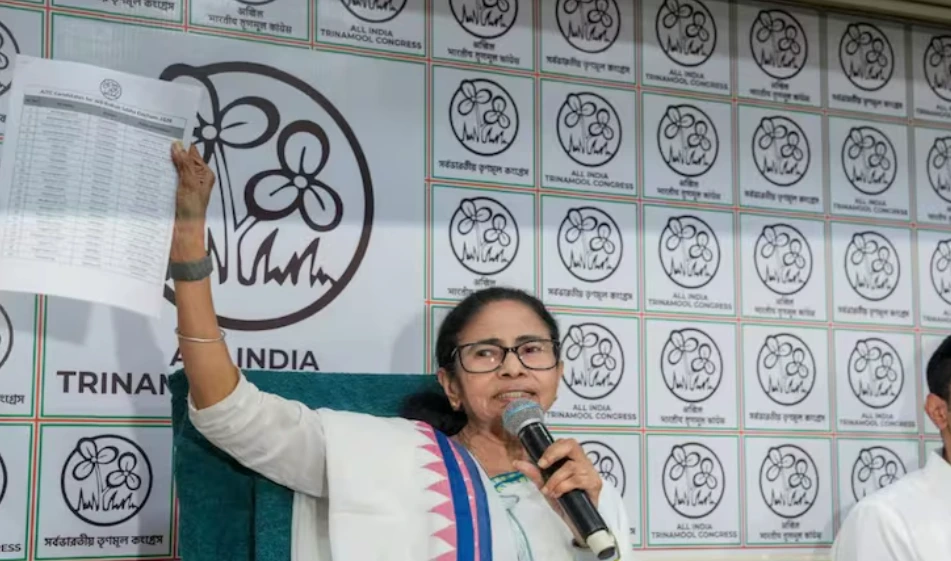
Mamata Banerjee warns BJP, EC over Bengal polls, says they will be accountable
Mamata Banerjee holds BJP and Election Commission responsible for any incidents during Bengal polls, raising concerns over officer transfers.

India News
Centre assures action on LPG supply disruption, court closes distributors’ plea
The Bombay High Court closed a plea by LPG distributors after the Centre assured diplomatic efforts to stabilise supply amid global disruptions.
India News
Om Birla likely to move motion to revoke suspension of 8 opposition MPs today
The Lok Sabha is likely to revoke the suspension of eight opposition MPs today, with a motion expected to be moved by the government following consensus on maintaining discipline.
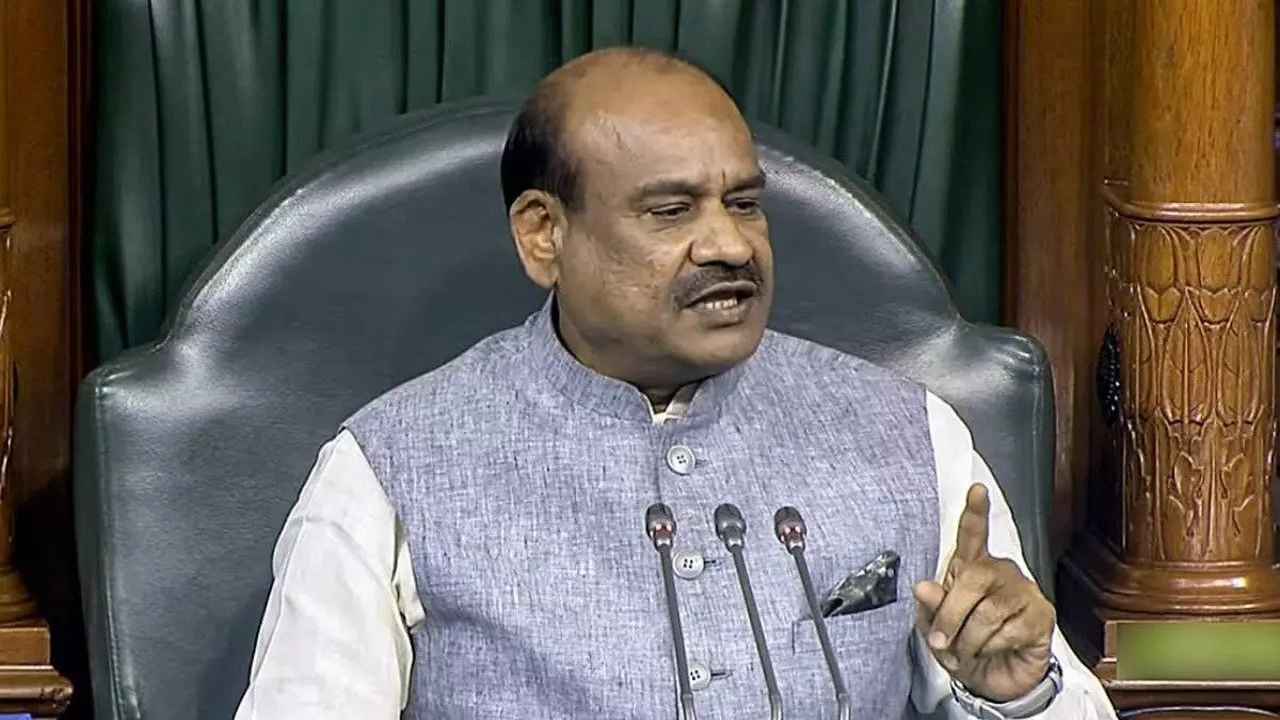

Om Birla likely to move motion to revoke suspension of 8 opposition MPs today

Pakistan airstrike allegations on Kabul hospital leave hundreds dead, claims Taliban

Mamata Banerjee writes to poll chief over officers’ reshuffle, calls move arbitrary

Maharashtra passes freedom of religion bill with jail term up to 10 years

Centre assures action on LPG supply disruption, court closes distributors’ plea

Top US counterterrorism official resigns over Iran war, cites conscience

Mamata Banerjee warns BJP, EC over Bengal polls, says they will be accountable
Centre assures action on LPG supply disruption, court closes distributors’ plea
Om Birla likely to move motion to revoke suspension of 8 opposition MPs today
Maharashtra passes freedom of religion bill with jail term up to 10 years

Afghan Men Try To Hang With The Jet Engine Of The Aircraft in Kabul- Afghanistan News – Kabul News
Trending Top 10 News: 10000 Crore Fine on Flipkart, Apple to Launch Unique Feature, Hdfc Bank Job Ad

Trending Top 10 News: Nokia 6310, Apple sales, Bachpan ka Pyar Video Kid, Dainik Bhaskar IT Raid

Trending Top 10 News: Canada bans Indian flights, Rain in Delhi NCR, AIMIM Twitter hacked, Raj Kundra case

Trending Top 10 News: Shein India, Apple New Service, Pocket Oxygen, Oppo Launched New Phone
-
 India News13 hours ago
Om Birla likely to move motion to revoke suspension of 8 opposition MPs today
-
 India News14 hours ago
Pakistan airstrike allegations on Kabul hospital leave hundreds dead, claims Taliban
-
 India News14 hours ago
Mamata Banerjee writes to poll chief over officers’ reshuffle, calls move arbitrary
-
 India News14 hours ago
Maharashtra passes freedom of religion bill with jail term up to 10 years
-
India News5 hours ago
Centre assures action on LPG supply disruption, court closes distributors’ plea
-
 India News3 hours ago
Mamata Banerjee warns BJP, EC over Bengal polls, says they will be accountable
-
 Latest world news2 hours ago
Top US counterterrorism official resigns over Iran war, cites conscience
